
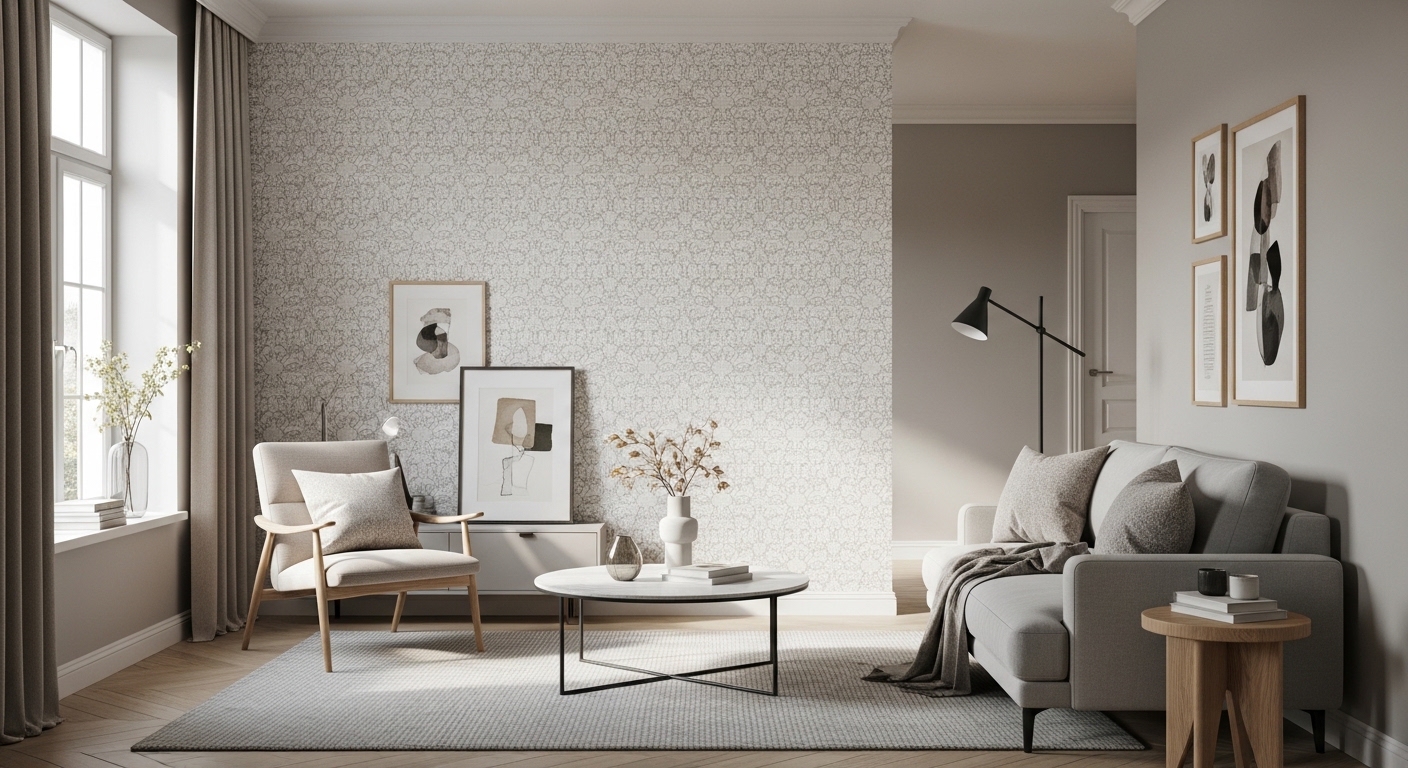
Mixing wallpaper and paint in one room can elevate a space from ordinary to extraordinary. It allows you to combine textures, patterns, and colors, creating visual interest and depth. However, the key is balance—too much of either element can feel overwhelming.
When done thoughtfully, wallpaper and paint complement each other, highlight architectural features, and define different zones within a room. The right combination enhances both style and function, giving you a versatile canvas for furniture, décor, and personal expression.
Here are 20 creative ways to mix wallpaper and paint in one room while keeping it stylish and harmonious.
1. Accent Wall with Bold Wallpaper
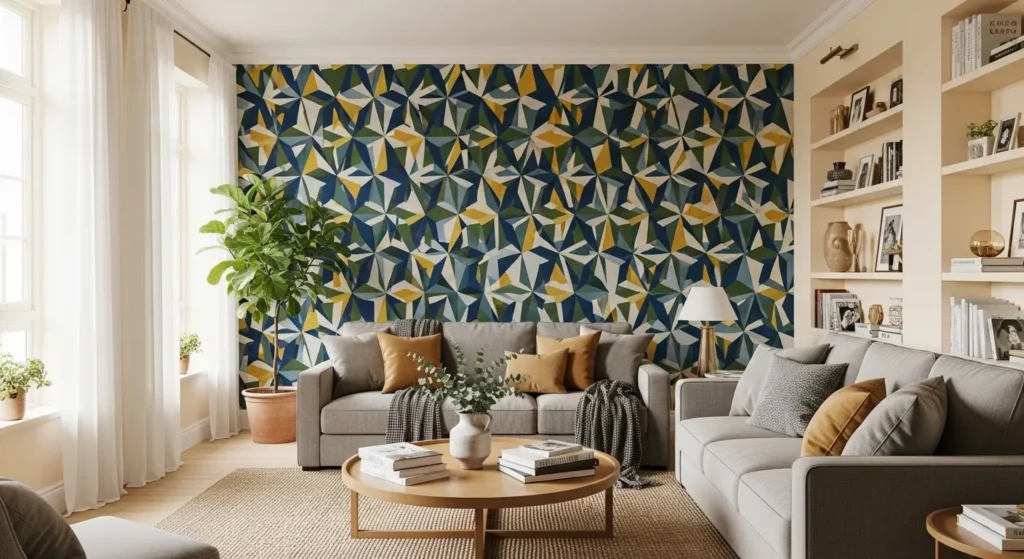
Choosing one wall for bold wallpaper creates a focal point without overwhelming the room. Complement the other walls with a soft, neutral paint that balances the pattern and color.
This technique works well in living rooms, bedrooms, or dining areas. Pairing bold wallpaper with subtle paint ensures the room feels cohesive and allows furniture and décor to shine without visual clutter.
2. Half-Wall Wainscoting with Wallpaper
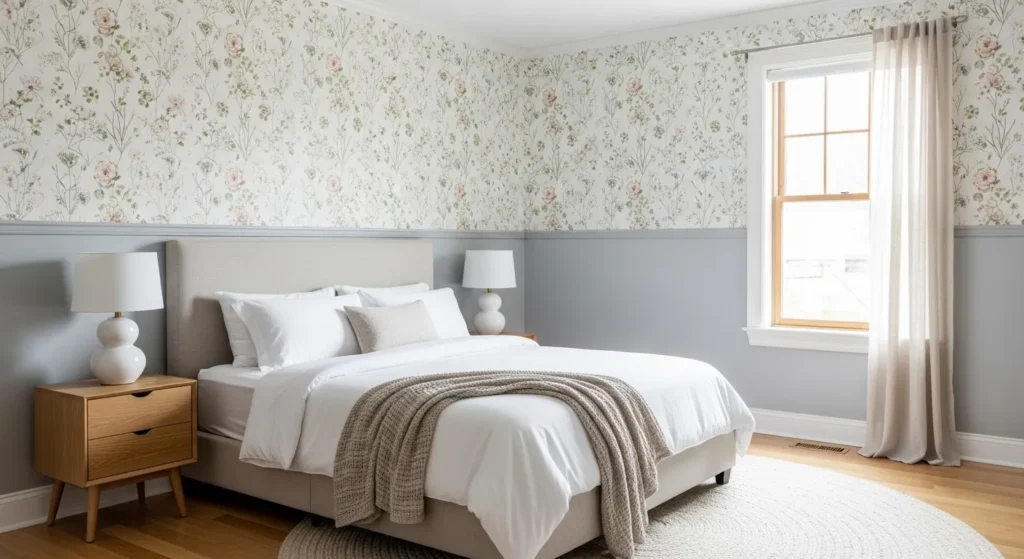
Use paint on the lower portion of the wall and wallpaper above to add texture and elegance. This half-wall approach works for dining rooms, hallways, or bedrooms.
Select complementary tones to ensure harmony. The painted lower section grounds the room while the patterned upper half adds personality and visual interest, creating a sophisticated, balanced look.
3. Striped Wallpaper with Coordinating Paint
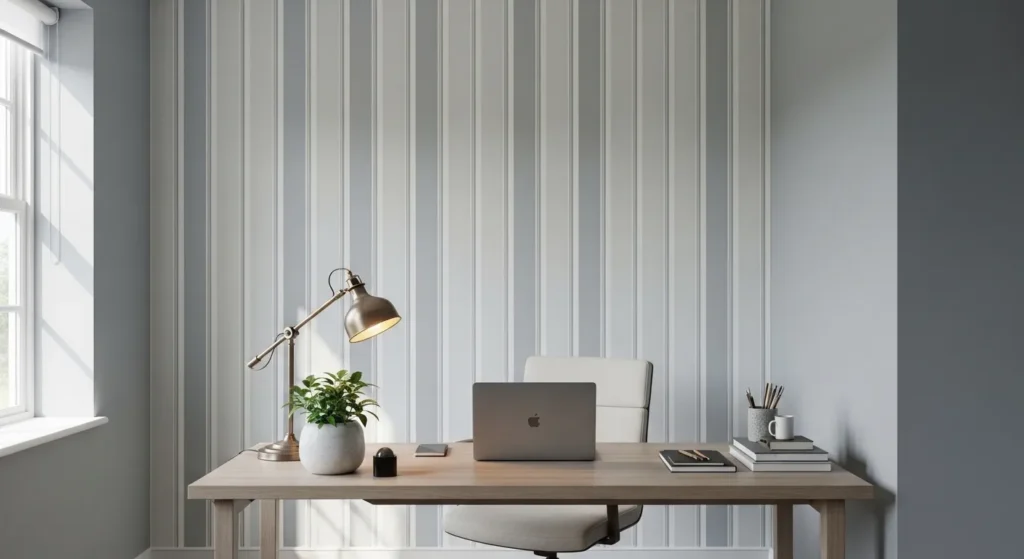
Vertical or horizontal stripes can be paired with coordinating paint to enhance visual flow. Choose a paint color pulled from the wallpaper to create seamless integration.
This approach adds dimension and height perception to a room while maintaining balance. Stripes combined with complementary paint create a polished, cohesive look that elevates any interior style.
4. Painted Ceiling with Wallpapered Walls
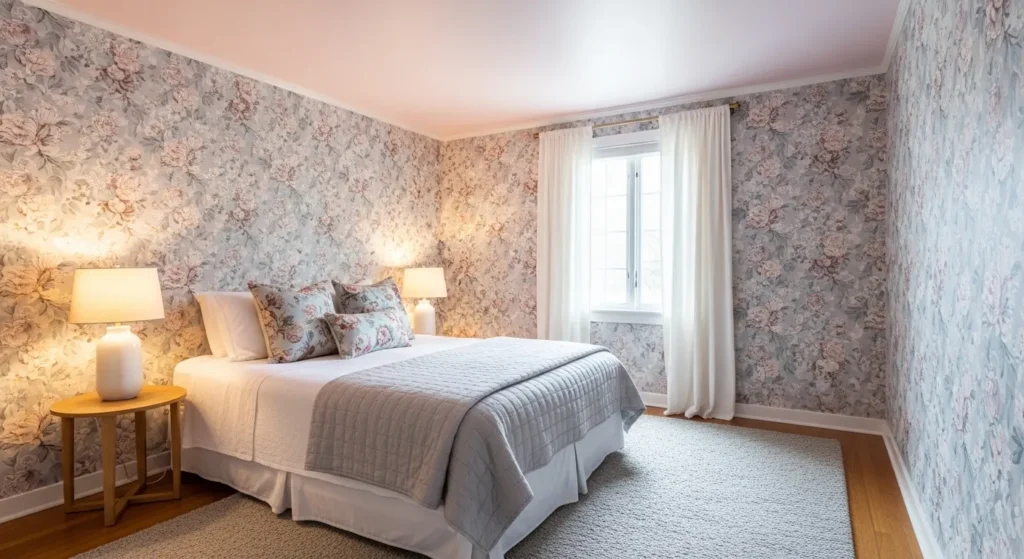
For dramatic effect, wallpaper walls and paint the ceiling in a coordinating tone. This draws the eye upward and creates a layered, sophisticated ambiance.
Choose a ceiling color from the wallpaper palette to ensure harmony. This technique highlights architectural features and adds depth without overcrowding the room with patterns or color.
5. Wallpapered Niche with Painted Surrounding Walls
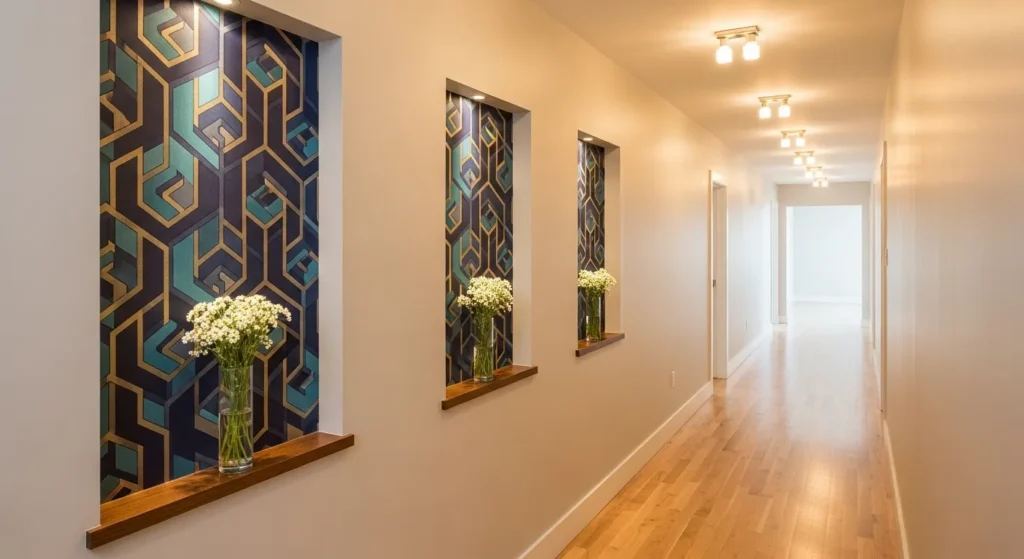
Use wallpaper inside niches, alcoves, or behind built-in shelving. Paint the surrounding walls a neutral tone to balance the pattern and prevent visual overload.
This creates a focal point and adds depth to the room. It’s perfect for entryways, living rooms, or bedrooms where subtle texture and interest are desired without overwhelming the space.
6. Painted Panels Framed by Wallpaper
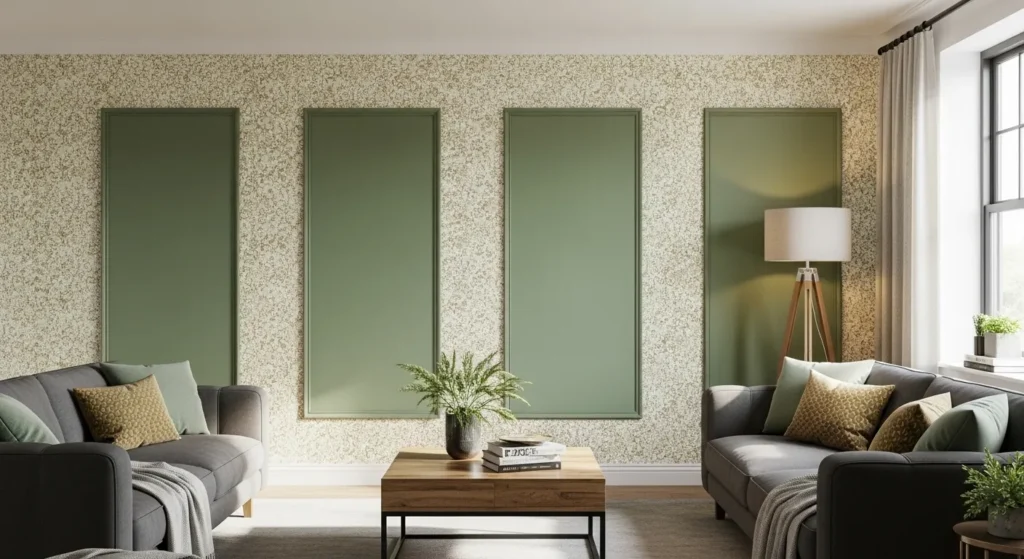
Paint sections of the wall in a solid color and frame them with wallpaper borders. This adds structure and visual rhythm, combining both elements elegantly.
Choose complementary colors and patterns to maintain cohesion. Painted panels framed by wallpaper highlight architectural features while giving the room a polished, designer-inspired appearance.
7. Ombre Wallpaper with Neutral Paint
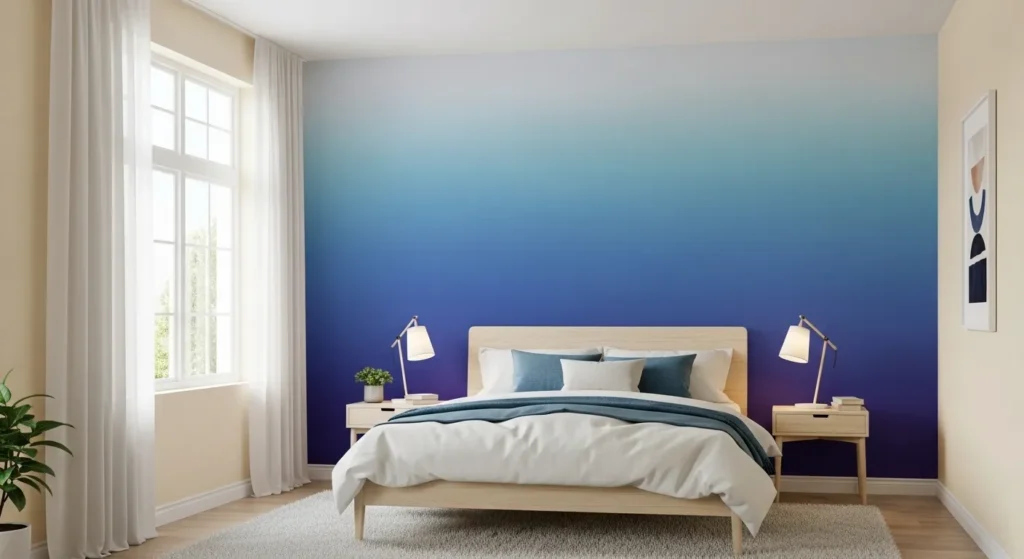
Ombre or gradient wallpapers transition smoothly between shades. Pair with neutral paint to avoid visual chaos while letting the wallpaper stand out.
This approach adds drama and sophistication. Soft paint ensures the space feels calm and cohesive, making the room inviting without overwhelming the senses.
8. Wallpaper Border with Painted Walls
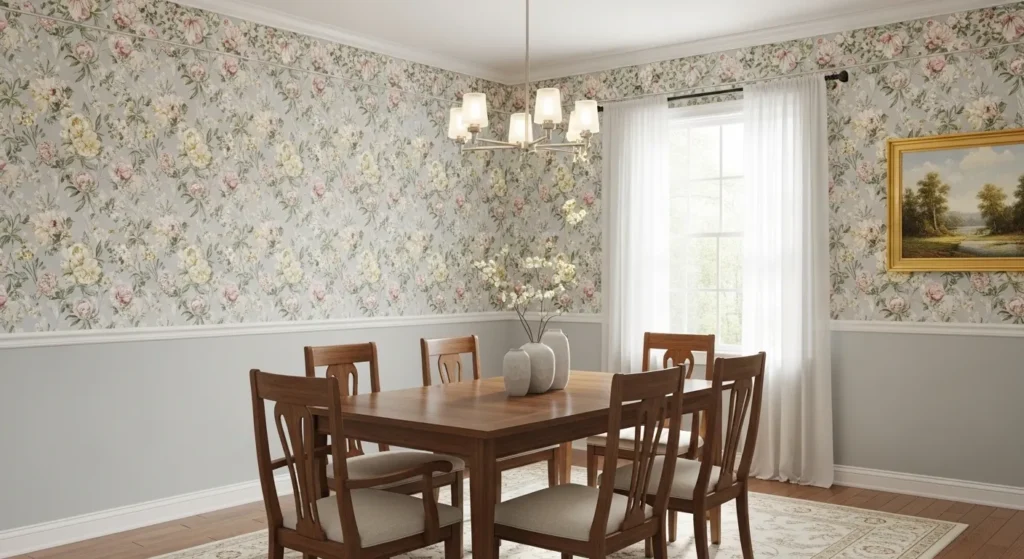
A subtle wallpaper border at the ceiling or mid-wall adds charm without dominating the space. Paint the majority of walls in a complementary neutral color for balance.
This method works well in small rooms or traditional interiors. It introduces pattern and personality while keeping the overall design clean, versatile, and easy to update over time.
9. Feature Behind Furniture
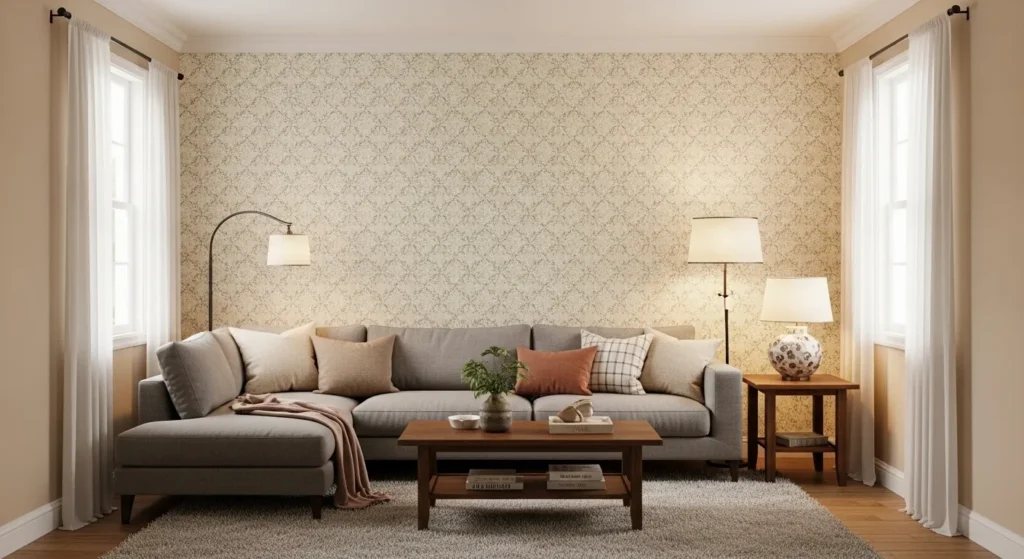
Wallpapering the wall behind a sofa, bed, or console table creates a focal point. Paint the remaining walls a soft neutral to prevent distraction and maintain cohesion.
This method draws attention to key furniture while using paint to provide balance. It enhances the room’s depth and ensures patterns do not overwhelm the space visually.
10. Paint to Pick Up Wallpaper Colors
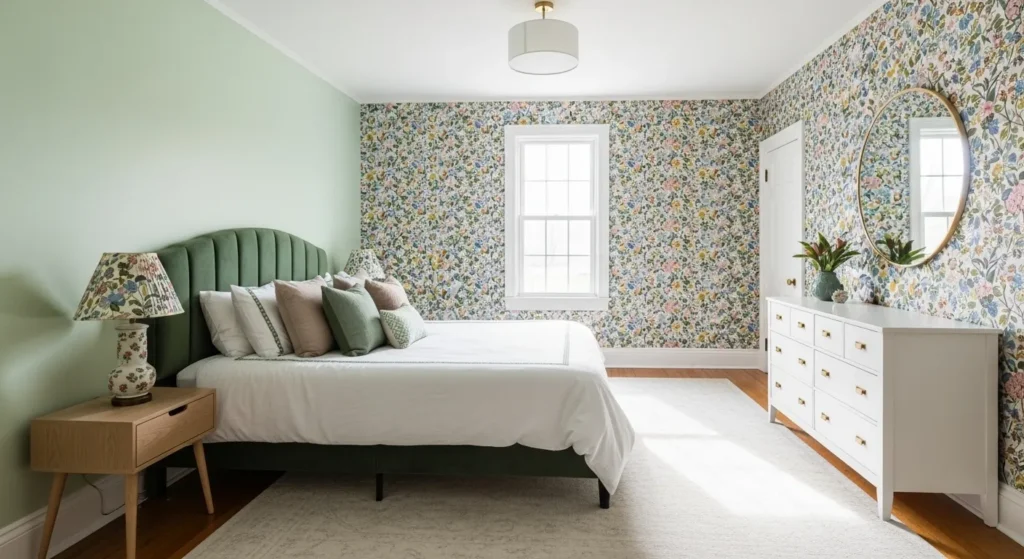
Use paint to highlight one of the wallpaper’s colors on adjacent walls. This unifies the room and prevents pattern overload while emphasizing color harmony.
Selecting a complementary shade ensures balance, making the space feel intentional, connected, and aesthetically pleasing. It’s an easy way to create cohesion while allowing wallpaper to remain the standout element.
11. Wallpaper Behind Shelving with Painted Surrounds
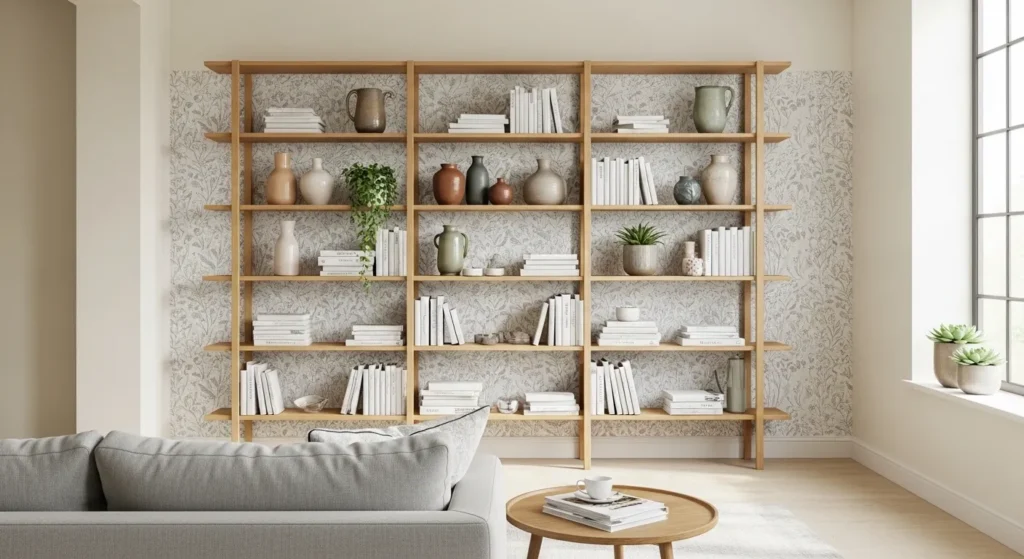
Adding wallpaper behind bookshelves or display units creates depth and interest. Painting the surrounding walls a neutral shade ensures the focus stays on the shelving feature without overwhelming the room.
This method works for living rooms, offices, or bedrooms. The contrast between patterned wallpaper and soft paint highlights decorative objects, making the space feel curated, dynamic, and visually layered while maintaining balance.
12. Painted Trim Around Wallpaper
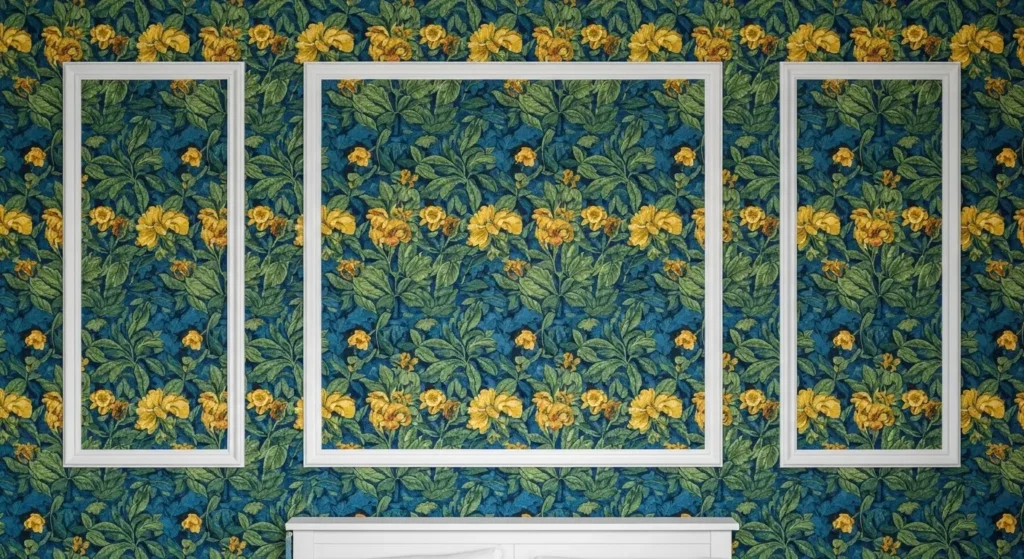
Frame wallpaper panels with painted trim or molding to add structure. This technique gives a polished, high-end feel, separating pattern from plain walls effectively.
Choose trim colors that complement both wallpaper and room décor. This approach emphasizes elegance, adds visual rhythm, and prevents wallpaper from feeling chaotic or too busy.
13. Two-Tone Walls with Wallpaper Accents
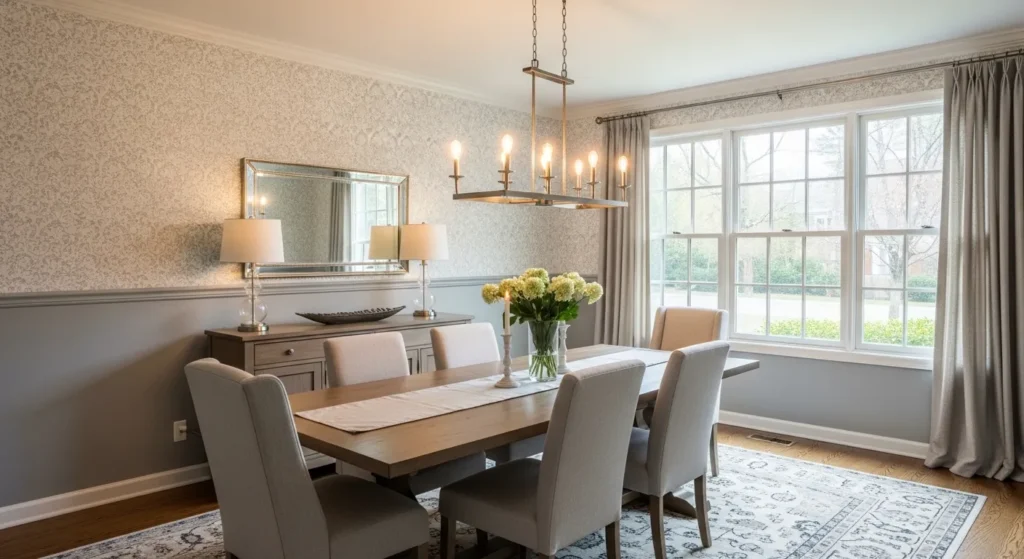
Combine two-tone paint with wallpaper accents to differentiate zones or highlight architectural features. Paint the larger portion in a neutral hue and add patterned wallpaper on smaller areas for emphasis.
This method adds dimension and sophistication. It creates a well-balanced room where wallpaper enhances the space rather than competing with it, making interiors feel layered and thoughtfully designed.
14. Wallpapered Fireplace Surround with Painted Walls
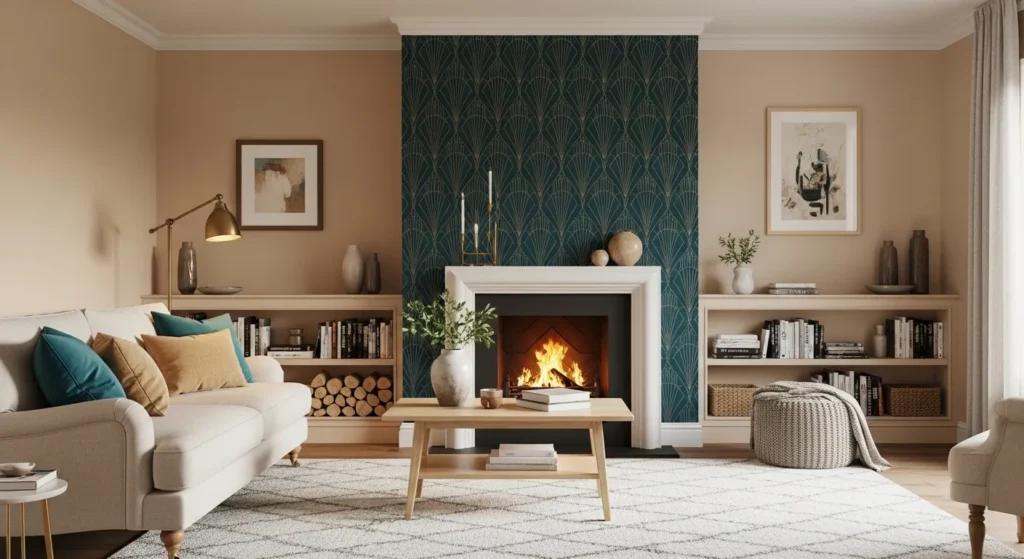
Using wallpaper on fireplace surrounds creates a dramatic focal point. Paint the remaining walls in neutral or complementary tones to balance the intensity of the pattern.
This approach draws attention to the room’s architectural feature while keeping the rest of the space calm and cohesive. It’s perfect for living rooms seeking a mix of personality and elegance.
15. Half-Wall Wallpaper Panels with Coordinating Paint
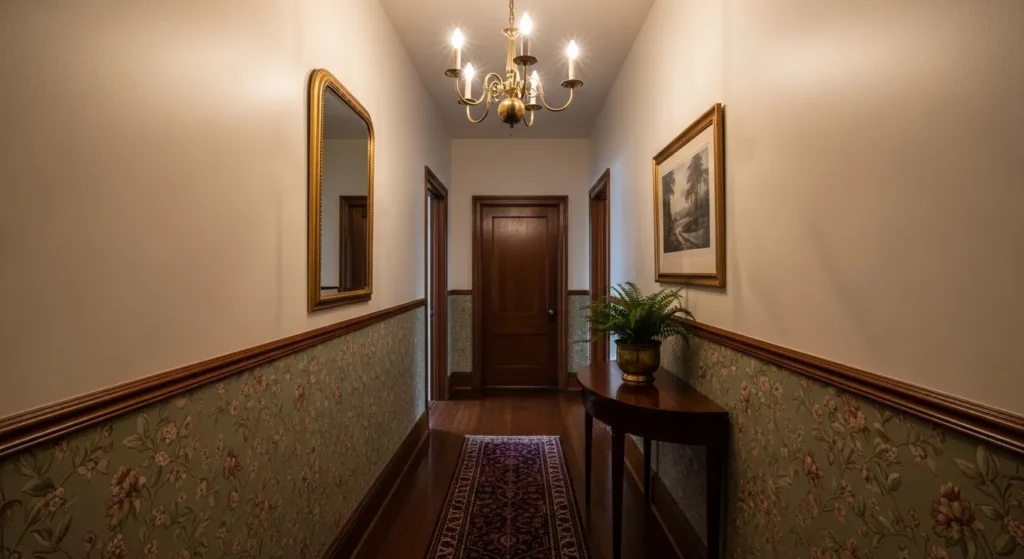
Create sections of wallpaper framed by painted walls to add rhythm and texture. Half-wall panels prevent the room from feeling visually busy while still introducing personality.
Pair with complementary paint to ensure harmony. This technique works well in hallways, bathrooms, or small rooms, combining elegance with practical simplicity while maintaining balance.
16. Wallpapered Door or Cabinet Fronts
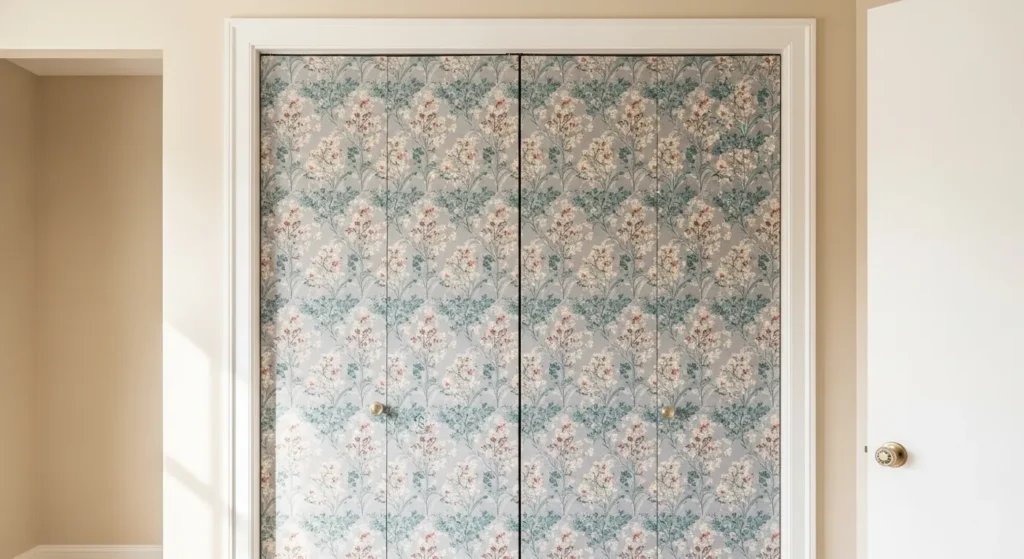
Apply wallpaper to doors or cabinet fronts while painting surrounding walls neutral. This adds subtle pattern and interest without dominating the room.
It’s perfect for storage-heavy spaces where you want a touch of personality. The contrast between wallpapered furniture and painted walls creates dimension and a unique, curated look.
17. Geometric Wallpaper Accents with Painted Background
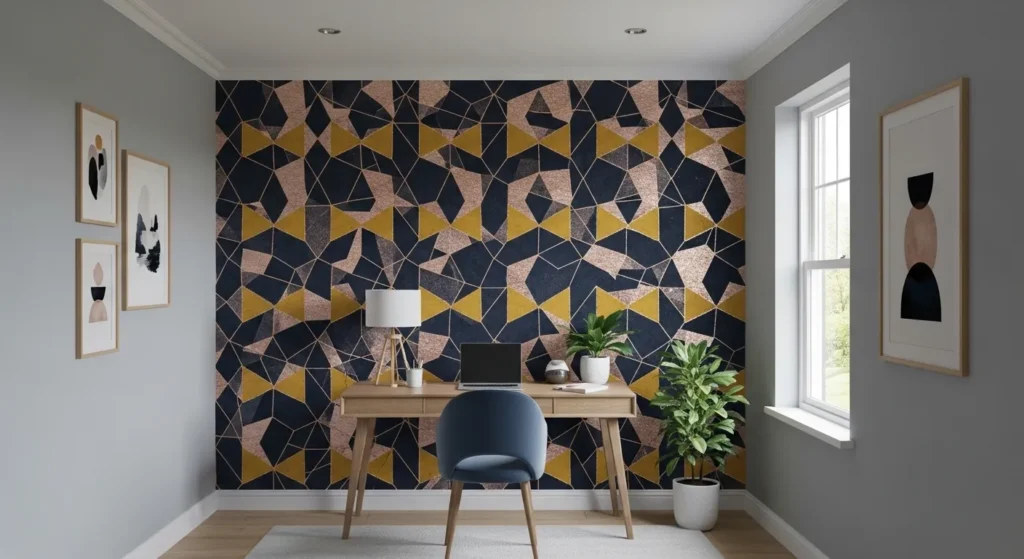
Geometric patterns can be used on sections of a wall while painting the rest of the room a neutral tone. This emphasizes the shapes while maintaining calm balance.
Use this technique to highlight workspaces, seating areas, or entryways. It adds energy and structure while ensuring the overall design remains cohesive and stylish.
18. Wallpapered Alcoves with Painted Surround
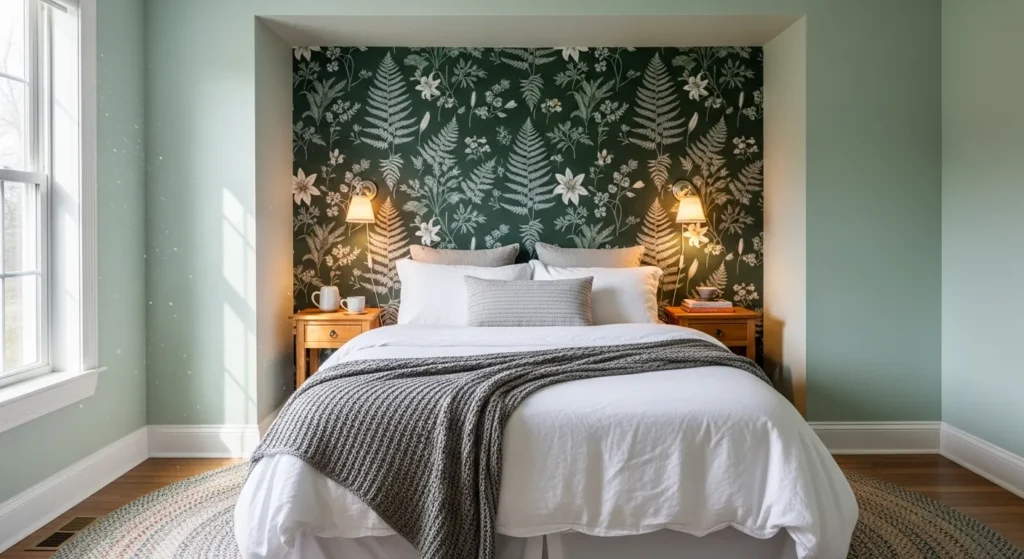
Alcoves or recessed wall areas provide a perfect spot for wallpaper accents. Paint the surrounding walls in a coordinating neutral to enhance depth and prevent visual clutter.
This method creates a subtle focal point that adds personality and texture. It’s ideal for small bedrooms or living rooms, giving the space dimension without overwhelming the senses.
19. Striped Wallpaper with Complementary Paint
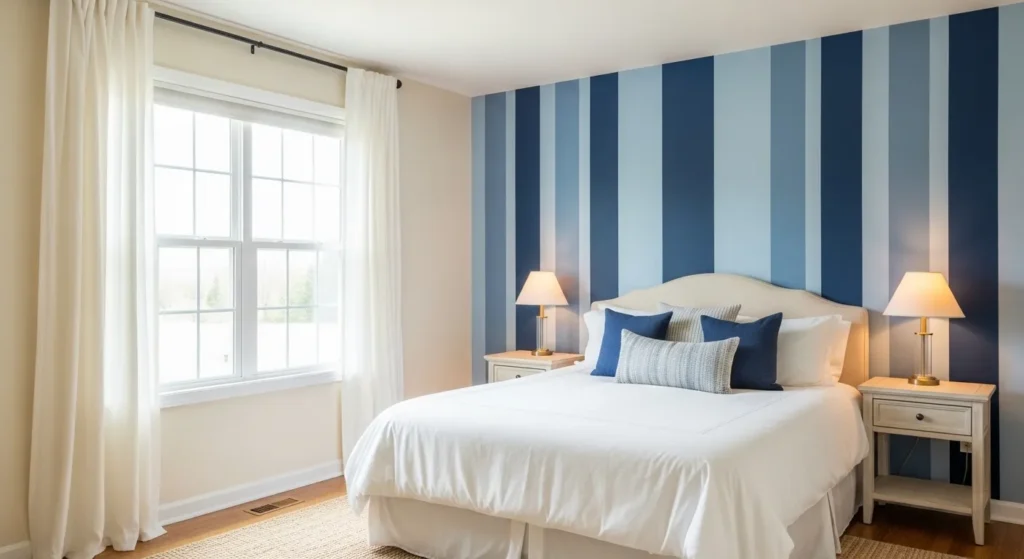
Stripes add height and movement while paint keeps the room grounded. Use paint drawn from the wallpaper palette for cohesion.
This technique balances visual interest and calm. It enhances room proportions and creates a sophisticated, dynamic backdrop that works in both modern and traditional interiors.
20. Patterned Wallpaper Behind Bed with Painted Side Walls
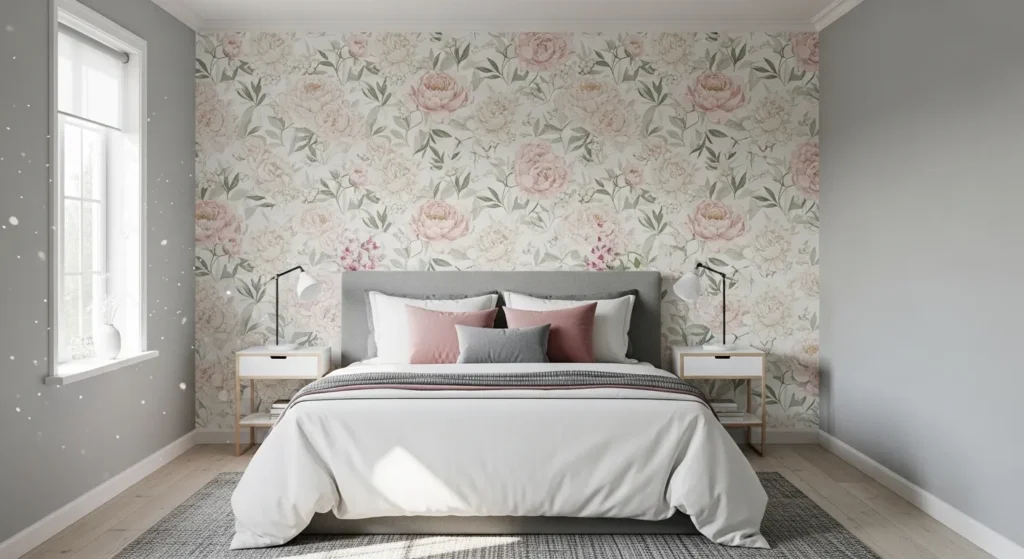
Using wallpaper behind the bed as a statement wall creates a focal point while painted side walls maintain calm and cohesion.
This balances bold pattern with neutral tones, ensuring the room feels restful yet stylish. It’s a practical way to combine wallpaper and paint without overwhelming the senses.
Conclusion
Mixing wallpaper and paint allows homeowners to express creativity, add texture, and highlight architectural features. By balancing patterns with neutral paint, rooms feel layered, dynamic, and visually appealing.
Using wallpaper selectively—on accent walls, panels, niches, or furniture—prevents visual overload, while complementary paint ensures cohesion. Thoughtful combinations create spaces that are both stylish and functional, enhancing mood and personality in any room.
When approached with planning and care, mixing wallpaper and paint elevates interiors, creating rooms that feel curated, sophisticated, and perfectly balanced. This method opens endless design possibilities while maintaining harmony throughout the space.
FAQs
Can wallpaper and paint be mixed in the same room?
Yes, using complementary tones and selective placement creates balance and visual interest.
Where should wallpaper be applied for best effect?
Accent walls, niches, behind furniture, or panels work best to highlight features without overwhelming the room.
What paint colors work best with patterned wallpaper?
Neutral or soft shades pulled from the wallpaper palette ensure cohesion and harmony.
Can bold wallpaper be used in small rooms?
Yes, when paired with neutral paint on surrounding walls, it adds interest without making the space feel cramped.
How do I choose where to use wallpaper versus paint?
Focus wallpaper on focal points or small sections and use paint for larger areas to maintain balance and cohesion.