
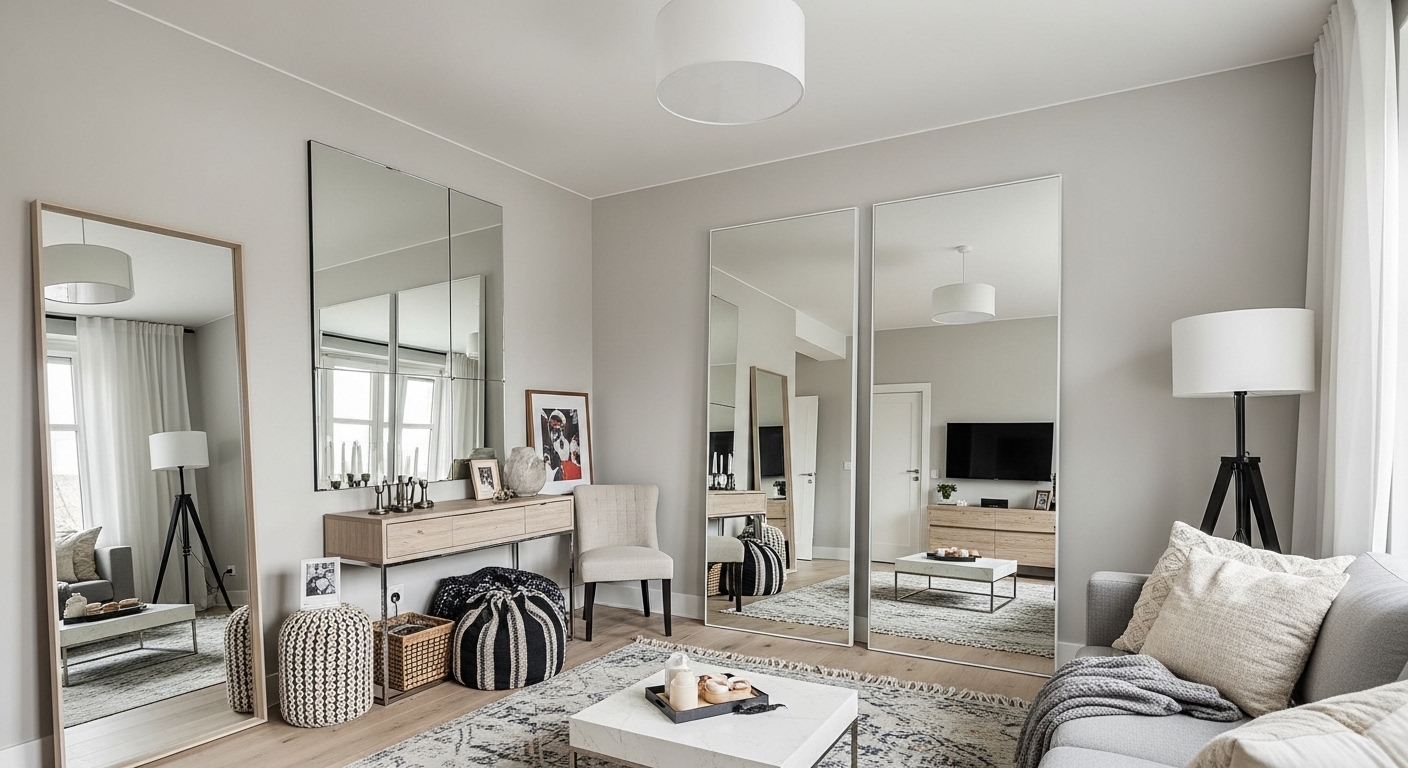
Small rooms can feel cramped, dim, and uninspiring, leaving many people frustrated with their space. Furniture placement, poor lighting, or awkward layouts often make rooms appear smaller than they are. But with the right approach, even the tiniest room can feel expansive, bright, and inviting.
These 24 mirror tricks will give you plenty of inspiration to rethink your space. Whether you want subtle optical illusions, bold decorative statements, or practical placements, these ideas will help you make any room feel bigger, brighter, and beautifully balanced.
1. Full-Length Mirror Against a Wall
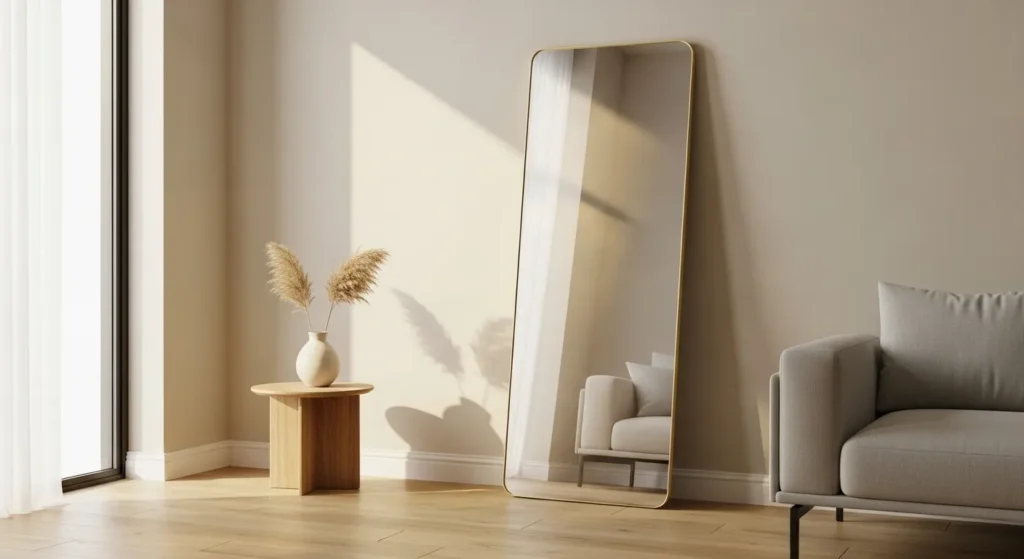
A full-length mirror placed against a wall instantly elongates a room, making it feel taller and more spacious. Its vertical presence draws the eye upward, creating the illusion of height and elegance. In living rooms or narrow hallways, a full-length mirror reflects natural light from windows or adjacent lamps, doubling brightness in small spaces.
When choosing a frame, opt for simple, clean lines in neutral tones so the mirror blends with the existing decor rather than overpowering it. Leaning it slightly against the wall gives a casual yet sophisticated feel, making even the smallest room appear airy and inviting.
2. Mirrored Wall Panels
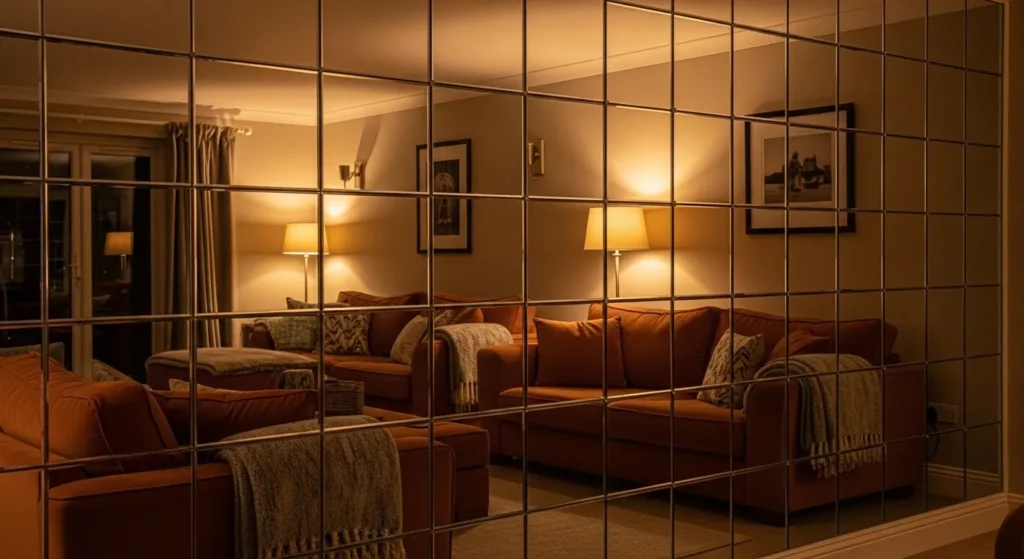
Mirrored wall panels create a sense of depth and dimension that single mirrors cannot. They work particularly well on small walls where adding furniture isn’t an option. By reflecting both light and room elements, mirrored panels give the illusion of double the space, making rooms feel expansive and open.
Choose panels with minimal frames to maximize the effect or slightly distressed frames for a vintage charm. This technique is ideal for living rooms, dining areas, or entryways where you want to combine utility and style while amplifying both light and visual space.
3. Mirrors Opposite Windows
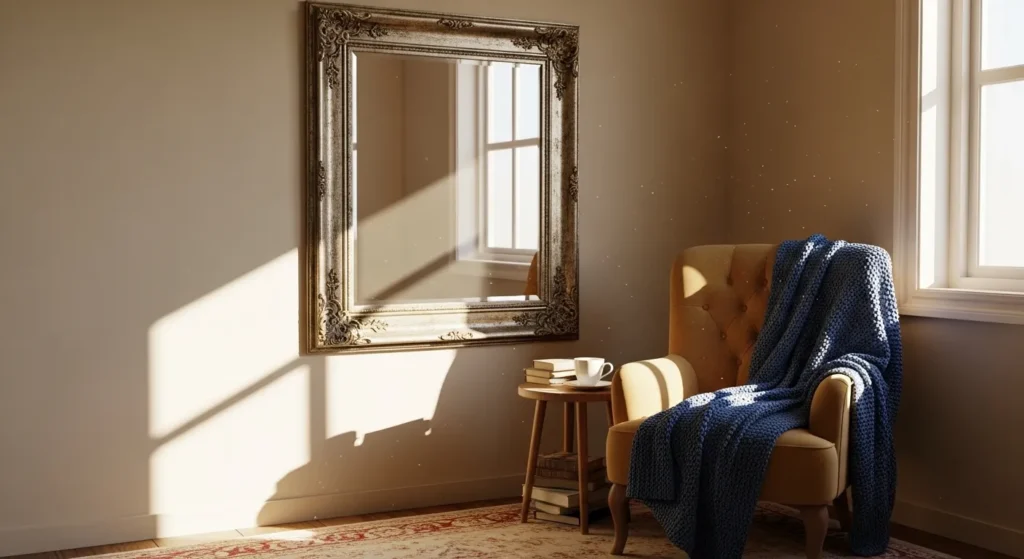
Placing a mirror directly opposite a window amplifies natural light and visually expands the room. Sunlight bounces off the mirror, creating a bright, airy feel even in rooms with limited exposure. This trick works for small living rooms, bedrooms, or kitchens where light is at a premium.
Choose a mirror size proportional to the wall to avoid overwhelming the space. Pairing it with simple decor ensures the reflected light spreads evenly. By reflecting the outside view, this setup also creates a feeling of openness and continuity, making small spaces feel connected to the outdoors.
4. Mirrored Furniture Accents
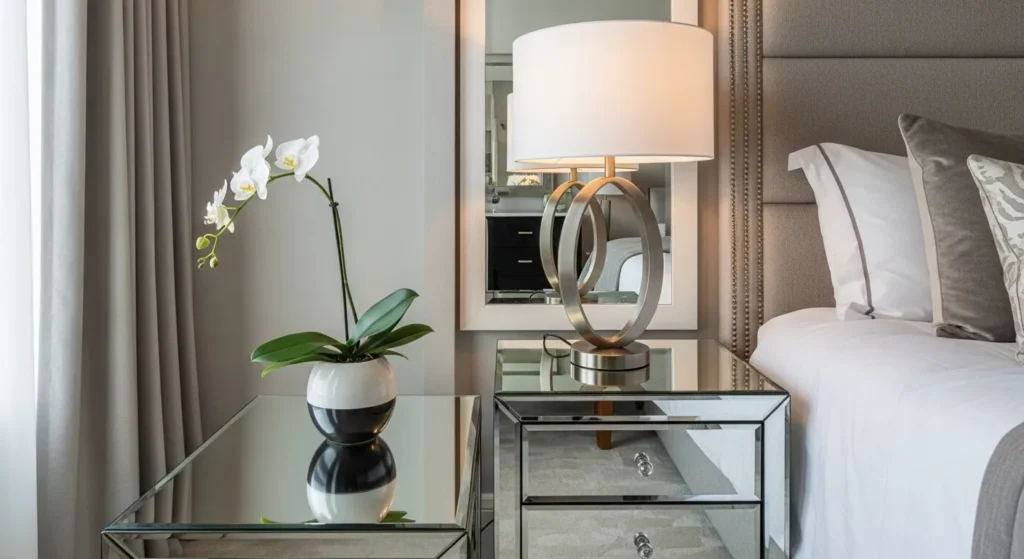
Mirrored furniture, such as side tables or cabinets, subtly multiplies visual space without adding wall clutter. Their reflective surfaces bounce light and add depth to corners that typically feel tight. This is perfect for small bedrooms or compact living rooms where adding larger mirrors isn’t feasible.
Choose sleek, minimalist designs to keep the look modern, or vintage-inspired mirrored furniture for a glam touch. By reflecting surrounding decor, mirrored furniture pieces create a layered effect that makes rooms feel larger and more dynamic while doubling as functional storage or surfaces.
5. Decorative Round Mirrors
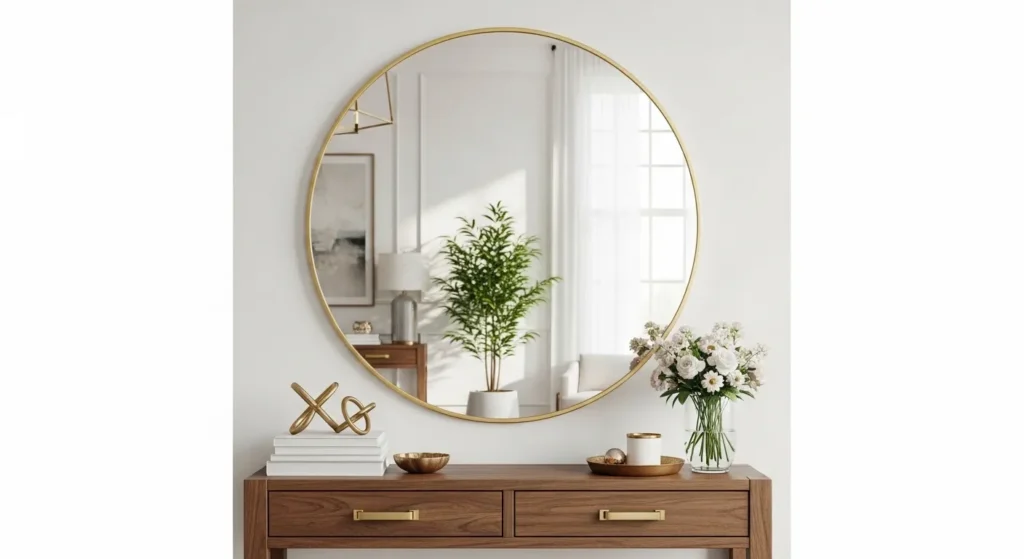
Round mirrors soften angular spaces and create a focal point that draws attention while visually expanding the room. Unlike rectangular mirrors, the circular shape adds flow and movement, preventing a small room from feeling boxed in. Perfect for entryways, bedrooms, or above sofas, round mirrors work as both art and function. Thin frames in metallic or neutral tones keep the look light and airy.
Placing them strategically above furniture reflects space and light, subtly tricking the eye into perceiving more depth, while also adding a stylish statement that complements your existing decor.
6. Gallery Wall of Small Mirrors
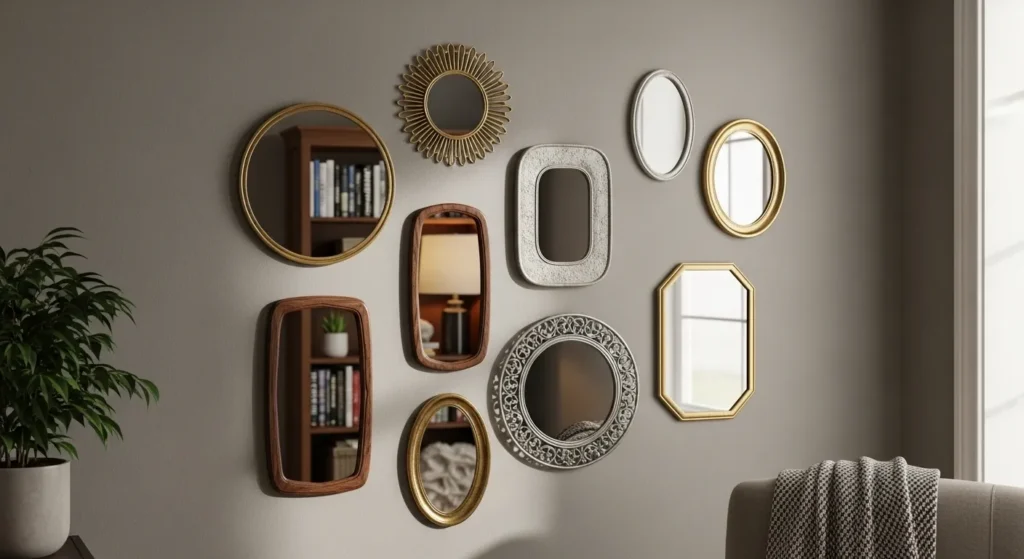
A collection of small mirrors arranged as a gallery wall creates visual interest while amplifying light and space. The irregular arrangement encourages the eye to move across the wall, creating the illusion of a wider, more dynamic room. Perfect for narrow hallways, bathrooms, or compact living rooms, this approach allows flexibility—you can rotate frames or add more mirrors over time.
Frames can vary in color, texture, and style, giving the wall personality. This setup works because multiple points of reflection multiply the perceived space, making the room feel both curated and larger without any structural changes.
7. Leaning Mirrors on Floors
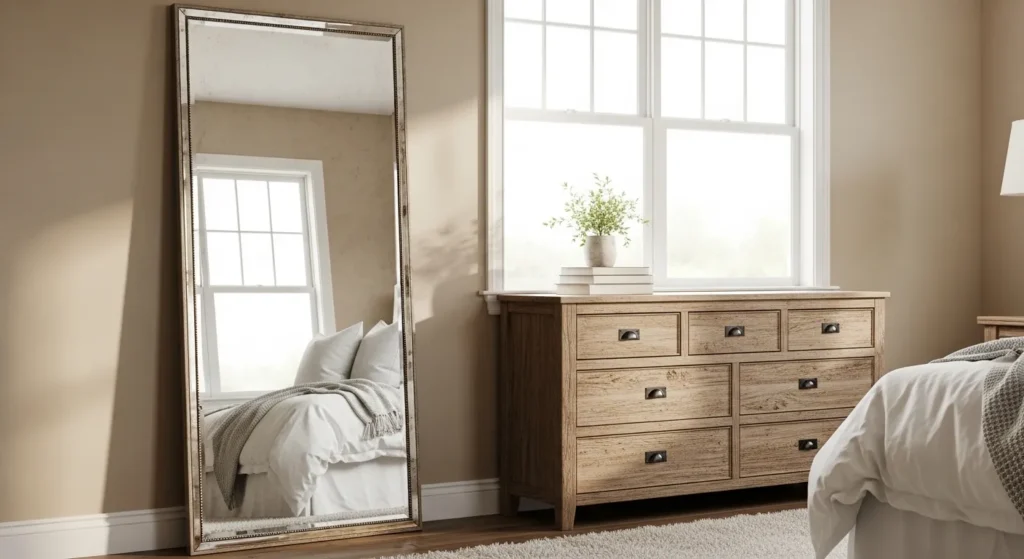
Leaning a large mirror on the floor creates a casual, relaxed look while making rooms appear taller. Unlike wall-mounted mirrors, floor mirrors can be moved easily, allowing you to experiment with placement. They work particularly well in small bedrooms or living rooms where wall space is limited.
The reflection of ceiling height and window light tricks the eye into perceiving more space. Choose a slim, minimalist frame to keep the focus on the reflection rather than the frame itself. Leaning mirrors also encourage layering with rugs or furniture for a cozy, lived-in feel.
8. Mirrors Above Headboards
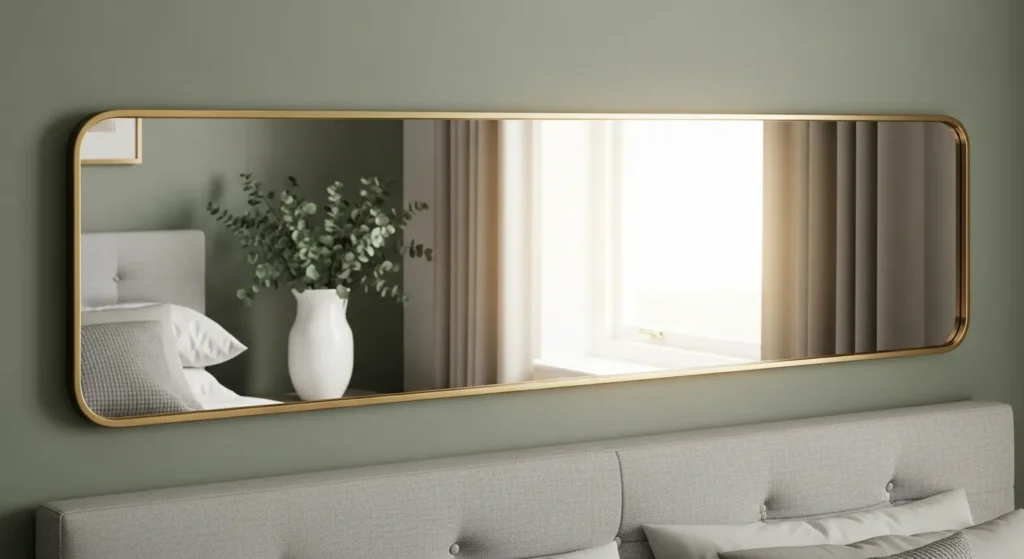
Placing a mirror above the bed’s headboard draws the eye upward, making the ceiling appear higher. It reflects light from lamps or windows, adding brightness to small bedrooms. Horizontal mirrors work best for this setup, extending the perceived width of the wall and visually opening up the space.
This is ideal for compact master or guest bedrooms, where traditional storage might make the room feel cramped. Decorative framing or beveled edges can add elegance without bulk. By strategically reflecting light and space, headboard mirrors make small rooms feel stylish, airy, and significantly larger.
9. Mirrors on Cabinet Doors
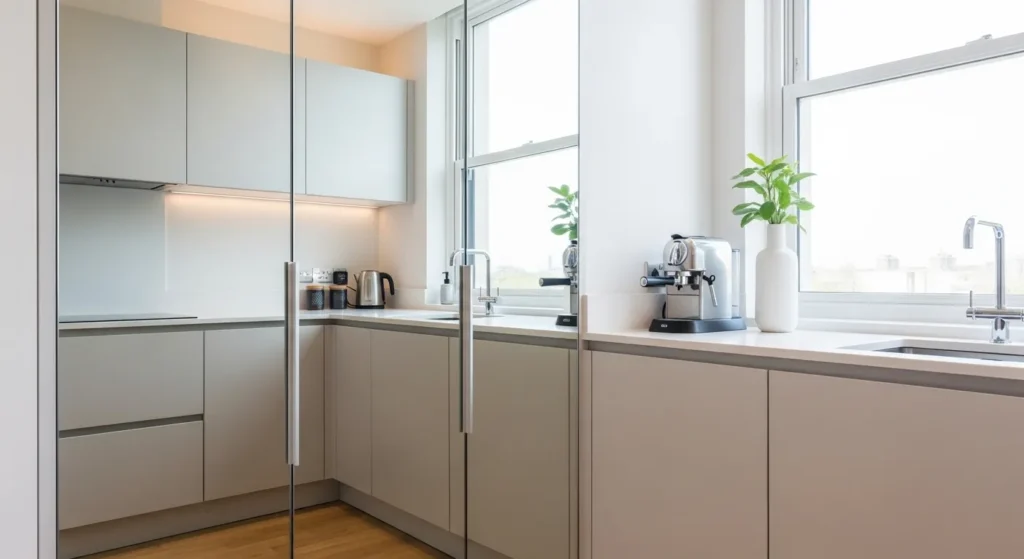
Adding mirrors to cabinet doors instantly doubles the visual space in small kitchens. The reflective surface creates the illusion of depth while brightening the area by bouncing light across the room. This works particularly well in kitchens with limited wall space, where traditional mirrors aren’t an option.
To implement, choose lightweight mirror panels that can adhere securely to cabinet fronts without damaging them. You can also use mirrored adhesive sheets for a removable solution.
Extra tip: Coordinate handles and fixtures in metallic finishes to enhance the reflective effect and maintain a sleek, modern aesthetic.
10. Mirrored Closet Doors
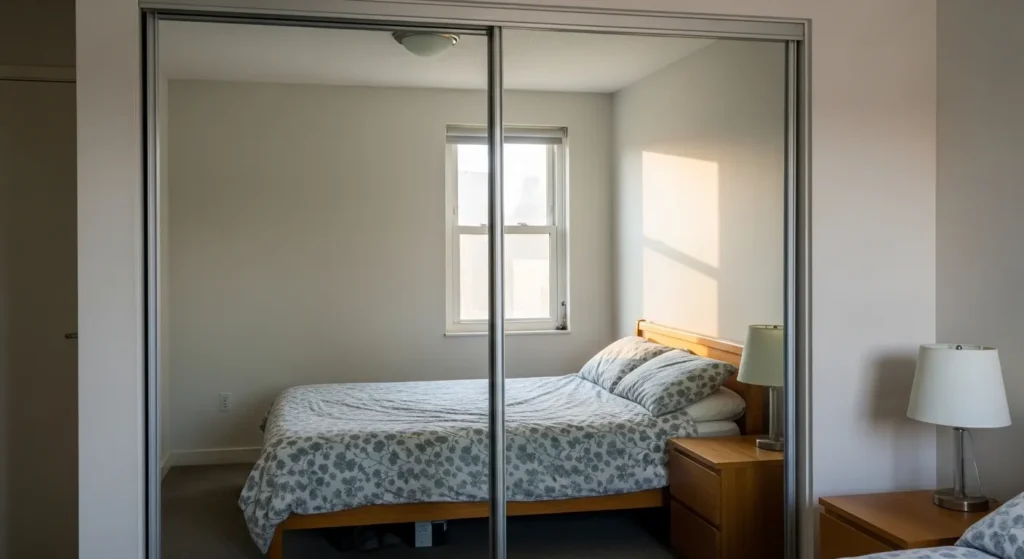
Mirrored closet doors are a practical way to make bedrooms feel larger. They eliminate the need for additional floor mirrors and visually expand the room by reflecting furniture and light. This technique works well for compact spaces where every square foot matters.
Sliding mirrors save space compared to traditional doors, and the continuous reflection doubles the perceived area of the room. When implementing, ensure mirrors are installed securely and align perfectly to avoid distortion.
Extra tip: Keep the reflected area tidy; cluttered reflections can reduce the illusion of space and make the room feel busy.
11. Mirrored Backsplash
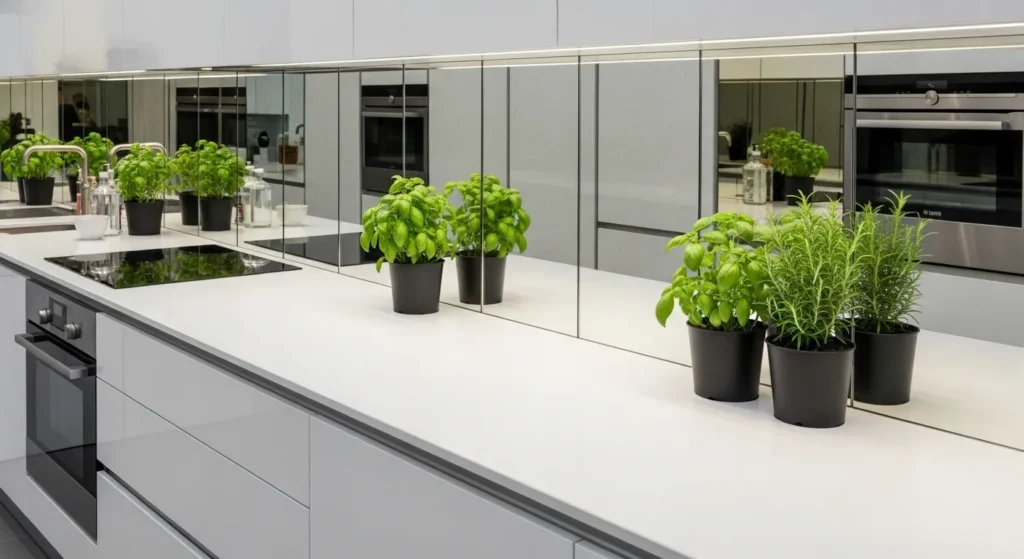
A mirrored backsplash in a small kitchen instantly creates depth and amplifies light. It transforms a narrow or enclosed kitchen into a more open, airy space. This works because the reflective surface visually extends the walls while highlighting counter decor.
To implement, use tempered glass or mirrored panels for safety and durability. Clean regularly to maintain sparkle, especially around cooking areas.
Extra tip: Pair the mirrored backsplash with minimalistic countertop decor to avoid visual chaos; the reflection works best when it highlights light and subtle textures rather than clutter.
12. Mirrored Room Divider
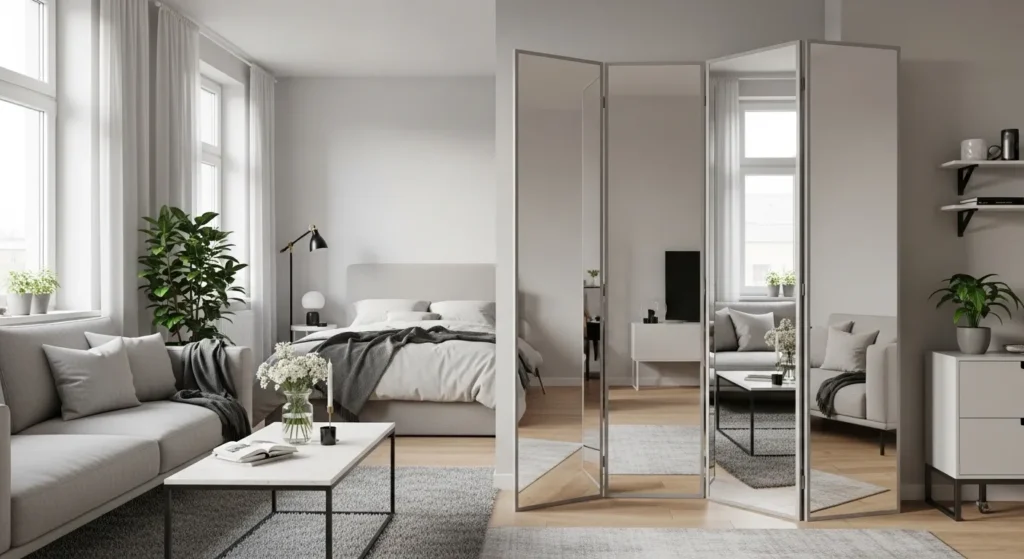
A mirrored room divider separates zones without closing off the space. It works particularly well in studio apartments or open-concept small homes, as the reflection tricks the eye into thinking the room continues beyond the divider.
Implement by selecting a lightweight folding screen or modular mirrored panels that can be repositioned. This technique adds both function and style, creating a flexible and visually expansive environment.
Extra tip: Position the divider to reflect windows or artwork, enhancing the sense of depth and making the mirrored surface a design feature rather than just a utility.
13. Over-the-Sofa Mirrors
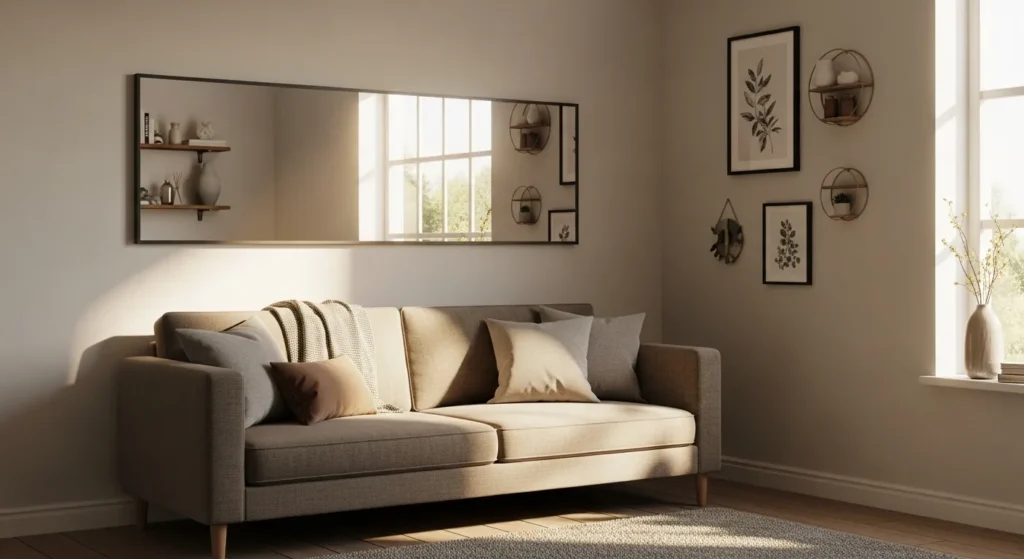
Placing a mirror above a sofa expands the wall visually and adds a focal point to a compact living area. Horizontal mirrors in particular make small living rooms feel wider and balanced. This works because the eye is drawn along the reflected surface, giving the impression of a larger room.
Implementation involves securing the mirror at eye level while leaving enough space between the sofa and the frame.
Extra tip: Choose a simple frame that complements your room decor; ornate frames can overpower small walls, while minimal designs enhance openness and elegance.
14. Mirrored Floating Shelves
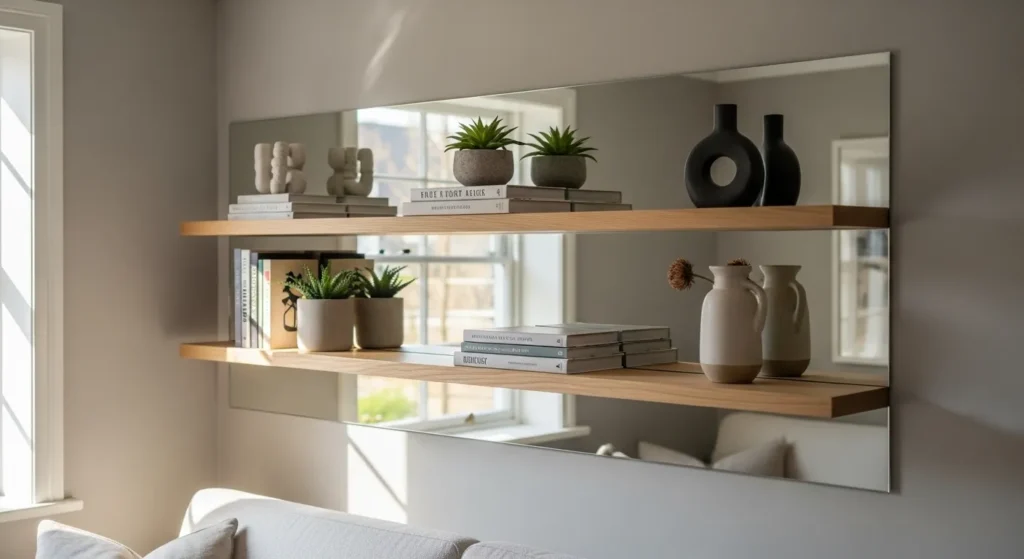
Floating shelves with mirrored backing create depth while serving as storage and display. The reflection doubles the visual space and highlights your decor pieces. This works well in small rooms where walls feel narrow or dim. Implementation involves either adding mirrored panels to the back of shelves or purchasing pre-made mirrored shelves.
Extra tip: Use neutral-toned decor to maximize the reflective effect; busy patterns can compete with reflections and reduce the illusion of space. The mirrored background ensures even small decorative items stand out while visually enlarging the wall.
15. Mirrors in Corners
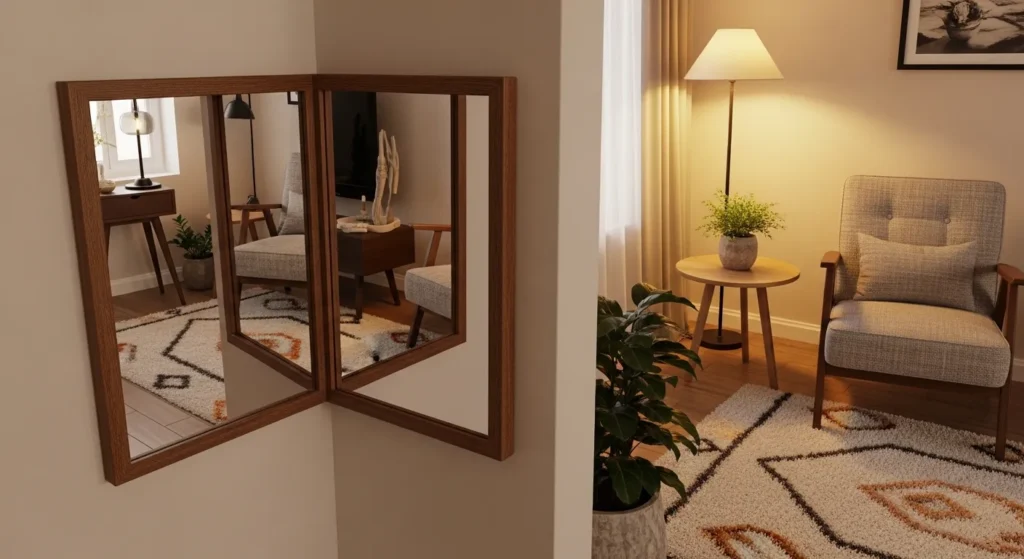
Corner mirrors take advantage of often-overlooked spaces, reflecting multiple walls and opening up tight areas. By placing a mirror at a 45-degree angle, you create a feeling of continuity and depth. This works especially well in narrow hallways or cozy living rooms. Implement by securing the mirror safely into the corner, ensuring edges are flush with the walls.
Extra tip: Choose frameless or slim-framed mirrors for small corners to avoid visual bulk. The reflection tricks the eye into perceiving both width and height, making the room feel larger without additional furniture.
16. Mirrored Trays on Tables
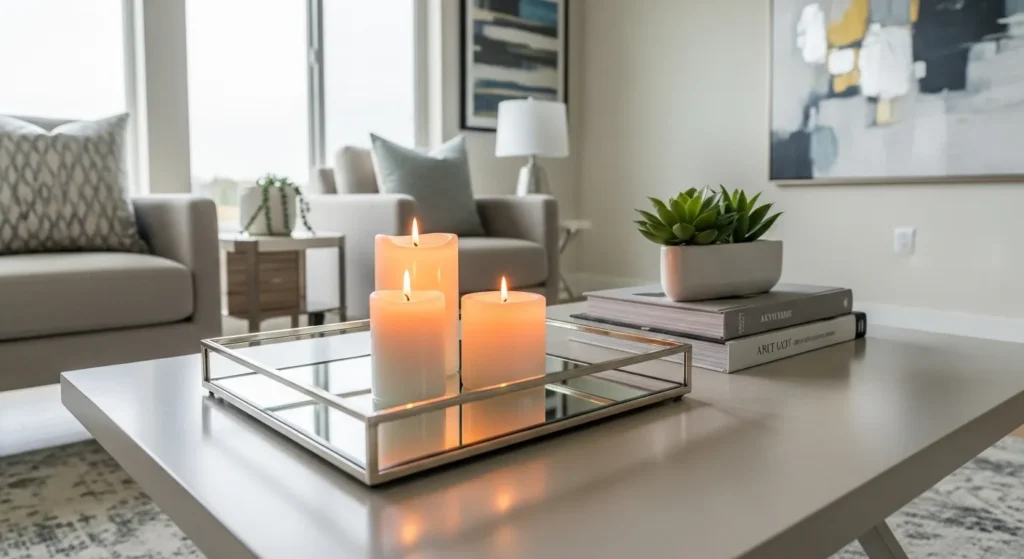
Mirrored trays on tables amplify light and create the illusion of depth in small rooms. They work by reflecting decorative objects, making surfaces appear more spacious and elegant. Implementation is simple: place a mirrored tray on a coffee table, side table, or dresser, then arrange candles, plants, or small decorative pieces on top.
Extra tip: Keep the arrangement minimal; too many objects can clutter the reflection. A mirrored tray doubles the impact of even a few decor pieces while adding a subtle, sophisticated glow to the room.
17. Mirrored Wall Art
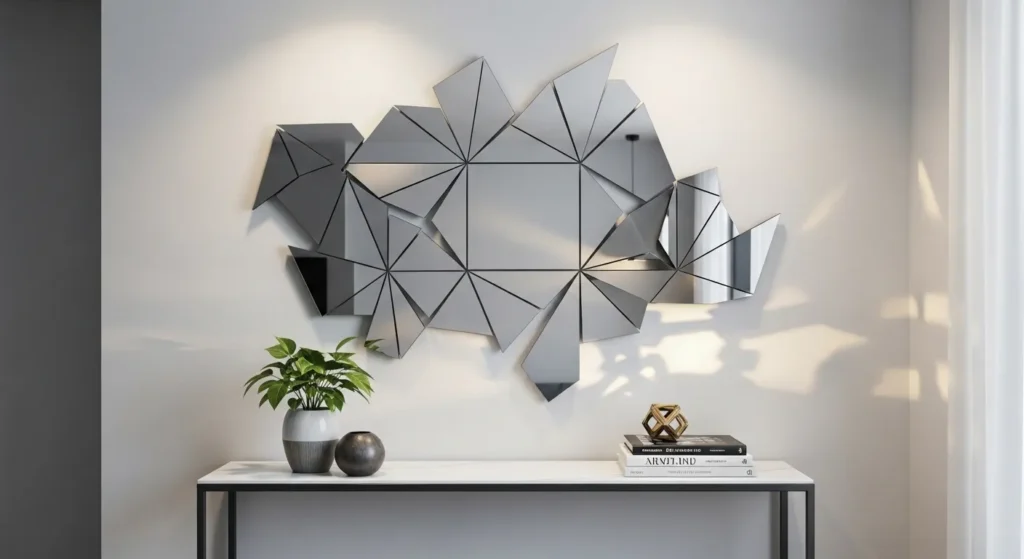
Mirrored wall art combines aesthetics with function, reflecting light and creating depth while acting as decor. Geometric or abstract designs add visual interest and complement compact spaces. This works because it captures light and reflections in multiple directions, making rooms feel larger and more dynamic. Implement by selecting pieces proportional to the wall size and mounting securely.
Extra tip: Pair mirrored art with simple, neutral furniture to let the reflections stand out. Layering mirrors with other reflective surfaces like metallic accents amplifies the sense of openness in a small room.
18. Ceiling Mirrors
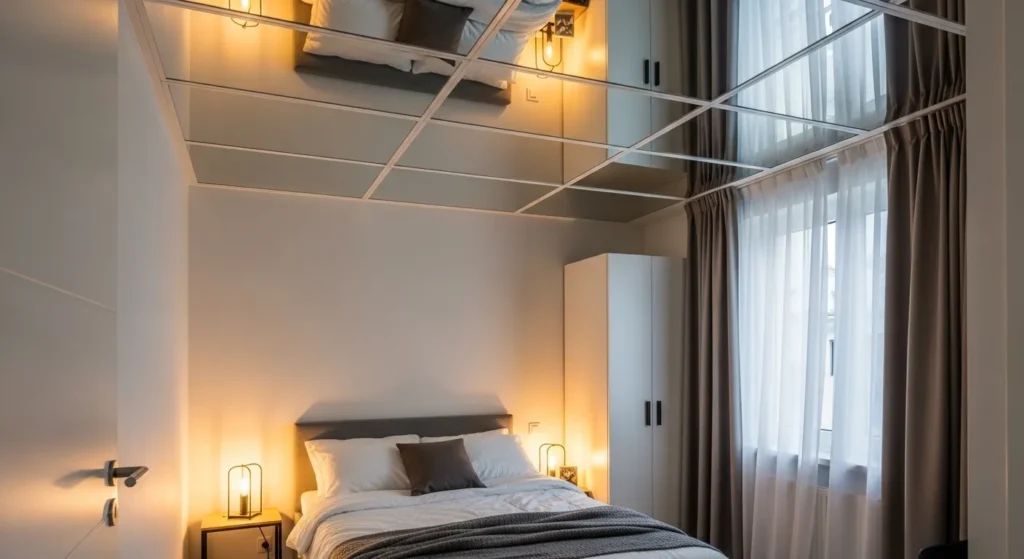
Mirrored ceiling panels or accents are a bold but effective way to make a small room feel airy. By reflecting the entire room, the ceiling appears higher, giving a sense of spaciousness and luxury. This works especially in compact bedrooms or dining areas. Implementation involves installing mirrored panels or subtle reflective finishes safely, ensuring they are secure.
Extra tip: Use soft lighting to avoid harsh glares, and keep ceiling reflections minimal to maintain a calm, elegant ambiance while dramatically increasing perceived room volume.
19. Mirrored Cabinets in Bathrooms
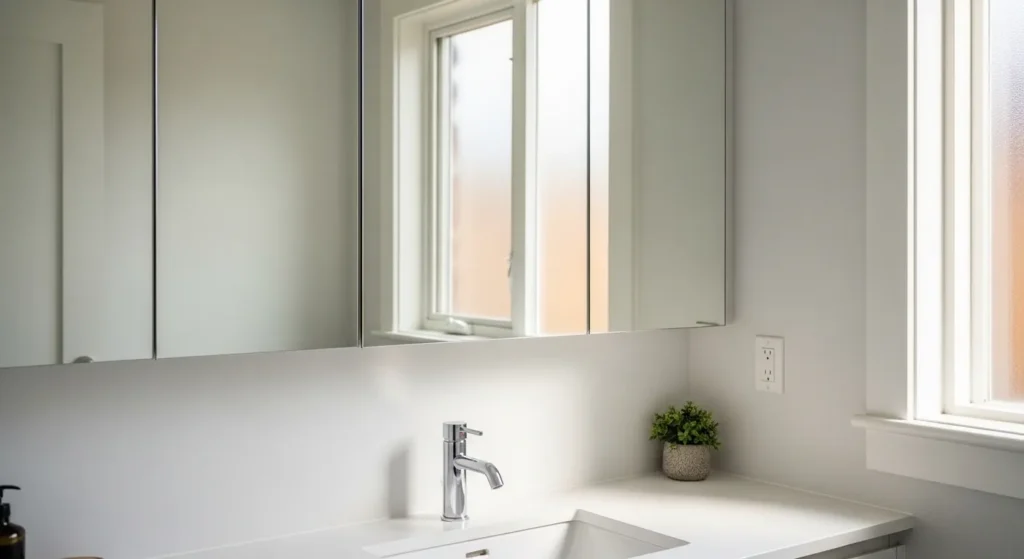
Mirrored cabinets in bathrooms increase the perception of space while providing practical storage. They reflect both light and surrounding walls, instantly making compact bathrooms feel larger. This works because every inch counts in small bathrooms, and reflective surfaces open up the room visually. Implement by choosing mirrored doors for cabinets or medicine cabinets, and ensure they align with fixtures.
Extra tip: Keep counter space clutter-free so reflections feel clean, enhancing the illusion of space. Mirrored cabinets combine functionality and design seamlessly, perfect for small or narrow bathrooms.
20. Mirrored Accent Wall
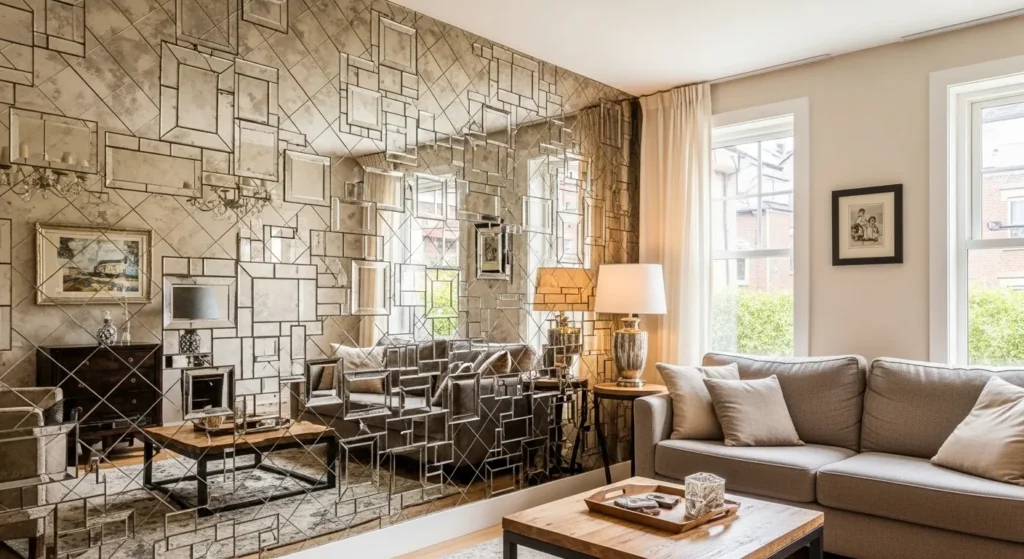
A mirrored accent wall creates a dramatic illusion of depth, doubling the perceived space of a room. It works especially well for compact living rooms or dining areas. Implementation involves carefully installing mirrored tiles or panels across one wall. Choose subtle beveling or decorative patterns to avoid harsh reflections.
Extra tip: Place light sources strategically to bounce light around the room. This technique transforms even tiny rooms into visually expansive spaces, creating a stylish focal point that combines functionality with bold, modern design.
21. Mirror with Decorative Frame
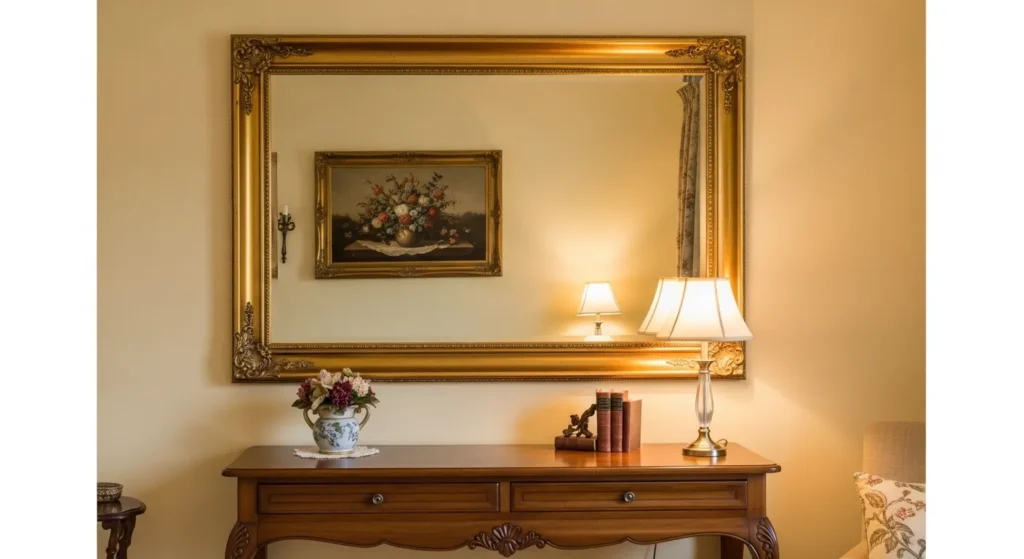
Decorative framed mirrors act as both art and optical enhancer. They expand space visually while adding a stylish focal point. This works because the frame draws attention to the mirror while complementing decor. Implementation involves selecting a frame that suits your room style—modern, classic, or rustic—and mounting it at eye level.
Extra tip: Pair with neutral walls for maximum visual impact. Even in small rooms, framed mirrors make the space feel elegant and open, balancing aesthetics with the illusion of larger dimensions.
22. Mirrors in Narrow Hallways
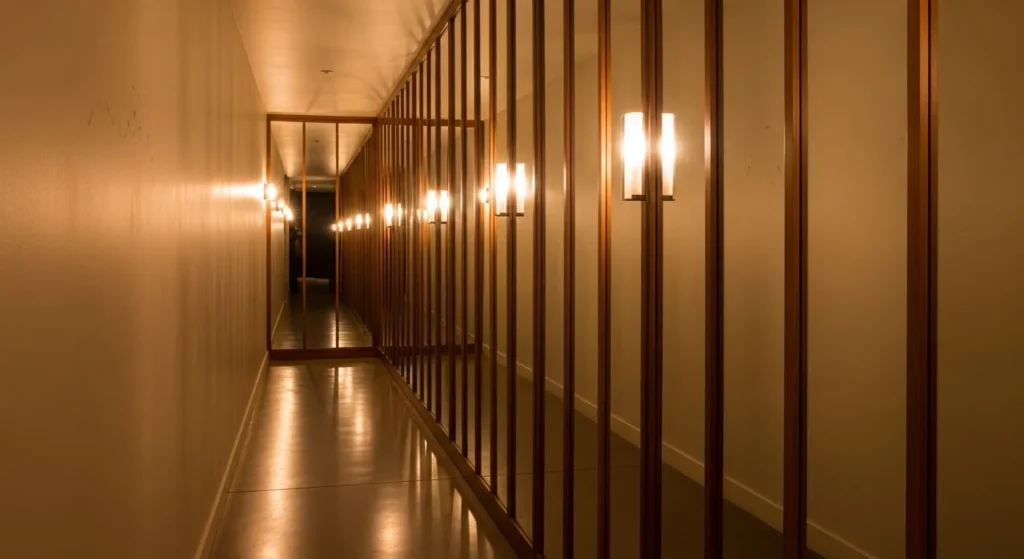
Mirrors in narrow hallways create the illusion of width and prevent the space from feeling claustrophobic. Slim vertical mirrors reflect walls and flooring, giving depth while keeping the corridor bright. This works in apartments or older homes with tight hallways. Implement by spacing mirrors evenly and aligning tops for cohesion.
Extra tip: Add a console table with mirrored accents for additional reflection. Properly placed mirrors can turn a confined hallway into a visually interesting and airy passageway, enhancing the overall sense of space in the home.
23. Layered Mirrors
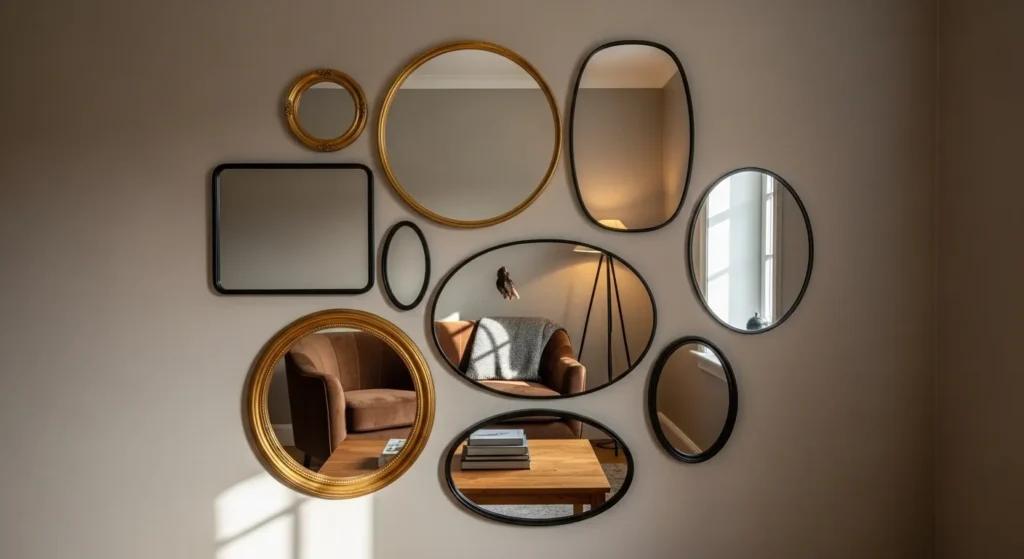
Layering mirrors adds dimension and visual complexity, making small rooms feel larger. Overlapping shapes create depth, tricking the eye into seeing more space than exists. This works well for walls that feel plain or underutilized. Implement by starting with a central mirror and arranging smaller mirrors around it, experimenting until the arrangement feels balanced.
Extra tip: Use mirrors with varying frames or textures to create a cohesive yet dynamic design. Layered mirrors provide both decorative flair and functional space enhancement in compact living areas.
24. Mirrored Sliding Doors
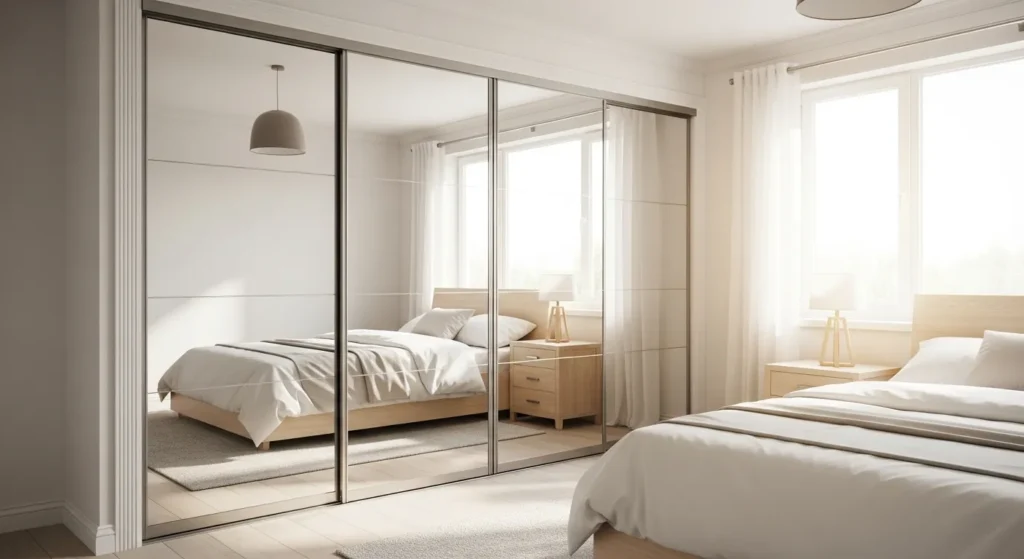
Mirrored sliding doors double the perception of space while saving floor area compared to traditional hinged doors. This works because the reflection makes the room appear longer and wider simultaneously. Implementation is simple: choose doors proportional to your room’s size and ensure smooth sliding tracks.
Extra tip: Keep reflected areas tidy for maximum effect. In small bedrooms or closets, mirrored sliding doors combine practicality and visual expansion, making the room feel open, light, and elegantly organized.
Conclusion
Mirrors are a transformative tool for small rooms. Strategically placed, they enhance natural light, create depth, and add elegance to any space. From full-length mirrors to layered gallery arrangements, every trick works to make rooms appear bigger instantly.
The key to success is thoughtful placement. Consider what surfaces reflect light best, which areas can create depth, and how mirrors interact with furniture. Even subtle adjustments can dramatically improve the perception of space.
By incorporating these 24 mirror tricks, small bedrooms, living rooms, kitchens, and hallways can feel airy, stylish, and well-proportioned. Mirrors do more than reflect—they amplify your space, light, and design sense, turning compact rooms into visually expansive, Pinterest-worthy areas.
FAQs
- How can mirrors make a small room look bigger?
Mirrors reflect light and surrounding space, creating the illusion of depth, height, and width, making rooms feel more open. - Where is the best place to put a mirror to make a room feel larger?
Opposite windows, above furniture, or in corners maximize light reflection and perceived space. - Can small mirrors still make a room appear bigger?
Yes, multiple small mirrors arranged strategically can create depth, visual flow, and expand perceived dimensions. - Are mirrored furniture pieces effective in small rooms?
Absolutely. Mirrored tables, cabinets, or shelves reflect light and decor, enhancing openness while serving functional purposes. - What mirror shapes work best for small spaces?
Vertical rectangles, large leaning mirrors, and round mirrors are ideal for height, width, and flow, respectively, depending on the room layout.