
As an Amazon Associate, I earn from qualifying purchases. This means I may earn a commission if you purchase through links on this page — at no extra cost to you.
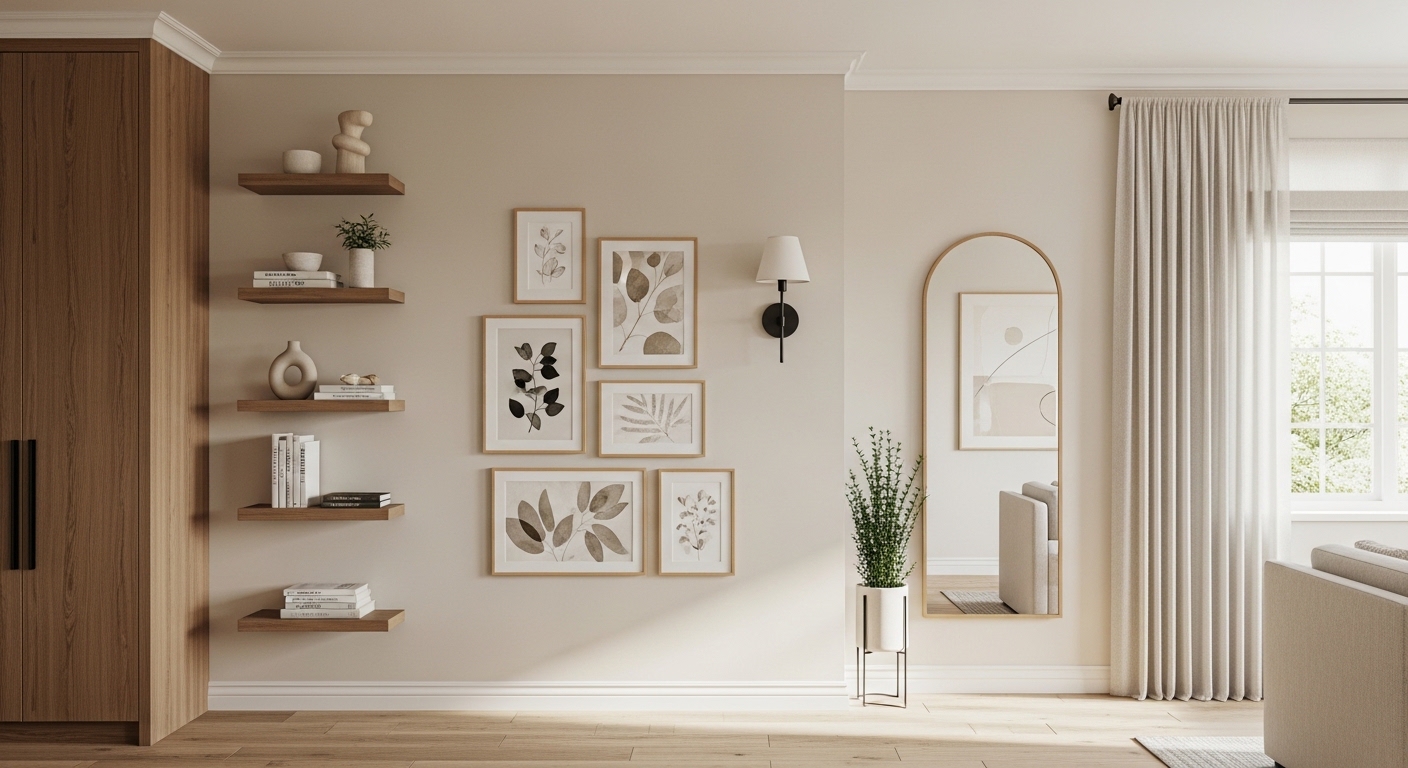
Every home has one: the wall that is too narrow for furniture, too visible to ignore, and too awkward for whatever you first tried. It becomes the wall of good intentions — the leaning mirror, the single sad frame — quietly annoying you for years.
The secret is that narrow walls are a design puzzle with a satisfying solution. Their slimness is a constraint that forces creativity: vertical arrangements, shallow shelves, a single dramatic piece given room to breathe. These twenty-three ideas turn the most awkward wall in your home into the most interesting one.
These ideas will help you confidently decorate that skinny hallway wall, tight bedroom corner, or awkward space between windows — without stress or overthinking.
1. Create a Vertical Gallery Wall
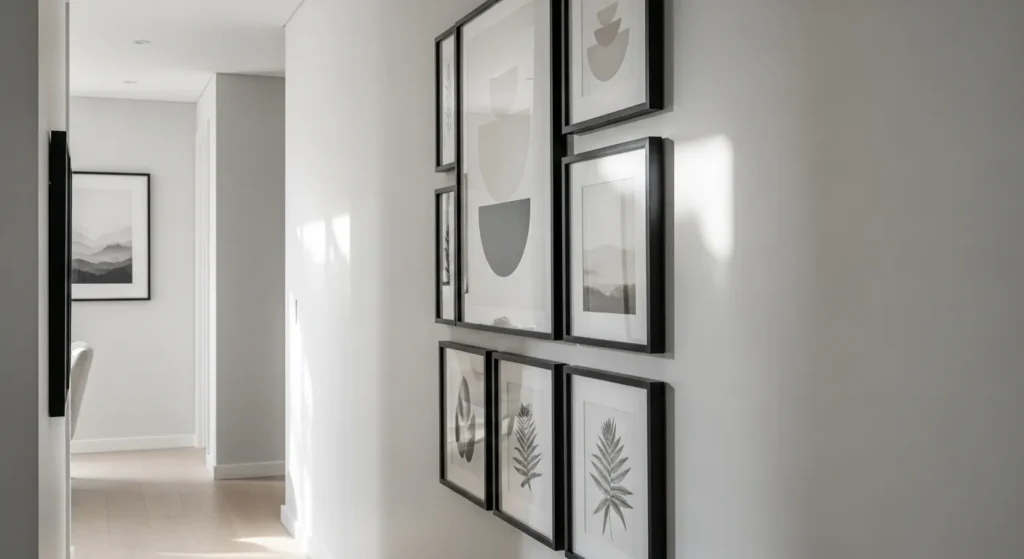
A vertical gallery wall is one of the most effective ways to decorate a narrow wall without overwhelming it. Instead of spreading frames outward, stack them upward in a straight column or tight formation. This naturally draws the eye higher and creates the illusion of taller ceilings. Keeping the frames slim and consistent in color prevents the wall from looking busy while still adding personality and depth.
To keep everything balanced, maintain even spacing between frames and choose artwork within a similar color palette. Black-and-white photography, abstract neutrals, or soft illustrations work beautifully in tight spaces. This approach transforms a skinny strip of wall into a structured focal point that feels intentional and curated rather than cluttered or forgotten.
2. Install Slim Floating Shelves
Floating shelves turn a narrow wall into functional display space while keeping the floor completely clear. Installing two to four slim shelves vertically maximizes height and provides room for small decorative objects, framed art, or trailing plants. The clean horizontal lines create structure, while the vertical stacking elongates the wall visually.
The secret is restraint. Overstyling shelves on a narrow wall can quickly make the space feel cramped. Choose a limited color palette and vary object heights for subtle dimension. When styled thoughtfully, floating shelves make the wall feel purposeful and organized, adding both storage and personality without overwhelming the room.
3. Add a Tall Leaning Mirror
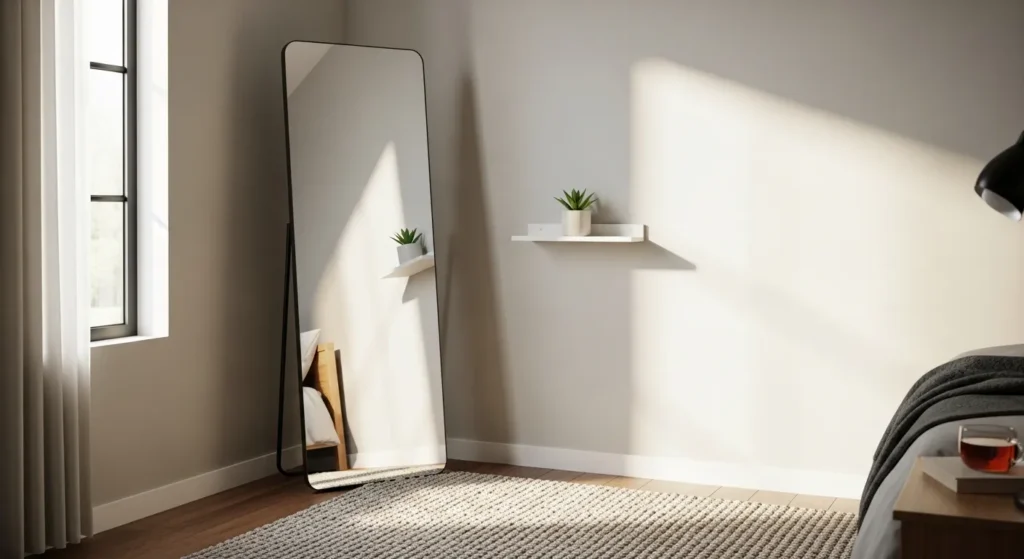
A tall leaning mirror instantly makes a narrow wall feel intentional while visually expanding the entire room. Because mirrors reflect light and surrounding space, they create depth that tricks the eye into seeing more square footage. This is especially powerful in small bedrooms, hallways, or apartments where every inch matters.
Choose a slim frame to keep the design light and proportional. Position the mirror where it can reflect natural light or an open area instead of clutter. Whether casually leaned or securely mounted, a vertical mirror enhances brightness and makes even the tightest wall feel elegant and spacious.
4. Paint It a Bold Accent Color
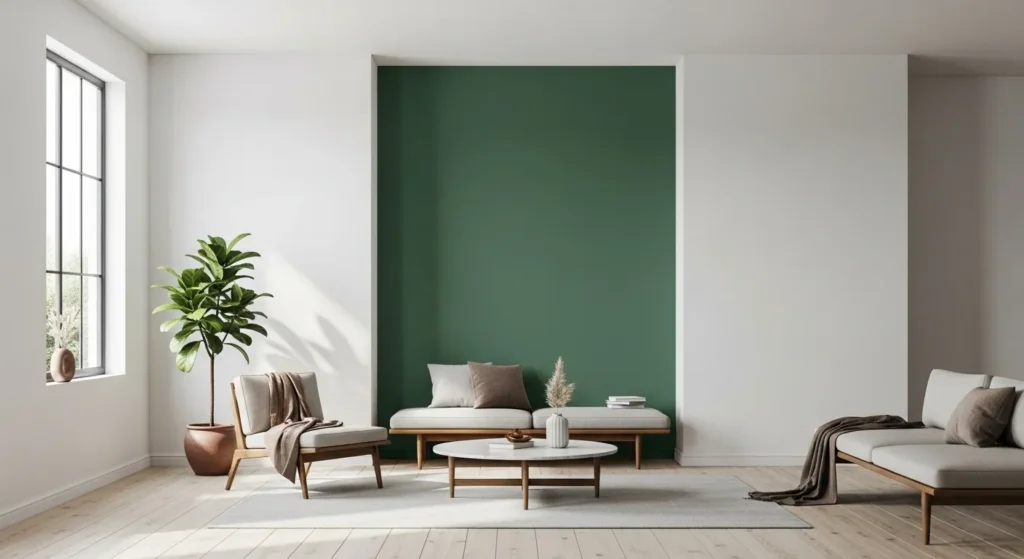
Sometimes decor isn’t necessary at all — color can do the work. Painting a narrow wall in a bold or contrasting shade turns it into a deliberate design feature. Because the surface area is small, you can experiment with deeper tones without overwhelming the room.
A rich navy, forest green, or terracotta shade adds personality and dimension. Keeping adjacent walls light maintains balance while allowing the narrow wall to stand out confidently. This simple approach transforms an awkward strip of wall into a modern architectural highlight that feels intentional rather than accidental.
5. Hang a Vertical Textile or Tapestry
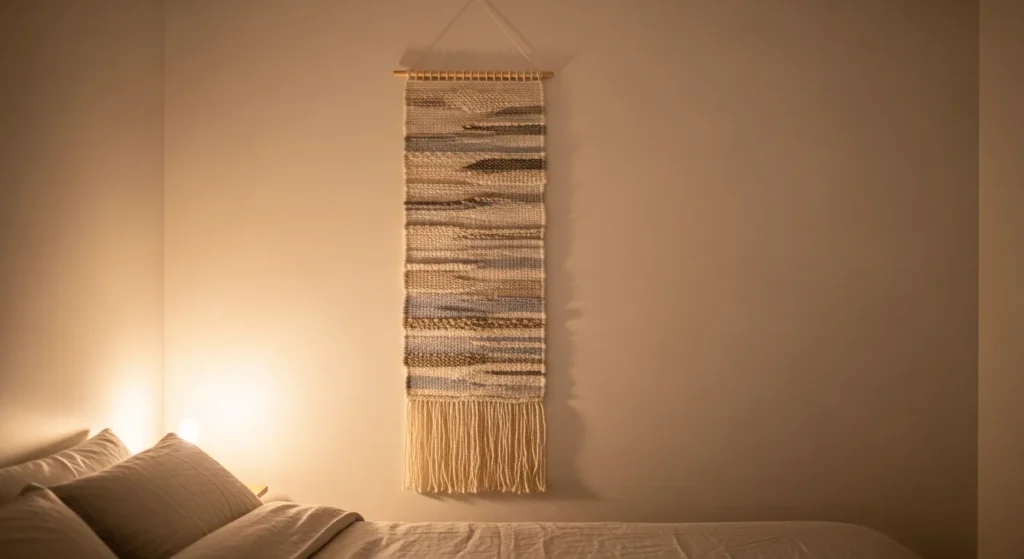
Textile wall hangings add softness and texture without the heaviness of frames or shelving. A vertical tapestry works particularly well on a narrow wall because it complements the wall’s shape instead of fighting it. The fabric introduces warmth, which is especially helpful in minimalist or modern interiors that can feel stark.
Choose a piece that fits proportionally within the wall width. Neutral woven textures create subtle dimension, while simple patterns add character without chaos. A well-sized textile transforms the wall into a cozy focal point that feels relaxed and thoughtfully styled.
6. Install Wall-Mounted Lighting
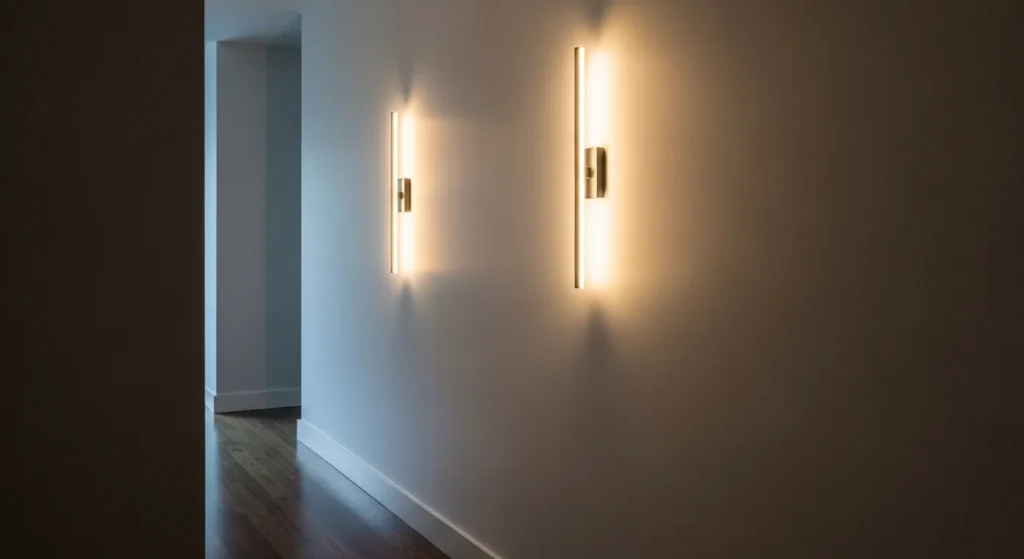
Wall sconces provide both function and style without occupying floor space. Installing them vertically enhances height and brings warmth to tight areas like hallways or beside beds. Because they’re mounted directly to the wall, they keep walkways clear while adding an elegant architectural element.
Slim, minimalist fixtures work best for narrow walls. Choose finishes that complement your existing decor, such as matte black, brushed brass, or soft white. The gentle glow from wall lighting softens the space and makes the narrow wall feel inviting rather than empty.
7. Try a Slim Ladder Shelf
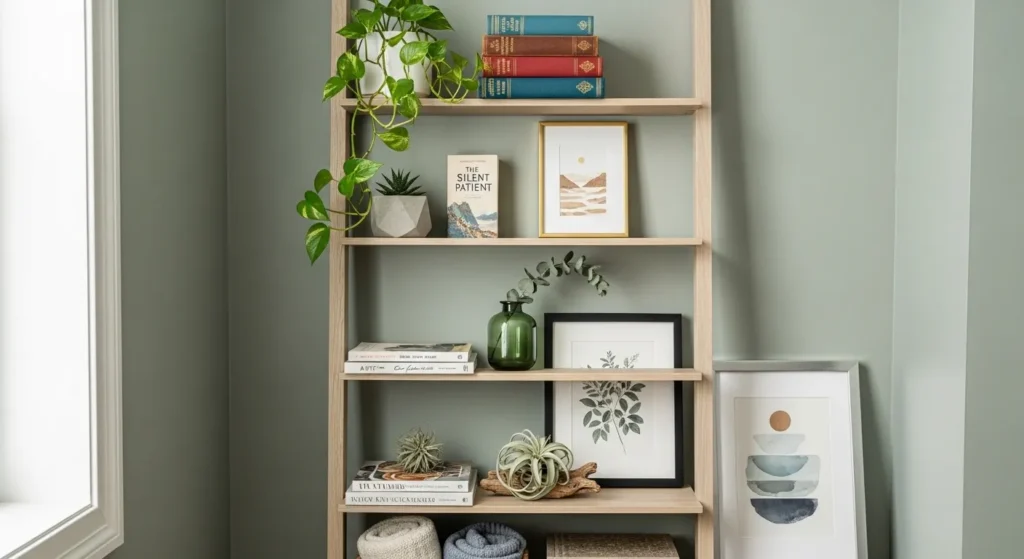
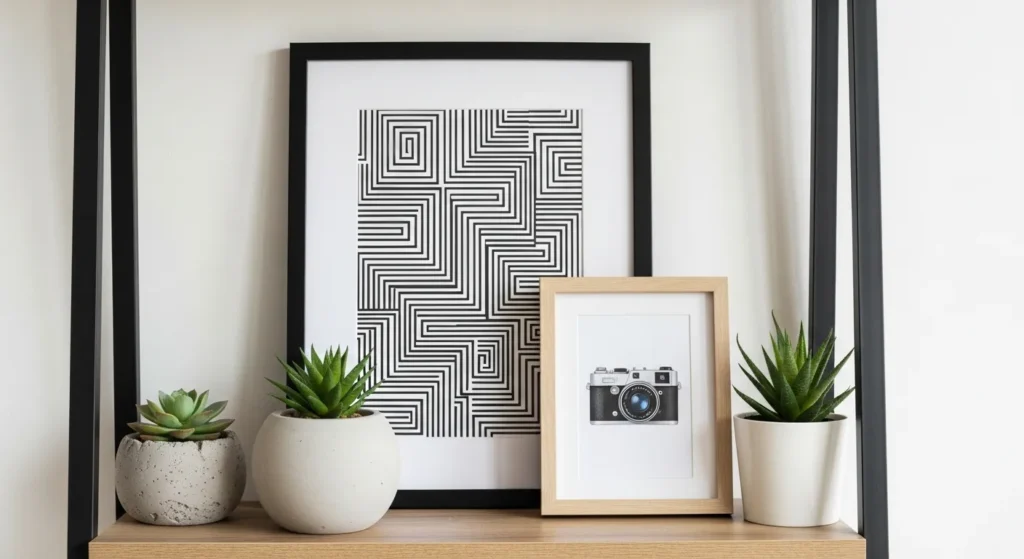
A ladder shelf is perfect when you want display space without heavy installation. Its narrow footprint makes it ideal for tight walls, while the vertical structure emphasizes height. Because it leans instead of protruding significantly, it feels lighter than traditional bookcases.
Style the shelves minimally to avoid visual overload. A mix of small plants, stacked books, and simple frames creates balance and depth. The layered arrangement adds personality while keeping the overall look airy and controlled.
8. Add Decorative Wall Molding
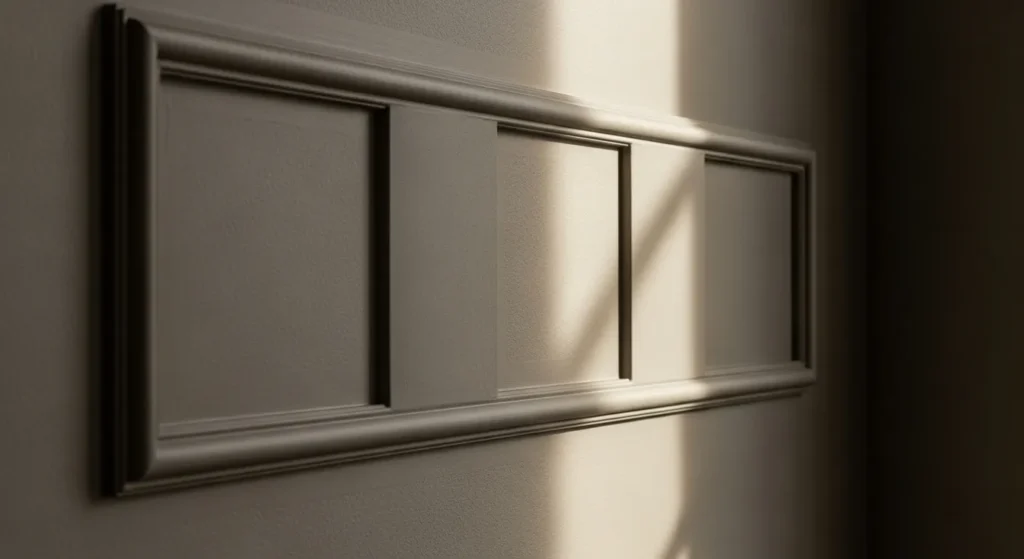
Decorative molding introduces architectural interest without adding clutter. By applying slim rectangular or vertical molding designs, you give the wall dimension and structure while keeping it visually calm. Painting the molding the same color as the wall ensures subtle elegance rather than dramatic contrast.
This technique works beautifully in both modern and classic interiors. The added detail makes the narrow wall feel intentional and refined. Instead of filling the space with objects, molding enhances it through texture and symmetry.
🛒 Shop This Look:
9. Use a Single Oversized Vertical Art Piece
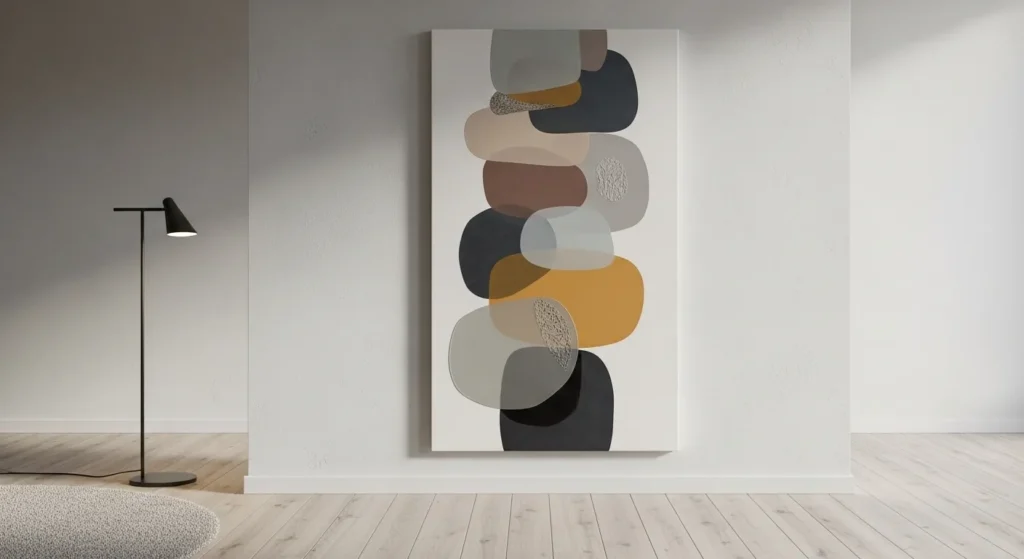
Sometimes one strong statement is better than multiple small items. A single oversized vertical artwork simplifies the decorating process while filling the wall proportionally. It anchors the space and prevents the wall from looking fragmented.
Choose artwork that complements the room’s palette and style. Abstract designs, soft landscapes, or minimalist prints work especially well. Keeping the focus on one tall piece avoids clutter while still delivering visual impact and personality.
10. Install Hooks in a Clean Vertical Line
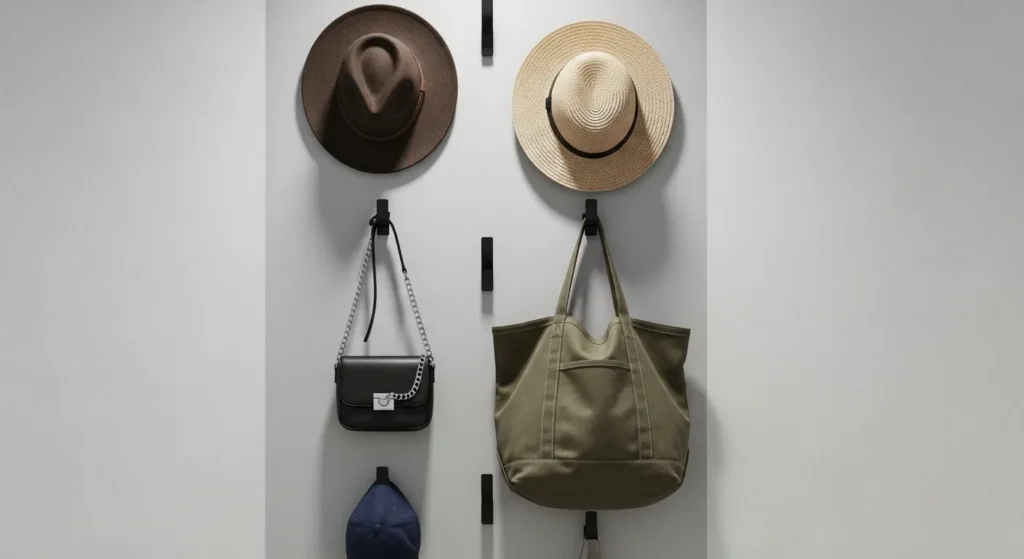
Hooks can be both practical and decorative when arranged intentionally. Installing them in a neat vertical line emphasizes height and keeps the narrow wall organized. This solution works especially well in entryways, bedrooms, or small apartments needing extra storage.
Choose uniform hooks for a streamlined look. Keeping spacing consistent prevents the arrangement from feeling random. Functional elements like coats, hats, or bags then become part of the wall’s design rather than clutter.
11. Create a Photo Ledge Column
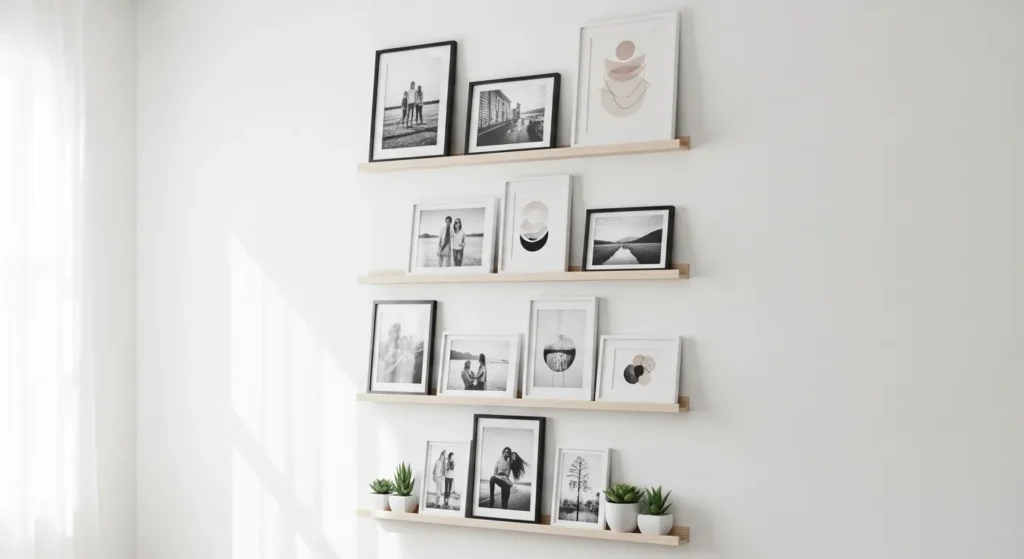
Stacking narrow photo ledges vertically creates a layered display without overwhelming the wall. Because frames lean instead of hang, you can easily swap artwork without additional holes. The vertical arrangement enhances height and makes the wall feel dynamic.
Limit the number of frames on each ledge to maintain breathing space. Coordinating frame colors keeps the look cohesive. This solution adds flexibility and personality while maintaining structure, making a narrow wall feel styled and intentional.
12. Install a Narrow Console Table
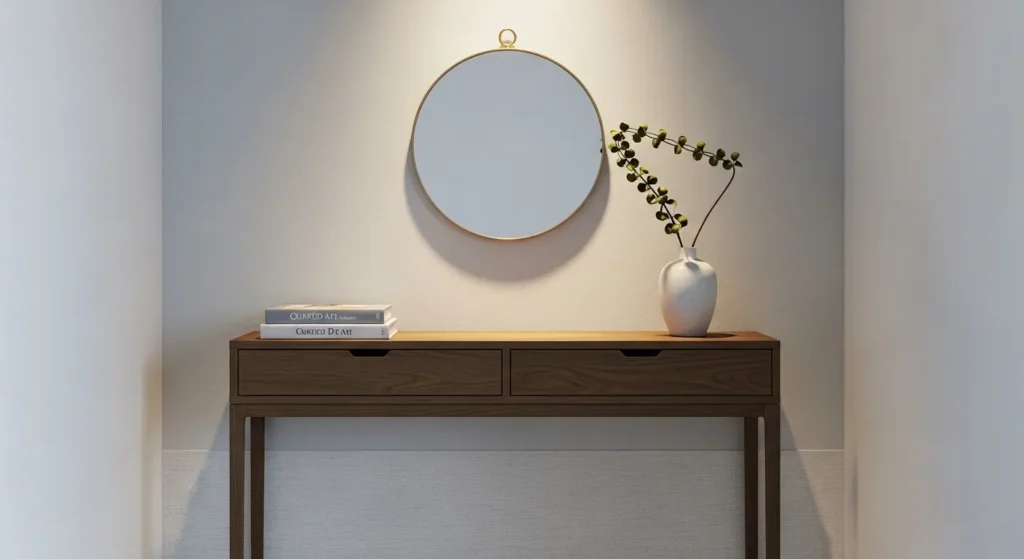
If your narrow wall has even a few inches of depth available, a slim console table can completely transform it. The key is choosing a narrow-profile design that doesn’t intrude into walking space. A console adds function while creating a base for decorative styling, making the wall feel purposeful instead of empty.
Keep the tabletop minimal to avoid visual heaviness. A small mirror, a lamp, or a simple vase is enough. By limiting decor and keeping proportions balanced, the console anchors the space while maintaining openness and flow.
13. Add Vertical Shiplap
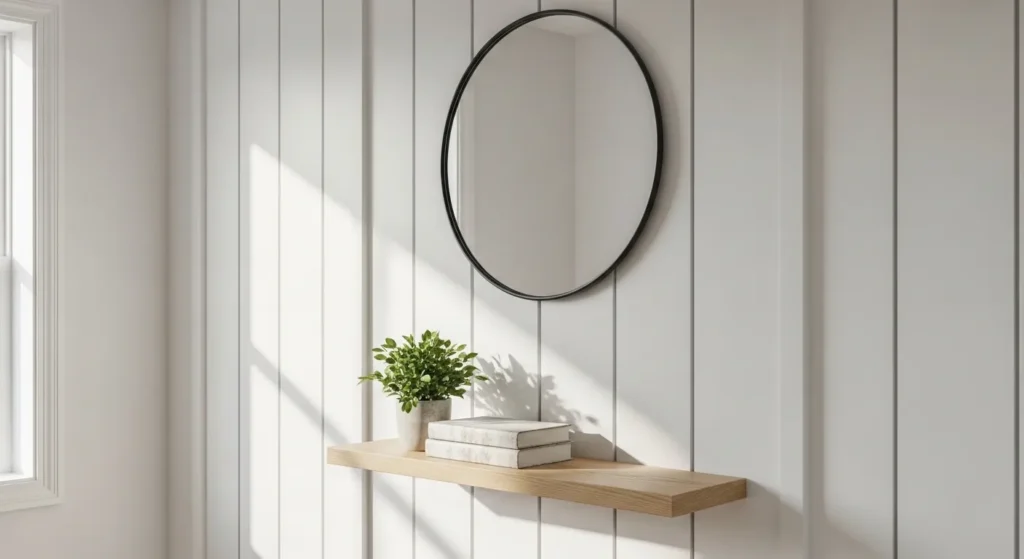
Vertical shiplap enhances architectural interest while naturally elongating the wall. The lines guide the eye upward, making ceilings appear higher and the room feel more expansive. Unlike busy wallpaper or multiple frames, shiplap adds texture in a subtle, cohesive way.
Painting it the same color as the surrounding walls keeps the design clean and seamless. Soft whites, creams, or muted tones work best. This approach makes the narrow wall feel intentional and thoughtfully designed without adding clutter.
14. Hang Plants Vertically
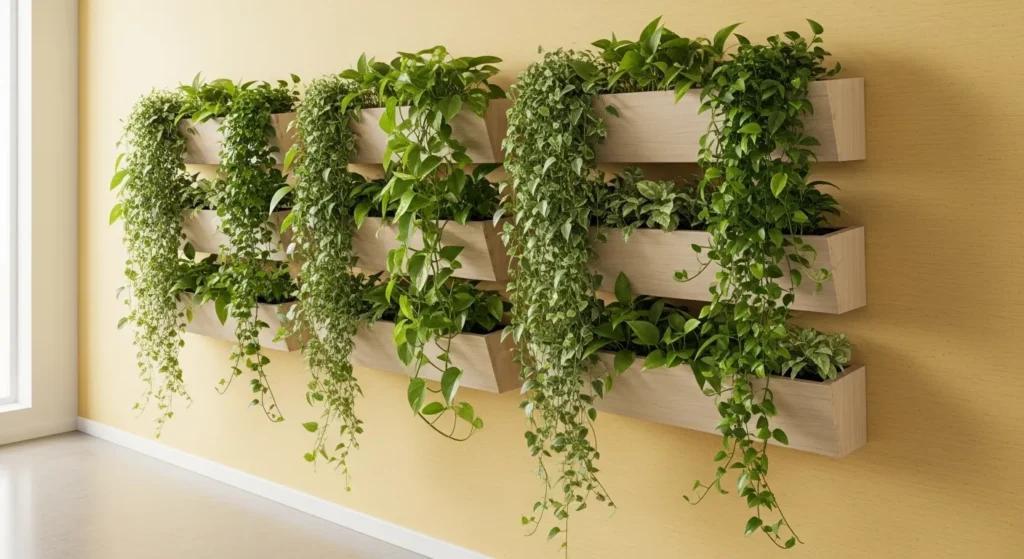
Vertical planters bring life and movement to a narrow wall without consuming floor space. Mounted in a column or staggered upward arrangement, plants naturally soften tight areas and introduce organic texture.
Choose lightweight wall planters and avoid overcrowding the arrangement. Trailing greenery like pothos or ivy enhances height while keeping the look airy. This approach works especially well in small apartments, kitchens, or near windows where natural light enhances the greenery.
🛒 Shop This Look:
15. Install a Fold-Down Wall Desk
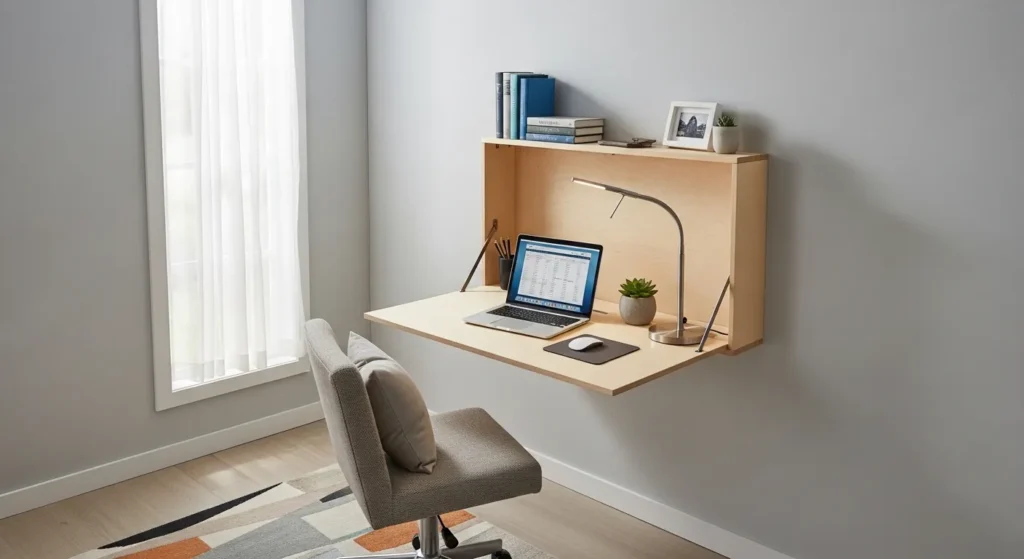
A fold-down desk turns a narrow wall into a highly functional workspace without permanently occupying space. When closed, it blends into the wall like a sleek panel. When opened, it becomes a compact desk perfect for laptops or writing.
This solution is ideal for small apartments or bedrooms that double as offices. Keeping the surrounding decor minimal ensures the wall doesn’t feel crowded. It’s a smart way to combine practicality and clean design in tight spaces.
16. Use Wall Decals Strategically
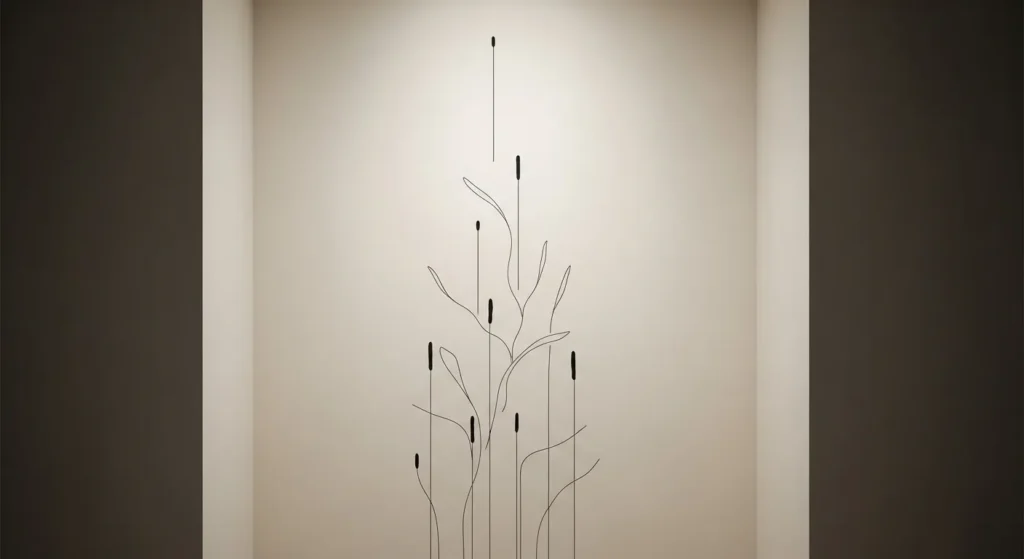
Wall decals can add personality without requiring frames or hardware. Choosing a vertical pattern enhances height and complements the narrow shape. Subtle geometric designs or delicate line art work best in compact areas.
Because decals sit flat against the wall, they maintain openness and avoid bulk. This makes them ideal for renters or anyone wanting a temporary design solution. The result feels intentional and modern without overwhelming the limited surface.
17. Add Built-In Recessed Niches
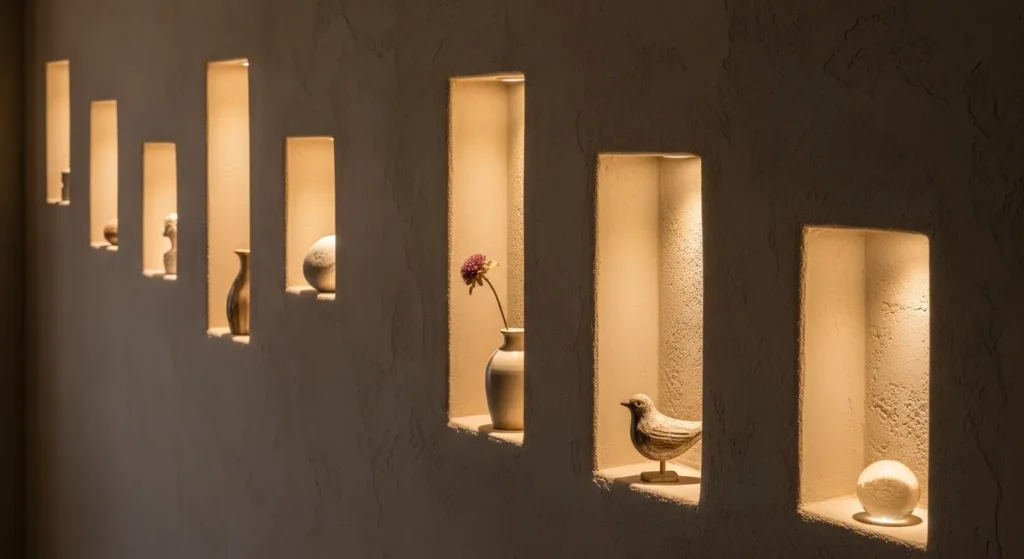
If you’re renovating or remodeling, recessed niches are an elegant long-term solution. Built into the wall itself, they create storage and display space without protruding outward. This keeps the walkway clear while adding architectural depth.
Adding subtle lighting inside the niches enhances dimension and highlights decor. The vertical alignment makes the wall feel taller and more custom-designed. It’s a refined way to turn a narrow wall into a statement feature.
18. Install a Slim Bookcase
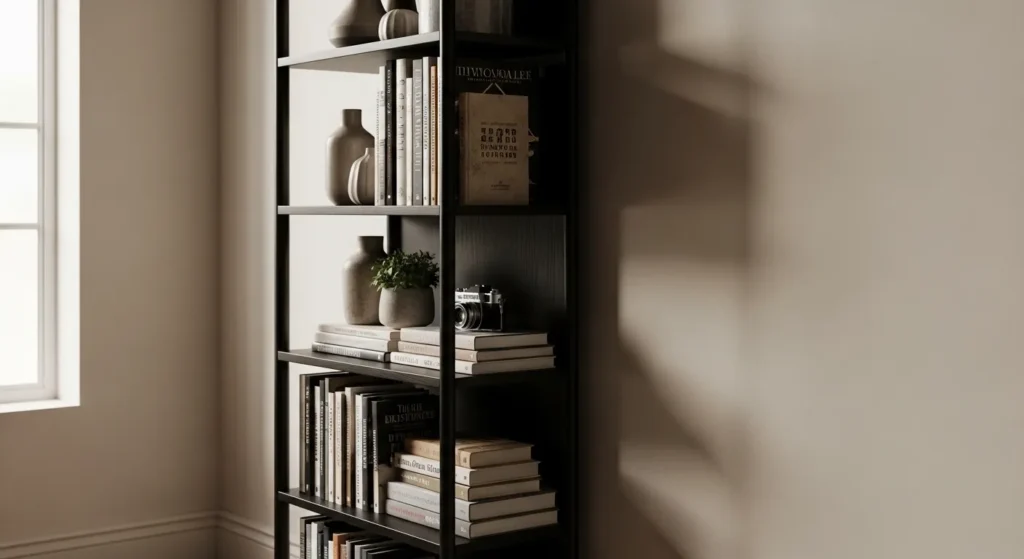
A slim bookcase maximizes vertical storage while fitting neatly into narrow spaces. Choosing a tall, narrow design keeps the proportions aligned with the wall’s shape. It adds both organization and personality without consuming much depth.
Style it lightly to maintain balance. Too many items can make the area feel cramped. A mix of books and minimal decor keeps it curated and airy. This approach works beautifully in small living rooms or bedrooms.
19. Hang a Vertical Clock
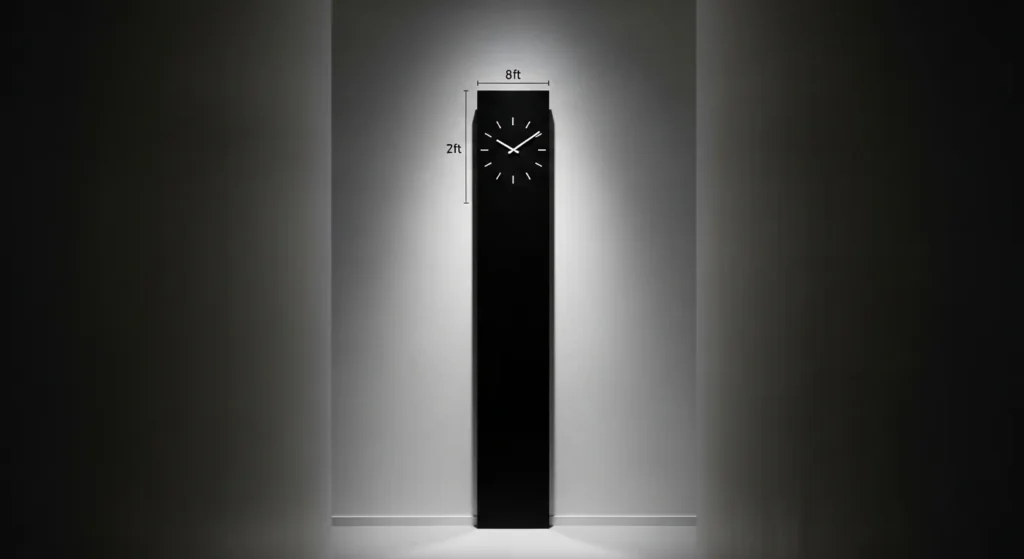
A vertical clock can function as practical art on a narrow wall. Its elongated shape complements the space and prevents the wall from feeling empty. Because it serves a purpose, it feels intentional rather than decorative filler.
Choose a clean, slim design that aligns with your interior style. Avoid overly wide clocks that break proportion. A well-scaled timepiece adds subtle interest without overwhelming the area.
20. Create a Structured Grid of Small Frames
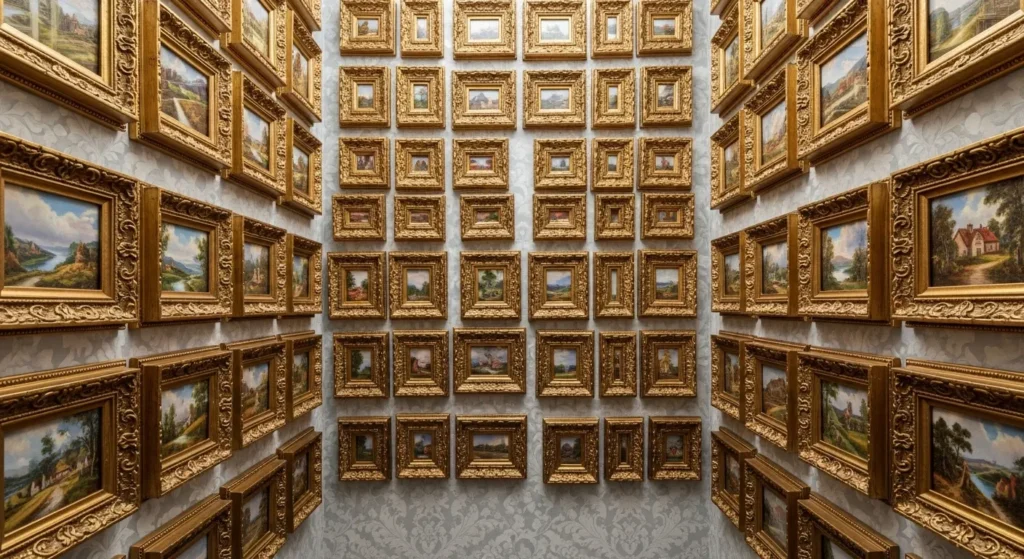
Instead of stacking frames in a column, a tight grid can also work beautifully on a narrow wall. Keeping the frames small and evenly spaced creates order and prevents chaos. The structure brings calm to the limited surface.
Using a consistent color palette keeps the grid cohesive. Black-and-white photography or neutral prints maintain simplicity. The result feels balanced and thoughtful, not crowded or random.
21. Add a Narrow Tapestry Panel
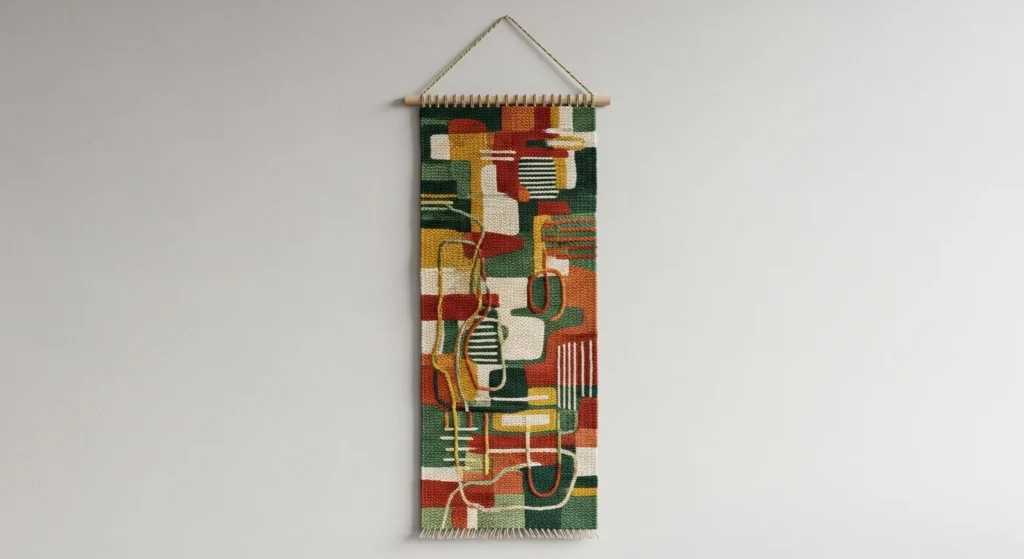
A narrow tapestry panel adds warmth and texture while staying proportional to the wall’s width. Unlike bulky framed art, fabric elements feel lighter and more relaxed, making them ideal for tight spaces.
Choosing soft neutrals or subtle patterns ensures the wall doesn’t feel visually heavy. The vertical drape enhances height, and the woven texture brings depth without cluttering the area.
🛒 Shop This Look:
22. Install a Wall-Mounted Cabinet
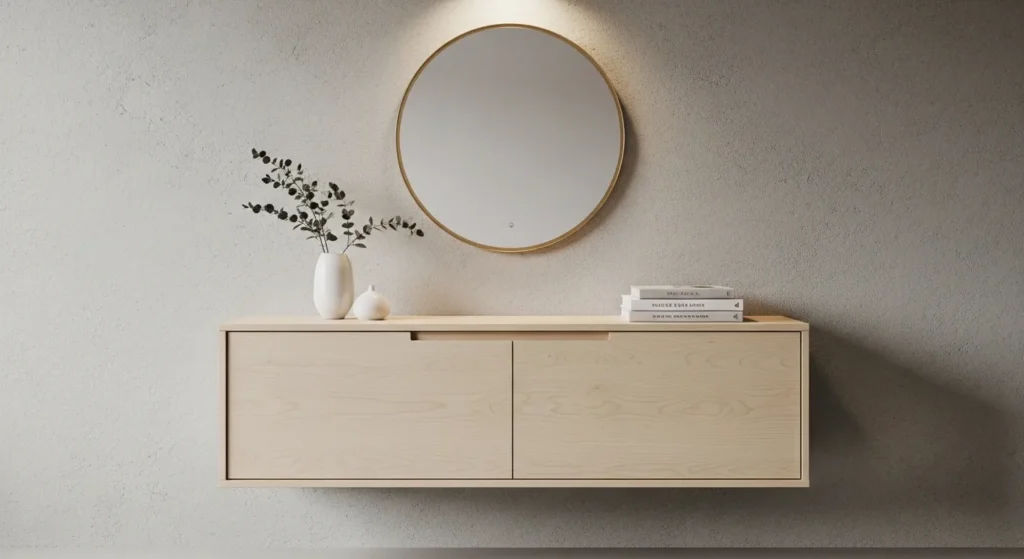
A wall-mounted cabinet adds hidden storage while keeping the floor clear. Its floating design prevents the space from feeling heavy or crowded. Narrow styles fit perfectly within tight walkways or hallways.
Keep the top surface minimally styled to maintain openness. The clean lines provide structure, while concealed storage reduces clutter elsewhere in the room. It’s a practical and visually balanced solution.
23. Embrace Minimalism
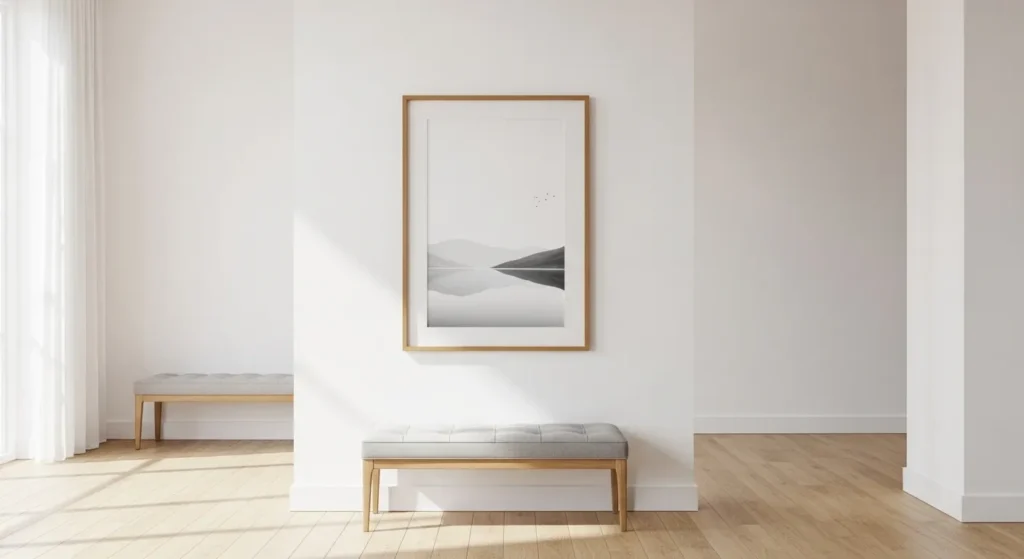
Sometimes the best solution is restraint. A single well-centered piece of art can feel more intentional than multiple items squeezed into a tight space. Narrow walls benefit from breathing room.
By allowing negative space around one thoughtfully chosen element, the wall feels calm and balanced. Overdecorating is often what causes stress. Simplicity ensures the space looks polished, not forced.
Conclusion
Decorating a narrow wall doesn’t have to feel frustrating or overwhelming. When you focus on vertical design, slim proportions, and intentional styling, even the tightest space can become beautiful and functional. The key is working with the wall’s shape instead of fighting it.
From mirrors and floating shelves to bold paint and minimalist art, small changes can make a big visual impact. Choose one idea that fits your space and style, keep it simple, and let the wall breathe. Sometimes the narrowest walls end up becoming the most interesting spots in the entire room.
15 Essential Questions About Decorating Narrow Walls
1. What makes narrow walls particularly challenging to decorate?
Narrow walls have limited real estate. Standard decoration approaches don’t work. Proportion and scale matter enormously.
Too much on narrow walls overwhelms immediately. Restraint is essential for success.
Wrong placement or sizing kills the effect. Careful planning prevents the frustration of failed attempts.
2. Should I decorate narrow walls differently than standard walls?
Absolutely. Narrow walls require strategic thinking. Standard approaches create cramped, overwhelming results.
Narrow walls demand minimalism. Less works infinitely better than attempting to fill small spaces.
Intentional simplicity prevents the madness of fighting with impossible proportions.
3. What size artwork works best on narrow walls?
Tall, narrow artwork matches wall proportions beautifully. Vertical orientation complements narrow spaces.
Single pieces work better than multiples. One striking artwork beats crowded gallery walls on tight spaces.
Oversized single pieces can work if proportions are right. Test before committing—scale is everything.
4. How do I prevent narrow walls from looking like awkward dead space?
Purpose transforms narrow walls. Give them function: a small shelf, a single piece of art, a mirror.
Strategic decoration signals the space matters. Intentional placement prevents the “we forgot this wall” feeling.
Even minimal decoration is better than abandonment. Small, thoughtful touches make narrow spaces feel intentional.
5. What’s the best decoration strategy for narrow hallway walls?
Single tall artwork works beautifully in hallways. One striking piece transforms passing-through experience.
Vertical mirrors expand hallway perception. Strategic mirror placement makes narrow hallways feel less enclosed.
Consistent lighting draws people forward. Good hallway lighting transforms narrow spaces psychologically.
6. Can I use mirrors effectively on narrow walls to create space perception?
Absolutely. A tall, narrow mirror maximizes small walls’ impact. Mirrors expand perceived space dramatically.
Mirrored surfaces reflect light and create depth. Strategic mirror placement transforms tight hallways completely.
One quality mirror works better than multiple smaller ones on narrow walls. Let impact shine.
7. How do narrow wall proportions affect furniture placement?
Narrow walls rarely accommodate standard furniture. Small benches, narrow tables, or slim shelves work better.
Tall, narrow furniture matches wall proportions. Avoid wide, short pieces that overwhelm small spaces.
Sometimes empty walls work best. Not every wall needs furniture. Strategic emptiness can be beautiful.
8. What paint colors work best for narrow walls?
Light colors make narrow walls feel less confining. Pale paint prevents cramped sensation.
Vertical stripes in paint create illusion of height. Subtle stripes work better than bold patterns.
Warm undertones feel more inviting on narrow walls than cool, institutional colors.
9. How do I prevent narrow wall decoration from looking cheap or amateur?
Quality over quantity. One well-chosen piece beats three mediocre options.
Professional framing elevates even affordable art. Good frames matter enormously on visible narrow walls.
Intentional spacing and placement signal professionalism. Careful curation beats random decoration.
10. What’s the relationship between narrow walls and negative space?
Negative space is your friend on narrow walls. Empty space prevents overwhelming sensation.
Strategic emptiness creates sophistication. Don’t feel compelled to fill every inch.
Breathing room makes small spaces feel intentional, not incomplete.
11. Should I treat multiple narrow walls the same or vary their decoration?
Consistency creates flow. Same approach (or coordinated approach) to multiple narrow walls feels intentional.
Slight variation prevents monotony. All walls identical can feel repetitive; coordinated variation feels designed.
Either approach works—choose based on your space and aesthetic.
12. How do lighting and narrow walls interact in decoration strategies?
Good lighting transforms narrow walls. Poor lighting makes them feel claustrophobic regardless of decoration.
Accent lighting highlighting narrow wall pieces creates focus. Light draws attention powerfully.
Even simple ambient light improves narrow wall perception. Lighting is transformative for tight spaces.
13. What budget-friendly narrow wall decoration options work beautifully?
Single framed print ($10-20): affordable and effective. Quality frame matters more than art cost.
Painted accent ($20-40 in paint): transform narrow walls with bold color. Paint is most affordable impact option.
Thrifted mirror or artwork ($5-30): secondhand treasures cost minimally and often carry more character.
14. What mistakes drive people crazy when decorating narrow walls?
Too much stuff. Cramming decoration into small spaces creates overwhelm. Restraint works infinitely better.
Wrong scale. Oversized pieces overwhelm; undersized pieces disappear. Proportion is everything.
Poor planning. Test before committing. Wrong placement creates frustration requiring repeated attempts.
Wrong lighting. Dark narrow walls feel abandoned. Good light transforms everything.
15. How do I approach decorating multiple challenging narrow walls without losing my mind?
Make a plan. Map all narrow walls, measure carefully, plan placement before purchasing anything.
Start simple. One piece per wall, then add if it works. Building gradually prevents regret.
Step back frequently. View from different angles and distances. Proportion sense prevents mistakes.
Give yourself permission to leave walls bare. Not every space needs decoration. Empty walls aren’t failures.
Ready to conquer those narrow walls? Discover more narrow-space decoration inspiration and strategic solutions on our homepage. Explore how to transform tight spaces intentionally without frustration. Visit homeisdecor.com and find comprehensive narrow wall decoration ideas plus strategies for choosing the right scale, creating focal points in confined spaces, using mirrors and lighting effectively, and decorating with intention so you actually love the results instead of pulling your hair out over stubborn proportions and awkward spaces that finally feel beautiful, intentional, and genuinely special today.