
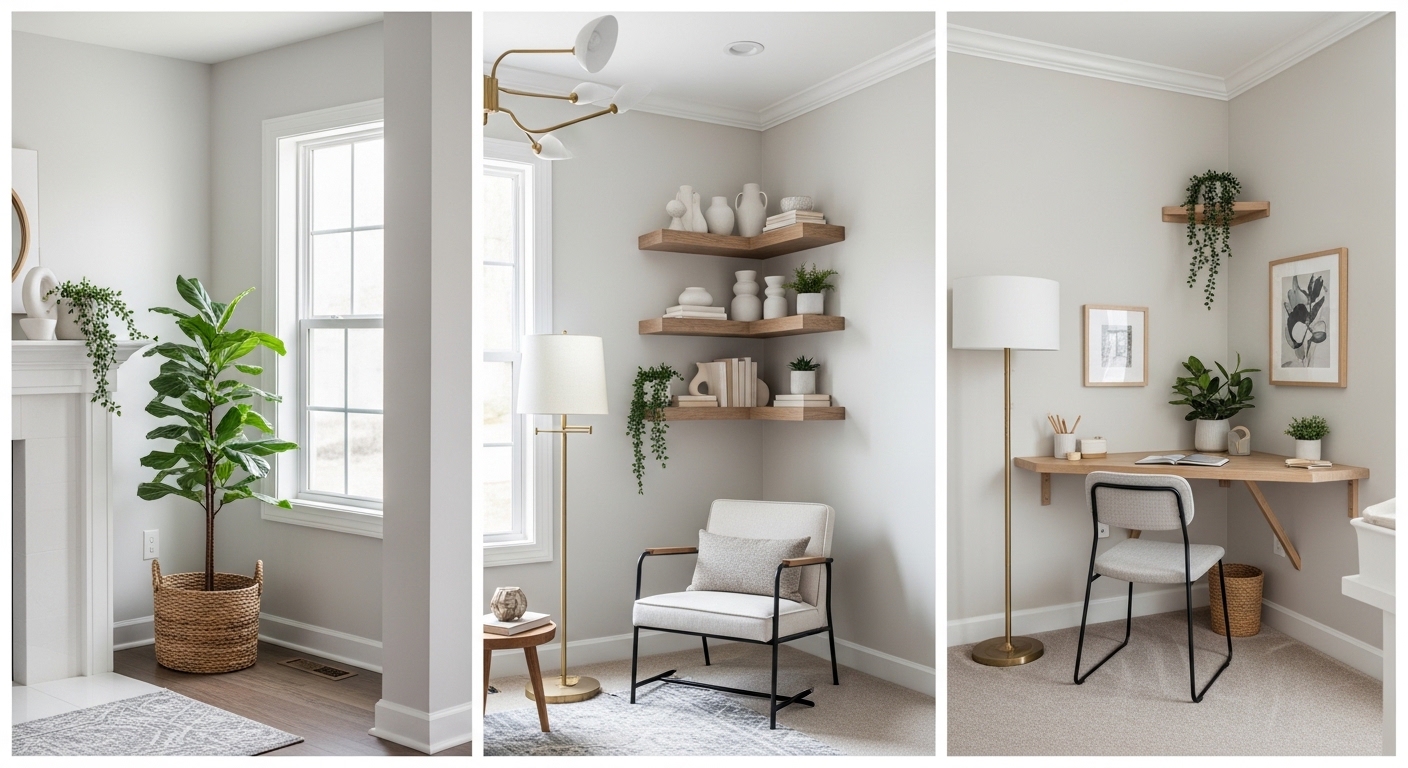
Little corners are the most ignored spots in a room. They feel awkward, too small for furniture, and too visible to leave empty. When left blank, they quietly make the whole space feel unfinished and slightly off balance.
But small corners are actually design opportunities. With the right styling, they can add function, texture, warmth, and personality without overwhelming your layout. You don’t need a big budget or major renovation—just smart, intentional choices.
Let’s turn those tricky little corners into spaces that feel purposeful and beautifully styled.
1. Add a Cozy Reading Chair
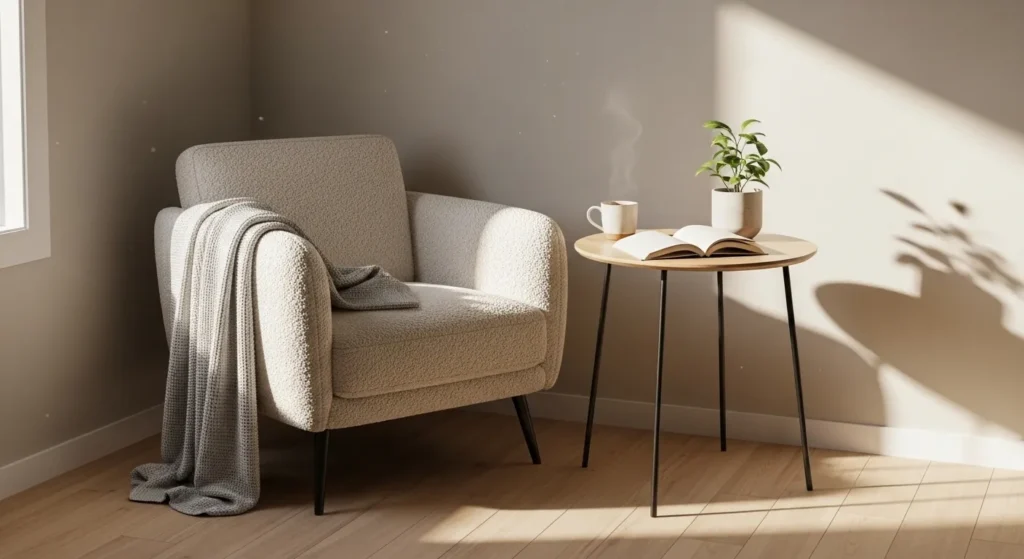
A compact accent chair can completely redefine an empty corner. Instead of feeling like wasted space, the area becomes a cozy retreat for reading, scrolling, or relaxing. Choose a chair with slim arms and raised legs to keep visual weight light and prevent the corner from feeling crowded or boxed in.
Layer it thoughtfully with a soft throw and one textured cushion for warmth without clutter. If space allows, add a tiny round side table for practicality. Keep proportions tight and intentional so the corner feels inviting, not overfilled.
2. Style a Tall Floor Lamp
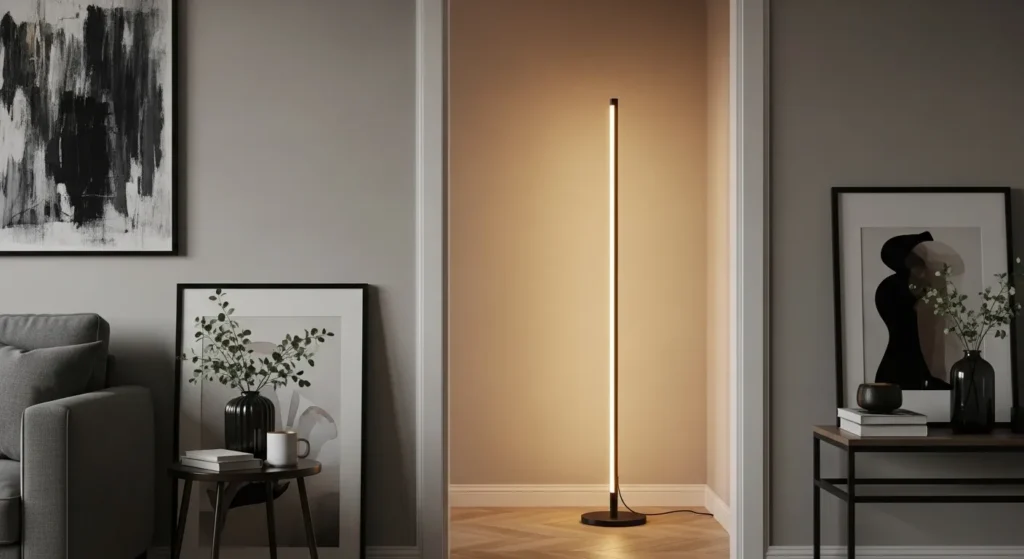
Corners naturally need vertical balance, and a tall floor lamp fills that height effortlessly. It draws the eye upward, making the room feel taller while also softening shadows that often collect in corner spaces. This simple addition instantly makes the area feel warmer and more layered.
Choose a slim base and understated shade to avoid heaviness. Soft warm bulbs create a cozy glow that transforms the mood at night. The key is keeping the design elegant and vertical so the corner feels intentional rather than cluttered.
3. Create a Corner Gallery Wall
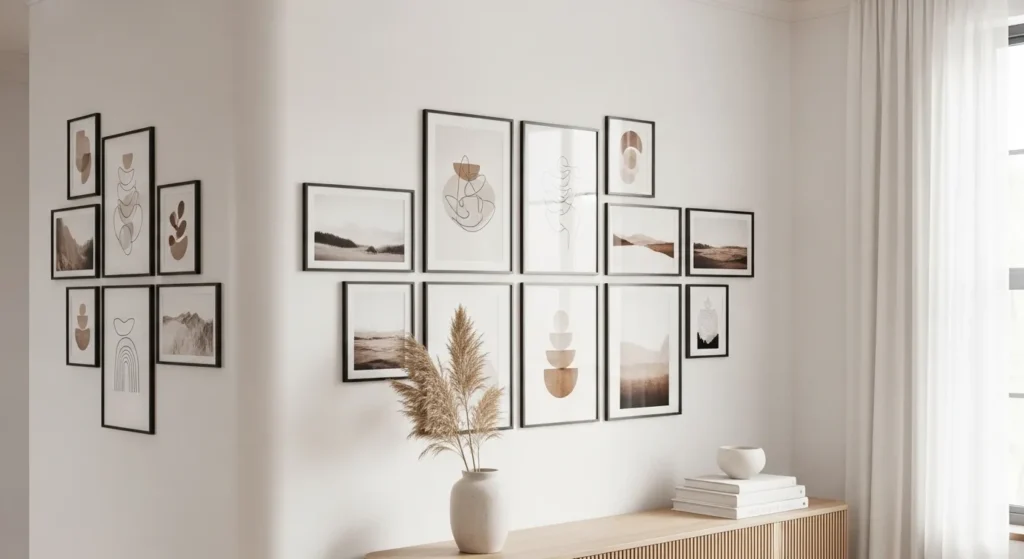
A corner gallery wall adds personality in a way that feels dynamic and unique. Instead of stopping frames at one wall, allow them to gently wrap around the corner edge. This approach softens the harsh angle and creates visual flow between the two walls.
Stick to a consistent frame color and a tight color palette to maintain cohesion. Smaller frames work best to prevent overcrowding. When spaced evenly, the display feels curated and balanced rather than chaotic or overwhelming.
4. Install Floating Corner Shelves
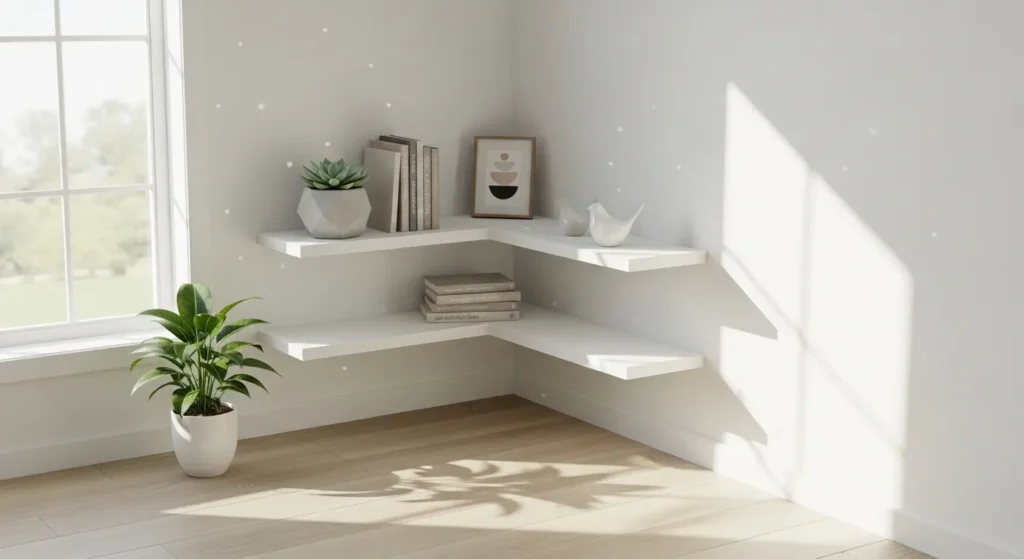
Floating corner shelves use space that typically goes unused. Designed specifically to fit into the angle, they provide display or storage without consuming floor space. This makes them ideal for small rooms where every inch matters.
Style shelves lightly with a mix of vertical and horizontal objects to create balance. A small plant, a few stacked books, and one decorative object are often enough. Avoid overfilling them so the corner stays open and visually calm.
5. Add a Slim Console Table
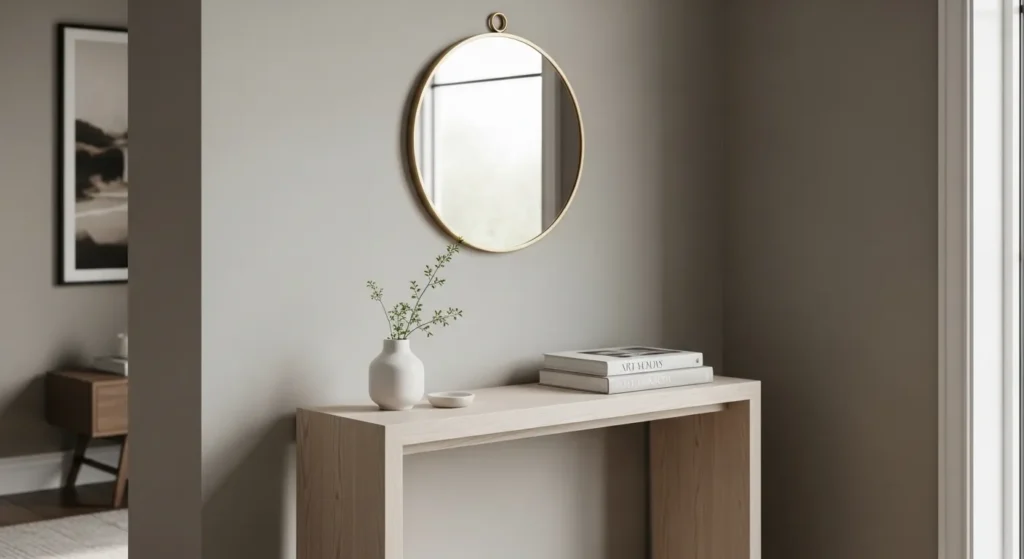
If your corner has a little depth, a slim console table can anchor it beautifully. It creates a base layer that makes the space feel grounded instead of empty. Look for narrow profiles that won’t interrupt walkways or crowd nearby furniture.
Keep tabletop decor minimal—perhaps a small mirror, a ceramic vase, or a compact lamp. Too many accessories will shrink the space visually. When styled with restraint, a console makes the corner look polished and purposeful.
6. Place a Large Statement Plant
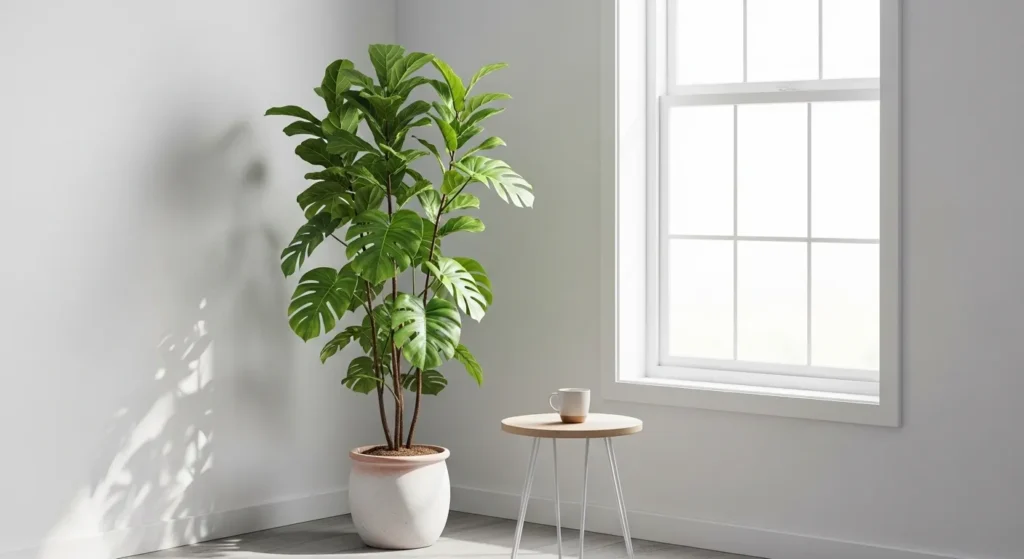
A tall indoor plant is one of the easiest ways to fill a corner naturally. The organic shape softens sharp angles and adds movement, texture, and life to the space. Unlike bulky furniture, greenery feels airy even when it takes up vertical space.
Choose a planter that complements your interior style and keep surrounding decor minimal. Let the plant be the focal point. This approach makes the corner feel fresh, balanced, and effortlessly styled without adding visual heaviness.
7. Create a Mini Home Office Nook
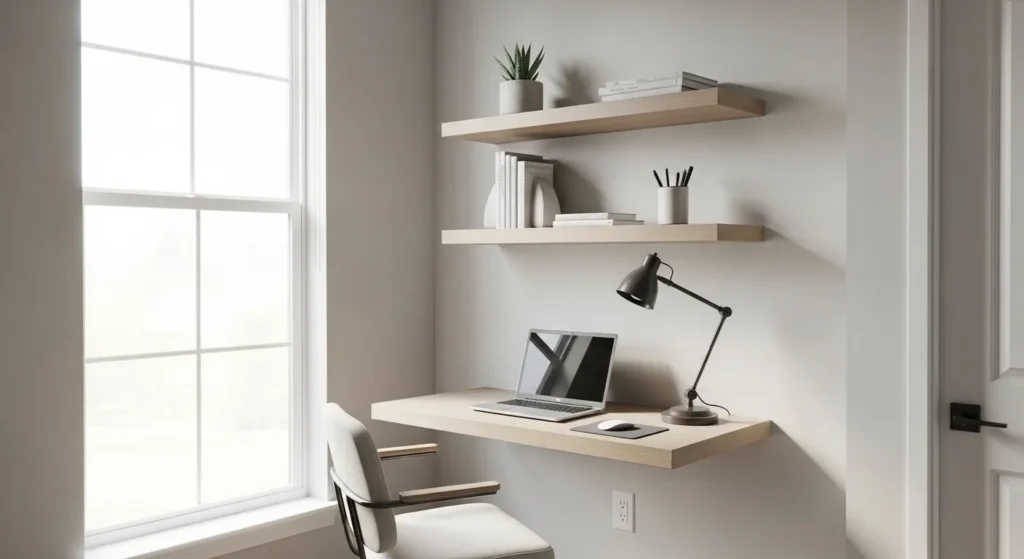
A little corner can become a surprisingly efficient workspace with the right layout. A compact floating desk keeps the footprint minimal while maintaining open floor space. By using vertical wall space above for shelves or organizers, you add storage without crowding the area.
Keep the color palette light and cohesive to prevent the nook from feeling cramped. Limit accessories to essentials like a task lamp and a small plant. When styled cleanly, the corner feels productive and integrated rather than squeezed in.
8. Hang a Corner Mirror
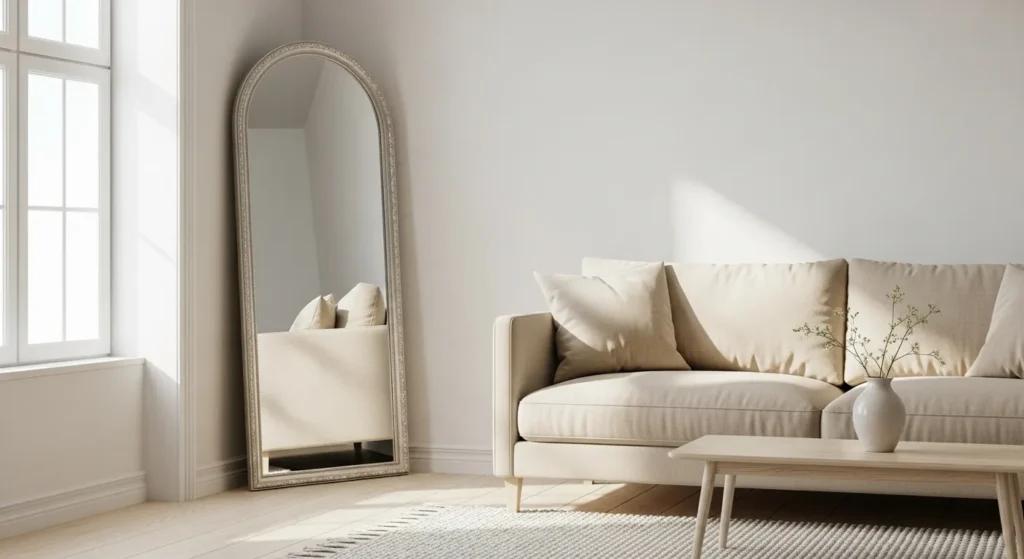
A mirror in the corner reflects light from multiple angles, instantly making the room feel brighter and larger. This works especially well in darker rooms where corners tend to feel shadowy and heavy. The reflection visually expands the space without adding physical bulk.
Choose a tall or rounded mirror to soften the sharp angle of the walls. Keep surrounding decor simple so the mirror remains the focal point. The result is an airy, balanced corner that enhances the entire room’s openness.
9. Add a Decorative Ladder
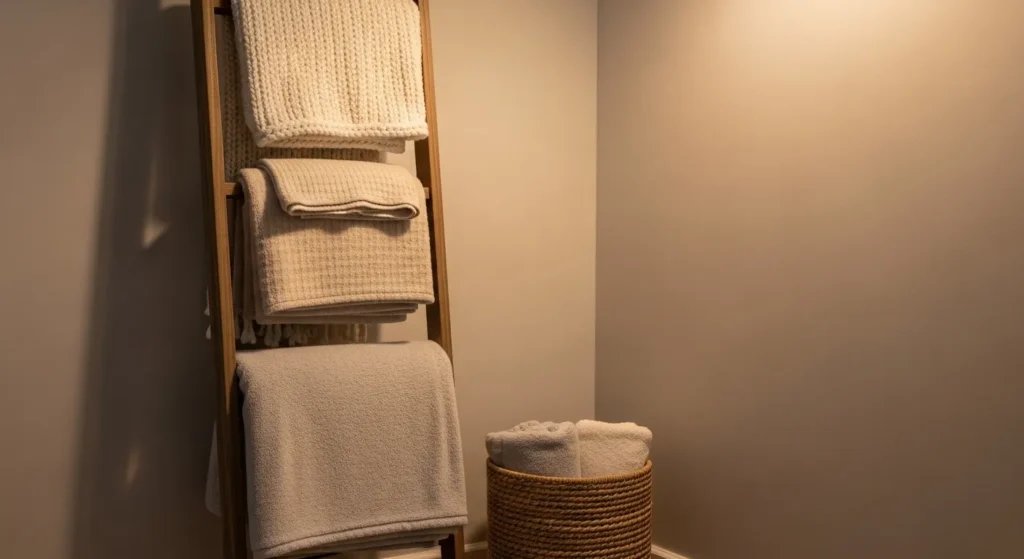
A leaning decorative ladder fills vertical space while remaining visually light. It’s perfect for displaying throws, magazines, or even lightweight decor. Because it doesn’t require installation, it feels casual and flexible.
Stick to a simple arrangement to avoid clutter. Two or three neatly draped blankets are enough to create warmth and texture. The ladder adds height and coziness without overwhelming the compact corner footprint.
10. Use a Bar Cart
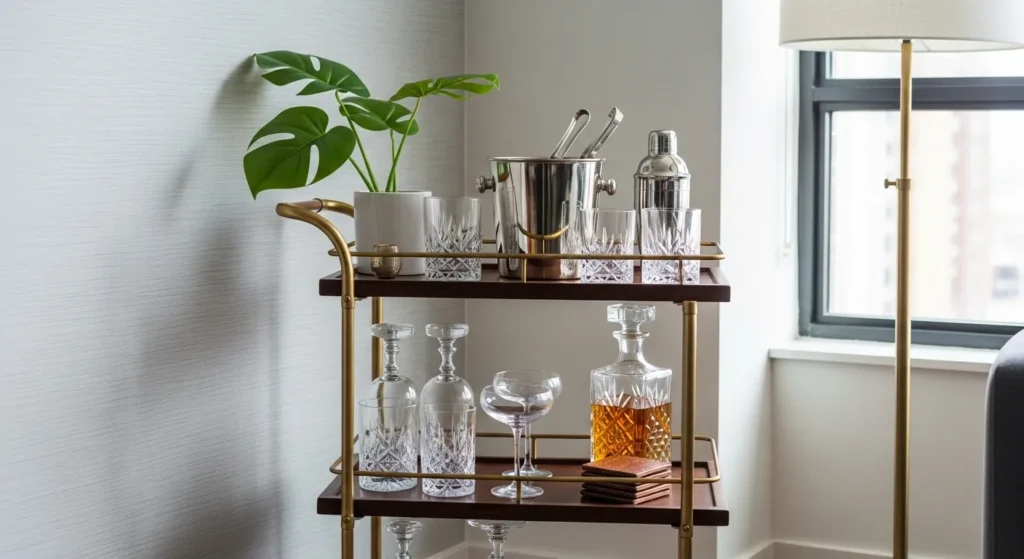
A small bar cart can turn an unused corner into a functional styling moment. Its compact structure keeps the space open while providing storage and display. This works well in living rooms or dining areas where you want a bit of personality.
Style it thoughtfully with glassware, one statement bottle, and a small decorative object. Avoid overcrowding shelves. The clean structure of the cart keeps the corner organized while adding charm and purpose.
11. Create a Meditation Corner
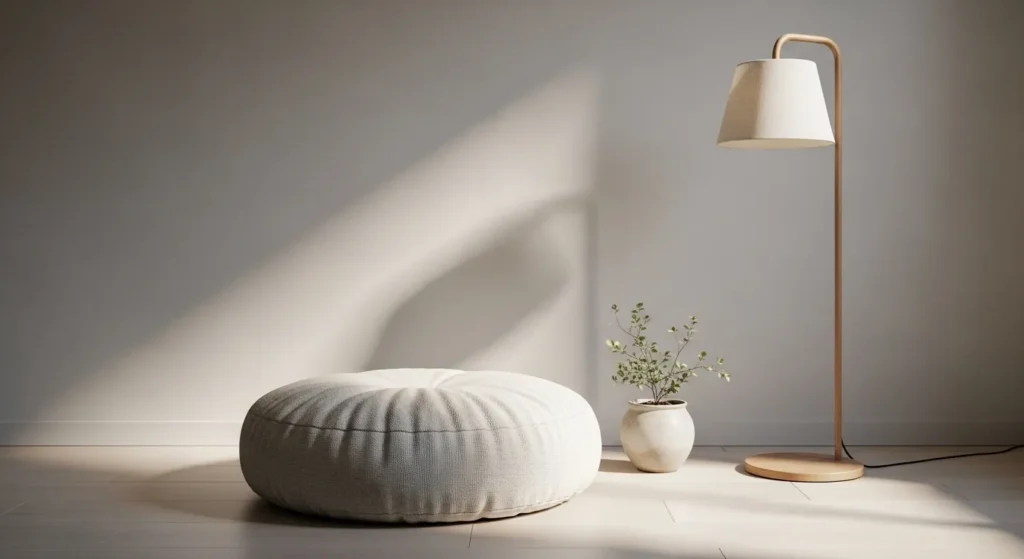
Transforming a corner into a quiet meditation spot adds emotional value to your space. A simple floor cushion or mat instantly defines the area without bulky furniture. This approach keeps the design minimal yet meaningful.
Add one calming element like a small plant or candle to create atmosphere. Keep the space uncluttered to maintain a sense of calm. The simplicity makes the corner feel intentional and restorative.
12. Add Built-In Corner Shelves
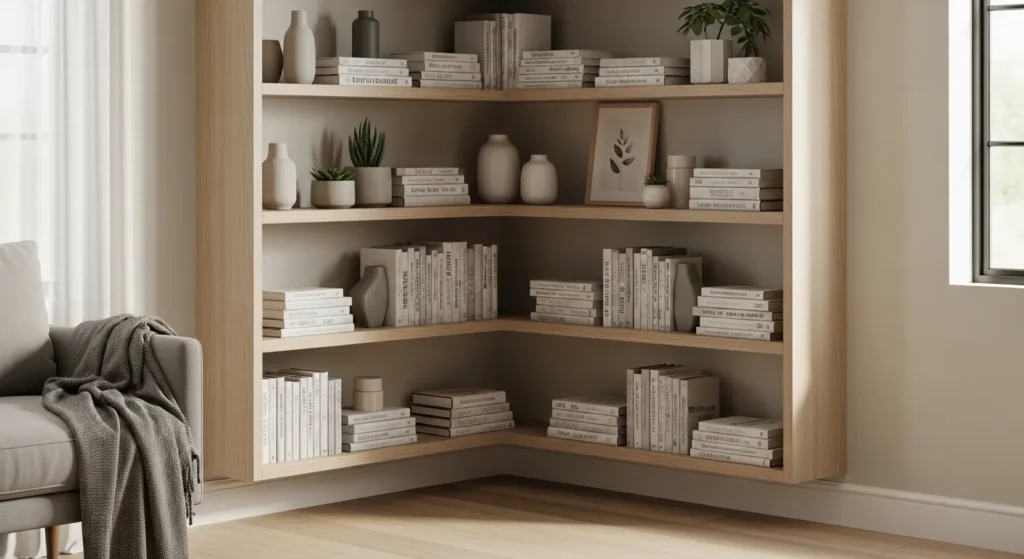
Built-in corner shelves create a seamless, architectural solution. Unlike bulky bookcases, they integrate directly into the wall, preserving floor space while adding storage and depth. This works especially well in small rooms that need extra organization.
Style the shelves with restraint to maintain balance. Combine books with a few curated objects to create rhythm. The built-in design makes the corner feel custom and thoughtfully planned rather than improvised.
13. Style a Corner Bench
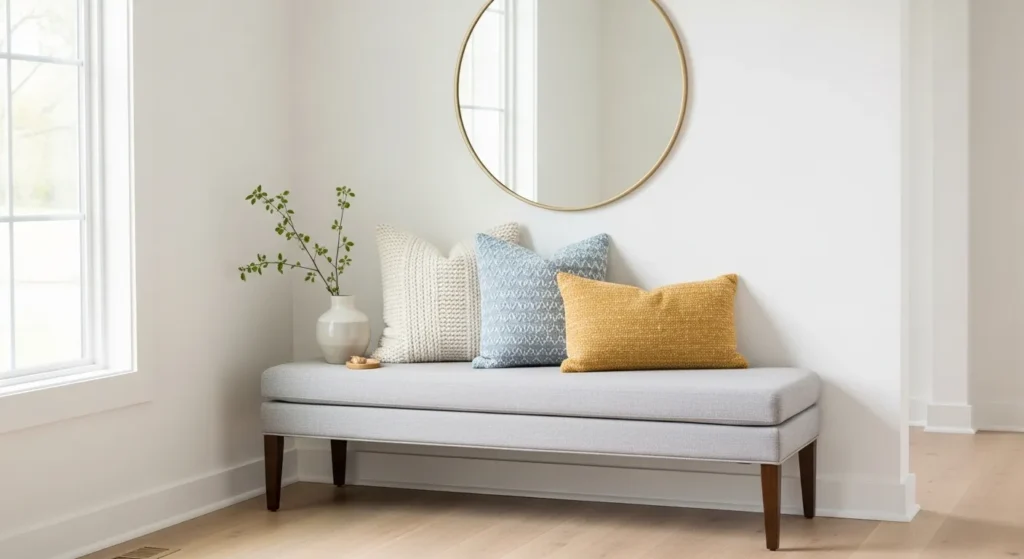
A slim bench can ground a corner while adding function. It works beautifully in entryways or bedrooms where seating is useful but space is limited. Choosing a narrow profile prevents the area from feeling boxed in.
Layer with one or two cushions for comfort without excess. The horizontal line of the bench balances vertical walls, creating visual harmony. This makes the corner feel anchored and cohesive.
14. Hang Corner Curtains
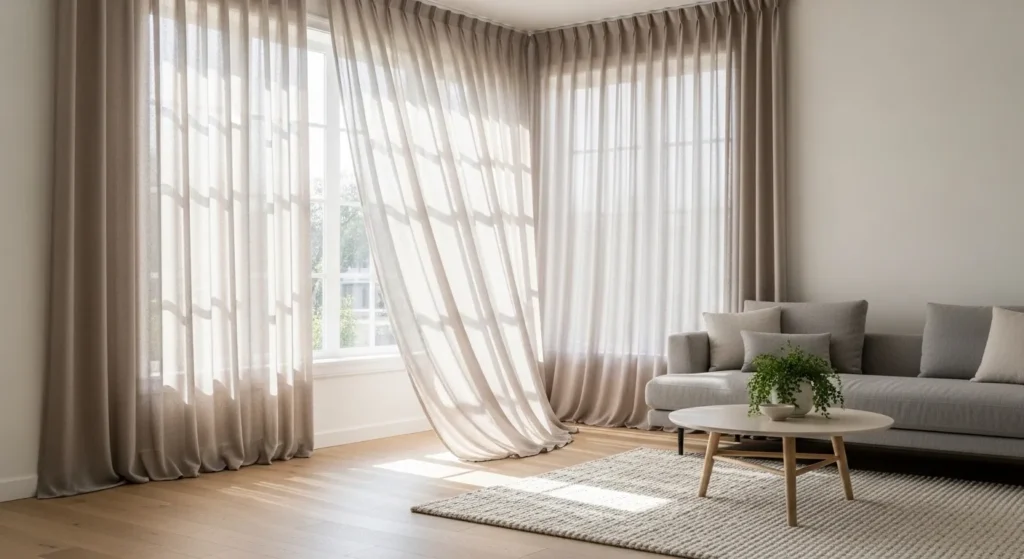
If your corner includes windows, wrapping curtains around both sides softens the architecture. The fabric adds height and elegance while making the room feel taller and more cohesive. Full-length panels enhance vertical flow.
Choose lightweight fabrics in neutral tones to avoid heaviness. Let them hang naturally without excessive layers. The result is a corner that feels soft, polished, and visually expanded.
15. Add a Small Accent Cabinet
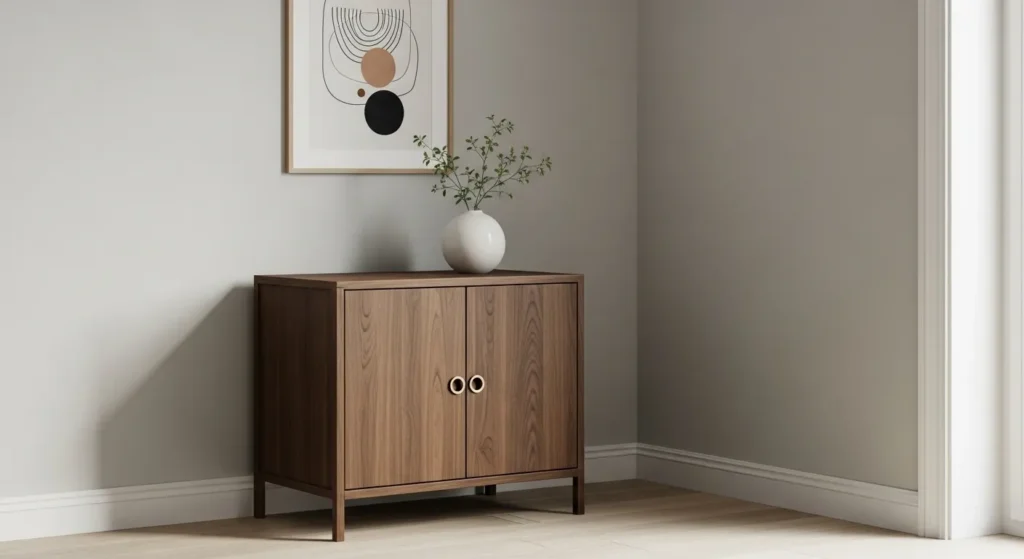
A compact cabinet fills the lower portion of a corner while providing concealed storage. This reduces clutter elsewhere in the room and keeps the overall look streamlined. Slim designs work best to maintain open pathways.
Keep the top decor minimal—perhaps a lamp or a single decorative object. Too many items will visually shrink the area. When balanced carefully, the cabinet makes the corner practical and refined.
16. Keep It Minimal With One Statement Piece
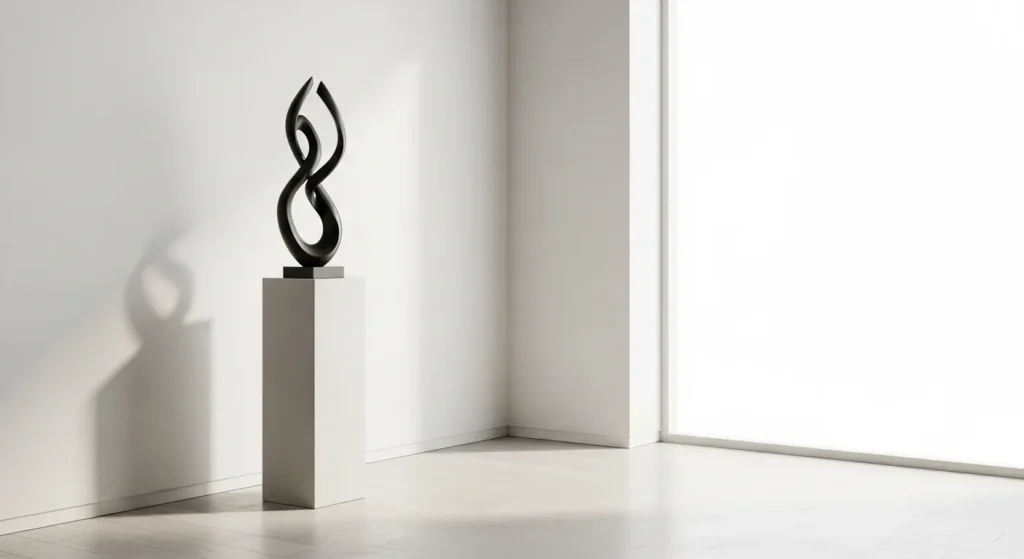
Sometimes the strongest design choice is simplicity. One bold sculptural piece or tall artwork can define the corner without adding layers of decor. This approach works especially well in modern or minimalist interiors.
Allow negative space around the statement item so it can breathe. Avoid pairing it with additional accessories that compete for attention. The result is a calm, intentional corner that feels curated and sophisticated rather than crowded.
Conclusion
Little corners may seem small, but they can completely change how a room feels. When styled with intention, they add balance, warmth, and purpose instead of looking forgotten or awkward. The key is choosing pieces that fit the scale of the space and avoiding overcrowding.
Whether you add a chair, a plant, shelves, or keep it minimal with one statement piece, every corner has potential. Focus on vertical space, clean proportions, and thoughtful styling. With just one smart change, your smallest corner can become one of the most beautiful spots in the room.
FAQs
1. How do you decorate a very small corner without cluttering it?
Stick to one main element and keep proportions slim. A tall plant, a narrow lamp, or a single chair works better than multiple small decor items. Use vertical height instead of floor space, and leave breathing room around your piece so the corner feels open and intentional.
2. What is the easiest way to fill an empty corner?
A large indoor plant or a tall floor lamp is usually the quickest solution. Both add height and visual interest without requiring complex styling. They instantly make the corner feel finished while keeping the design simple.
3. How can I make a corner look cozy?
Layer soft textures like throws, cushions, or warm lighting. A reading chair paired with a lamp creates an inviting nook. Soft materials and warm light naturally make small spaces feel comfortable and welcoming.
4. Should every corner in a room be decorated?
Not necessarily. Some negative space is important for balance. If a room already feels full, leaving a corner empty can actually help the space breathe. Decorate corners that feel awkward or visually unbalanced, but avoid overfilling just for the sake of it.
5. What works best for apartment corners?
Multi-functional pieces are ideal for apartments. Think floating shelves, fold-down desks, slim cabinets, or compact seating. These solutions maximize function while keeping the footprint small, which is essential in tighter layouts.