
As an Amazon Associate, I earn from qualifying purchases. This means I may earn a commission if you purchase through links on this page — at no extra cost to you.
Your search for the perfect ways to calculate wallpaper without wasting money ends here. These 16 ideas — including beautiful options like wallpaper — will inspire your next refresh.
Pinterest users love practical decorating advice that saves time, money, and stress. These tips cover everything from measuring walls accurately to accounting for pattern repeats and extra allowance for mistakes. Following these steps will make your wallpaper project smooth, efficient, and beautifully precise.
1. Measure Wall Height and Width Accurately
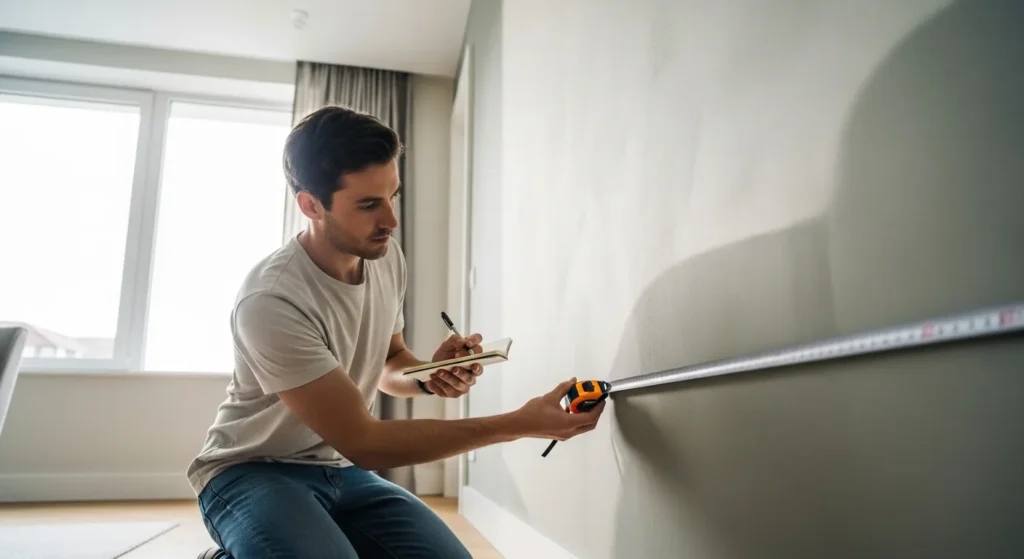
Start by measuring the height and width of each wall you plan to cover. Write down your measurements for each section, including any recesses, windows, or doors. Accuracy at this stage prevents ordering too much or too little wallpaper.
Pinterest users love detailed measurement tips because they ensure professional results. Taking precise dimensions allows you to calculate the exact number of rolls needed and reduces waste. This foundational step is key to saving money and avoiding frustration during installation.
2. Include Doors and Windows in Calculations
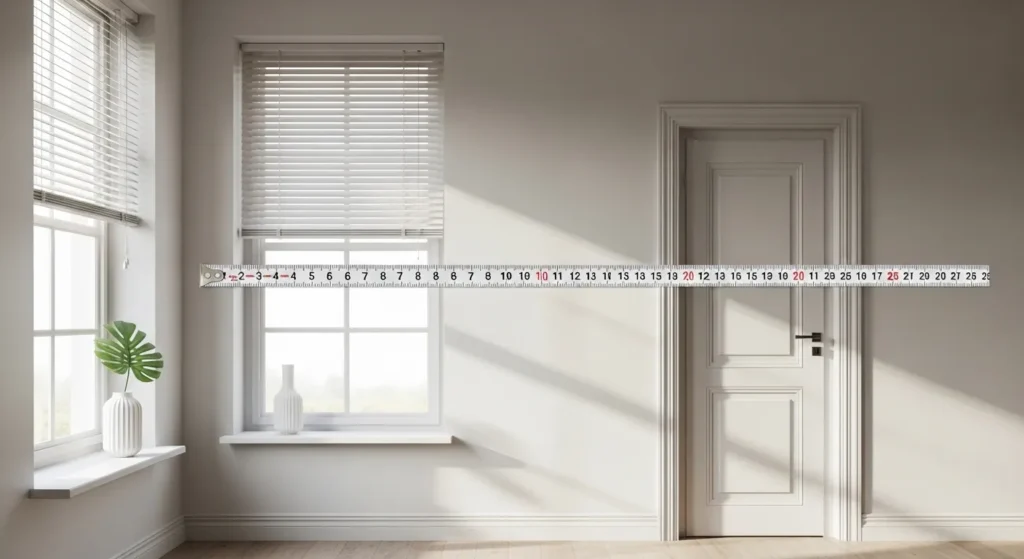
While it may be tempting to ignore doors and windows, accounting for them helps refine your calculations. Subtract the areas of doors and windows from the total wall space to determine the actual surface that needs wallpaper.
Pinterest audiences appreciate this tip because it prevents overordering. Ignoring openings can result in unnecessary expenses, while including them ensures you buy only what is required. It’s a simple step that saves money and keeps the project efficient.
3. Calculate Wall Area in Square Feet or Meters

Multiply the height by the width of each wall to find the area. For rooms with multiple walls, sum all areas to get the total square footage or meters. Accurate area calculations are essential before estimating the number of rolls.
Pinterest users love easy formulas for clarity. Knowing the exact wall area allows you to match your purchase to the manufacturer’s roll coverage. This avoids overbuying and ensures that all walls are fully covered without gaps or excess.
4. Check Wallpaper Roll Coverage

Each wallpaper roll has a coverage area printed on the packaging. Compare the total wall area to the roll coverage to determine how many rolls you need. Don’t forget to factor in the type of wallpaper, as textured or patterned rolls may require more material.
Pinterest audiences appreciate this tip because it links measurements to actual product use. Understanding roll coverage helps prevent mistakes and wasted money. It’s a critical step to match your room size to the exact number of rolls required.
5. Factor in Pattern Repeat
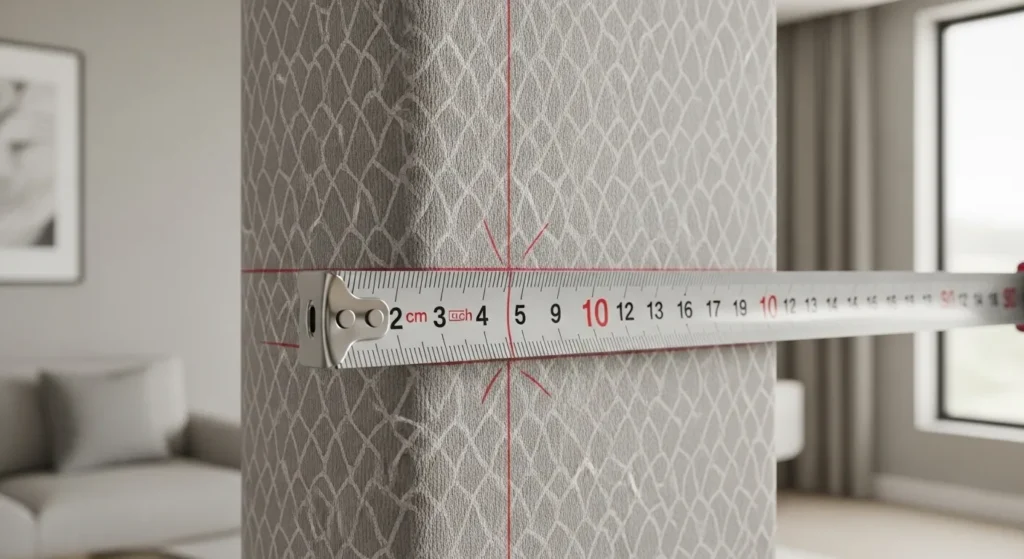
Wallpaper patterns often repeat every few inches or centimeters. To avoid mismatched seams, include the repeat in your calculations. Allow extra wallpaper for matching patterns across adjacent strips.
Pinterest users love this practical insight because ignoring pattern repeats is a common mistake. Accounting for repeats ensures seamless installation and reduces wasted rolls. This tip guarantees a professional-looking wall while avoiding costly errors.
🛒 Shop This Look:
6. Always Buy an Extra Roll
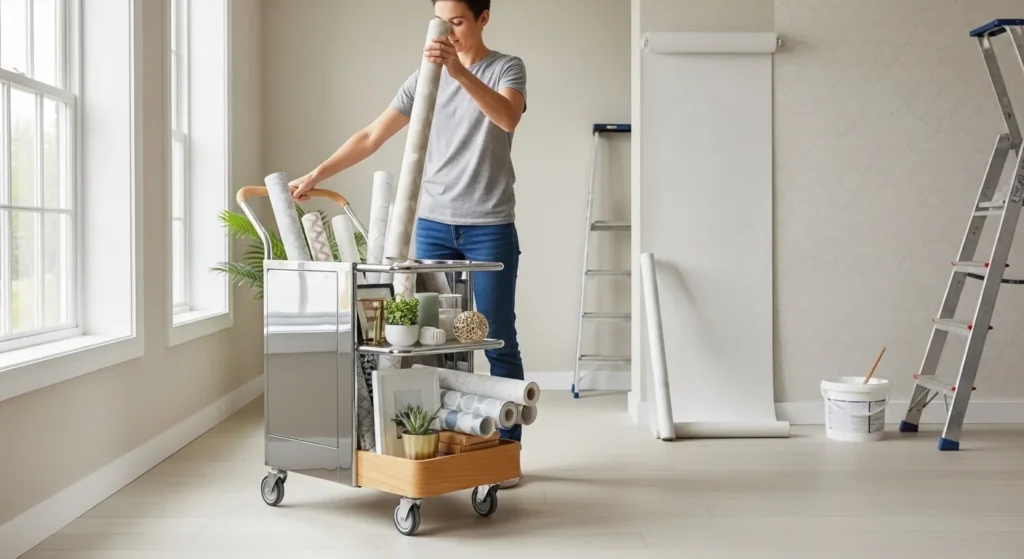
Even with accurate calculations, it’s wise to buy one extra roll. Mistakes, trimming, and pattern matching can require more than the calculated amount. Having an extra roll ensures continuity and prevents frustration mid-project.
Pinterest users appreciate this tip because it prevents interruptions and ensures consistency. It also acts as a backup in case a roll is damaged during installation. Spending a little extra upfront can save money and headaches in the long run.
7. Use a Wallpaper Calculator Tool

Many wallpaper brands and home décor websites offer online calculators. Input your wall dimensions and pattern repeat to get a recommended number of rolls. These tools simplify the math and reduce human error.
Pinterest audiences love digital solutions because they save time and increase accuracy. A calculator ensures you don’t overestimate or underestimate, which helps prevent both waste and overspending. It’s a modern, efficient approach to planning a wallpaper project.
8. Measure Twice, Cut Once
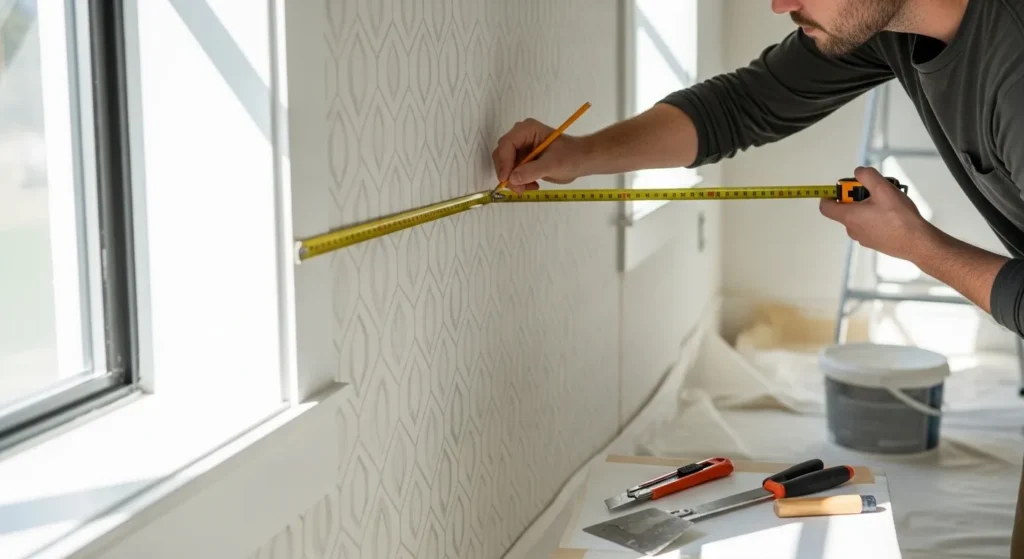
Before cutting wallpaper, double-check your measurements. Accurate cuts reduce mistakes and leftover scraps. Always measure each strip carefully to match patterns and lengths.
Pinterest users love this reminder because careful preparation prevents unnecessary waste. Small errors can quickly add up in both cost and time. Measuring twice ensures that your wallpaper fits perfectly and looks professional.
9. Account for Wall Irregularities
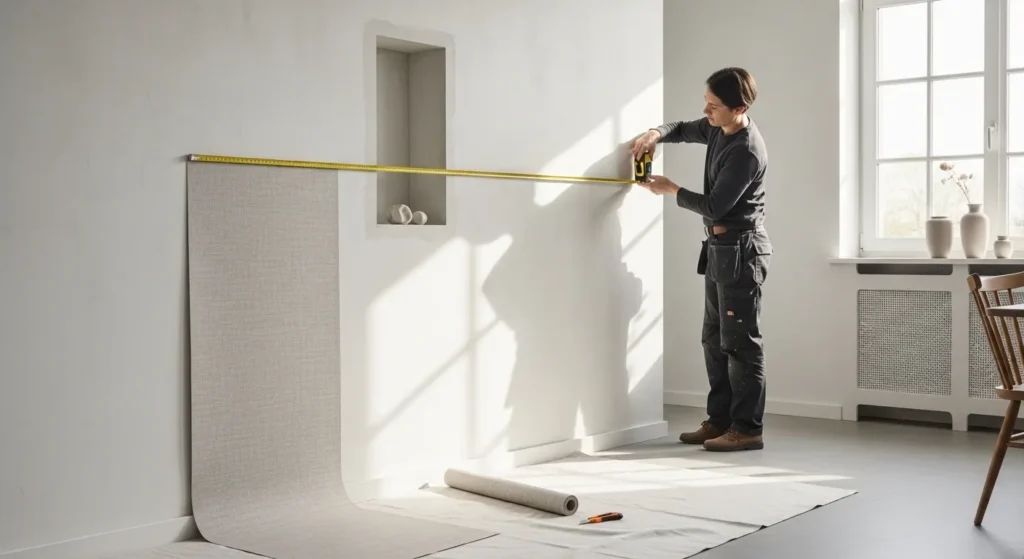
Walls are rarely perfectly smooth or rectangular. Account for irregularities like alcoves, protrusions, or slanted ceilings when calculating your wallpaper needs. This ensures full coverage without surprises.
Pinterest audiences appreciate this tip because it helps avoid underestimating material needs. Considering imperfections prevents gaps, misaligned patterns, or repeated trips to the store. It’s a practical step for any flat or older home.
🛒 Shop This Look:
10. Keep Track of Roll Numbers and Batches
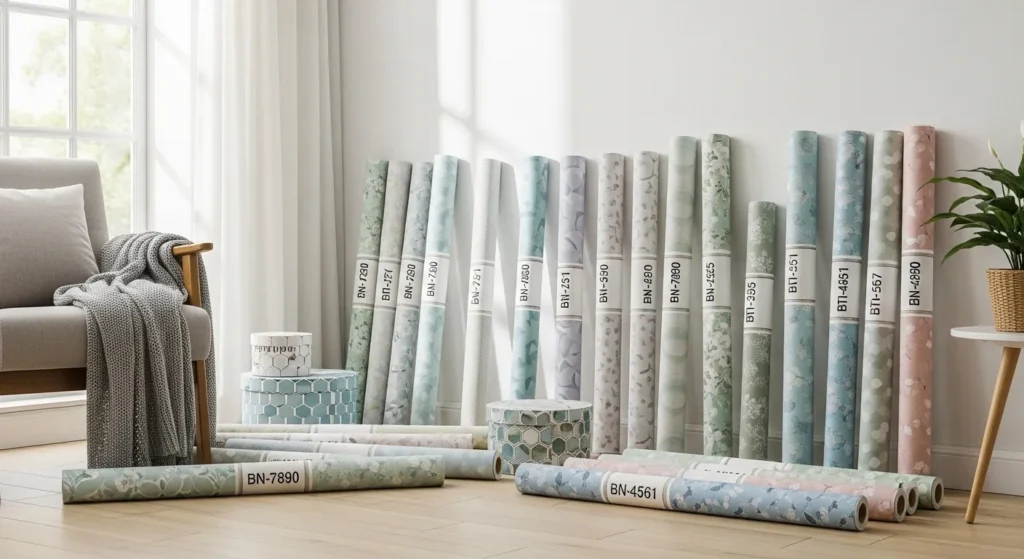
Wallpaper from the same batch has consistent color and pattern. Always note the batch number and purchase rolls from the same batch to avoid mismatched shades or patterns. This is crucial for large walls or multiple rooms.
Pinterest users love this tip because it prevents subtle but noticeable inconsistencies. Tracking batches ensures uniformity and a professional finish. It’s a small detail that saves money and avoids the frustration of discovering differences after installation.
11. Measure Each Wall Separately
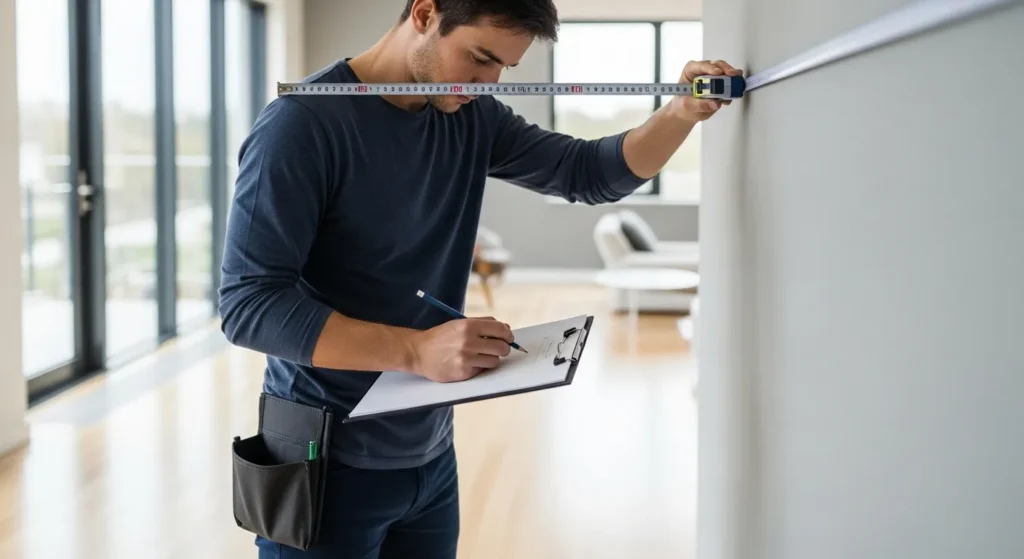
Each wall should be measured individually instead of assuming uniform dimensions. Some walls may be slightly wider or taller due to construction variations. Writing down each measurement ensures you account for every inch.
Pinterest users appreciate this tip because it helps prevent surprises during installation. Small differences can affect pattern alignment and material needs. Measuring walls separately ensures precision and minimizes wasted wallpaper rolls.
12. Include Doors, Windows, and Obstacles
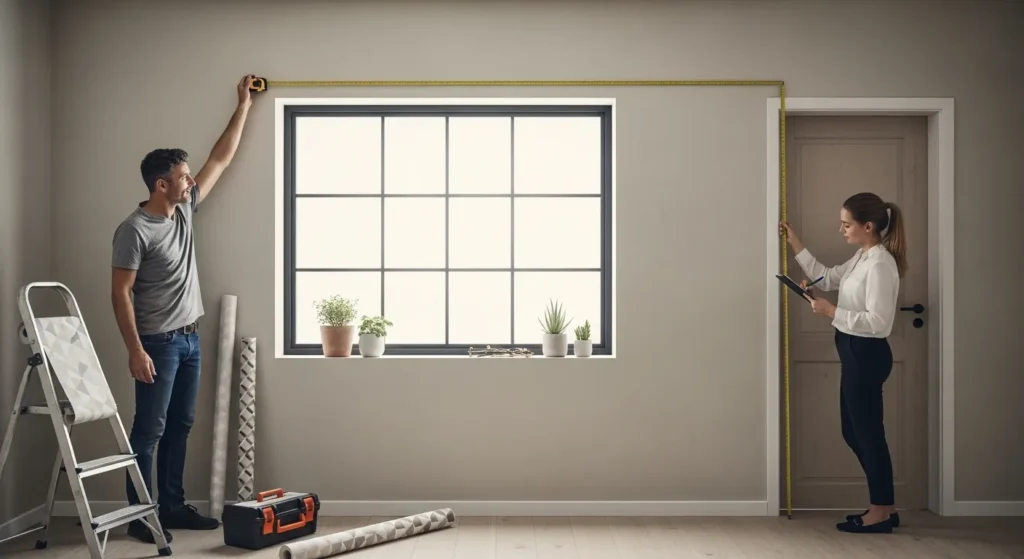
Subtract the area of doors, windows, and other obstacles from the total wall area. This prevents overestimating the amount of wallpaper needed while still allowing for trims and overlaps.
Pinterest audiences love practical advice that saves money. Considering openings in your calculation ensures you purchase just the right amount, reducing waste and leftover rolls while keeping the project efficient.
13. Consider Wall Height Variations
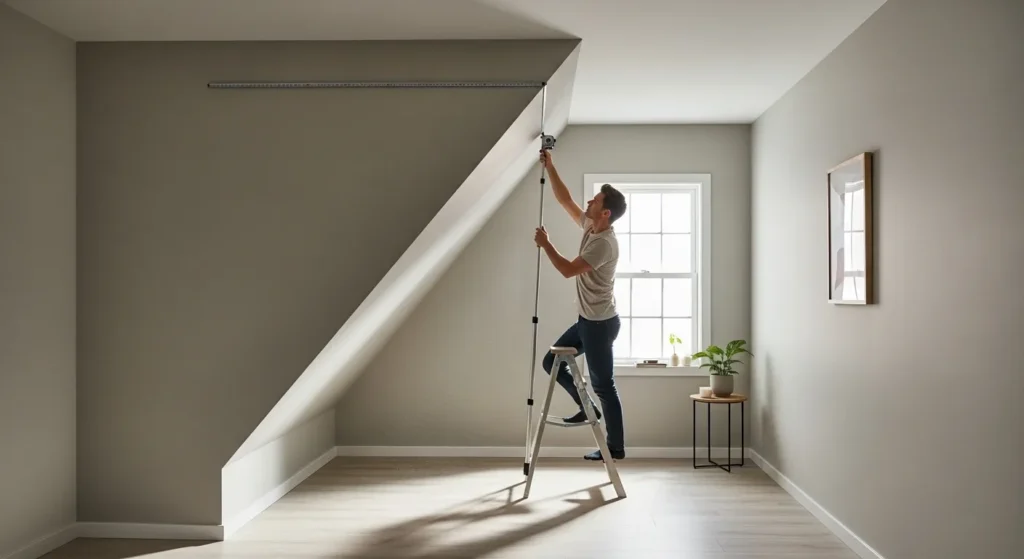
If ceilings are uneven or sloped, take multiple measurements along the wall’s height. Use the tallest measurement for your calculations and trim extra as needed for the lower sections.
Pinterest users find this helpful because it prevents running short on wallpaper in tricky areas. Accounting for height variations ensures each strip fits correctly, reducing mistakes and avoiding costly waste.
🛒 Shop This Look:
14. Plan for Pattern Matching

Patterned wallpaper requires extra material for alignment. Check the manufacturer’s repeat length and factor it into your calculation. Misaligned patterns can waste an entire strip if not planned properly.
Pinterest audiences love this tip because it guarantees professional-looking results. Including pattern repeats prevents mismatched seams, saves time during installation, and reduces wasted rolls, making your project more cost-effective.
15. Round Up Calculations
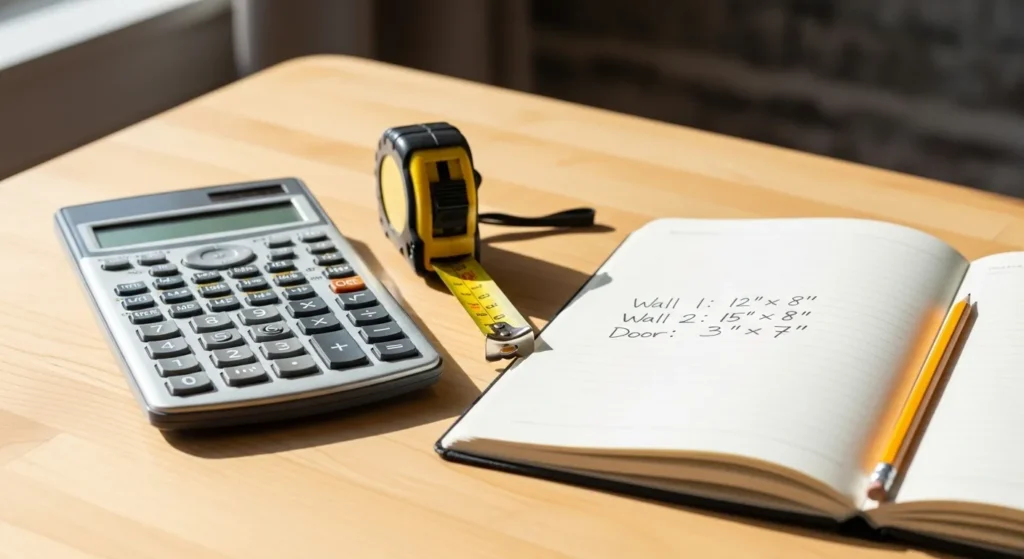
Always round up the number of rolls to the nearest whole number. Even precise calculations may fall short due to trimming, miscuts, or slight mismeasurements.
Pinterest users love this tip because it’s simple yet essential for avoiding frustration. Rounding up ensures you have enough wallpaper without buying excessive extras, striking the perfect balance between economy and preparedness.
16. Keep Leftover Wallpaper for Repairs

Save any leftover wallpaper after installation. Extra material can be used for future repairs, patching, or small projects, ensuring you don’t have to buy an entirely new roll later.
Pinterest audiences appreciate this tip for its practicality. Storing remnants reduces waste and saves money, giving peace of mind that any future damage can be fixed easily. It’s a smart, sustainable approach to wallpaper projects.
Conclusion
Calculating wallpaper without wasting money is all about careful measurement, planning, and preparation. From measuring each wall and accounting for doors and windows to factoring in pattern repeats and rounding up rolls, every step helps ensure a professional-looking finish without overspending.
Taking the time to plan reduces waste, prevents mistakes, and saves money. Whether you are redecorating a single room or multiple walls, following these tips guarantees a smooth, efficient project. With thoughtful calculations and a little extra preparation, your walls will look flawless while keeping your budget intact.
Accounting for Pattern Repeat Waste
Pattern repeat is the hidden cost multiplier in wallpaper projects. A wallpaper with a 12-inch repeat wastes far less than one with a 24-inch repeat because each cut must align the pattern at the seams. As a rule of thumb, add 10 percent extra for small repeats under 12 inches, 15 percent for medium repeats, and 20 to 25 percent for large repeats over 20 inches.
Always round up to full rolls, never order partial rolls. Dye lots vary between production runs, and a roll from a different lot can show a visible color shift on the wall. Ordering all rolls from the same lot at once is the only way to guarantee consistency. Keep one unopened roll after installation for future repairs.