
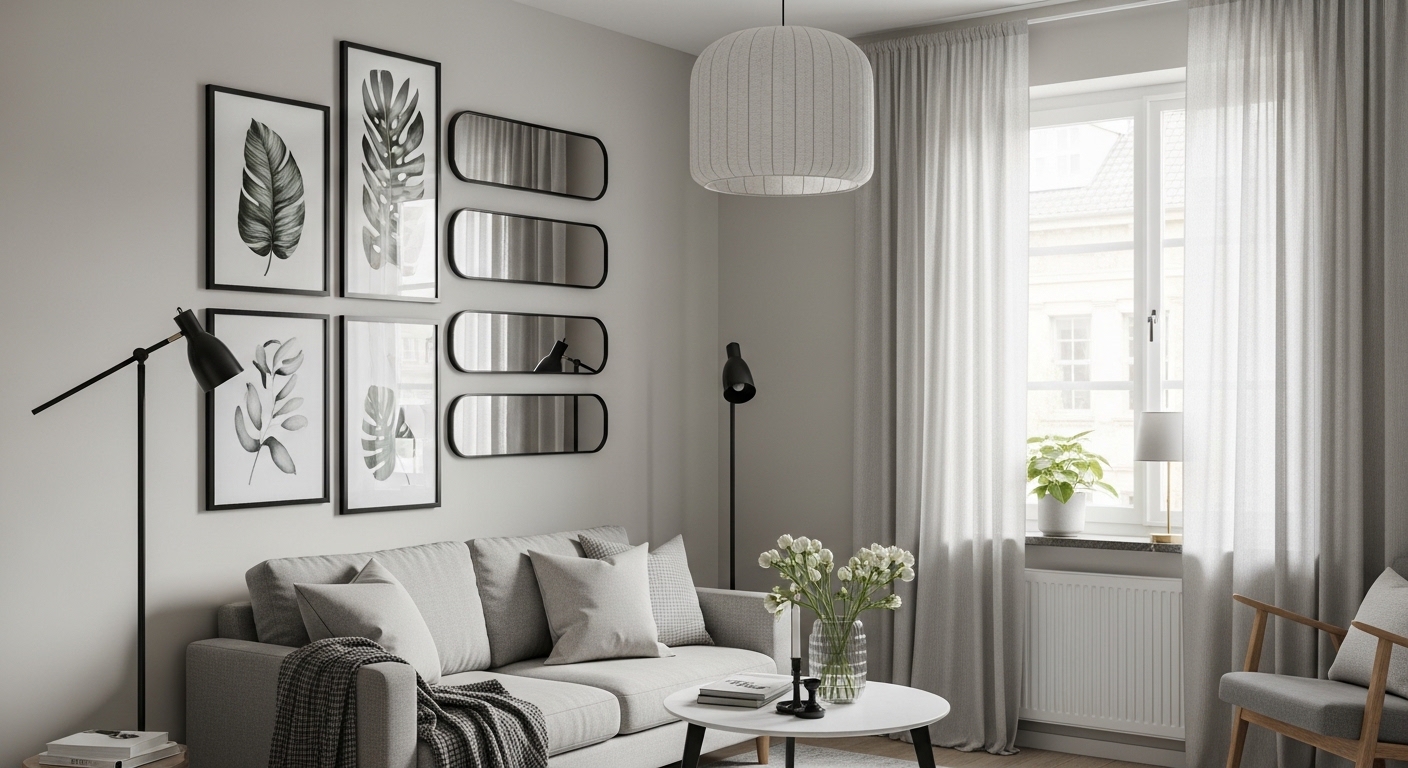
Blank walls can make a room feel unfinished, especially when the wall is tall or narrow. Many people try to decorate horizontally, which works for wide walls but often leaves vertical space feeling empty and awkward. When the eye stops halfway up the wall, the room can feel visually flat and slightly unbalanced.
Vertical wall decor solves this problem beautifully. By guiding the eye upward, it naturally makes ceilings feel taller and spaces feel more open. This approach works particularly well in small rooms, narrow hallways, apartments, and modern homes where maximizing visual height helps the entire room breathe.
The best part is that vertical decorating does not require complicated design skills. Simple arrangements like stacked frames, tall mirrors, or vertical shelves can transform an empty wall into a striking focal point while still keeping the room clean and uncluttered.
1. Create a Vertical Gallery Wall
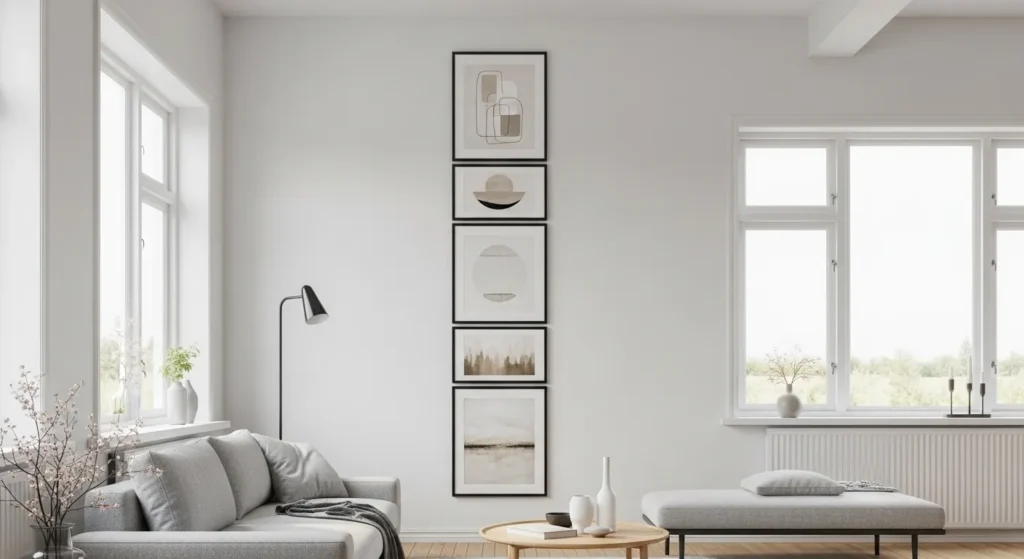
A vertical gallery wall is one of the most effective ways to decorate tall or narrow spaces. Instead of spreading artwork across the wall horizontally, stacking frames upward creates a strong visual line that naturally draws the eye toward the ceiling. This trick instantly makes a room feel taller and more balanced while turning an empty wall into a stylish design feature.
To keep the arrangement cohesive, use frames in the same color or finish. Black, wood, or soft gold frames work especially well because they create a clean visual rhythm. You can mix different types of artwork such as photography, abstract prints, or simple illustrations, but keeping the spacing even helps the display feel intentional rather than random.
2. Install Floating Shelves in a Vertical Column
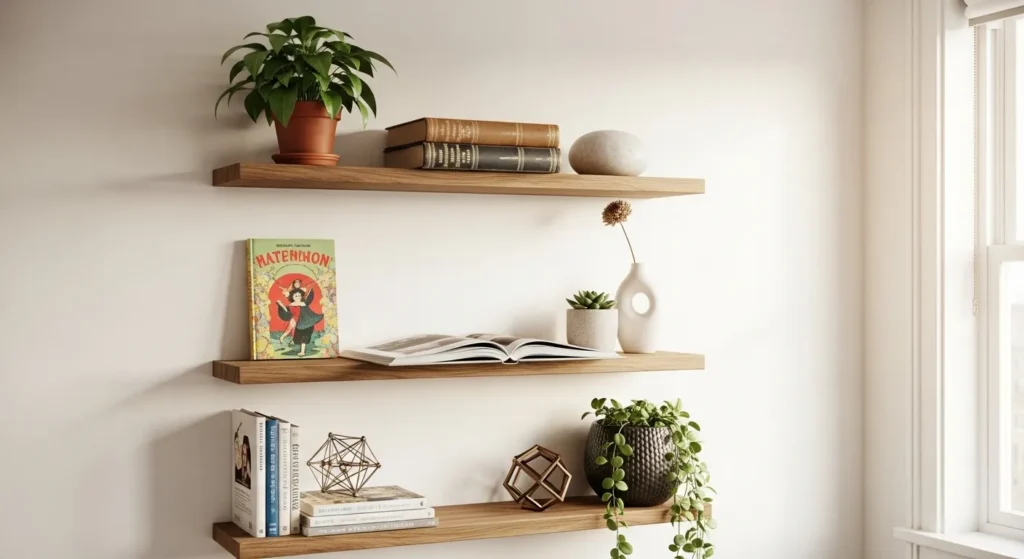
Floating shelves are often installed in long horizontal rows, but placing them vertically can create a much more interesting wall composition. Stacking two to four shelves in a column uses height instead of width, which works perfectly for narrow walls or empty spaces beside furniture.
Styling is important for this type of display. A balanced mix of books, small plants, and sculptural decor objects keeps the shelves visually interesting without overwhelming the wall. Leave small areas of empty space on each shelf so the arrangement feels light and breathable instead of crowded.
3. Hang a Tall Statement Mirror
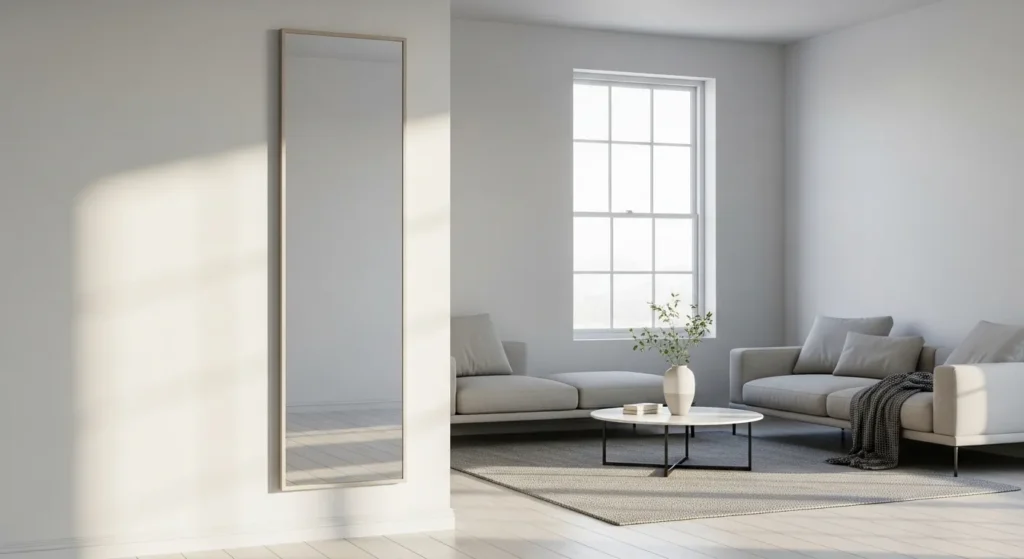
A tall mirror is both decorative and practical. Its reflective surface captures light from windows and lamps, helping the entire room feel brighter and more open. When placed vertically, the mirror emphasizes height and creates the illusion of more space, which is especially useful in smaller rooms.
Choose a mirror with a slim frame so the focus stays on the reflection rather than the border. Placing the mirror near natural light sources enhances its impact even more. In hallways, bedrooms, or living rooms, a tall mirror can easily become a beautiful focal point while also improving the room’s overall brightness.
4. Use Vertical Wall Panels
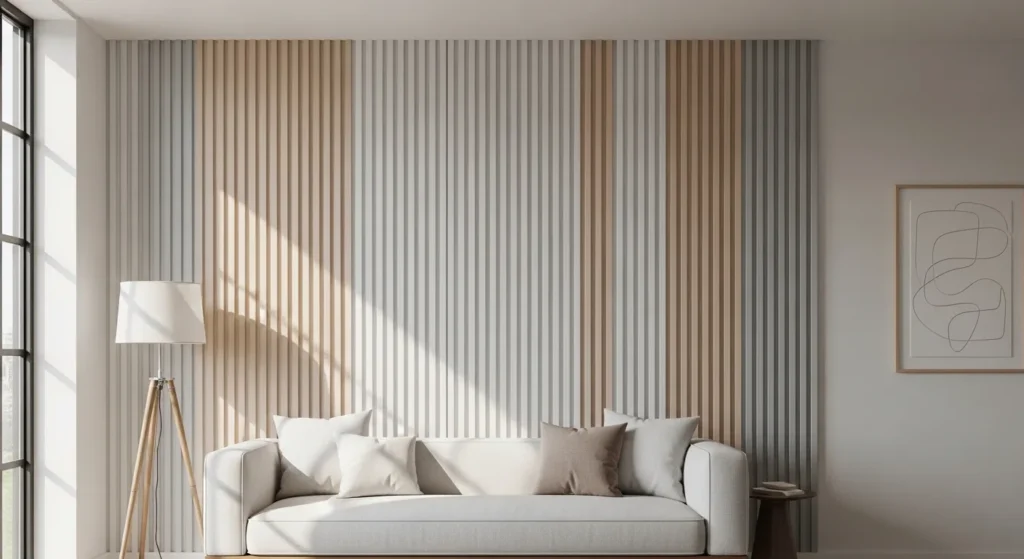
Vertical wall panels add architectural depth while guiding the eye upward. The clean lines create a sense of structure and sophistication that works beautifully in modern interiors. Even simple panel designs can make a plain wall feel more custom and thoughtfully designed.
For a subtle effect, paint the panels the same color as the surrounding wall. This keeps the design calm while still adding texture. If you want more visual contrast, choose a slightly darker shade within the same color family to create depth without making the wall feel heavy.
5. Hang a Vertical Fabric Tapestry
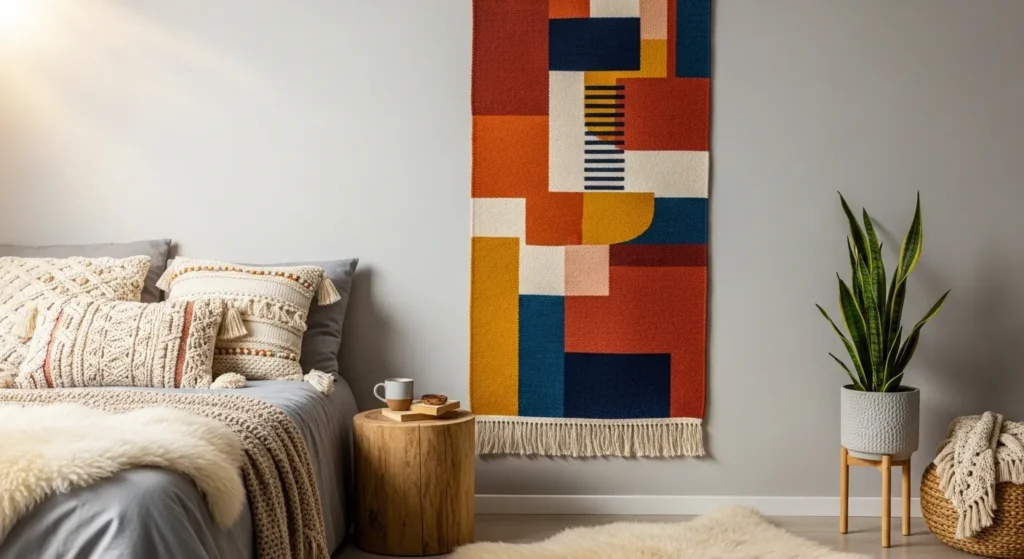
Fabric wall hangings bring softness and warmth that framed art sometimes lacks. A vertical tapestry introduces texture, movement, and color while still feeling relaxed and natural. This makes it an excellent choice for bedrooms, reading corners, or cozy living spaces.
Look for designs with subtle vertical patterns or flowing shapes that enhance the sense of height. Neutral tones keep the space calm, while woven details add visual richness. Because fabric absorbs light differently than frames or glass, it creates a gentle layered look that feels inviting.
6. Add Vertical Wall Planters
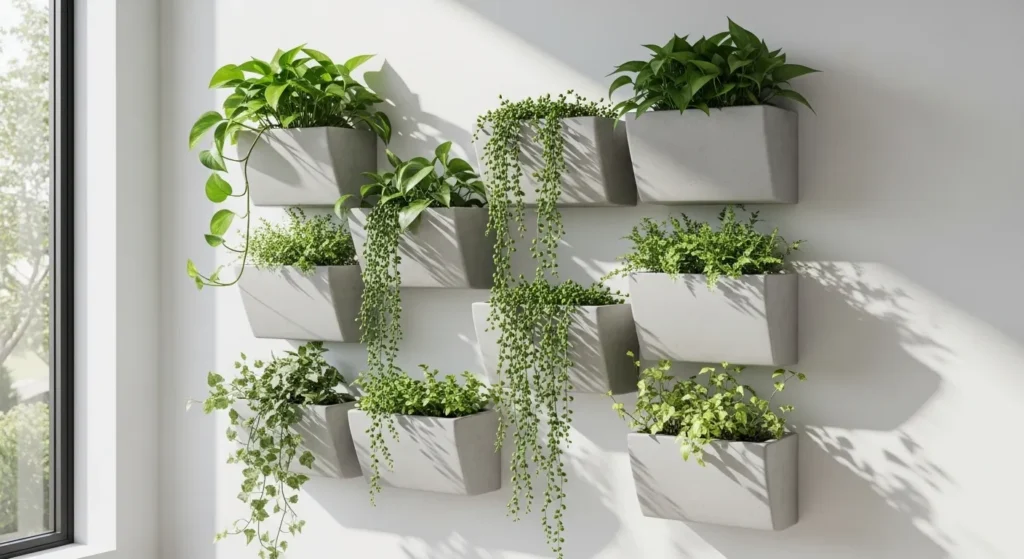
Vertical wall planters turn your wall into living decor. By stacking small planters upward, you create a mini vertical garden that adds color, freshness, and movement to the space. Plants naturally soften the look of walls and make interiors feel more alive.
Trailing plants such as pothos, ivy, or string of pearls work particularly well because their vines cascade downward, creating beautiful layered greenery. Combining vertical planters with neutral walls allows the plants to stand out while still keeping the design clean and modern.
7. Install a Decorative Ladder
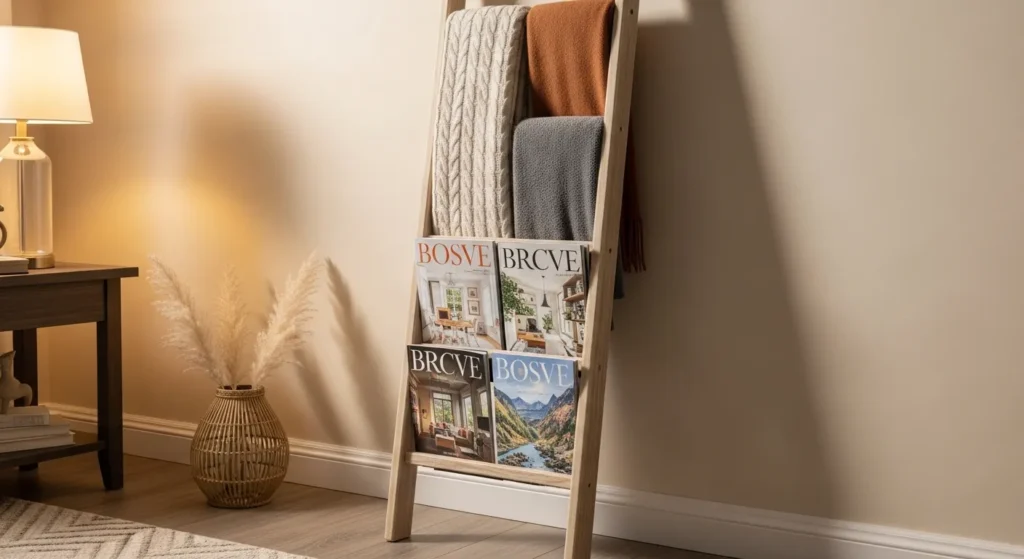
A leaning decorative ladder is a stylish and practical way to fill vertical space. Its tall shape naturally complements narrow walls while keeping the overall look light and open. Because it simply leans against the wall, it also feels relaxed and easy to rearrange whenever needed.
Use the ladder to display throws, small blankets, or magazines to add texture and personality. Keeping the styling minimal prevents the corner from feeling crowded. The ladder becomes a functional decor element that adds height and warmth without requiring permanent installation.
8. Stack Small Art Prints
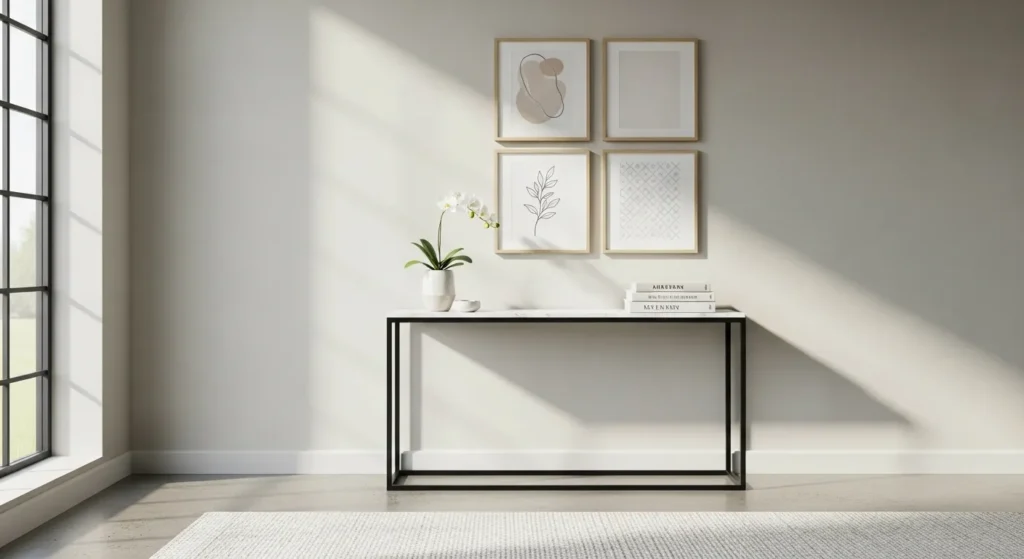
Stacking small art prints vertically is a simple but very effective way to decorate a narrow section of wall. Instead of spreading artwork across the wall, placing frames one above the other creates a clean column that draws attention upward. This technique works beautifully above slim furniture like console tables, desks, or small dressers where horizontal space is limited.
For the best visual balance, keep the frames the same size and style. Matching frames create a structured look that feels calm and organized. Choose artwork that shares a similar color palette so the display feels cohesive. This vertical arrangement is especially useful in apartments and small homes where every wall needs to work harder visually.
9. Hang Vertical Wall Sculptures
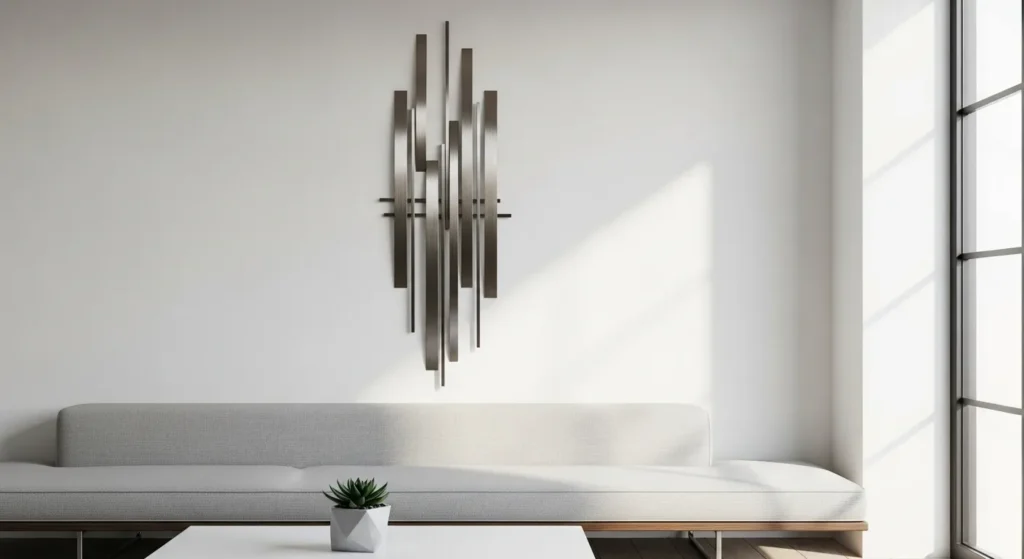
Wall sculptures introduce dimension and texture that flat artwork cannot provide. When arranged vertically, sculptural pieces create movement and depth while emphasizing the height of the wall. This makes the space feel more dynamic and visually layered without adding physical bulk.
Metal, wood, or ceramic sculptures can all work beautifully depending on your interior style. In modern spaces, abstract metal pieces add sophistication and shine as they reflect light. Because the artwork extends slightly from the wall, it creates subtle shadows throughout the day, giving the wall a constantly changing visual effect.
10. Use Vertical Wallpaper Panels
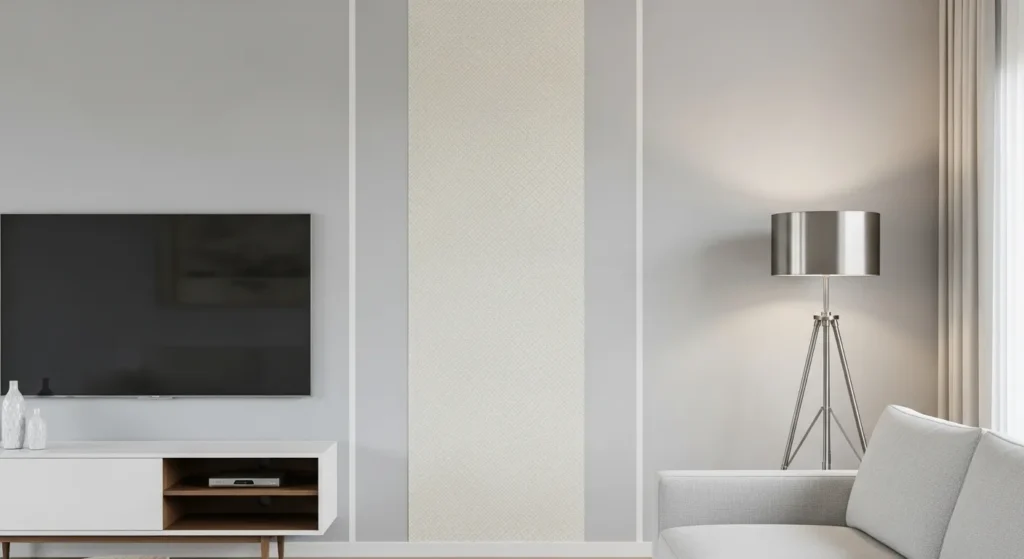
Wallpaper doesn’t have to cover an entire wall to make an impact. A single vertical wallpaper panel can add pattern and color while still keeping the space balanced. This technique works especially well on narrow walls where full wallpaper might feel overwhelming.
Choose patterns that emphasize vertical lines or elongated shapes. Subtle stripes, textured prints, or soft geometric patterns help guide the eye upward. By limiting wallpaper to a tall vertical section, you create a stylish focal point that enhances the room without dominating it.
11. Install Wall Sconces in a Vertical Line
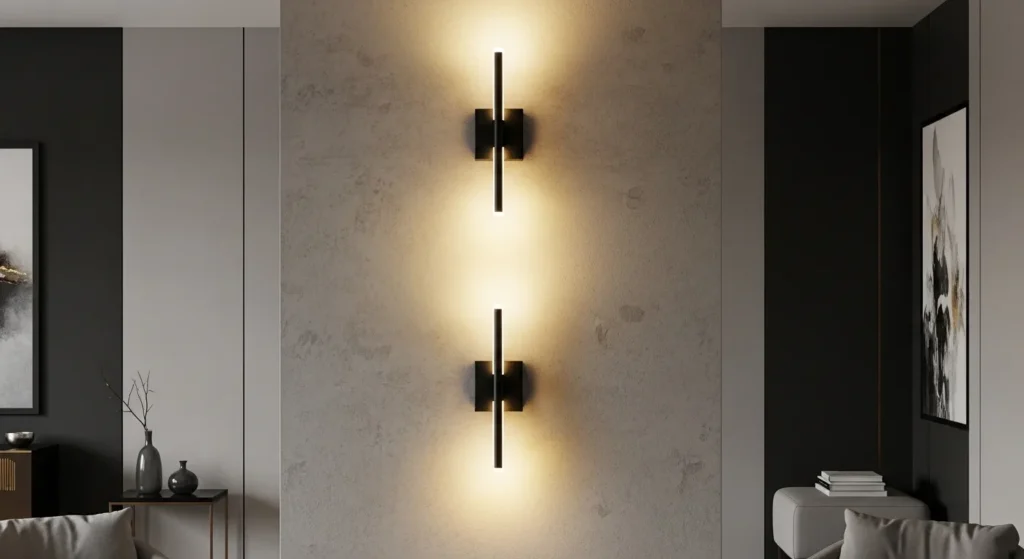
Wall sconces are both functional and decorative, making them perfect for vertical wall styling. Installing two or three sconces in a vertical arrangement creates a striking lighting feature that also enhances the sense of height in the room.
This setup works particularly well in hallways, bedrooms, or beside mirrors. Choose slim, modern fixtures so the wall remains visually light. The soft glow from the lights adds warmth and atmosphere, turning the wall into a layered design element rather than just a background surface.
12. Add a Tall Chalkboard or Whiteboard
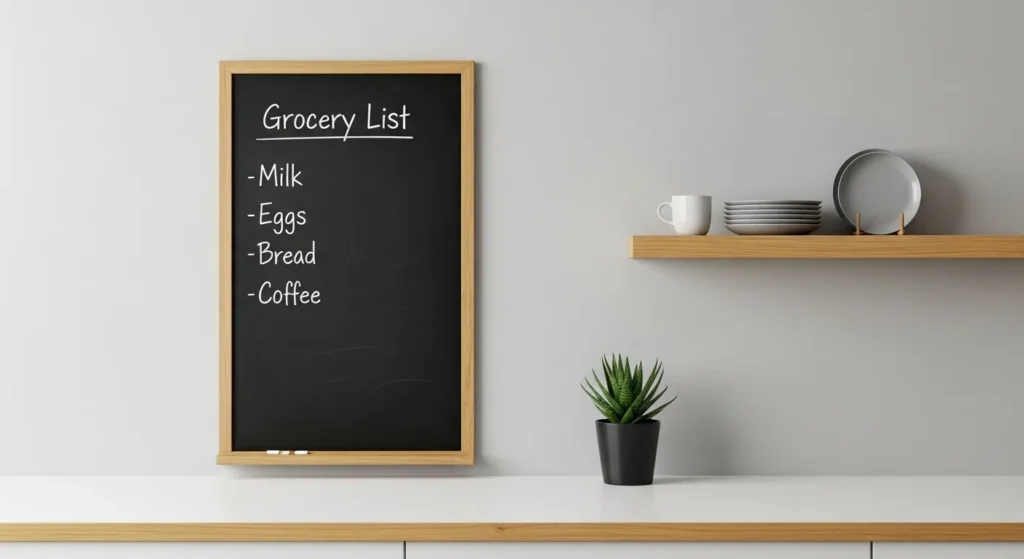
A tall chalkboard or whiteboard combines decoration with practicality. Its vertical shape makes it ideal for narrow walls in kitchens, home offices, or creative spaces. Besides being useful for notes and reminders, it also adds a graphic visual element to the room.
Framing the board with wood or metal can elevate the design and help it blend with the rest of the decor. Keeping the surrounding wall minimal ensures the board stands out without making the space feel cluttered. It becomes both a functional tool and a decorative feature.
13. Hang a Vertical Series of Woven Baskets
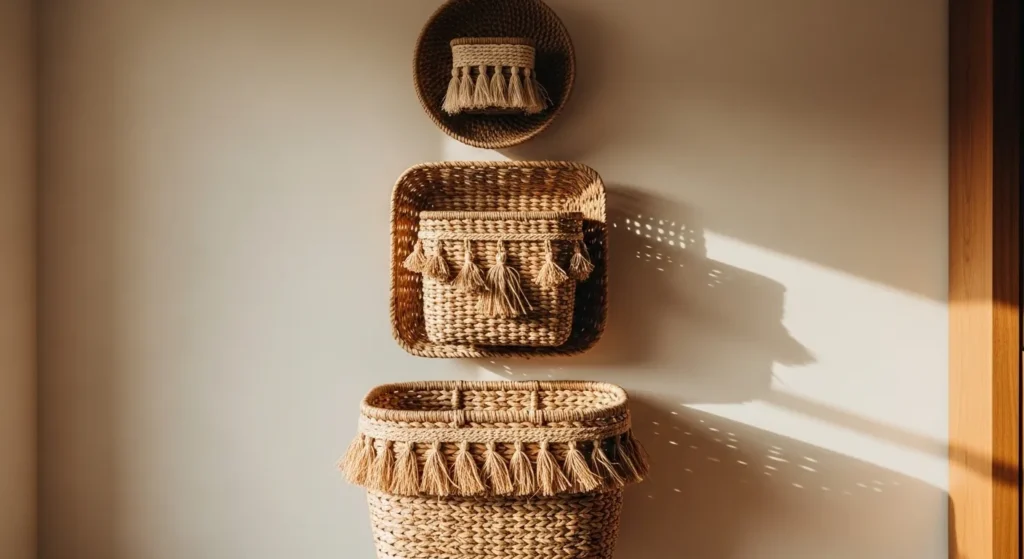
Woven baskets add natural texture and warmth to a wall while keeping the design light and organic. Arranging them vertically creates a balanced display that fills empty space without the heaviness of traditional framed art.
Choose baskets with similar tones but slightly different patterns or weaves to add subtle variety. Natural materials like rattan, seagrass, or bamboo complement many decor styles, from bohemian to modern farmhouse. This arrangement brings warmth and handcrafted charm into the room.
14. Install a Tall Pegboard Wall
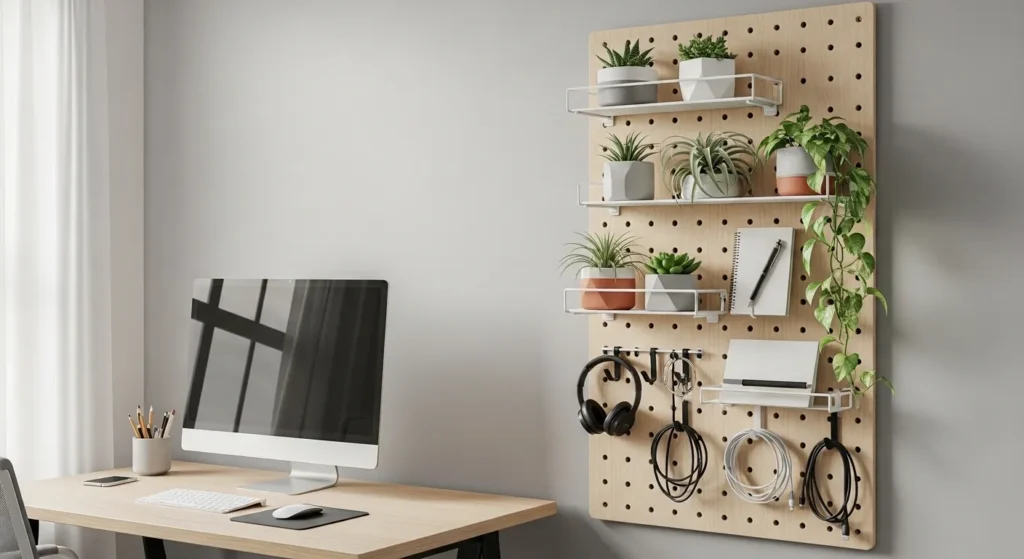
A pegboard wall offers one of the most flexible vertical decor solutions. The grid design allows you to rearrange hooks, shelves, and containers whenever your needs change. This makes it ideal for workspaces, craft rooms, or even kitchens where organization matters.
Because everything is displayed vertically, the wall stays functional without consuming floor space. Adding a few decorative elements such as plants or framed prints keeps the pegboard visually interesting while still maintaining its practical purpose.
15. Choose One Oversized Vertical Artwork
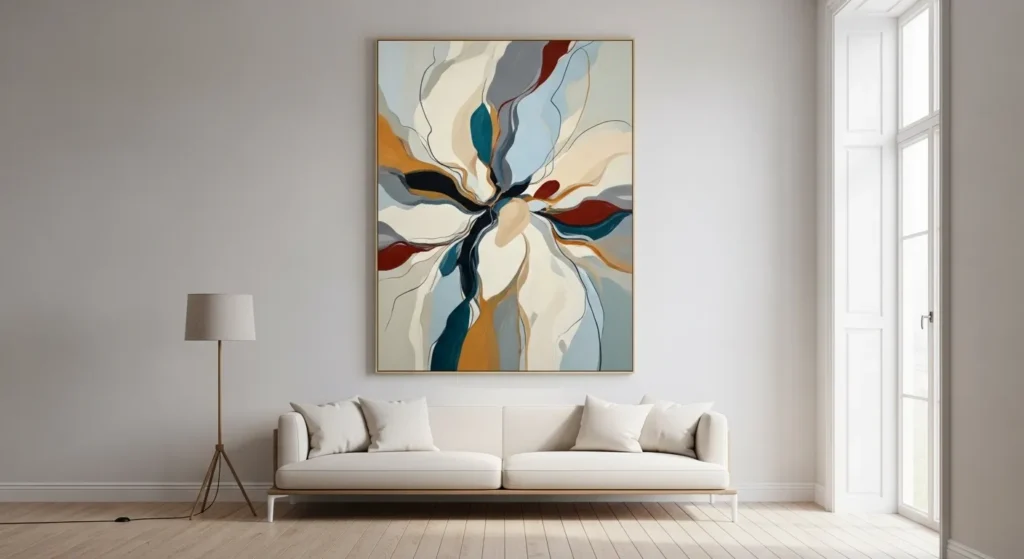
Sometimes the most powerful wall decor choice is simplicity. A single oversized vertical artwork can dominate the wall in the best possible way, creating a strong focal point that immediately draws attention.
Large artwork works particularly well on tall walls where smaller pieces might look lost. Choosing bold colors or expressive brush strokes can energize the entire room. Leaving plenty of empty space around the artwork allows it to breathe and keeps the overall design feeling balanced and sophisticated.
Conclusion
Vertical wall decor is one of the easiest ways to transform blank walls into visually striking features. By focusing on height instead of width, these decorating ideas naturally guide the eye upward and make rooms feel taller and more spacious. Even small apartments or narrow walls can benefit greatly from this simple design strategy.
Whether you prefer artwork, shelves, mirrors, or greenery, vertical arrangements help create structure and balance in a room. The key is choosing pieces that complement your interior style while maintaining clean spacing so the wall does not feel overcrowded.
With thoughtful placement and a little creativity, vertical decor can completely change how a room looks and feels. What once seemed like an awkward wall can quickly become a beautiful focal point that adds personality, height, and style to your home.
FAQs
1. What is vertical wall decor?
Vertical wall decor refers to decorative elements arranged upward rather than across the wall. Examples include stacked artwork, tall mirrors, vertical shelves, wall panels, and hanging planters that emphasize height and guide the eye upward.
2. Why does vertical decor make a room look bigger?
Vertical decor draws attention toward the ceiling, which creates the illusion of taller walls. This visual trick makes small rooms feel more spacious and balanced.
3. How do you decorate a narrow wall vertically?
Stacking frames, installing floating shelves in a column, hanging tall mirrors, or adding vertical planters are all effective ways to decorate narrow walls without making them feel cluttered.
4. What are the best vertical wall decor ideas for small spaces?
Some of the best ideas include vertical gallery walls, floating shelf columns, tall mirrors, decorative ladders, wall sconces, and vertical plant displays because they add height without using floor space.
5. Should vertical wall decor be centered?
Centering often creates the most balanced look, especially above furniture. However, vertical decor can also align with architectural features like corners, door frames, or windows to create a more dynamic layout.