
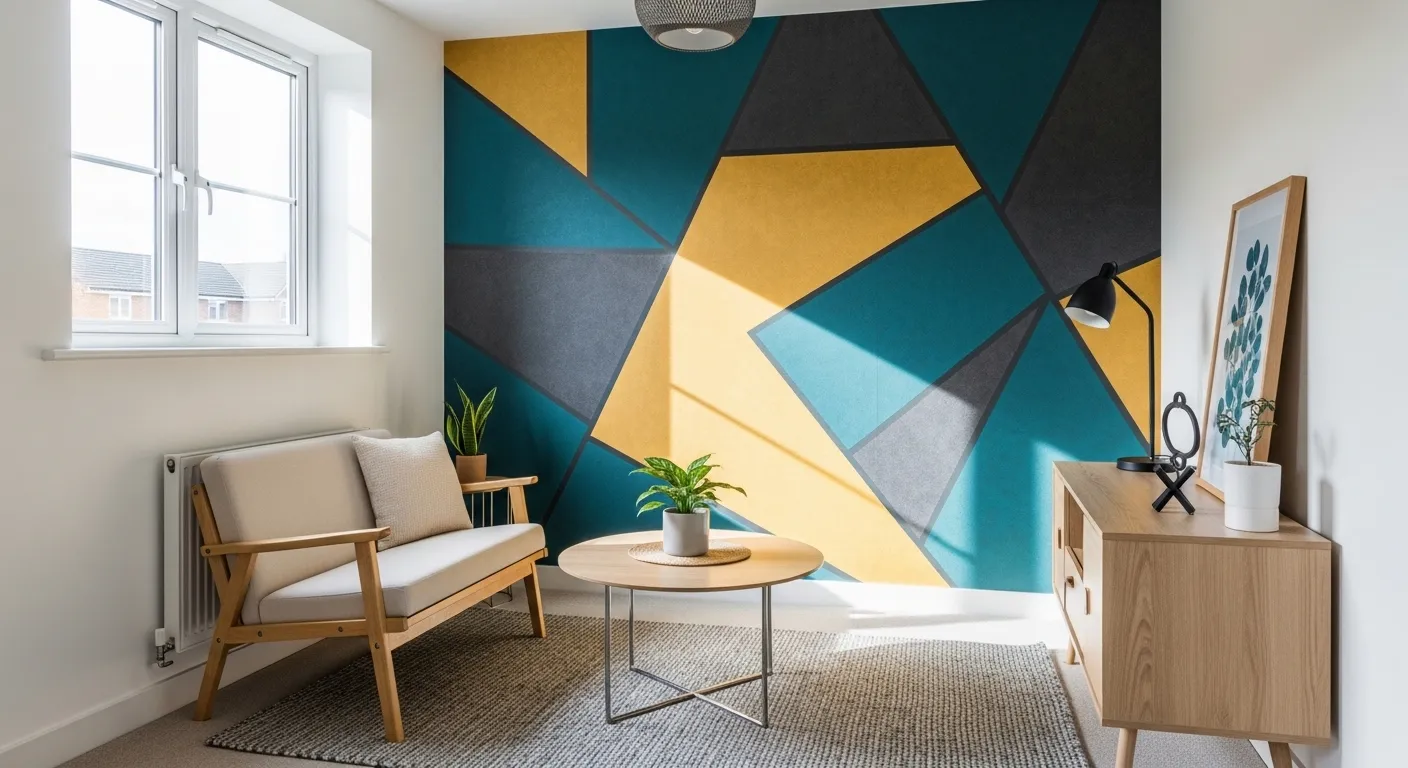
Small spaces can sometimes feel cramped or uninspired, but the right accent wall can completely transform a room.
An accent wall draws the eye, adds personality, and creates a sense of depth without overwhelming the space. It’s a simple design trick that can make even the tiniest room feel dynamic and stylish.
These 18 accent wall ideas are tailored for small spaces. From bold paint colours to textured panels and creative patterns, each idea maximizes impact while keeping the room balanced, functional, and visually appealing.
1. Bold Colour Pop
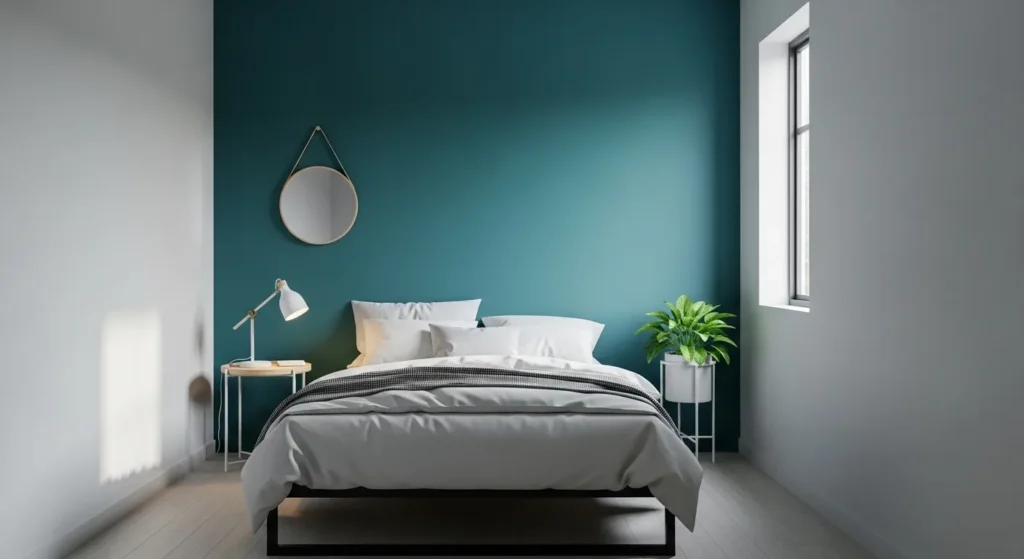
A bold colour accent wall immediately draws attention and adds personality to a small room. Darker or more vibrant shades create contrast with neutral tones elsewhere, making the space feel curated and intentional.
Bold colours work well behind beds, desks, or sofas, turning the wall into a focal point. Even in small spaces, a carefully chosen deep hue can add depth, warmth, and visual interest without overwhelming the room.
Pairing a bold colour wall with lighter walls, furniture, or flooring ensures balance. Accessories like cushions, rugs, or artwork can echo the accent tone to tie the space together and enhance its overall impact.
2. Geometric Patterns
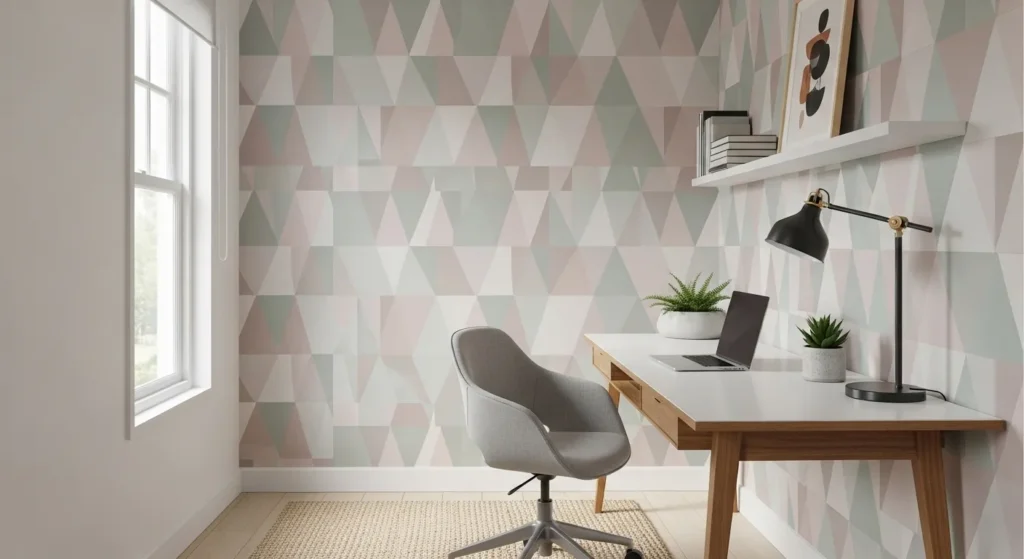
Geometric patterns add visual structure and interest to a small space. Triangles, chevrons, or diamond shapes create movement and draw the eye, making the room feel dynamic and intentional.
Patterned walls work well behind desks, couches, or beds. Choosing muted or complementary colours ensures the wall adds depth without overwhelming the compact area.
Geometric accent walls pair beautifully with neutral furnishings or metallic accents. The structured design adds style and sophistication while maintaining a sense of order in a small, cozy space.
3. Textured Panels
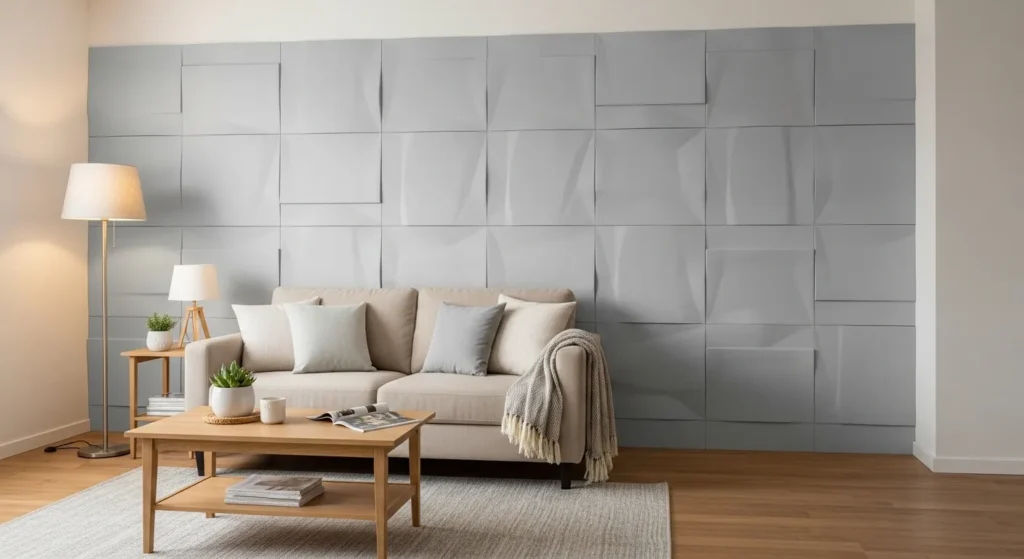
Textured panels add depth and tactile interest to a small room without relying on colour. Wood, MDF, or stone-inspired panels can create a feature wall that feels sophisticated and modern.
This approach works in living rooms, bedrooms, or dining areas. The texture interacts with light, creating subtle shadows and visual dimension, making the wall a standout feature even in tight spaces.
Textured accent walls pair well with simple furnishings and neutral décor. Their understated elegance ensures the feature wall enhances the space without overwhelming it, providing long-lasting style.
4. Wood Accent Wall

A wood accent wall adds warmth, texture, and natural beauty. Even a single wooden wall can transform a small room into a cozy, inviting space with a sense of depth and personality.
Wood walls pair beautifully with neutral paint on surrounding walls. The natural tones complement furniture, textiles, and décor accents while adding timeless appeal.
This idea works in bedrooms, living rooms, or hallways. Using lighter wood shades keeps the space bright, while darker wood creates drama and contrast, both enhancing the room’s visual impact.
5. Bold Wallpaper Feature
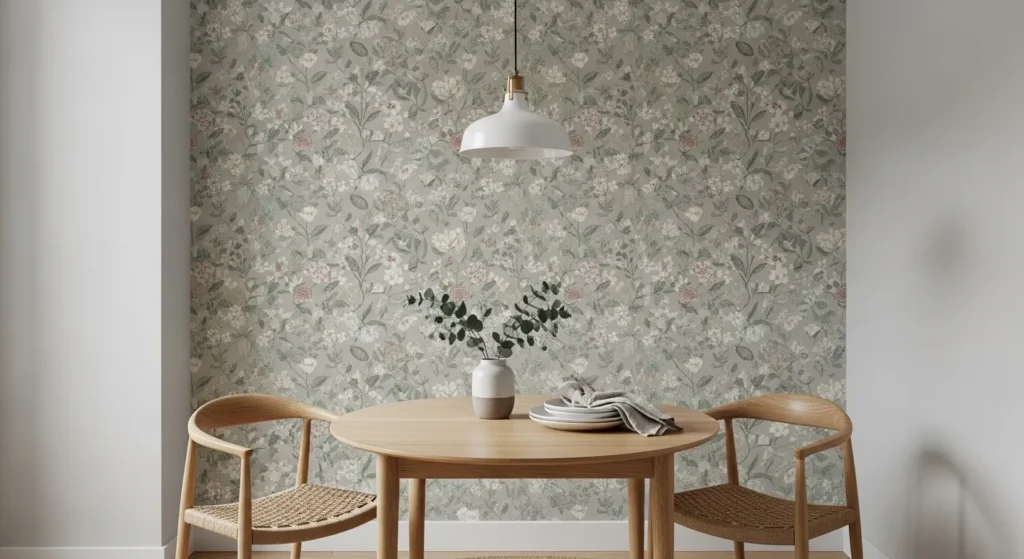
Wallpaper can make a small accent wall feel layered and interesting. Patterns, textures, or muted florals can create a feature without overpowering the room.
Wallpaper works well behind beds, dining tables, or desks. Choosing subtle patterns or complementary colours ensures the accent enhances the space while keeping it visually balanced.
This technique allows homeowners to introduce personality and style. The wall becomes a focal point, drawing attention while the rest of the room remains calm and cohesive.
6. Two-Tone Paint
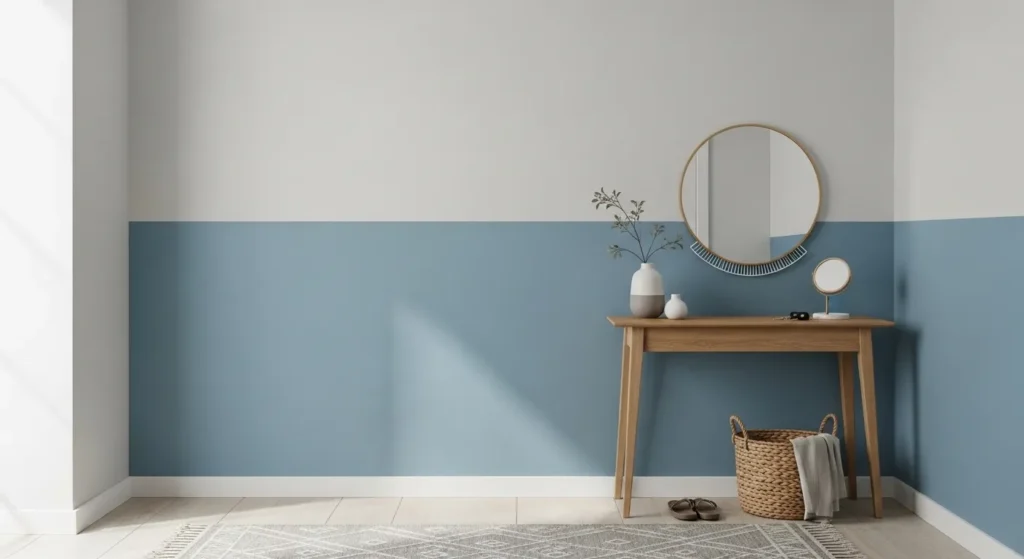
Two-tone walls add dimension and visual interest. Painting the upper and lower halves in complementary shades creates an elegant, layered effect that feels intentional and stylish.
This technique works well in narrow hallways or bedrooms. The division can also create an illusion of higher ceilings or wider spaces, making a small area feel more expansive.
Pairing two-tone walls with neutral flooring and furnishings ensures the space remains balanced. Subtle contrasts make the wall stand out without overwhelming the compact room.
7. Painted Molding Accents
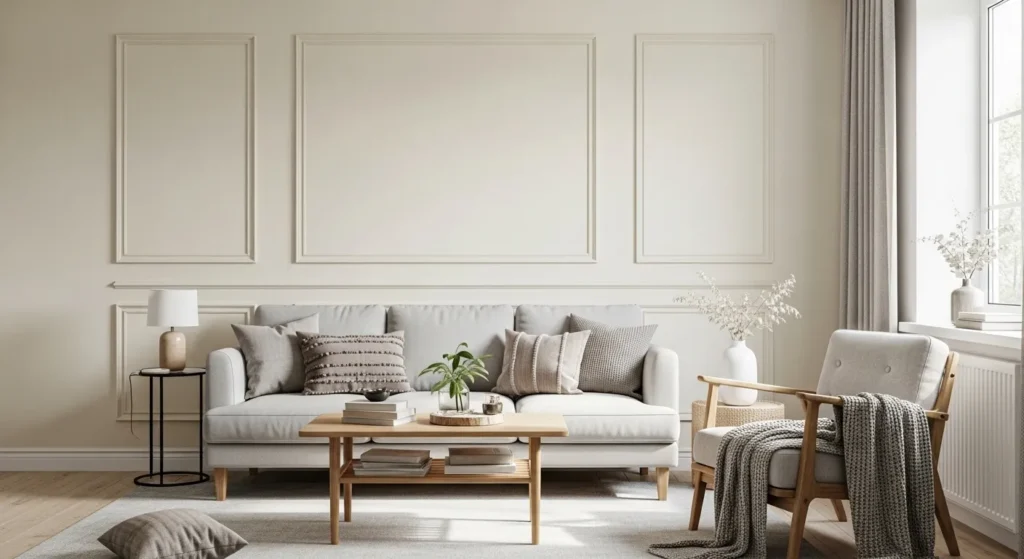
Using painted molding creates architectural interest on a small accent wall. Frames, panels, or wainscoting painted the same or complementary colour as the wall add depth and texture.
This approach works in living rooms, bedrooms, or entryways. It adds sophistication and dimension without needing wallpaper or bold colours, keeping the room elegant and timeless.
Painted molding accents allow subtle creativity. Choosing neutral or muted shades keeps the space feeling bright and open while giving the wall a defined, curated look that won’t feel dated.
8. Ombre Gradient

Ombre walls create a gradual, eye-catching transition of colour that adds depth and visual interest to small spaces. The fading effect draws the eye upward or across the wall, giving the illusion of height or width and making compact rooms feel more expansive.
This technique works beautifully behind beds, desks, or reading nooks. Choosing muted or complementary colours ensures the wall stands out without overwhelming the space.
Ombre accent walls pair well with neutral furniture and accessories. The gradient effect adds subtle sophistication and a sense of artistry, creating a timeless look that won’t feel trendy in a few years.
9. Chalkboard Wall
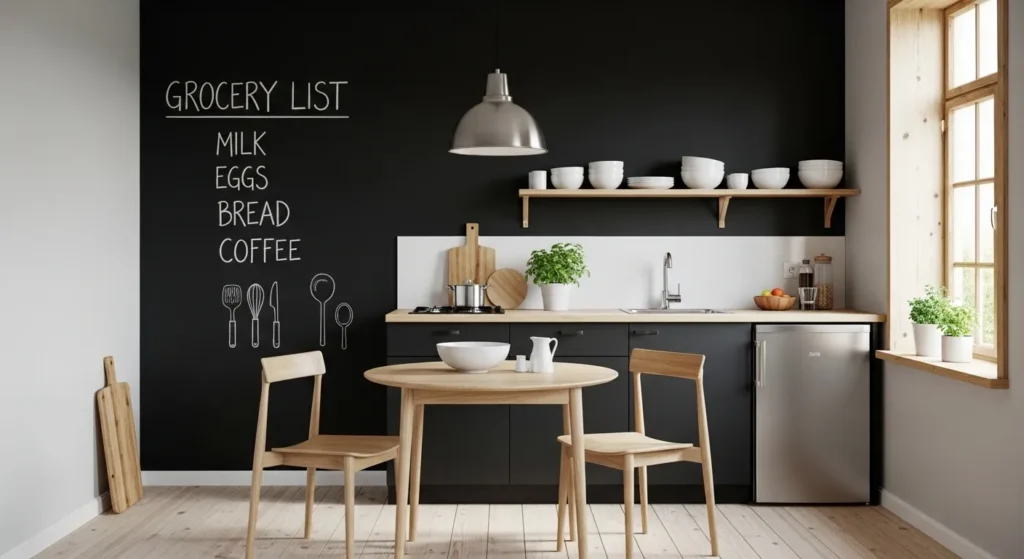
A chalkboard wall adds function and creativity to small spaces. It’s perfect for kitchens, entryways, or home offices where notes, doodles, or daily schedules can be displayed, transforming a simple wall into a dynamic focal point.
The matte black finish provides contrast while keeping the room stylish. It pairs well with light wood, metallic fixtures, and neutral furnishings, balancing boldness with warmth.
Chalkboard walls are versatile and practical. Beyond functionality, they make small rooms feel curated and interactive, offering a feature that grows and evolves with your needs.
10. Metallic Accent
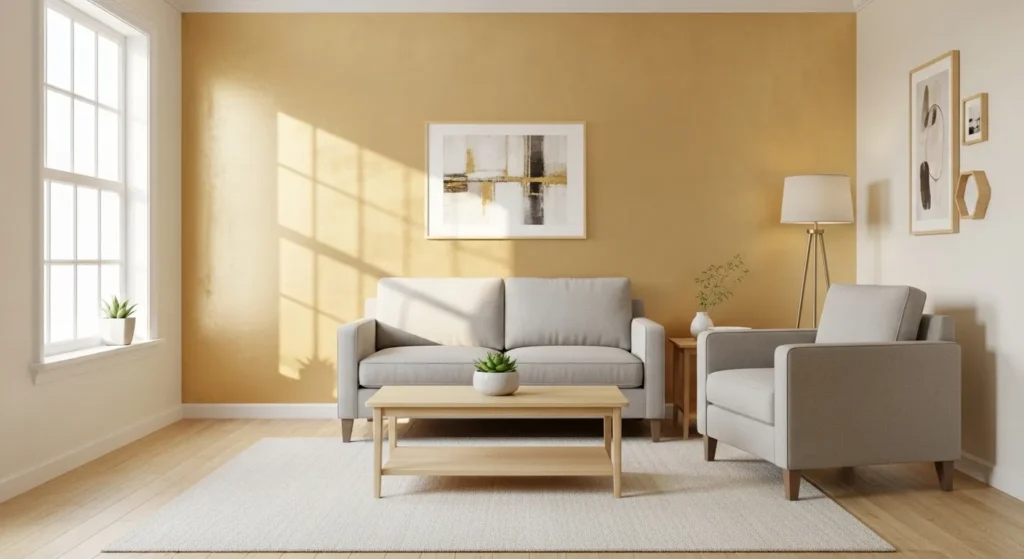
Metallic paints add subtle shine and glamour to a small accent wall. Soft gold, bronze, or silver finishes catch the light, creating visual depth and making a compact room feel more luxurious and dynamic.
This technique works well behind couches, beds, or dining tables. Metallic walls provide a modern, sophisticated touch without overwhelming the space when paired with neutral furnishings and accessories.
Metallic accent walls create impact while remaining timeless. Using muted or soft metallic tones ensures the wall feels stylish and elegant for years, enhancing light reflection and depth in small spaces.
11. Half-Painted Wall
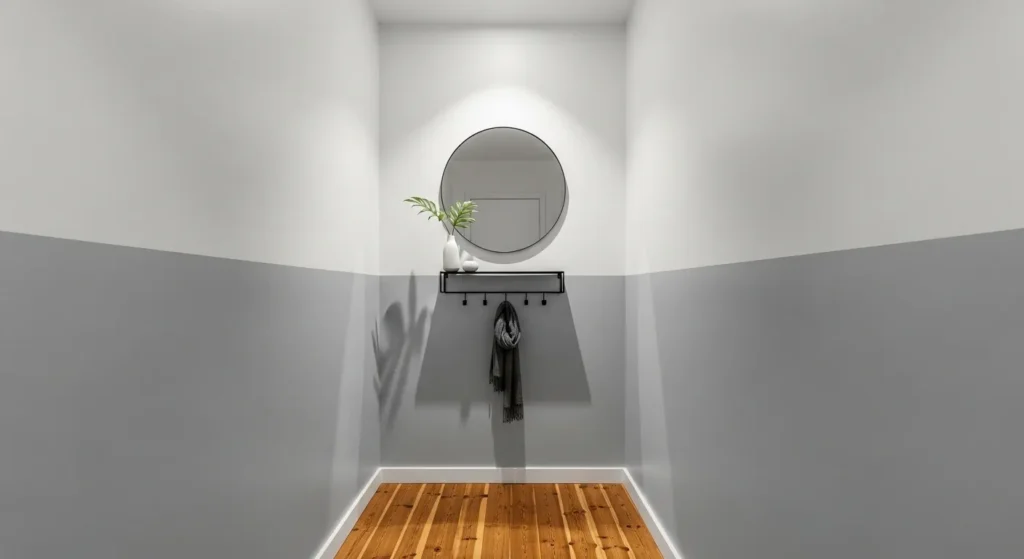
Painting only half of a wall creates a striking focal point while maintaining balance in a small room. This approach adds interest, draws attention, and creates visual layering without requiring bold colours or patterns across the entire wall.
The technique works beautifully with a chair rail or molding for added structure. The two tones can be complementary or subtly contrasting, depending on the desired mood and aesthetic.
Half-painted walls are ideal for hallways, entryways, or bedrooms. They offer a stylish, modern look that makes small spaces feel thoughtfully designed and visually expanded.
12. Brick or Faux Brick
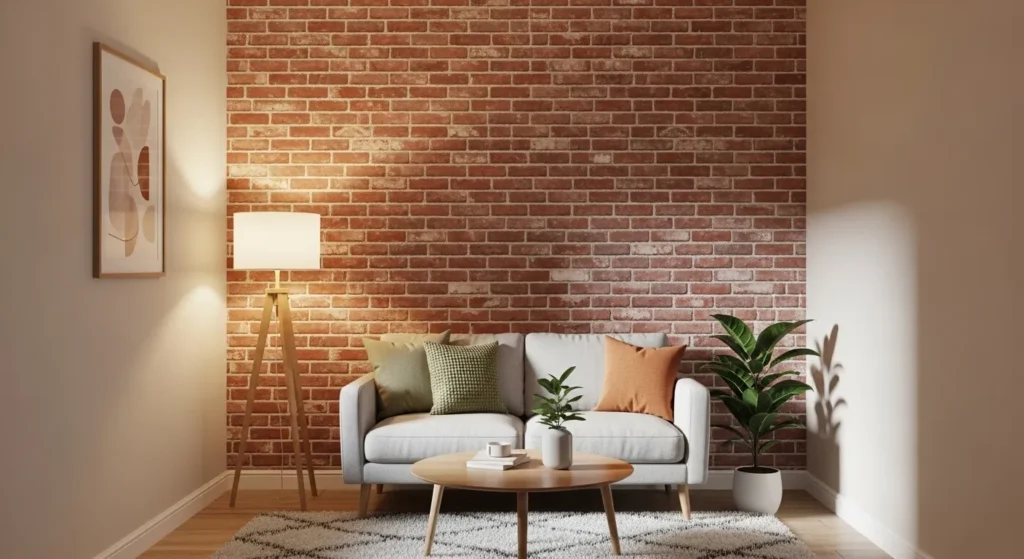
Brick walls add texture, character, and rustic charm to small spaces. Exposed or faux brick creates a feature that feels timeless, adding architectural interest and a warm, grounded atmosphere.
This approach works well in living rooms, kitchens, or entryways. The natural texture of brick contrasts beautifully with neutral furnishings and soft décor, creating a cozy yet stylish focal point.
Brick accent walls bring depth and personality to compact areas. They provide a tactile element that enhances the visual appeal while remaining versatile enough to complement modern, industrial, or traditional interiors.
13. Wallpaper with Subtle Pattern

Wallpaper can make a small accent wall feel layered and dynamic. Subtle patterns, such as soft florals or geometric designs, add visual interest without overwhelming the room.
This technique works especially well behind beds, desks, or reading corners. Muted tones or low-contrast patterns ensure the wall enhances the space while keeping the overall look calm and balanced.
Wallpapered accent walls provide personality and elegance. They create a defined focal point, adding style and dimension while remaining timeless in small spaces.
14. Vertical Stripes
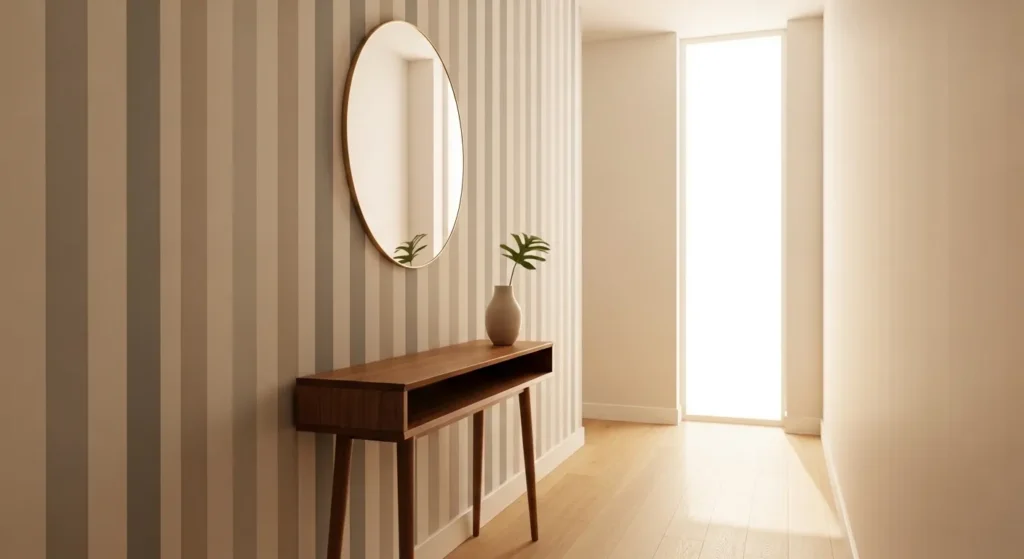
Vertical stripes visually elongate walls, making small entryways and hallways feel taller. This classic technique adds subtle interest without taking up floor space or overpowering the room.
Vertical striped accent walls work well in bedrooms, hallways, or living areas. Using neutral or muted colours keeps the stripes timeless and adaptable to changing décor styles.
Pairing stripes with minimalist décor ensures the accent wall stands out while maintaining a clean, airy feel. This simple technique provides maximum visual impact with minimal effort.
15. Painted Bookshelf Wall
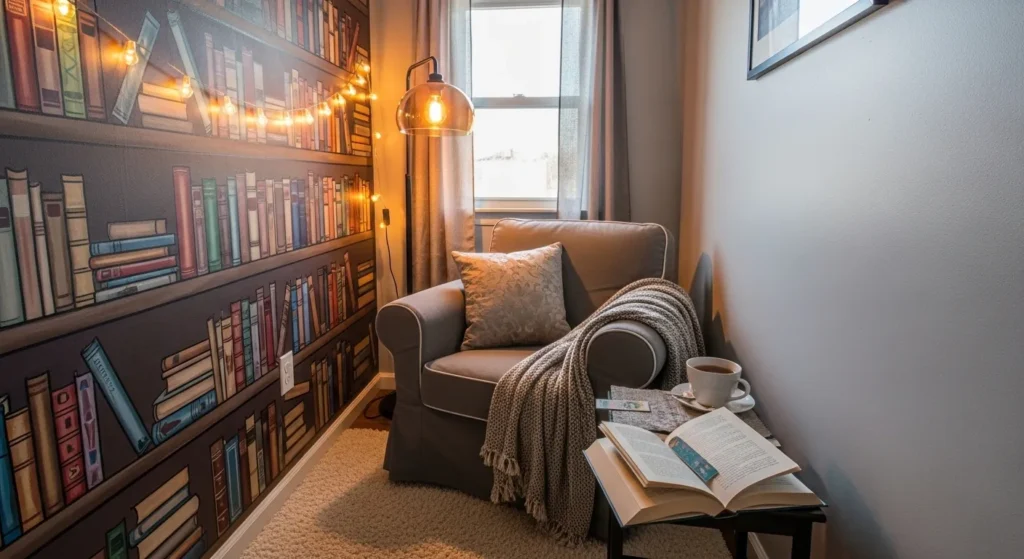
A painted bookshelf wall adds personality and charm to a small space without taking up any floor area. This creative approach makes the wall a focal point while providing the illusion of storage and depth.
It works well in living rooms, bedrooms, or reading corners. Using muted colours or neutral tones ensures the wall feels artistic yet timeless, preventing the space from feeling cluttered.
This technique allows homeowners to introduce fun and whimsy. Paired with simple furnishings and neutral décor, the painted bookshelf wall adds character and impact while remaining visually balanced.
16. Chalky Pastels

Chalky pastel walls create a soft, calming feature that enhances small rooms without overwhelming them. Colours like dusty pink, pale mint, or light lavender bring subtle personality while remaining understated and timeless.
This approach works well behind beds, desks, or seating areas. The muted tone reflects light and gives the room a bright, airy feel, ideal for compact spaces that need visual expansion.
Pastel accent walls pair beautifully with neutral furnishings, wood accents, or soft, textured elements. They provide a gentle yet stylish backdrop, ensuring the space feels fresh and inviting for years.
17. Gallery Wall as Accent
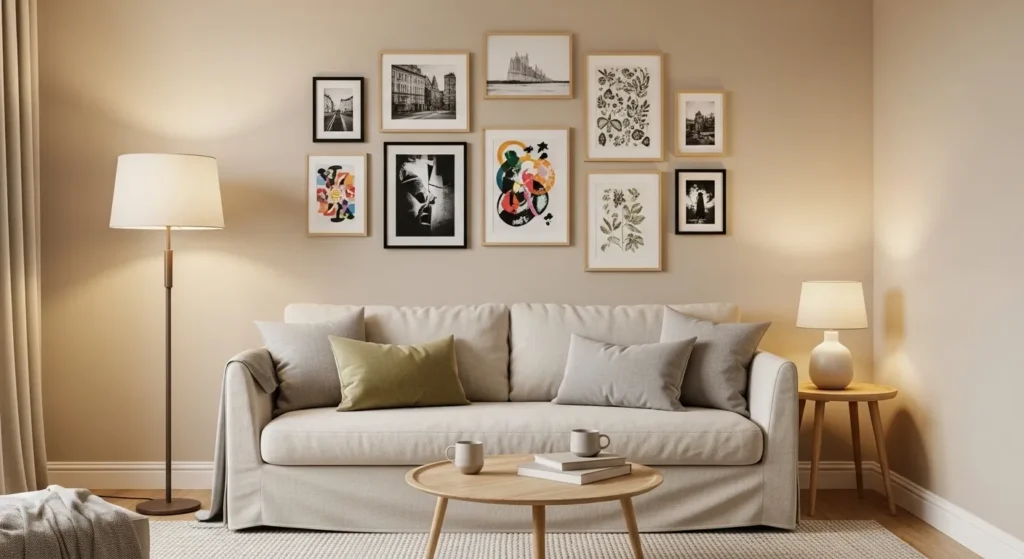
Using a gallery wall transforms a plain wall into a personal statement. Carefully arranged frames and art create a focal point that draws attention and adds depth to small spaces.
This technique works well in bedrooms, living rooms, or entryways. Choosing cohesive frames, colours, or themes ensures the wall feels curated and elegant rather than chaotic.
Gallery walls offer flexibility to update artwork over time, keeping the room fresh. They provide a high-impact accent without painting or structural changes, making them ideal for renters or those seeking temporary features.
18. Mirrored Accent Wall
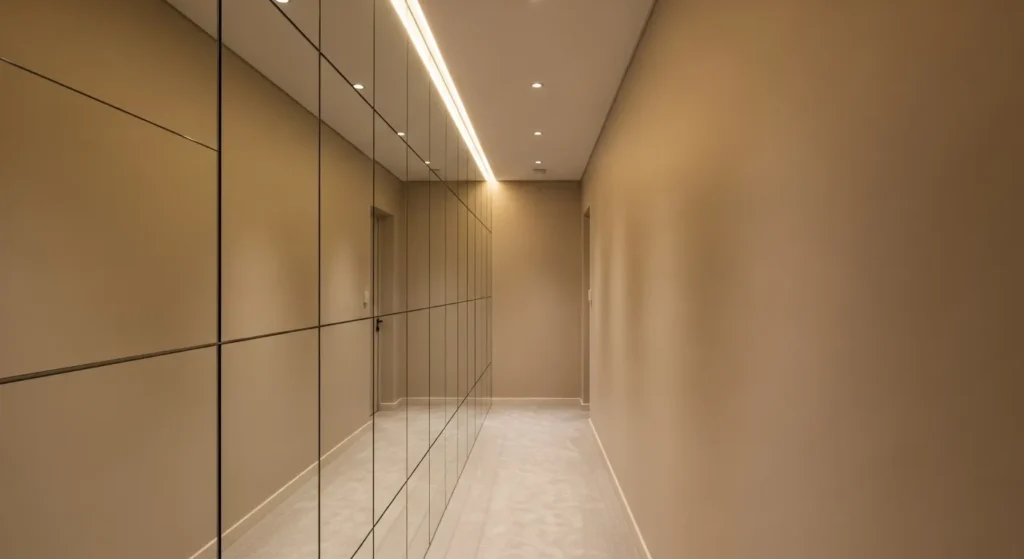
A mirrored wall instantly opens up small spaces, reflecting light and creating the illusion of a larger room. This high-impact accent doubles as décor and function, enhancing brightness while making the area feel more expansive.
Mirrors work beautifully in entryways, hallways, or small living rooms. Pairing them with minimal décor ensures the space doesn’t feel cluttered, while reflective surfaces add elegance and sophistication.
Mirrored accent walls are timeless and versatile. They enhance small areas dramatically without altering the structure, making them a practical and stylish choice for compact spaces that need visual interest.
Conclusion
Small spaces don’t have to feel limited or uninspiring. Accent walls are a simple yet powerful way to add depth, character, and style without overwhelming the room. From bold colours and textured panels to wallpaper, stripes, or creative murals, each idea maximizes visual impact while keeping the space balanced and inviting.
The 18 accent wall ideas listed above provide timeless, versatile solutions for bedrooms, living rooms, kitchens, and hallways. By choosing the right colour, texture, or pattern, even the smallest spaces can feel dynamic, polished, and thoughtfully designed, making a big impression with minimal effort.