
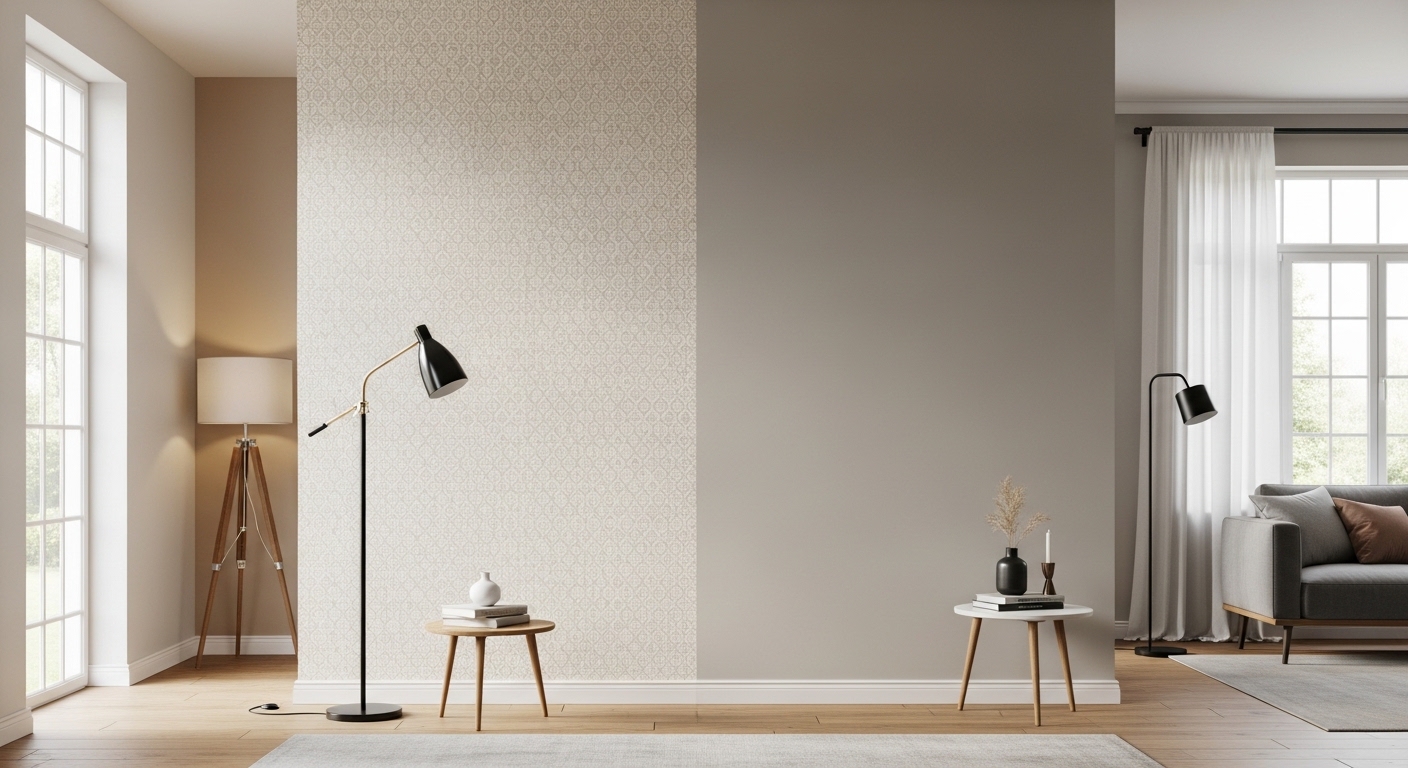
Choosing between wallpaper and paint can feel overwhelming, but understanding their strengths and limitations makes the decision easier. Both options offer ways to transform walls, express personality, and define a room’s style—but the right choice depends on space, durability, and aesthetic goals.
Wallpaper provides patterns, texture, and bold design that paint alone cannot achieve, while paint offers flexibility, simplicity, and quick updates. Knowing when to use each ensures your walls look polished, balanced, and tailored to your lifestyle.
Here are key scenarios and considerations for choosing wallpaper or paint in your home.
1. For Bold Patterns and Statement Walls
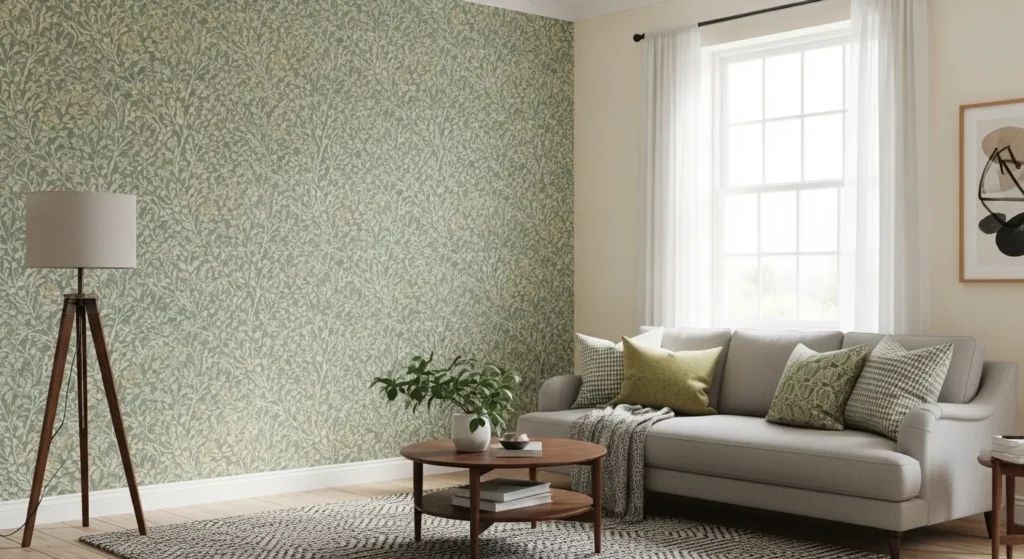
Wallpaper excels at creating dramatic feature walls. Intricate patterns, geometric designs, or florals instantly draw attention and add character to a room.
Paint can mimic color but rarely achieves the depth, texture, or complexity of wallpaper. If you want a room’s focal point to stand out, wallpaper is the ideal choice, making it perfect for living rooms, bedrooms, or entryways.
2. For Subtle or Neutral Spaces
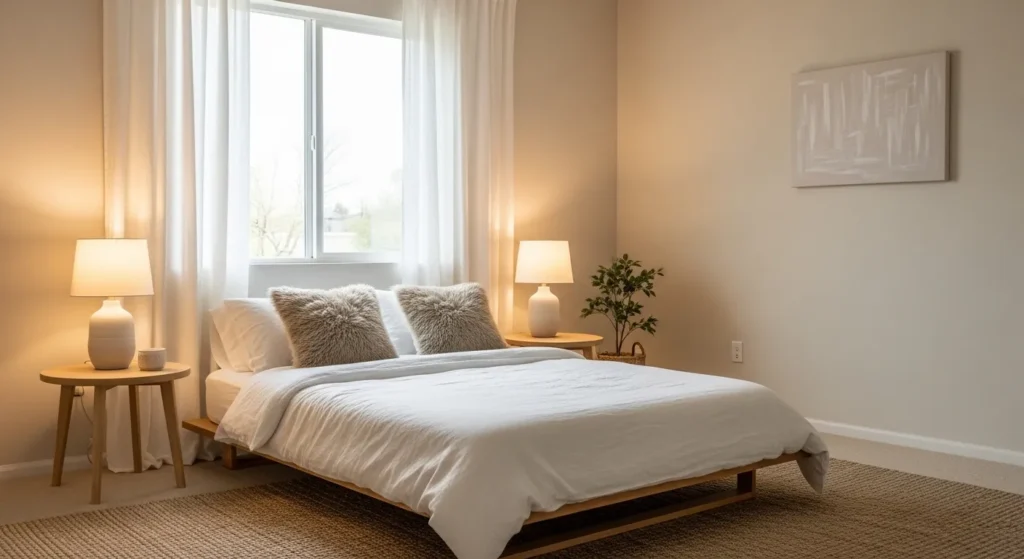
Paint works best for understated, calming spaces. Soft neutrals or muted shades create a serene backdrop, allowing furniture, textiles, and décor to shine without competing with wall design.
Wallpaper with subtle patterns can work here too, but paint offers flexibility and easier future changes. For minimalist, relaxing, or neutral interiors, paint is often the practical, low-maintenance choice.
3. For Small Rooms
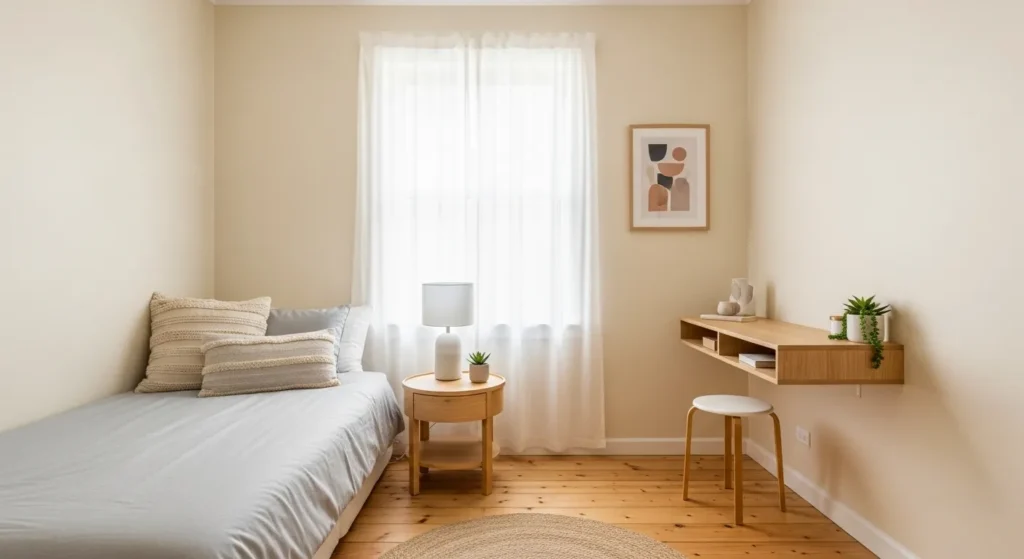
In small spaces, paint usually keeps the room feeling open and airy. Light shades visually expand walls, whereas heavy or busy wallpaper can overwhelm the space.
However, subtle wallpaper patterns or vertical stripes can elongate walls, adding dimension without clutter. Paint is ideal for most small rooms, with selective wallpaper accents providing personality without crowding.
4. For High-Traffic Areas
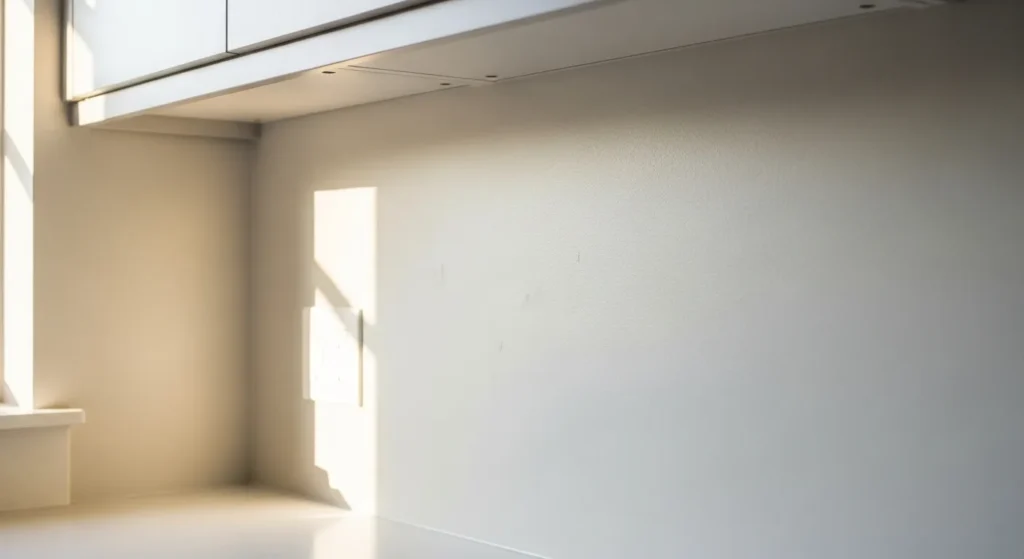
High-traffic walls—like kitchens, hallways, or children’s rooms—benefit from durable, washable paint. It resists scuffs, dirt, and moisture, making maintenance easier than wallpaper.
Wallpaper can be used if it’s moisture- or wipe-resistant, but paint offers practical longevity. Choosing paint in these areas balances style and function while keeping walls clean over time.
5. For Texture and Tactile Design
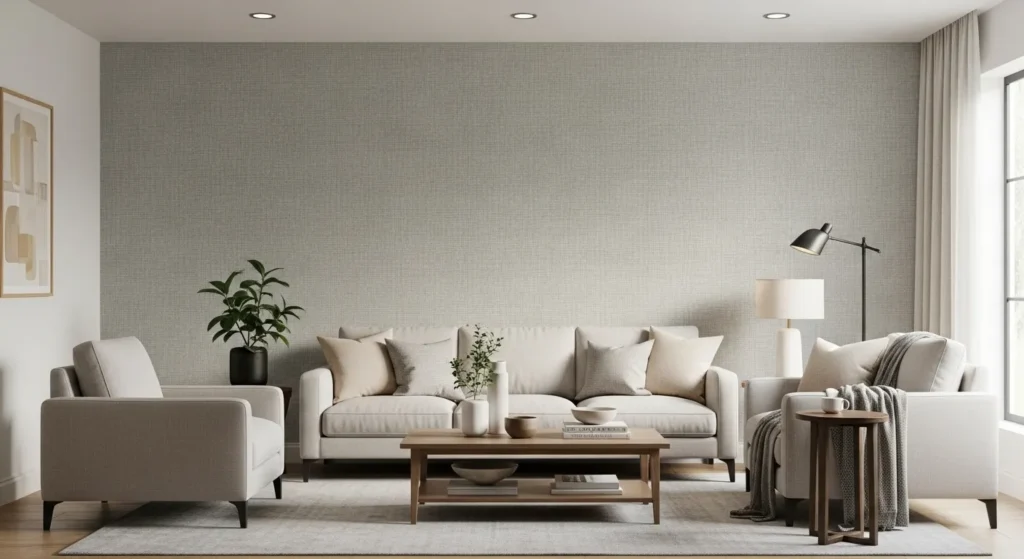
Wallpaper can introduce textures like grasscloth, linen, or embossed patterns, adding tactile and visual depth that paint cannot replicate.
This makes wallpaper a great choice for feature walls, home offices, or living areas where texture enhances sophistication. Paint alone provides color and finish but rarely adds the same dimension or interest.
6. For Easy Updates
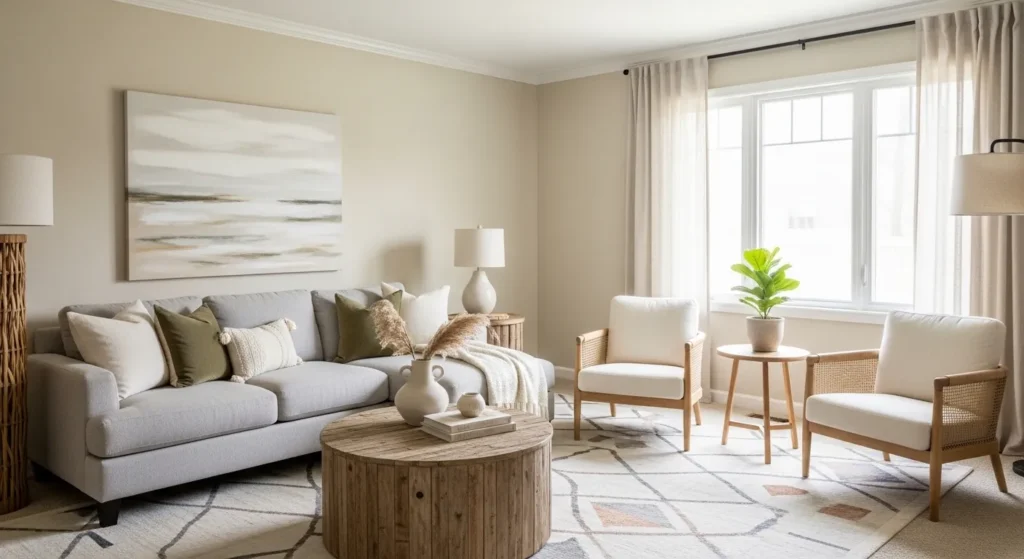
Paint is easier and faster to update than wallpaper. A new color refreshes a room in a single day without complex removal or prep.
For homeowners who enjoy frequent style changes or seasonal updates, paint offers flexibility. Wallpaper requires more commitment but can provide long-lasting impact and intricate design when permanence is desired.
7. For Rental or Temporary Spaces
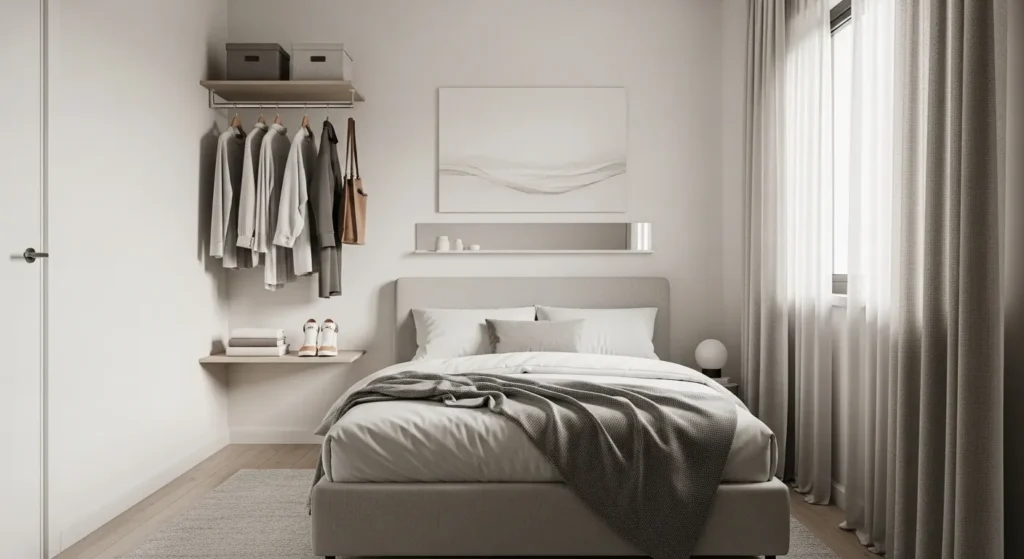
In rental properties, paint is typically safer and easier to remove (with landlord approval) than wallpaper. It allows personal expression without permanent alteration.
Wallpaper may be restricted or require professional removal. Paint balances customization with simplicity, making it ideal for temporary spaces or areas that might change hands.
8. For Vintage or Classic Styles
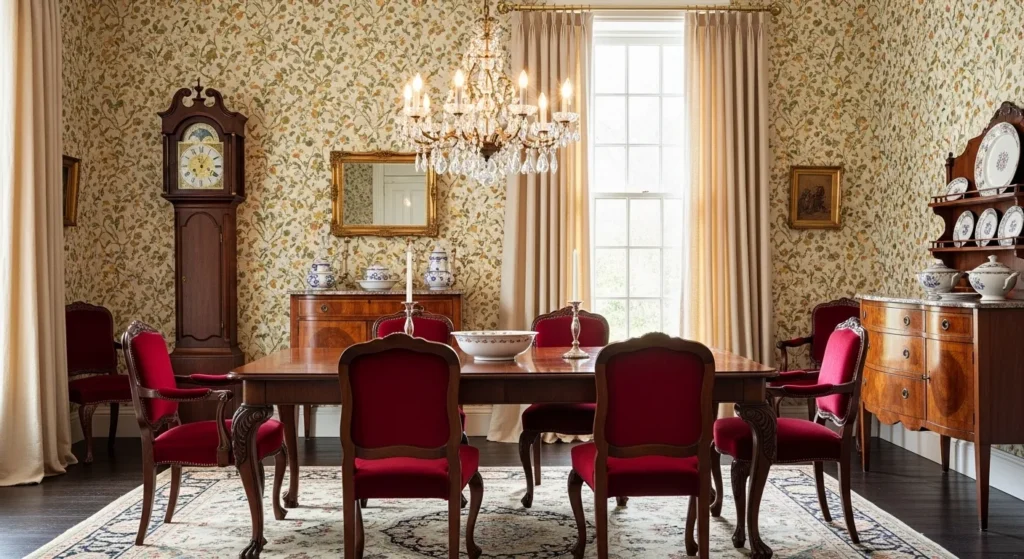
Wallpaper shines in vintage or traditional designs, capturing historical patterns, floral motifs, or period-inspired textures. Paint alone may not replicate this richness.
Use wallpaper to create authenticity in classic rooms. Paint complements the style but usually lacks the intricate visual detail needed for fully vintage-inspired interiors.
9. For Accent Walls
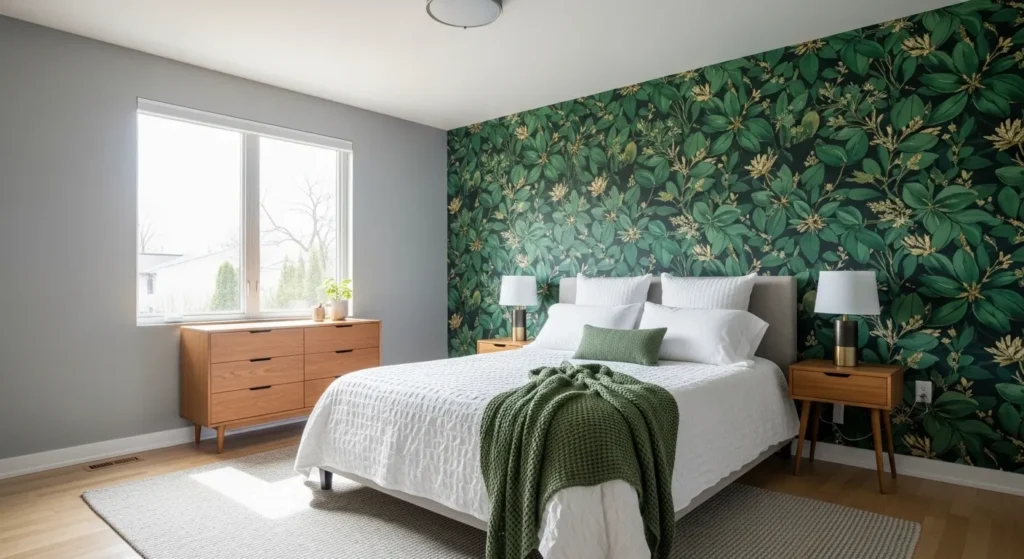
Wallpaper is ideal for accent walls where you want a focal point. Bold patterns, metallic designs, or textured wallpapers instantly draw the eye without overwhelming the entire room.
Paint can also be used for accent walls but often lacks the complexity or tactile interest that wallpaper provides. Using wallpaper selectively adds personality while keeping the rest of the space neutral and balanced.
10. For Moisture-Prone Areas
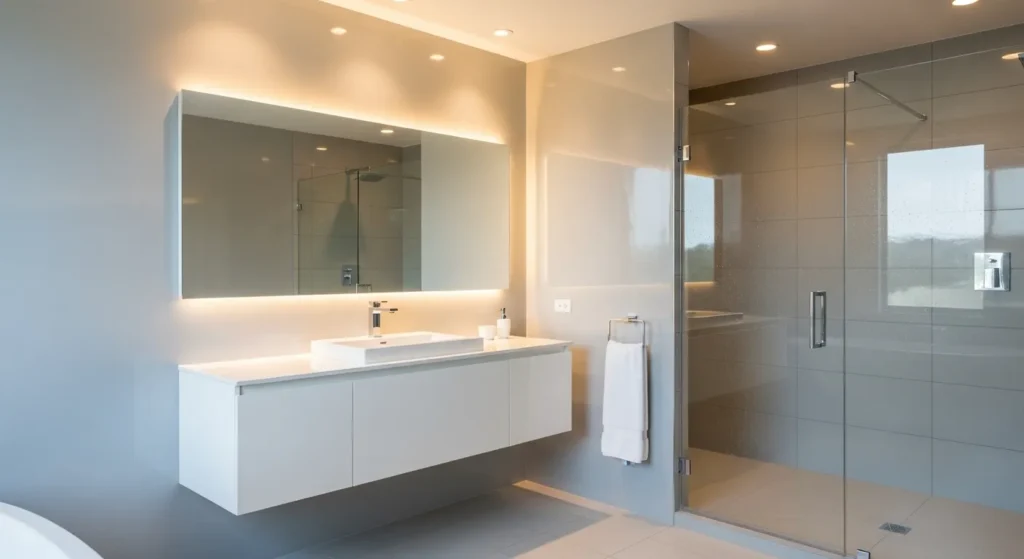
In bathrooms, kitchens, or laundry areas, moisture-resistant paint is usually safer than wallpaper. Water, steam, or humidity can cause wallpaper to peel or bubble.
Some modern vinyl wallpapers are designed for wet areas, but paint remains the most reliable option for durability. Choosing paint ensures walls stay protected while maintaining color and finish over time.
11. For Statement Ceilings
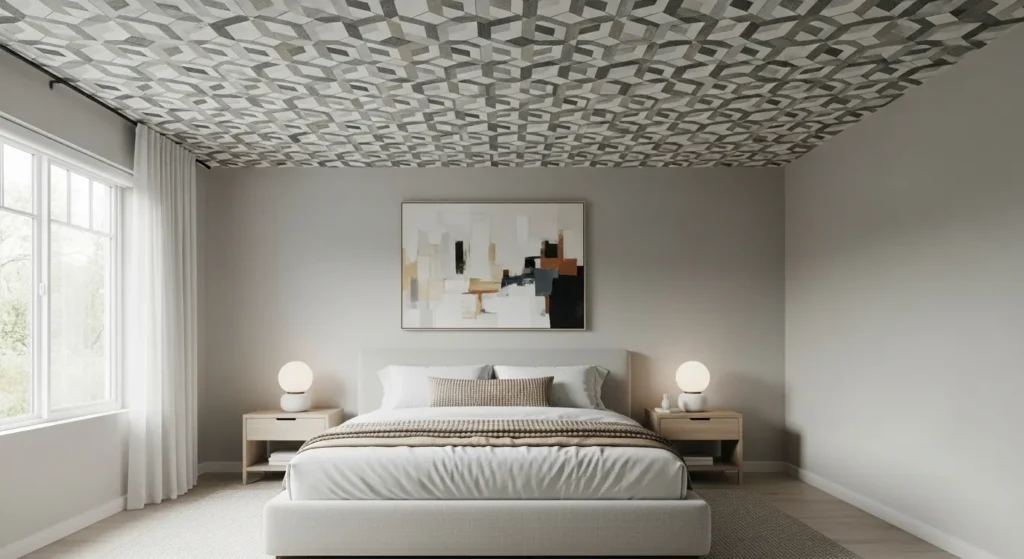
Wallpaper can transform ceilings into design features, adding drama and unexpected style. Patterns, metallics, or bold colors draw the eye upward, creating a sense of height and creativity.
Paint is simpler and easier but rarely delivers the same wow factor. Wallpaper is perfect when you want ceilings to feel intentional, stylish, and visually engaging.
12. For Pattern Coordination
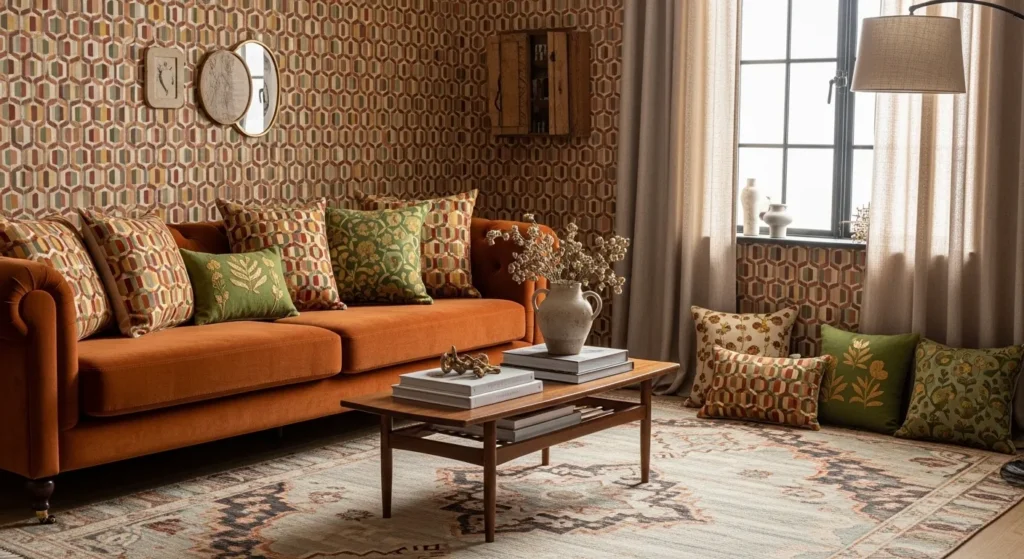
Wallpaper allows intricate patterns to be coordinated with furniture, rugs, or textiles. This creates a cohesive design story throughout the room.
Paint alone provides color but not the detailed motifs needed for complex visual coordination. Using wallpaper strategically can unify a space, making interiors feel curated and intentional.
13. For Minimalist Spaces
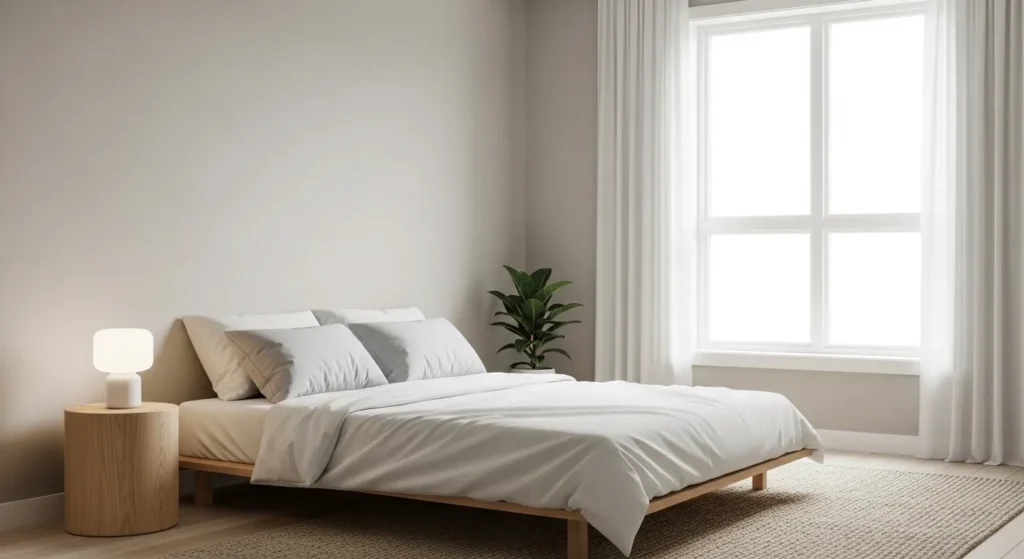
In minimalist interiors, paint is often preferable. It keeps walls clean, simple, and visually calm, allowing furniture, lighting, and décor to stand out.
Wallpaper can be used subtly, like a faint geometric or textured pattern, but overuse can clutter minimalist designs. Paint maintains serenity and flexibility in pared-down spaces.
14. For Long-Term Impact
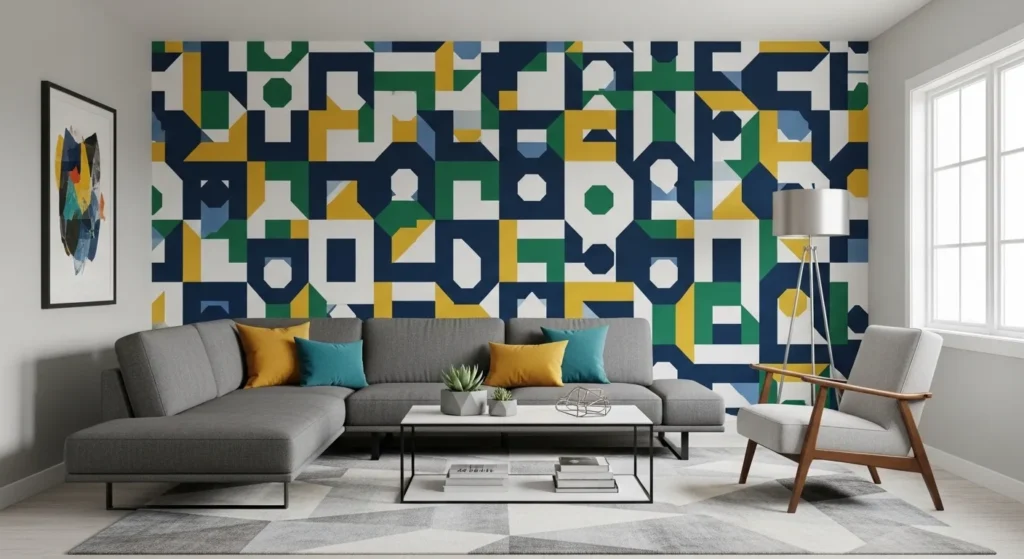
Wallpaper often provides long-term impact. Its detailed patterns, textures, and finishes make walls feel luxurious and thoughtfully designed for years.
While paint is easier to update, wallpaper creates lasting style that doesn’t need frequent changes. Using wallpaper for feature walls or high-impact areas ensures a room feels polished and sophisticated over time.
Conclusion
Choosing between wallpaper and paint depends on style goals, room function, and durability needs. Wallpaper excels for patterns, texture, and statement walls, while paint offers flexibility, simplicity, and easy updates.
Consider the room’s size, traffic, moisture levels, and desired aesthetic. Strategic use of both can balance functionality with style, creating spaces that are both beautiful and practical.
With these tips, you can confidently decide when to paint or wallpaper, ensuring your walls reflect your design vision while remaining long-lasting and easy to maintain.
FAQs
Can wallpaper and paint be mixed in the same room?
Yes. Paint can complement wallpaper on accent walls, panels, or ceilings, creating contrast and balance.
Which is better for high-traffic walls?
Durable, washable paint is generally better. Wallpaper should be moisture- or wipe-resistant if used in these areas.
Is wallpaper harder to remove than paint?
Yes. Removal requires careful techniques to prevent wall damage, whereas paint can be repainted easily.
Can wallpaper go in small rooms?
Yes, but subtle patterns or vertical stripes are best to avoid overwhelming the space.
How long does wallpaper last compared to paint?
Quality wallpaper can last 10–15 years, while paint may need refreshing every 5–10 years depending on wear and exposure.