
As an Amazon Associate, I earn from qualifying purchases. This means I may earn a commission if you purchase through links on this page — at no extra cost to you.
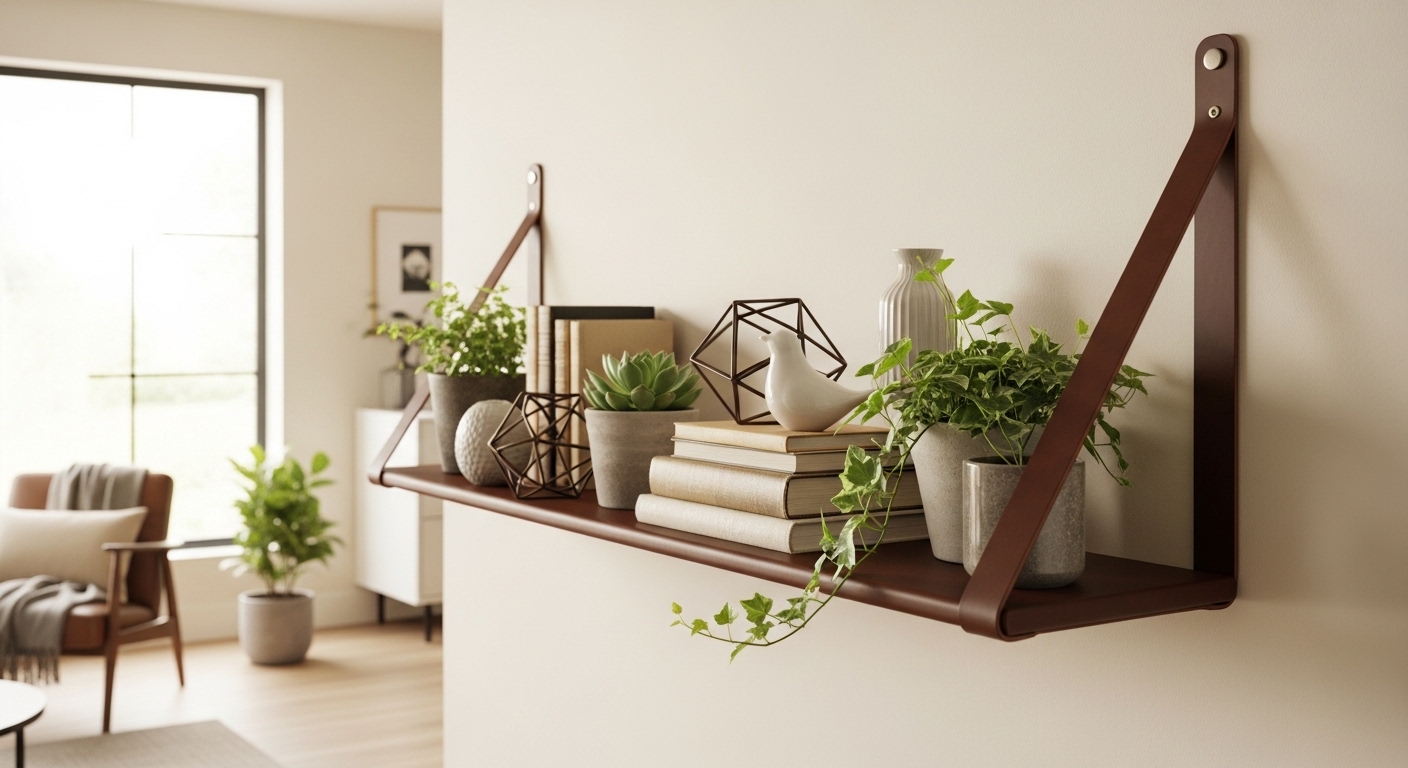
Designers know something most homeowners don’t: the secret to a great room isn’t expensive furniture — it’s intentional details. These diy floating shelves: easy step-by-step guide using an old belt show you exactly how to get that polished look.
Related: How to DIY Cardboard Photo Frame Step By Step Guide For Begi Related: DIY Wall-Mounted Drop-Down Table: Step-by-Step Tutorial
This guide is beginner-friendly and requires minimal tools. By following each step carefully, you can create a unique floating shelf that looks intentional and modern. The belt not only acts as a support but also adds texture and personality to your space.
Materials Needed
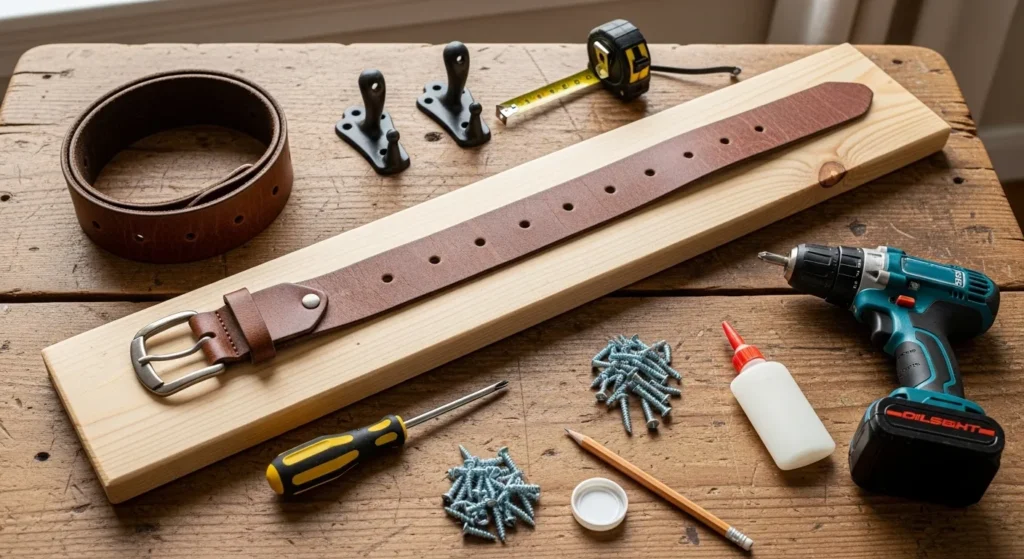
You will need a sturdy old belt, a wooden plank for the shelf, two strong wall hooks, screws, a drill or screwdriver, and optional wall anchors for added stability. Choose a belt thick enough to hold the weight of the shelf and its items, and a plank that fits your intended space.
Clean the wooden plank and belt before starting. Remove any dirt or loose threads from the belt and sand the plank lightly if necessary. Preparing materials ensures a smooth assembly process.
Step 1: Measuring and Marking the Wall
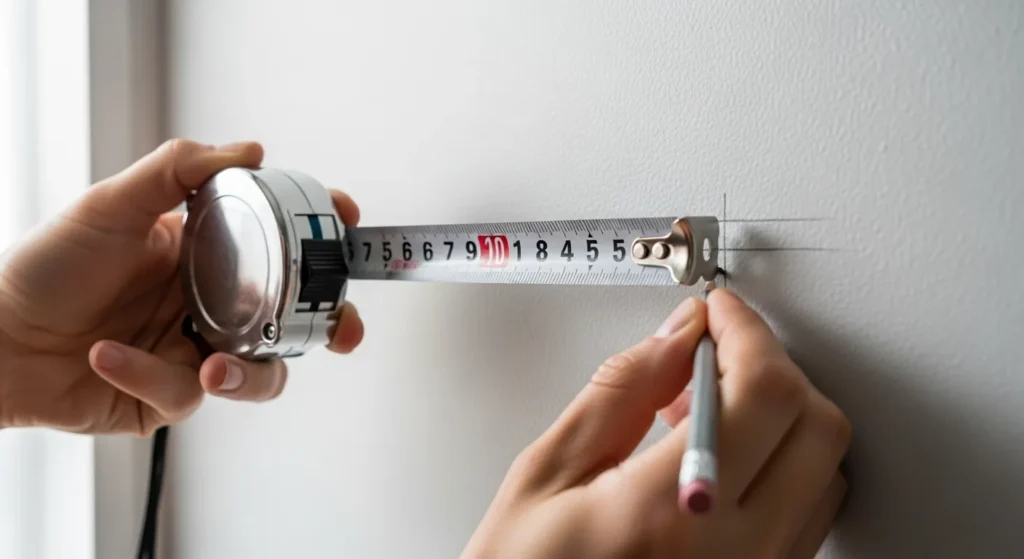
Decide where you want to hang the shelf and measure the desired height. Mark two spots on the wall that match the belt loops or hook placement. Ensure marks are level to prevent a tilted shelf.
Using a spirit level or ruler helps achieve accuracy. Proper marking prevents mistakes during installation and ensures your shelf hangs straight and looks professional.
Step 2: Preparing the Belt
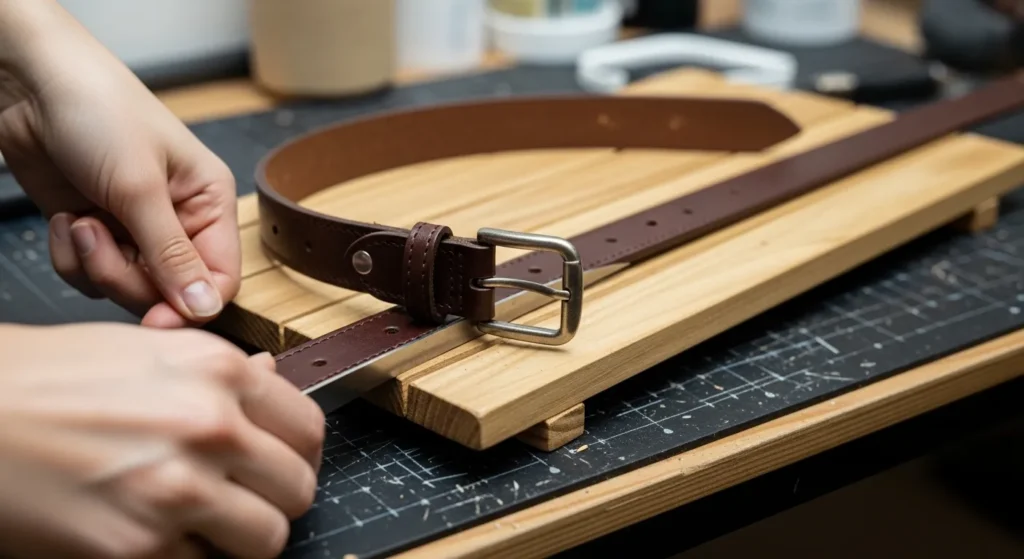
Remove the buckle from the belt and cut it to the desired length if needed. The belt should wrap around the wall hooks securely, holding the shelf without sagging.
Check the belt for weak spots or tears. A strong, intact belt ensures safety and stability. If the belt has holes, ensure they align with the hooks to avoid slipping.
Step 3: Attaching Wall Hooks
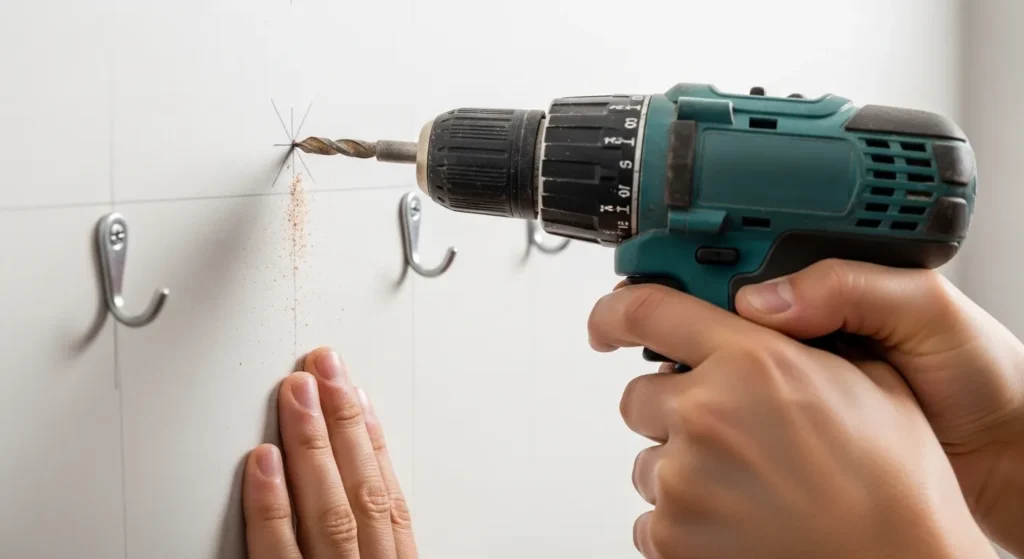
Install two strong wall hooks at the previously marked spots. Use wall anchors if mounting on drywall to ensure they support the shelf’s weight. Screws should be tight and flush with the wall.
Double-check that hooks are level and spaced evenly. Proper hook placement guarantees the shelf hangs straight and reduces the risk of tipping.
🛒 Shop This Look:
Step 4: Securing the Belt
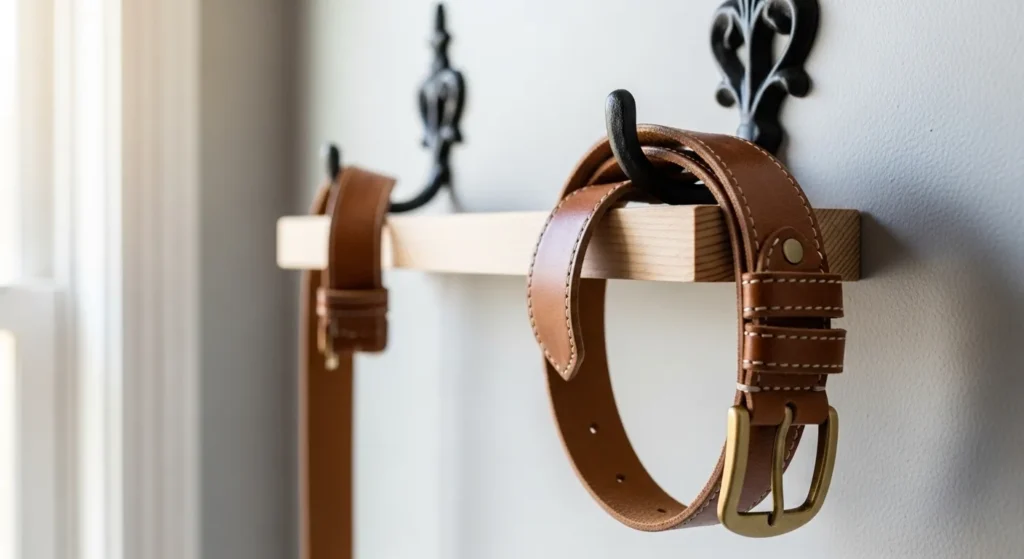
Loop the belt around the wall hooks and adjust the height so the shelf sits level. Tighten the belt as needed to remove any slack while keeping it straight.
Ensure both ends are secured properly on the hooks. A firm, evenly tensioned belt provides reliable support for the shelf and prevents tilting.
Step 5: Placing the Wooden Plank
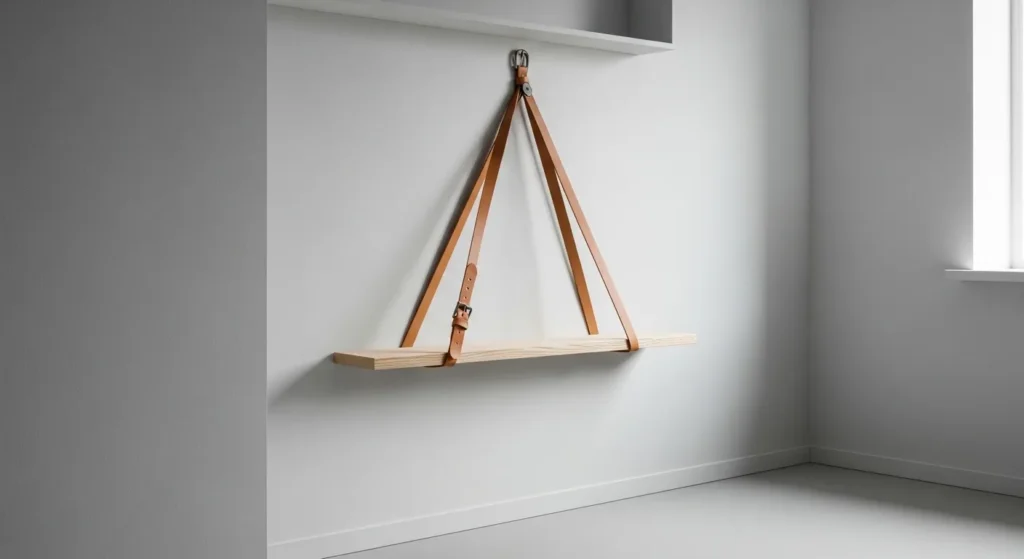
Slide the wooden plank into the belt loop so it rests securely. Adjust the belt and plank to make sure the shelf is level and stable. The plank should not move or tilt when lightly pressed.
You can use small adhesive pads or rubber grips between the belt and plank for added stability. Check the shelf before placing items on it to ensure it holds weight safely.
Step 6: Securing the Plank (Optional for Extra Stability)
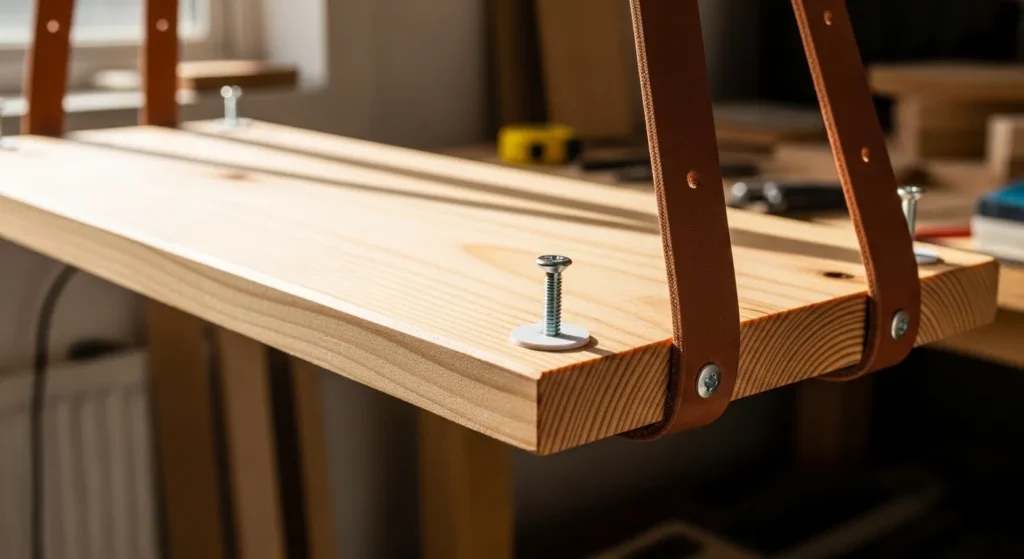
For extra stability, you can fix the plank to the belt using small screws or adhesive pads. This prevents the plank from sliding or tilting over time, especially if you plan to place heavier items like books or decorative objects.
Carefully pre-drill holes if using screws to avoid splitting the wood. If using adhesive pads, place them evenly along the plank’s length. This step ensures your shelf is both functional and long-lasting without compromising the minimalist design.
🛒 Shop This Look:
Step 7: Adjusting Height and Level
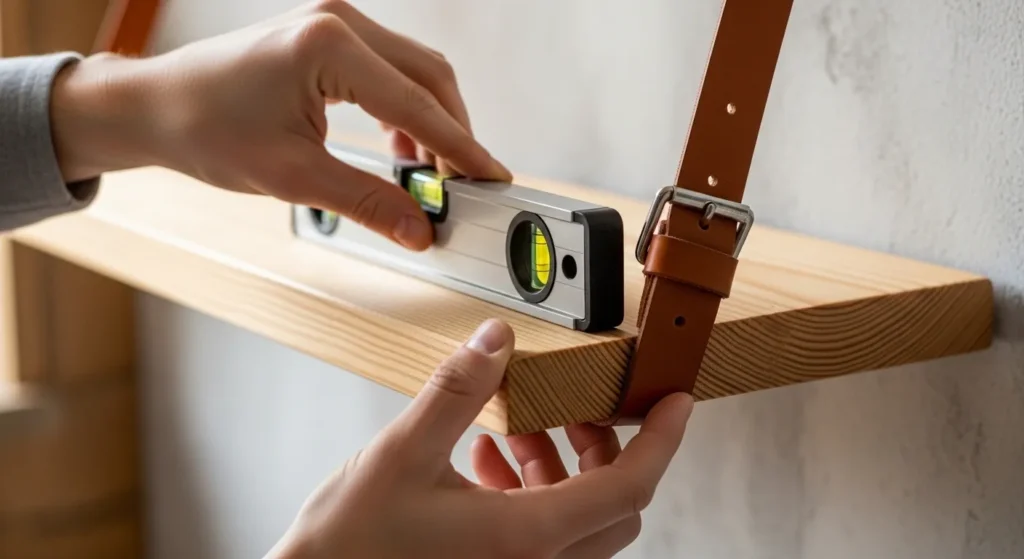
Once the plank is in place, double-check that it is perfectly level using a spirit level. Adjust the belt loops around the hooks as needed to correct any tilt.
Even small adjustments can make a big difference in appearance. Ensuring the shelf is level also prevents items from sliding off and keeps the overall design clean and professional-looking.
Step 8: Decorating Your Shelf
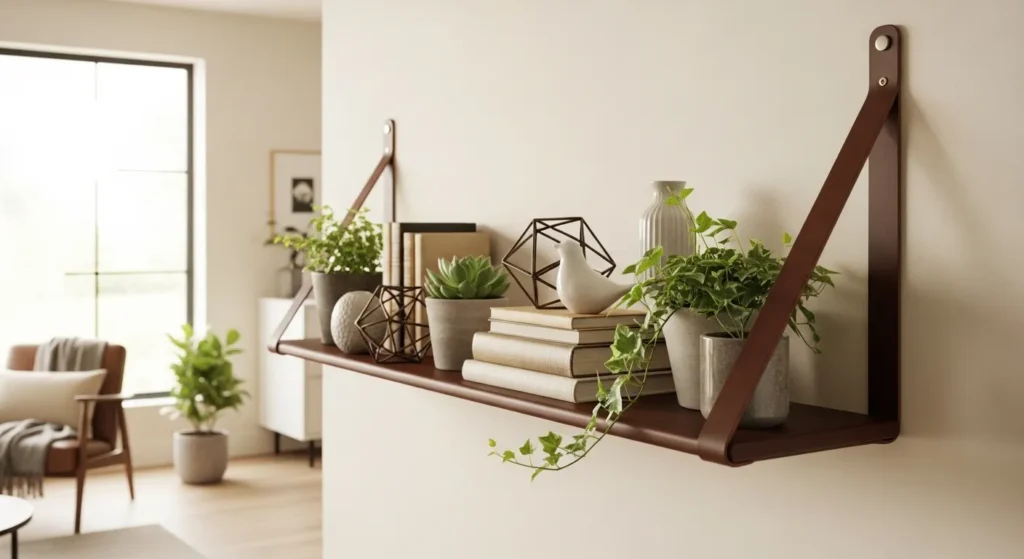
Now your floating shelf is ready for styling. Add small potted plants, books, framed photos, or decorative objects. The natural leather adds a warm, textured look that complements both rustic and modern interiors.
Keep heavier items near the wall side for better balance. Arrange decor thoughtfully to maintain a clean, uncluttered look. This shelf combines functionality with visual appeal, making it a focal point on your wall.
🛒 Shop This Look:
Step 9: Maintenance and Care
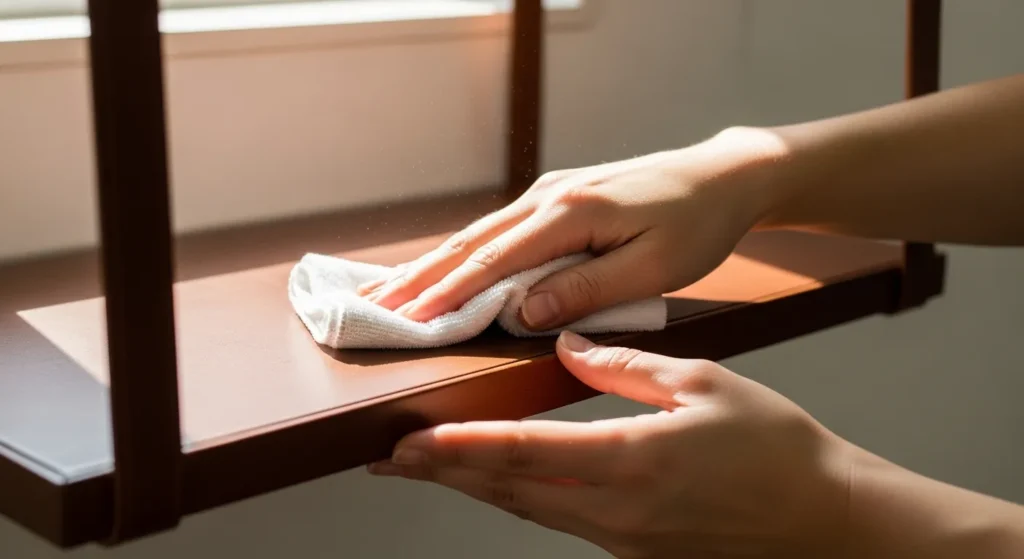
Check the belt and hooks occasionally to ensure the shelf remains secure. Clean the belt and wooden plank with a dry or slightly damp cloth to remove dust. Avoid soaking the leather to preserve its strength and texture.
If the belt shows signs of wear, consider reinforcing it with additional twine or replacing it with a similar sturdy strap. Proper care ensures your shelf stays safe, functional, and attractive for years.
Conclusion
This DIY floating shelf project turns an old belt into a stylish and functional storage solution. It’s cost-effective, beginner-friendly, and adds a creative touch to any room. The combination of wood and leather creates a modern rustic aesthetic while maximizing wall space.
With simple tools and careful steps, anyone can create a floating shelf that’s unique, sturdy, and visually appealing. Whether used for plants, books, or decor, this upcycled belt shelf proves that practical design can be eco-friendly and stylish at the same time.
Choosing the Right Wood for Floating Shelves
The wood you choose determines both the look and the load capacity of your shelves. Solid hardwoods like oak, walnut, and maple are the premium choice. They hold screws firmly, resist sagging over spans up to 36 inches, and take stain beautifully. A two-inch-thick oak shelf can easily support 30 to 40 pounds when properly mounted, enough for a row of hardcover books or a collection of ceramics.
Pine and other softwoods are the budget-friendly alternative and perfectly adequate for decorative shelves holding lighter items. The trade-off is denting. Pine dents if you look at it wrong, so it suits shelves holding plants, picture frames, and small decor rather than heavy daily-use items. If you go with pine, choose boards labeled “select” rather than “common” grade. Select pine has fewer knots, and knots are weak points where boards can split when you drive in mounting hardware.
Plywood with edge banding is the unsung hero for long floating shelves. A quality birch plywood shelf, properly banded on the visible edges, looks remarkably like solid wood at a fraction of the cost and actually resists warping better than solid boards over spans longer than 36 inches. Avoid MDF for floating shelves in humid rooms. It swells irreversibly if moisture gets into the edges, and bathrooms and kitchens are exactly where people most want extra shelving.
Weight Limits and Safety: What Your Shelves Can Actually Hold
Every floating shelf has a weight limit set by three factors: the bracket type, the wall material, and the shelf depth. Hidden bracket systems rated for drywall typically support 15 to 25 pounds per bracket when anchored into studs, but only 8 to 12 pounds when using drywall anchors alone. This is why finding studs matters so much. A shelf that feels rock solid empty can rip straight out of drywall anchors under a load of books.
As a practical rule, mount at least one bracket per 16 inches of shelf length into a wall stud, and never exceed the bracket manufacturer’s rated capacity. For shelves holding anything breakable or valuable, stay at 70 percent of the rated maximum. Deeper shelves also multiply the leverage on the brackets. A 12-inch-deep shelf loaded at the front edge exerts roughly twice the pull-out force of a 6-inch-deep shelf with the same weight, so keep heavy items toward the wall.
In homes with children, add a safety margin and check shelf stability every six months. Kids climb, pull, and hang on anything at their height. Use a small level to check for any forward tilt that has developed over time, which signals the brackets are loosening. Tighten mounting screws at the first sign of movement. A shelf that wobbles slightly today can fail completely under an unexpected load tomorrow.
Styling Your Floating Shelves Like a Designer
The difference between shelves that look curated and shelves that look cluttered comes down to grouping and negative space. Follow the rule of thirds visually: roughly one third books, one third decorative objects, and one third empty space. The empty space is not wasted. It gives the eye somewhere to rest and makes the styled objects stand out instead of blending into visual noise.
Vary heights deliberately within each shelf. Place a tall vase or stack of books at one end, medium-height objects like small plants or candles in the middle, and keep one low section nearly empty. This creates a rhythm that leads the eye across the shelf. When styling multiple shelves on the same wall, stagger the visual weight. If the top shelf is heavy on the left, make the shelf below it heavy on the right. This zigzag balance feels dynamic without looking chaotic.
Finally, step back and photograph your shelves with your phone. The camera reveals clutter and imbalance that your eyes miss in person because you see the shelves every day. If the photo looks busy, remove one item from each shelf and photograph again. Most people are surprised how much better shelves look with 20 percent fewer objects. You can always rotate decor seasonally, which keeps the display fresh without buying anything new.