
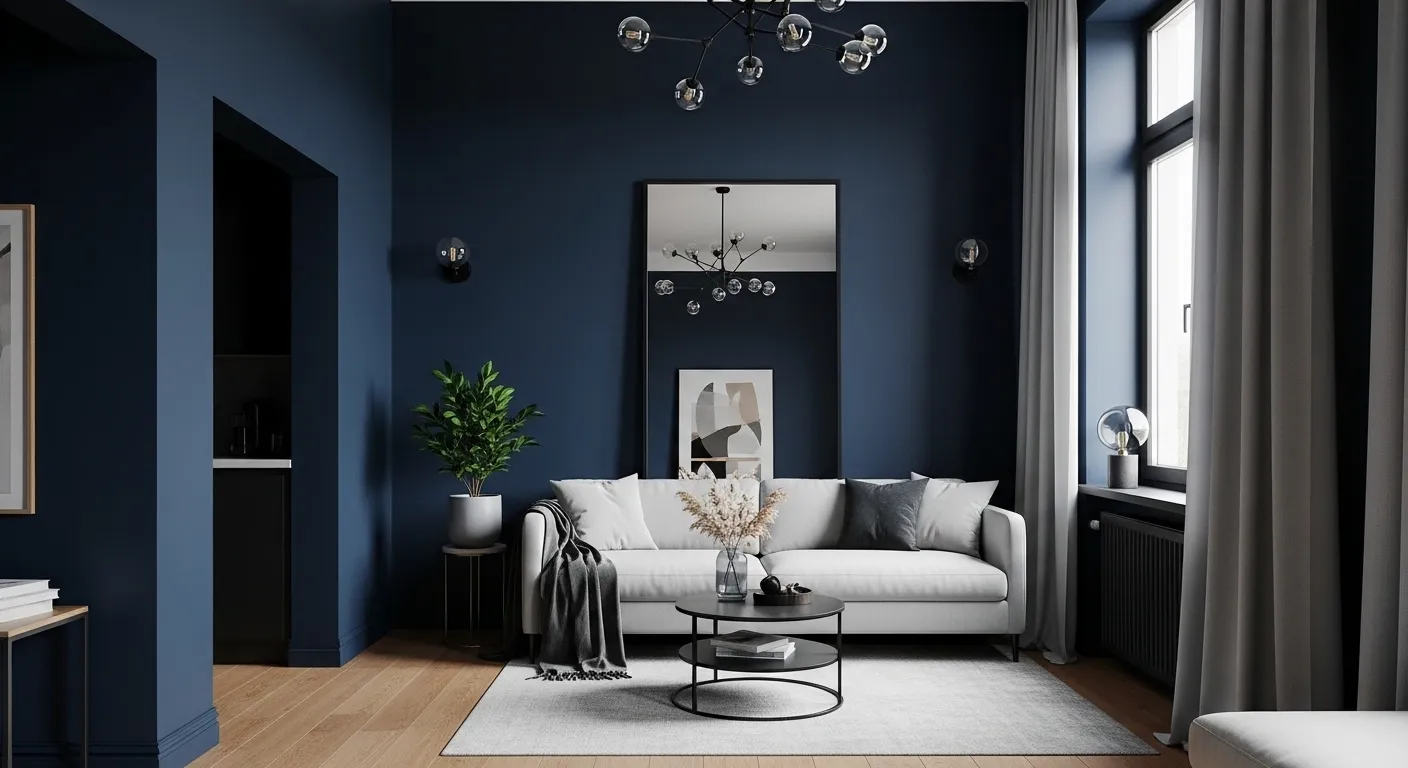
Contrary to popular belief, dark wall colors don’t always make a room feel small. When chosen thoughtfully, deep hues can add depth, dimension, and coziness while making spaces appear larger and more inviting. Dark tones create a dramatic backdrop that visually expands walls and emphasizes architectural features.
From rich blues and greens to bold charcoal and black, these dark shades can reflect light in clever ways, paired with accents, mirrors, and light furnishings. Here are 24 dark wall colors and ideas for using them to make rooms feel bigger, cozier, and Pinterest-worthy.
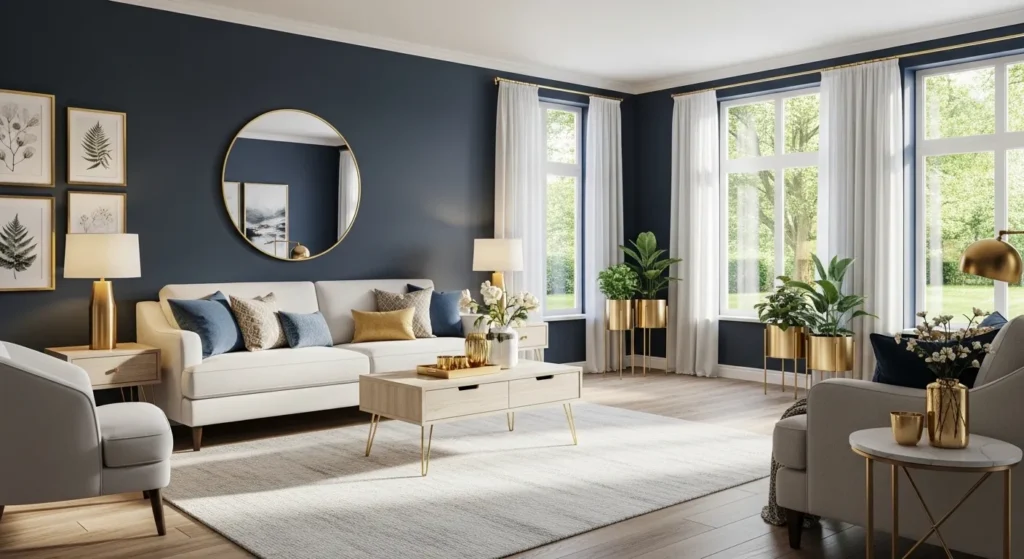
Deep navy walls create depth and sophistication without shrinking a room. Paired with light-colored furniture and reflective surfaces, navy blue adds contrast that makes the space feel airy and open.
Add mirrors or metallic accents to bounce light around the room. This combination ensures the dark walls feel expansive rather than confining, creating a chic, modern, and Pinterest-ready atmosphere.
2. Charcoal Gray
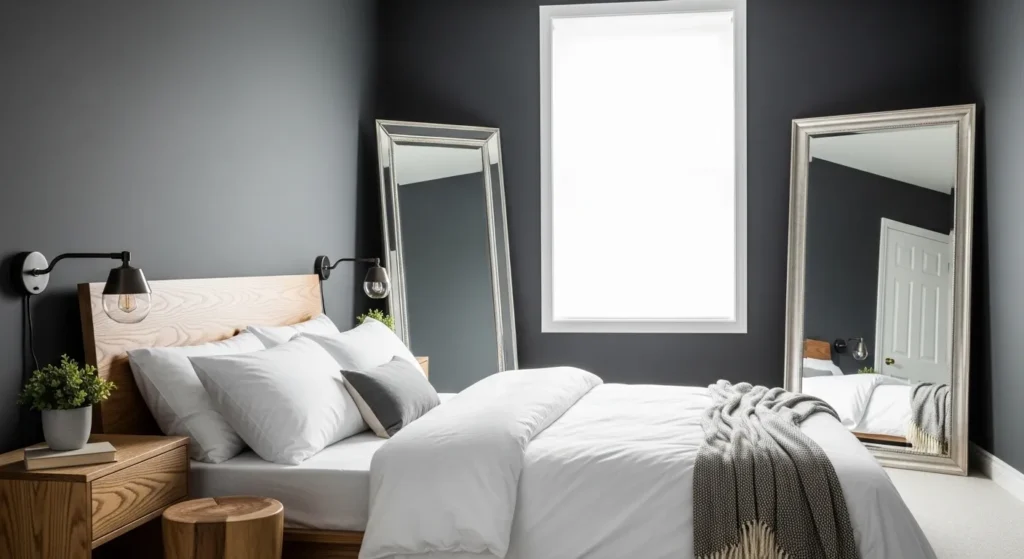
Charcoal gray is perfect for adding drama while maintaining a sense of openness. It pairs beautifully with crisp white furniture and natural wood tones to reflect light and prevent the space from feeling too dark.
Large mirrors amplify light and create an illusion of more space. The overall effect is sophisticated, cozy, and balanced, proving that dark walls can enhance room size perception.
3. Forest Green
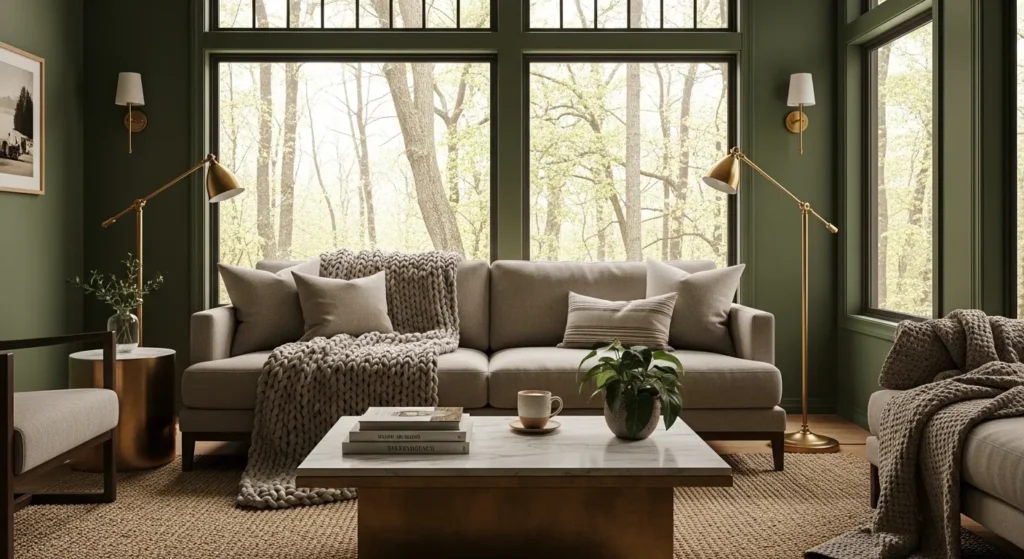
Forest green walls create an intimate yet expansive feeling. By pairing this rich color with light furnishings and strategically placed mirrors, the room feels larger and more inviting.
Natural wood tones and plants complement forest green, enhancing the sense of depth. This color works particularly well in living rooms and bedrooms, creating a cozy yet visually open ambiance.
4. Deep Teal
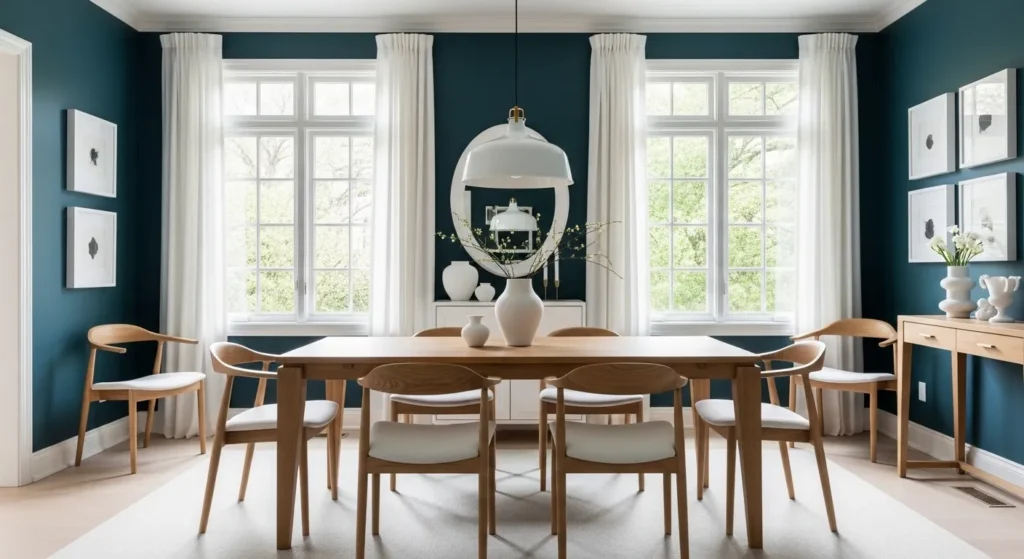
Deep teal adds warmth and dimension to a room without overwhelming it. Light-colored furniture and reflective surfaces help prevent the color from making the space feel small.
Accents like gold or brass, along with ample natural light, create contrast and visual depth. This technique turns a dark color into an opportunity for spacious, elegant design.
5. Black with Warm Undertones
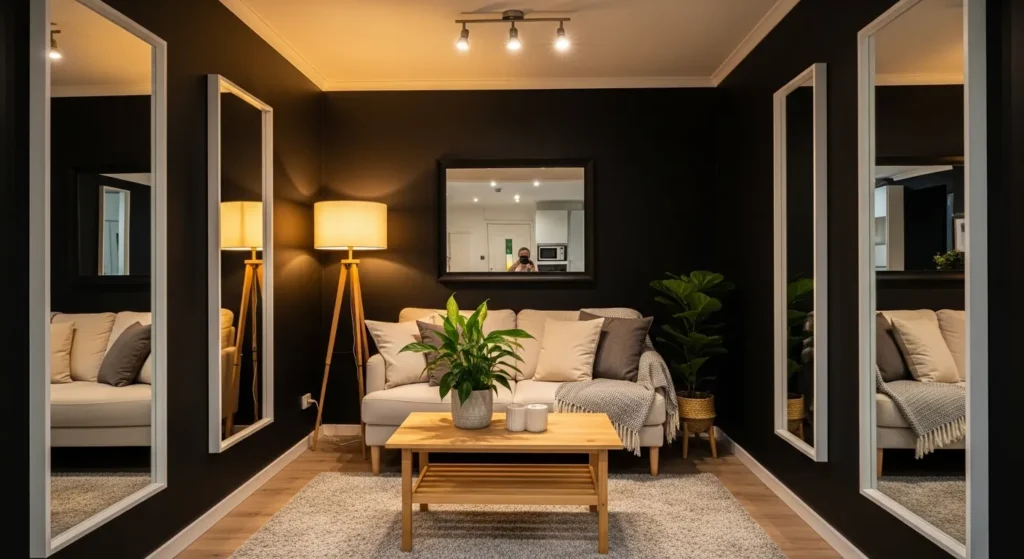
Black with warm undertones can make a room feel surprisingly spacious. The warmth prevents harshness while the dark color adds depth that tricks the eye into perceiving larger dimensions.
Pair with light-colored furnishings, mirrors, and strategic lighting. The contrast highlights architectural details and opens up the space visually while maintaining a dramatic, stylish vibe.
6. Eggplant Purple
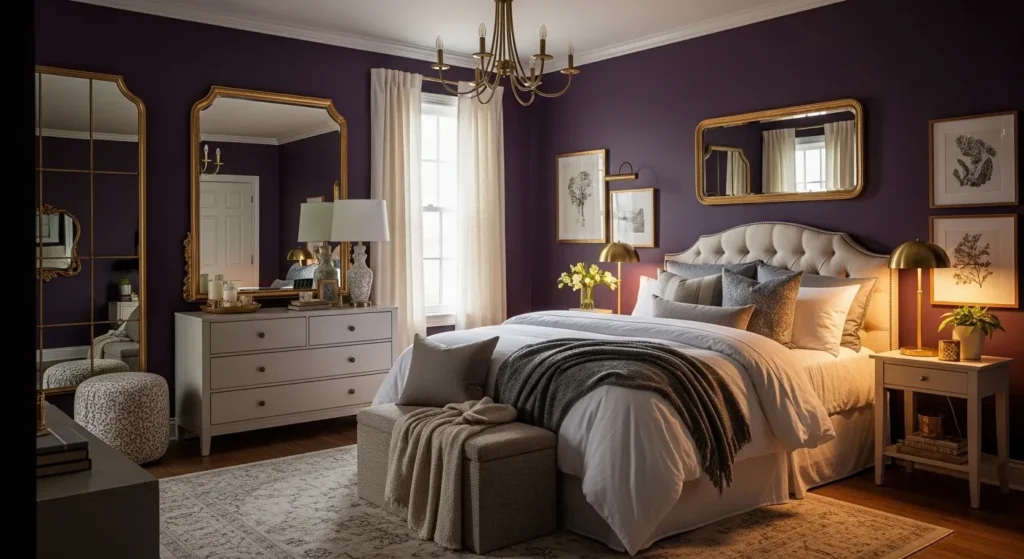
Eggplant purple creates a sense of luxury and depth in bedrooms or living areas. It adds richness while paired with light furniture to maintain a spacious feel.
Reflective surfaces and lighter accents ensure that the dark walls don’t overpower the space. The result is an intimate, elegant room that feels both cozy and visually larger.
7. Slate Blue
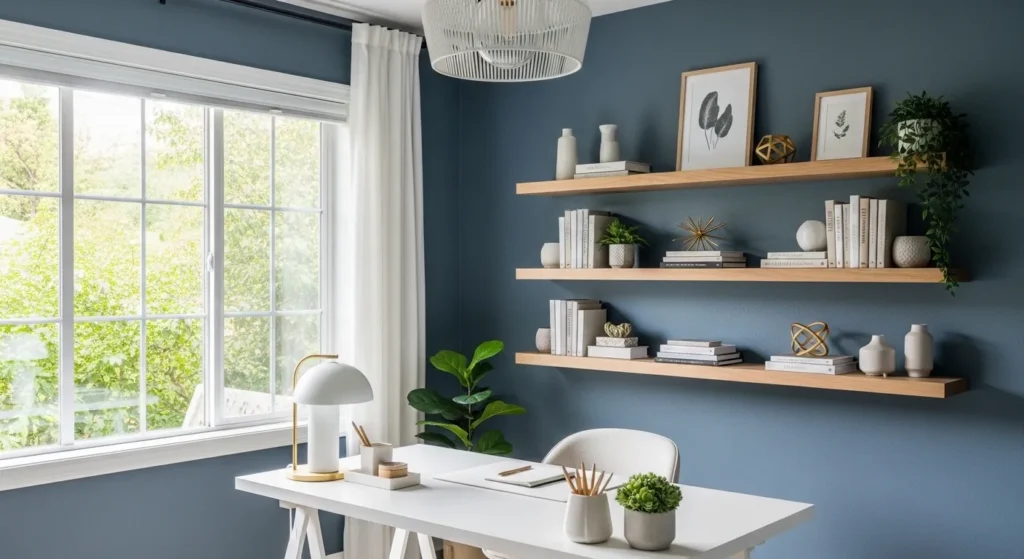
Slate blue is muted enough to feel calm but deep enough to add dimension. Light furnishings and reflective décor ensure the space doesn’t feel closed in.
Adding mirrors or metallic accents enhances the sense of depth. Slate blue is perfect for workspaces or lounges, creating a serene yet visually expansive environment.
8. Olive Green
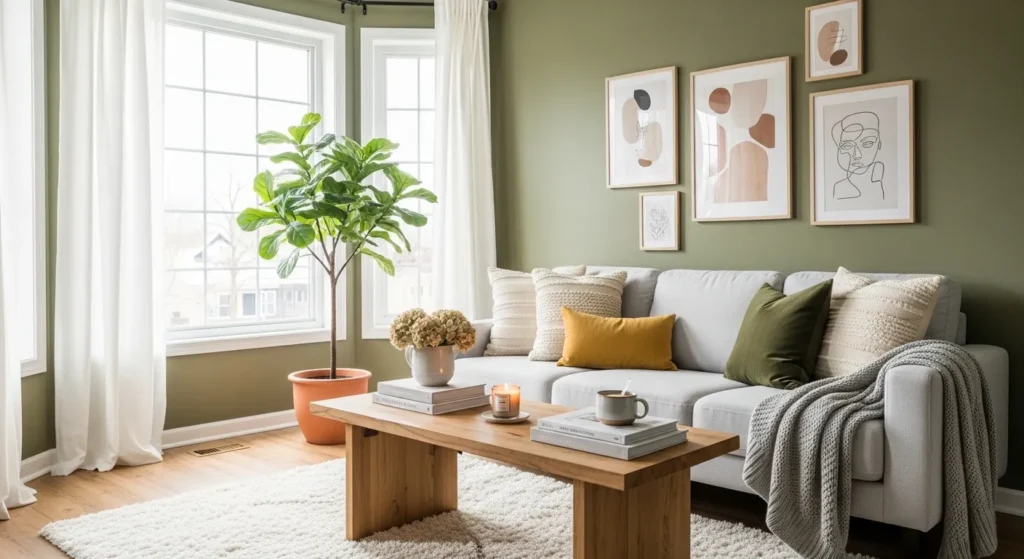
Olive green walls add warmth and subtle depth to living areas. The muted green tone reflects light differently depending on the time of day, creating a dynamic sense of space.
Combine with light neutral furniture and natural textures to prevent the room from feeling dark. This approach maintains a cozy yet open atmosphere suitable for any room.
9. Graphite
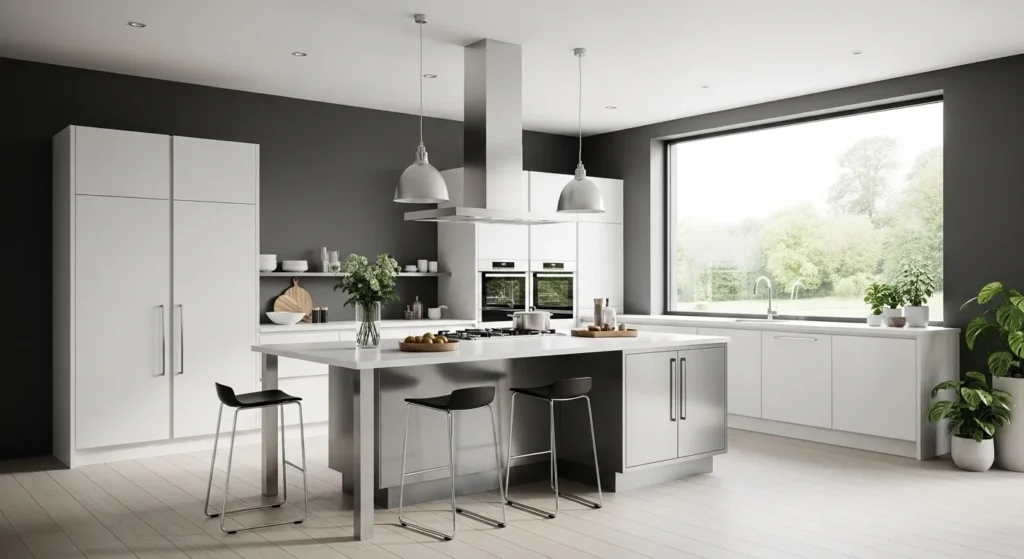
Graphite walls are ideal for adding drama without shrinking the room. Pairing with bright, reflective surfaces creates an airy, modern effect that enhances spatial perception.
Use metallic or glass accents to amplify light. Graphite balances sophistication and openness, making kitchens, dining rooms, or offices feel both stylish and spacious.
10. Deep Burgundy
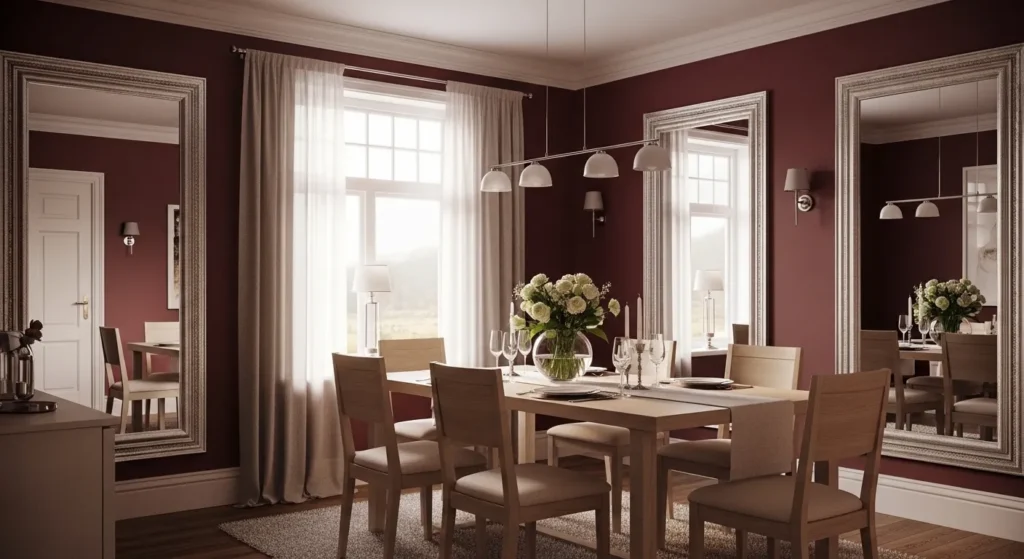
Deep burgundy creates a rich, dramatic effect while still maintaining a sense of openness when combined with light furnishings and reflective décor.
Mirrors and metallic accents reflect light, preventing the walls from feeling too heavy. This color adds warmth, depth, and a cozy sophistication to the room.
11. Midnight Blue
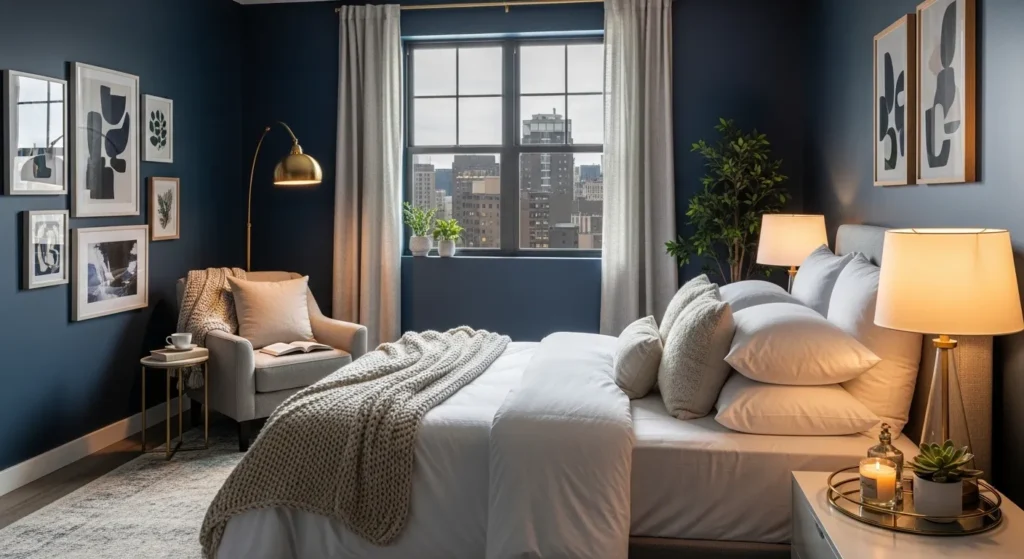
Midnight blue offers depth and serenity, making bedrooms feel both intimate and expansive. Pair it with white or light furnishings to enhance brightness.
Strategically placed mirrors or glass accessories reflect natural light, balancing the dark walls. This approach makes the room feel larger and more inviting while retaining dramatic elegance.
12. Dark Teal with Gray Undertones
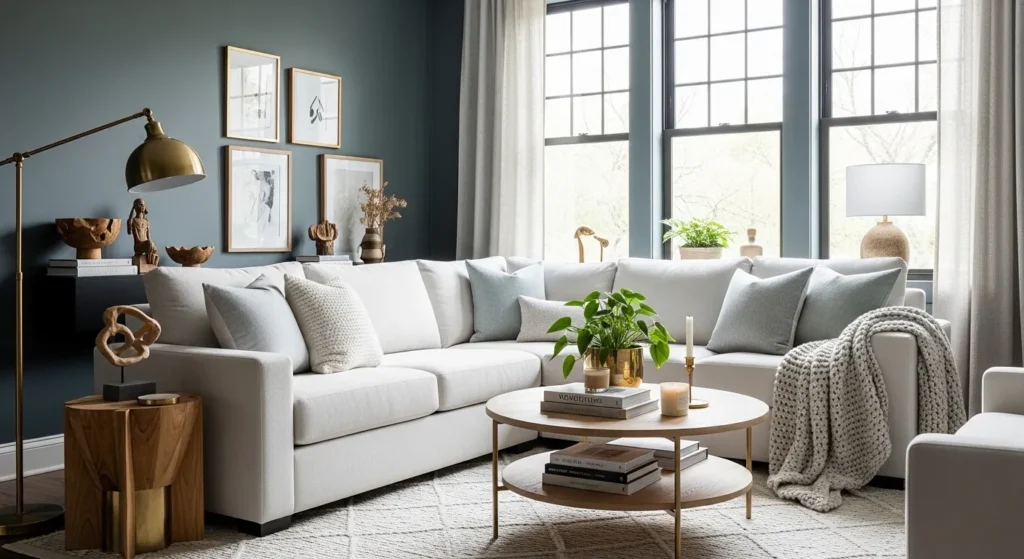
Dark teal with gray undertones adds sophistication and a sense of spaciousness. Neutral or light-colored furniture helps the room feel airy despite the deep hue.
Complement with mirrors, metallic accents, and natural light to reflect brightness. This color works well in living rooms or offices, creating a cozy yet open atmosphere that’s visually appealing.
13. Dark Olive with Gold Accents
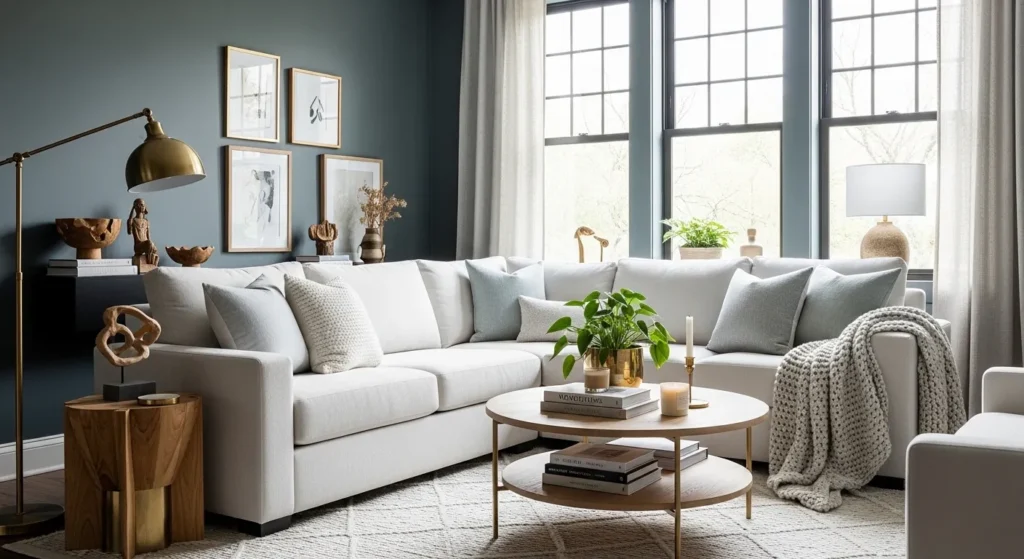
Dark olive walls paired with gold accents create depth while reflecting light to make the room feel larger. The metallic touches enhance brightness and add luxury.
Use light furniture and rugs to prevent the space from feeling heavy. Combining dark walls with reflective and light elements maintains an open, cozy, and stylish atmosphere.
14. Charred Wood Brown
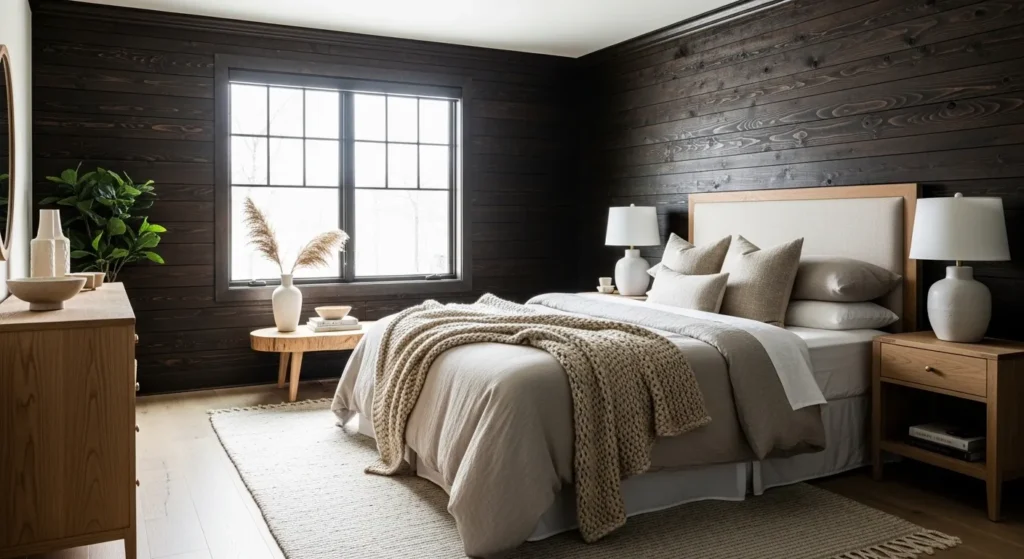
Charred wood brown adds warmth and depth without closing in the room. Pairing it with natural textures and light furnishings keeps the space airy and inviting.
Accents like mirrors or light-colored linens bounce light around. The result is a sophisticated room that feels larger while maintaining a cozy, earthy vibe.
15. Inky Black
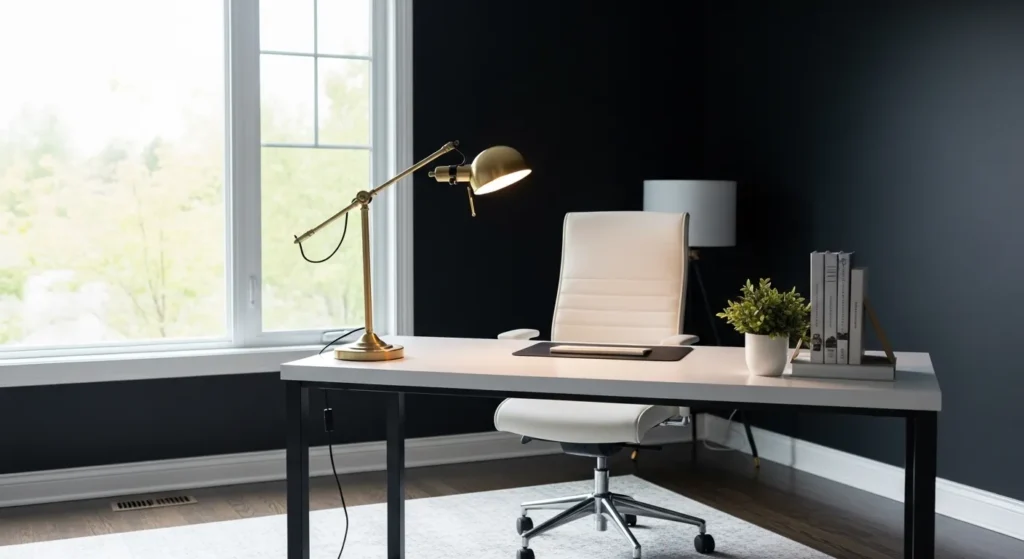
Inky black walls can expand perception when combined with light furnishings and reflective surfaces. The high contrast creates depth and emphasizes architectural details.
Add mirrors or glass decor to reflect natural light. This approach turns a bold color into a visually spacious and dramatic design statement.
16. Deep Emerald Green
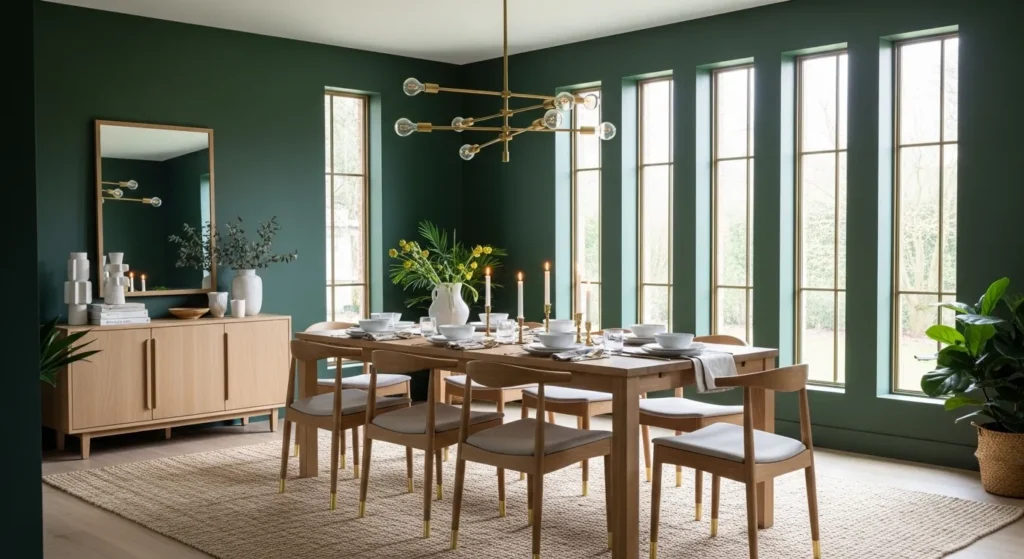
Deep emerald green adds richness while maintaining a sense of space. Paired with light furniture and plenty of natural light, it feels expansive and inviting.
Mirrors, metallic accents, or light-colored textiles enhance brightness and depth. This color works beautifully in dining or living areas for a sophisticated yet open atmosphere.
17. Dark Slate Gray
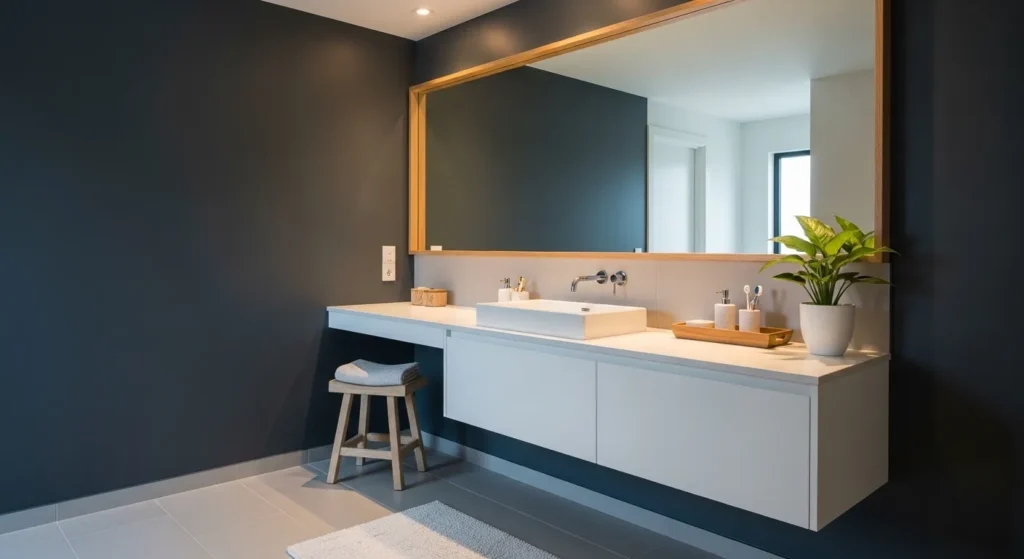
Slate gray walls give a room a sleek, contemporary feel. Paired with bright or reflective surfaces, slate gray adds depth while keeping the space visually open.
Use mirrors and light-colored accents to bounce light around the room. This color is ideal for bathrooms, kitchens, or offices, creating a spacious, modern aesthetic.
18. Aubergine Purple
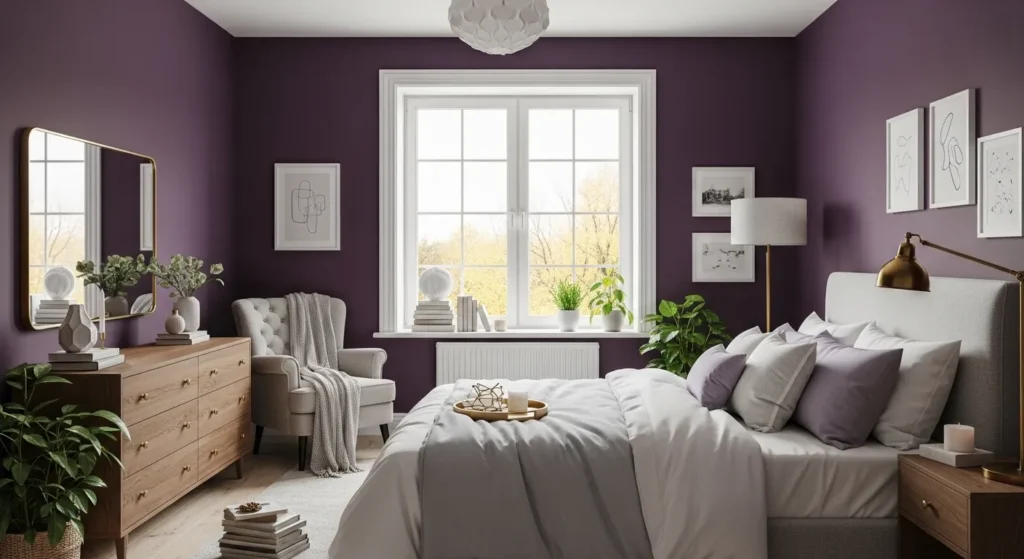
Aubergine walls add luxury and richness without shrinking the room. Paired with light fabrics and reflective accessories, it visually expands the space.
Add mirrors, glass accessories, and light flooring to balance the darkness. This color creates a cozy yet spacious feeling, perfect for bedrooms or lounges.
19. Dark Teal with Yellow Accents
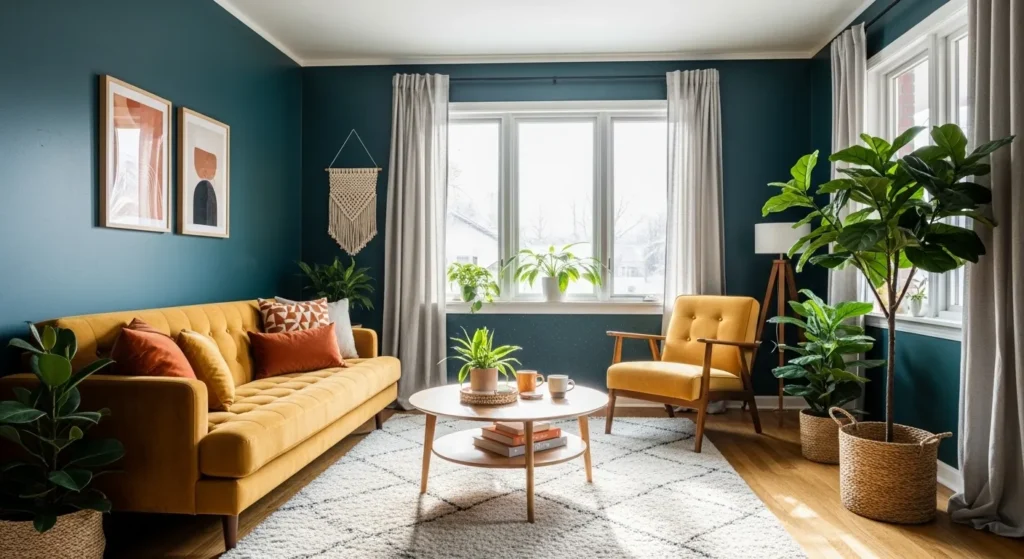
Dark teal paired with bright yellow accents creates contrast that enhances depth and the perception of space. The dark backdrop highlights lighter elements, making the room feel airy.
Use mirrors or metallic decor to reflect light. This combination brings vibrancy while maintaining a visually spacious atmosphere, ideal for living or workspaces.
20. Midnight Charcoal
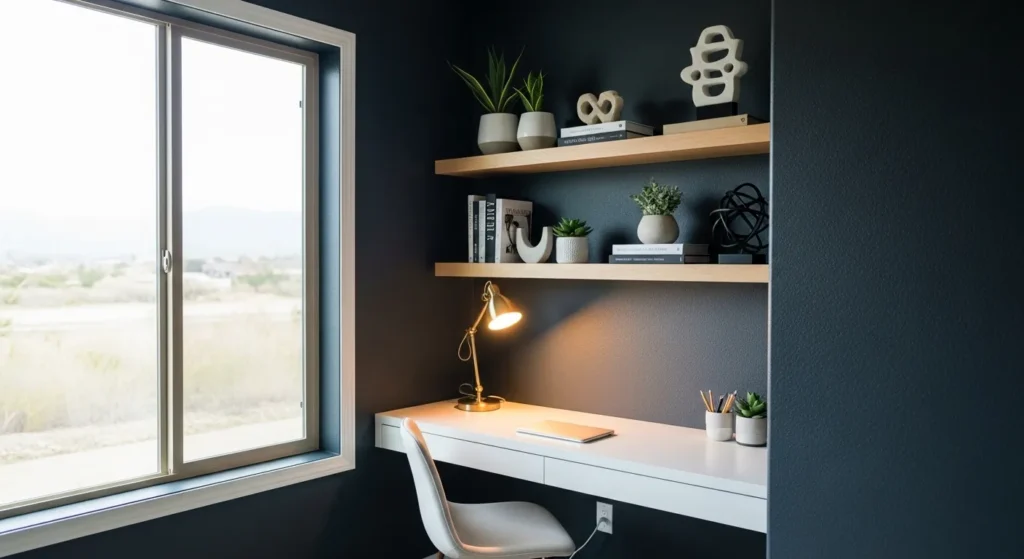
Midnight charcoal provides depth while keeping a room open when paired with light furniture and reflective elements. It adds a modern, dramatic aesthetic.
Incorporate mirrors, metallic accents, and neutral rugs to maintain brightness. This color works for offices, bedrooms, or lounges to make spaces feel expansive and cozy.
21. Dark Sapphire Blue
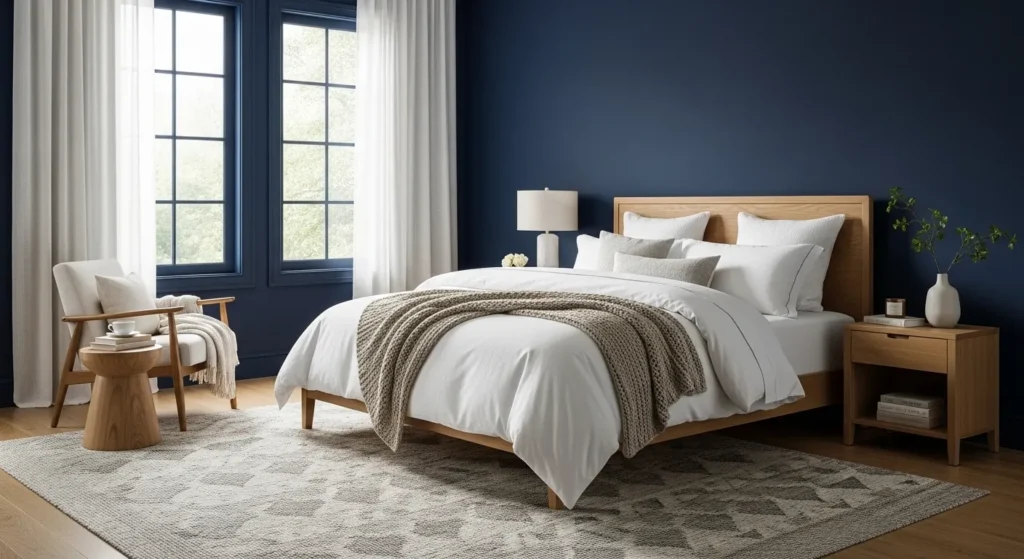
Sapphire blue walls create a serene, deep environment. Light furniture and strategic accents enhance brightness and open up the room visually.
Combine with mirrors, light-colored textiles, or metallic details to reflect light. This creates a spacious and elegant atmosphere, perfect for bedrooms or lounges.
22. Black-Blue Gradient
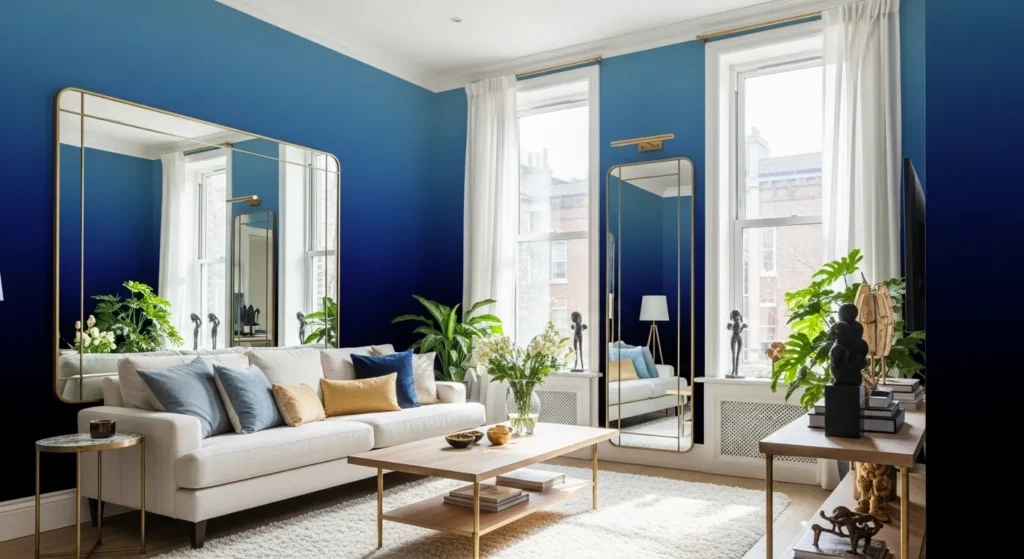
Gradient walls, moving from black to deep blue, create an illusion of depth. This adds visual interest while enhancing the perception of a larger space.
Use light furnishings, reflective decor, and ample natural light to maximize the effect. Gradient walls offer a dramatic yet airy feel in modern interiors.
23. Deep Cocoa Brown
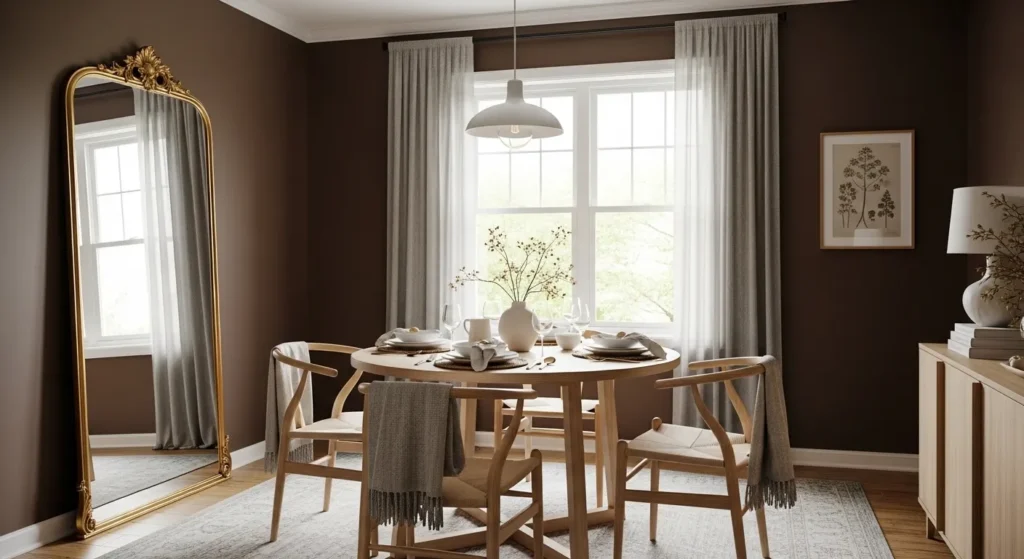
Cocoa brown walls create warmth and depth without feeling cramped. Pairing with light-colored furniture enhances brightness and open feeling.
Mirrors and metallic or glass accents help reflect light, making the room feel larger. This color works beautifully in dining rooms, living areas, or bedrooms for a cozy yet spacious feel.
24. Dark Olive-Gray
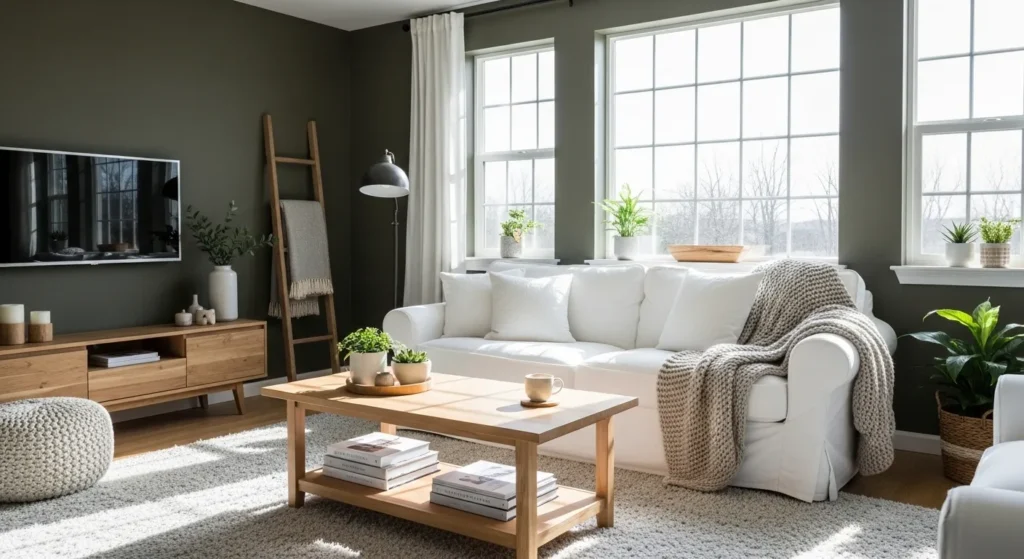
Olive-gray walls offer subtle warmth and depth, creating an expansive feel when paired with light furnishings and reflective accents. The color balances sophistication with comfort.
Add mirrors, neutral textiles, and metallic decor to amplify light and space. This creates a modern, cozy, and visually open room that feels larger than it is.
Conclusion
Dark wall colors, when used thoughtfully, can make rooms feel larger, cozier, and more sophisticated. Pairing deep hues with light furnishings, mirrors, and metallic accents enhances depth and spatial perception.
These 24 ideas show that dramatic walls don’t shrink spaces; instead, they create a sense of dimension and elegance. Experiment with shades, contrasts, and reflective elements to transform any room into a Pinterest-worthy, open, and inviting space.
FAQ
Q1: Do dark walls make small rooms feel smaller?
Not necessarily. Dark walls paired with light furniture, mirrors, and natural light can make rooms feel deeper and more expansive.
Q2: Which dark colors work best for bedrooms?
Deep blues, aubergine, emerald green, or charcoal work well, creating cozy yet visually open environments.
Q3: How can I prevent dark walls from feeling too heavy?
Use mirrors, metallic accents, light-colored furniture, and bright textiles to reflect light and balance the darkness.
Q4: Can dark walls work in living rooms or kitchens?
Absolutely. Dark hues like teal, charcoal, or navy can add drama and depth while paired with light furnishings and reflective surfaces to maintain openness.
Q5: Are gradient or mixed dark tones effective?
Yes. Gradients, color transitions, and mixed undertones add depth and visual interest, making walls feel spacious and dynamic.