
As an Amazon Associate, I earn from qualifying purchases. This means I may earn a commission if you purchase through links on this page — at no extra cost to you.
Stuck staring at a bedroom that feels unfinished? You’re not alone. These 21 sage green bedroom ideas that feel fresh and relaxing solve the most common design dilemmas — with solutions for every budget, space, and skill level.
Explore more bedroom ideas for inspiration.
The problem with many “colorful” bedrooms is that they overstimulate. instantly refreshSage green bedroom does the opposite. It softens the environment, reflects natural tones, and creates a space that feels breathable.
Used properly, it doesn’t just look good—it actually changes how the room feels. Below are 21 practical ideas that focus on balance, not decoration overload.
1. Sage Green Accent Wall with Neutral Bedding

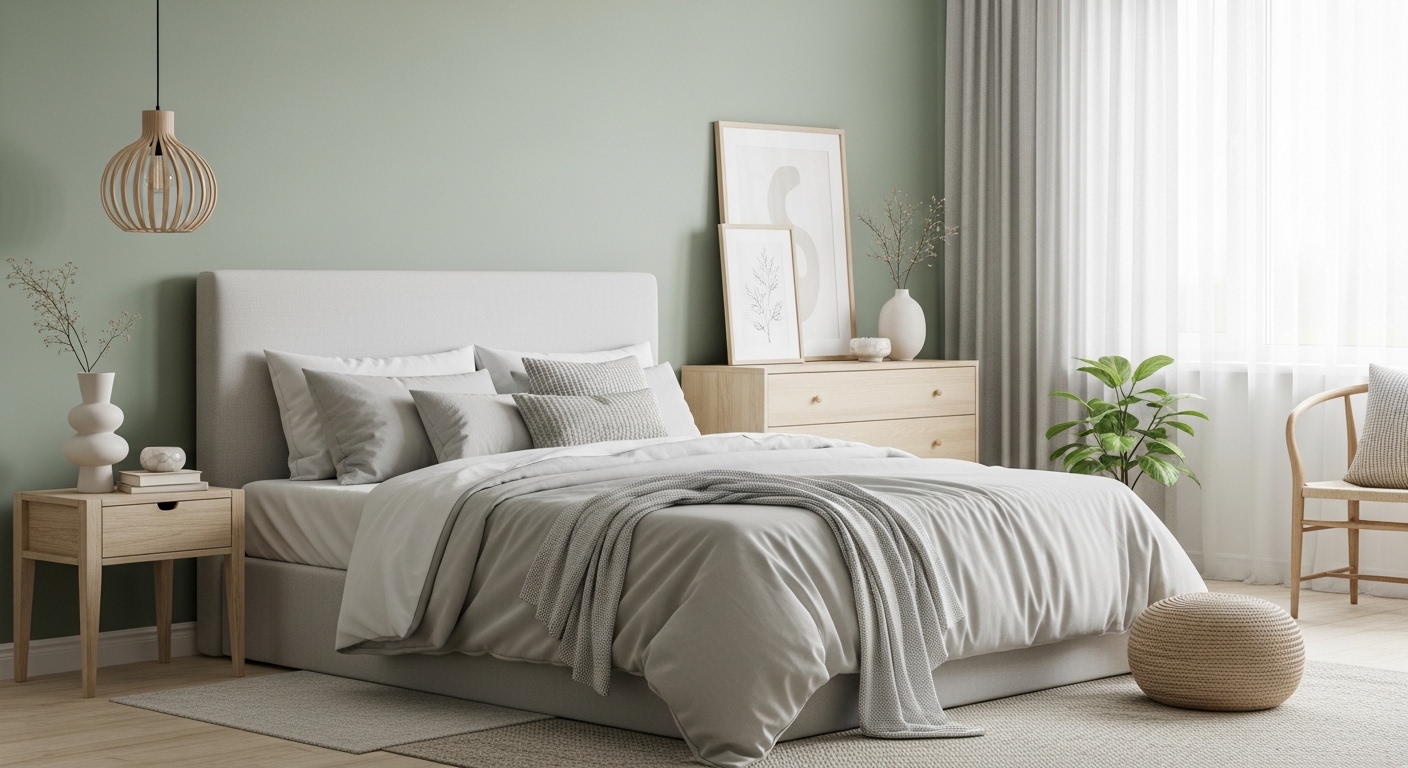
A sage green accent wall is one of the easiest ways to introduce color without committing to a full redesign. It creates a focal point behind the bed while keeping the rest of the room light and simple. This approach works especially well if your room already has white or neutral tones.
Pair it with neutral bedding—whites, creams, or soft beige—to maintain balance. If everything turns green, the room can feel heavy. One strong wall is enough to define the mood while keebedroome space calm and controlled.
2. Sage Green Bedding with White Walls

If you don’t want to paint walls, bedding is the smartest entry point. Sage green sheets or a duvet instantly refresh a plain white bedroom. It’s a low-risk change but visually effective.
White walls reflect light and keep the room feeling open, while the green bedding adds just enough color to avoid boredom. This combination works because it’s flexible—you can change the look easily without a full redesign.
3. Sage Green and Wooden Furniture Combo

Sage green pairs naturally with wood because both come from the same visual language—nature. Wooden furniture adds warmth and prevents the green from feeling too cool or flat.
Keep the wood tones light to medium. Dark wood can overpower the softness of sage. The goal is a balanced environment where both elements support each other rather than compete.
4. Two-Tone Walls with Sage Green and White

Two-tone walls add structure without complexity. Use sage green on the lower half and white on the upper half to keep the room grounded but still bright.
This setup visually expands the room while adding depth. It’s a smarter alternative to full-wall color if you’re worried about making the space feel smaller.
5. Sage Green Curtains with Neutral Room

Curtains are often overlooked, but they carry a lot of visual weight. Sage green curtains can anchor a neutral bedroom without overwhelming it.
Choose light, breathable fabric so the curtains don’t block natural light. The green should feel soft and diffused, not heavy or dramatic.
6. Minimalist Sage Green Bedroom

Minimalism works well with sage green because both focus on simplicity. Keep furniture limited, decor minimal, and let the color do the work.
Avoid layering too many textures or patterns. The strength of this look is in its restraint. When done right, the room feels calm without looking empty.
7. Sage Green Headboard as Focal Point

A sage green headboard adds color exactly where you need it—at the center of the room. It draws attention without taking over the entire space.
Pair it with simple bedding and minimal decor so it remains the focal point. This is a good option if you want a controlled pop of color.
8. Sage Green with Beige and Cream Layers

Layering sage green with beige and cream creates a soft, cohesive palette. These tones naturally blend, making the room feel warm and inviting.
Use this combination in bedding, rugs, and decor. The key is subtle variation, not contrast. Everything should feel connected.
9. Indoor Plants to Enhance Green Theme

Plants reinforce the sage green theme without adding artificial color. They make the room feel alive and improve the overall atmosphere.
Don’t overcrowd the space. A few well-placed plants are enough to enhance the look without turning the room into a jungle.
10. Sage Green Wall Panels or Molding

Wall panels painted in sage green add texture and depth. This works better than flat paint if you want a slightly more refined look.
Keep the rest of the room simple so the panels don’t feel heavy. Texture should enhance the space, not dominate it.
🛒 Shop This Look:
11. Sage Green and White Striped Bedding

Subtle patterns like stripes can add interest without breaking the calm vibe. Sage green and white stripes feel fresh and structured.
Avoid bold or busy patterns. Keep lines clean and simple to maintain the relaxing feel.
12. Sage Green Dresser or Accent Furniture

Instead of spreading sage green across the entire room, you can introduce it through a single furniture piece like a dresser or side table. This approach gives you a controlled pop of color without committing to walls or large textiles. It’s practical and flexible, especially if you like updating your space occasionally without major effort.
Keep the surrounding elements neutral so the furniture stands out naturally. A sage green dresser paired with white walls and light wood flooring creates a clean, balanced look. The key is restraint—one statement piece is enough to influence the mood without making the room feel overly styled or forced.
13. Sage Green with Soft Gray Accents

Sage green and soft gray work well together because both are muted and understated. Neither color fights for attention, which helps maintain a calm and cohesive environment. Gray adds a slightly modern edge, while sage keeps the space from feeling too cold or lifeless.
Use gray in subtle ways—like throws, cushions, or small decor elements. Avoid making gray dominant, or the room can lose its warmth. When balanced properly, this combination creates a layered, sophisticated look that still feels relaxing and easy to live in.
14. Light Wood and Sage Green Balance

Light wood tones naturally complement sage green, creating a connection to nature that feels effortless. This pairing works especially well in bedrooms where you want a soft, organic atmosphere rather than something overly polished or artificial.
Keep the wood finishes simple and avoid heavy staining. Pale oak or similar tones maintain the airy quality of the room. When combined with sage green walls or bedding, the result is a space that feels warm, fresh, and grounded without becoming visually heavy.
15. Sage Green Accent Chair or Bench

Adding a sage green chair or bench is a subtle way to introduce color while also improving functionality. It gives you a dedicated spot for reading, relaxing, or simply placing items without cluttering the bed or floor.
Place it near a window or in an empty corner to create a small, intentional zone within the room. Keep the design simple and avoid overly decorative shapes. The goal is to add comfort and visual interest without disrupting the calm flow of the space.
16. Layered Bedding with Sage Green Tones

Using multiple shades of sage within bedding adds depth without introducing new colors. Instead of a flat, single-tone bed, layering creates a more inviting and comfortable look while staying within the same palette.
Mix textures like cotton, linen, and soft knits to enhance the effect. Keep the layering controlled—too many elements can feel messy. The idea is to create a bed that looks comfortable and visually rich without becoming overwhelming.
17. Sage Green Wallpaper with Subtle Pattern

Wallpaper can add personality, but it needs to be handled carefully in a bedroom. A sage green wallpaper with a very subtle pattern introduces texture and interest without making the walls feel busy or distracting.
Stick to simple, repetitive designs that don’t demand attention. Large or bold patterns can break the calm atmosphere. When done right, wallpaper becomes a background element that quietly enhances the overall look rather than dominating it.
18. Sage Green and White Layered Curtains

Layering curtains in sage green and white allows you to control both light and mood. The white layer keeps the room bright during the day, while the sage green layer adds depth and softness when closed.
Choose lightweight fabrics so the layers don’t feel bulky. This setup not only improves functionality but also adds a subtle visual richness that makes the room feel more complete without adding clutter.
🛒 Shop This Look:
19. Minimal Decor with Sage Green Base

When sage green is already present in walls or bedding, it’s better to reduce additional decor. Too many elements can compete with the color and disrupt the calm effect you’re trying to achieve.
Focus on clean surfaces and only a few meaningful items. This approach allows the sage green tone to define the room naturally. The less you add, the more the color itself becomes the feature.
20. Sage Green with Black Accent Details

A small amount of black can sharpen the softness of sage green and add structure to the room. Think of thin frames, light fixtures, or minimal decor pieces—not large dark surfaces.
The contrast should be subtle, not dominant. Too much black can make the room feel heavy. When used correctly, it adds definition and makes the overall design feel more intentional and refined.
21. Soft Lighting to Enhance Sage Green Tone

Lighting has a major impact on how sage green appears. Harsh white lighting can make it look dull or washed out, while warm, soft lighting enhances its natural richness and calm tone.
Use lamps, warm bulbs, or indirect lighting to create a relaxed atmosphere. The goal is to support the color, not distort it. Good lighting doesn’t just improve visibility—it defines how the entire room feels.
Conclusion
Sage green works because it strikes a balance most colors fail to achieve. It introduces freshness without being loud, and warmth without becoming dull. That’s why it fits so naturally into bedrooms—it supports rest instead of competing with it. But the color alone isn’t enough. Execution matters more than the shade itself.
If you overload the space with too many elements, even the calmest color will lose its effect. The real impact comes from restraint—pairing sage green with neutrals, natural materials, and simple layouts. Every choice should support the same goal: reducing visual stress and creating a space that feels easy to exist in.
Get the balance right, and the room won’t just look good—it will actually feel different. And that’s the whole point.
10 Essential Questions About Sage Green Bedrooms
1. What makes sage green such a popular bedroom color?
Sage green sits at the sweet spot between nature and sophistication. It’s calming without being boring, and it works with almost every design style.
Unlike trendy colors that feel dated in a few years, sage green has staying power. It’s muted enough to feel restful but rich enough to look intentional and designed.
Your nervous system literally responds well to green—it mimics nature and triggers relaxation. Sage specifically is soft and warm, not the jarring brightness of neon or forest green.
2. What undertones does sage green have, and does it matter?
Yes, undertones matter enormously. Sage green comes in different flavors.
Some sage leans slightly blue (cooler, more silvery). Others lean slightly gray (more neutral). Some have warm, almost taupe undertones. The undertone changes how the color feels in your space.
Cool-toned sage works best in naturally bright rooms. Warm-toned sage feels cozier and works in rooms with less natural light. Check paint samples at different times of day before committing.
3. What colors pair best with sage green in a bedroom?
Soft, warm neutrals are your best friends: cream, warm white, soft gray, and taupe.
These create a cohesive, calming palette without competing. Avoid cool whites (they clash with warm sage) and bold accent colors (they overshadow the green’s gentle vibe).
If you want subtle contrast, soft blush, warm terracotta, or pale yellow work beautifully. Keep it muted and warm.
4. Should I paint all four walls sage green, or use it as an accent?
Full walls work brilliantly if you choose the right shade. Go for it if you love the color.
One accent wall works if you’re hesitant or want your green to be more subtle. Paint the wall behind your bed for maximum impact with lower risk.
Whichever you choose, keep the ceiling and trim white or cream. This prevents the space from feeling closed-in.
🛒 Shop This Look:
5. What bedding colors complement sage green walls?
White, cream, soft gray, or pale green are your safest bets. These let the wall color be the star.
Warm white linen bedding looks sophisticated against sage. A cream quilted duvet adds texture without competing.
If you want subtle contrast, soft gray or even a very pale sage creates depth. Avoid bedding in bold colors—let the walls carry the design weight.
6. How do I prevent a sage green bedroom from feeling too feminine or cottage-y?
Pairing and styling matter more than the color itself. Sage green is actually incredibly versatile.
Mix in modern elements: sleek metal hardware, minimalist furniture, geometric art. Add masculine or industrial touches: exposed wood, concrete accents, leather pieces.
The vibe you create depends on accessories and furniture style, not the wall color. Sage green works equally well in Scandinavian, contemporary, industrial, or traditional bedrooms.
7. Does sage green work in small bedrooms, or will it make the space feel smaller?
Sage green actually works great in smaller rooms. Muted colors make spaces feel larger, not smaller.
Paint all walls the same sage green—this creates continuity and makes the room feel cohesive. Avoid dark accents that chop up visual space.
Keep furniture minimal and your bed frame low-profile. Use vertical storage to maximize space without adding visual clutter.
8. What lighting looks best in a sage green bedroom?
Warm lighting is essential. Your sage green needs warmth to shine.
Use 2700K warm white bulbs throughout—overhead, bedside, and anywhere else. Cool white (4000K) makes sage look washed out and sickly.
Dimmable lights give you flexibility. Some nights you want bright focus, others you want cozy ambient glow. Good blackout curtains matter equally—you need darkness for quality sleep.
9. What natural elements enhance a sage green bedroom?
Wood, plants, and natural textiles are perfect companions.
A wooden bed frame or nightstand grounds the space. Live plants in the corners or on shelves reinforce that nature connection. Natural fiber rugs (jute, sisal, wool) add warmth underfoot.
Linen curtains, cotton bedding, and woven baskets complete the natural aesthetic. These materials breathe and feel good—they’re not just pretty.
10. Can I do a sage green bedroom on a budget?
Absolutely. Paint is your biggest investment and highest-impact change.
Quality sage green paint (one gallon covers most bedrooms) costs $30-60. That’s the foundation. Then declutter and add inexpensive natural elements: a rug from a budget retailer, plants from a nursery, simple wooden pieces.
Bedding doesn’t need to be expensive—mid-range cotton sheets work fine. Focus your budget on quality paint and good lighting. Everything else builds from there.
Don’t stop here — discover more room-by-room ideas that make decorating easy and enjoyable → Homeis Decor



