
As an Amazon Associate, I earn from qualifying purchases. This means I may earn a commission if you purchase through links on this page — at no extra cost to you.
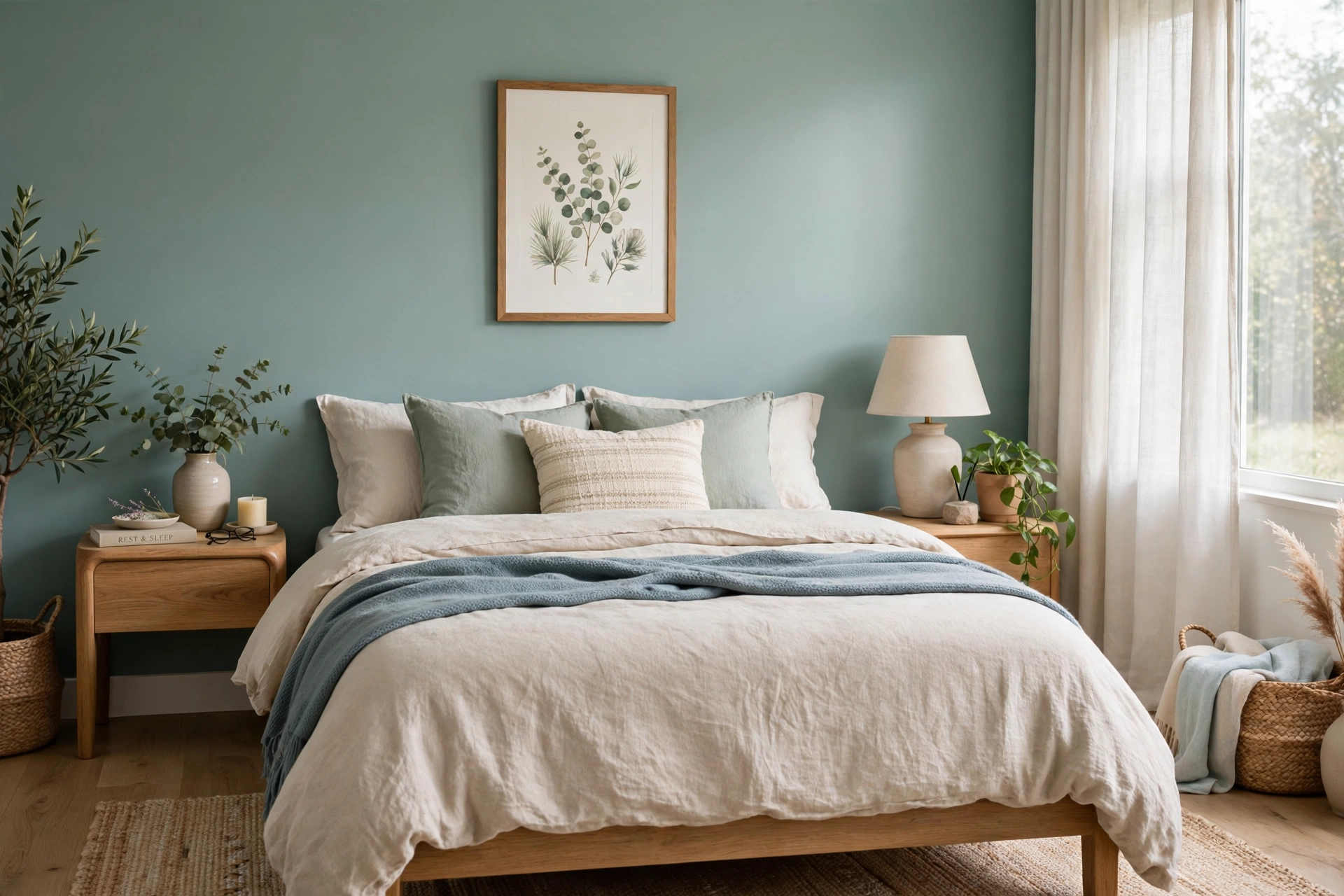
The best bedroom paint colors for better sleep are soft blues, muted greens, warm grays, and gentle lavenders. Sleep researchers have found that blue bedrooms are associated with the longest sleep duration — averaging 7 hours 52 minutes per night — likely because blue tones lower heart rate and blood pressure. Avoid stimulating colors like bright red, vivid orange, or neon shades, which can increase alertness. The key is choosing desaturated, calming tones rather than any specific hue.
What the Research Says
A widely cited survey of 2,000 sleepers found that people in blue bedrooms slept the longest, followed by yellow (7h 40m) and green (7h 36m). Gray, brown, and purple bedrooms were associated with the shortest sleep. While correlation isn’t causation, the pattern aligns with color psychology research on calming versus stimulating hues.
Top Sleep-Friendly Colors
Soft Blue
The top performer. Try pale sky blue, powder blue, or muted slate. Blue is universally calming and works with most decor styles.
Sage Green
Green suggests nature and tranquility. Sage and eucalyptus tones are sophisticated and restful without feeling cold.
Warm Gray (Greige)
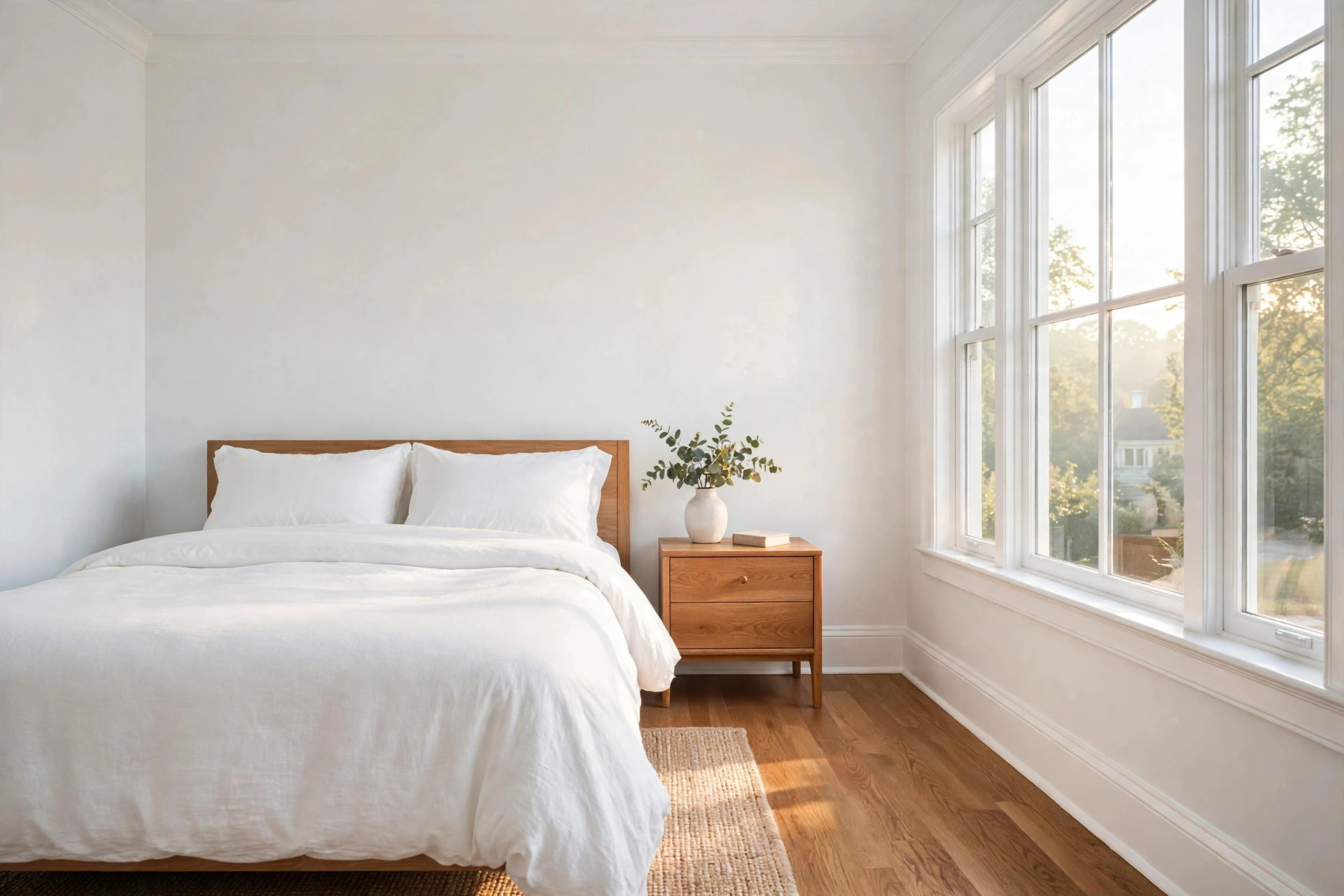
A warm-leaning gray feels cozy rather than sterile. It pairs beautifully with white bedding and natural wood.
Gentle Lavender
Lavender is associated with relaxation (think aromatherapy). Keep it pale and grayish — not vivid purple.
Warm White
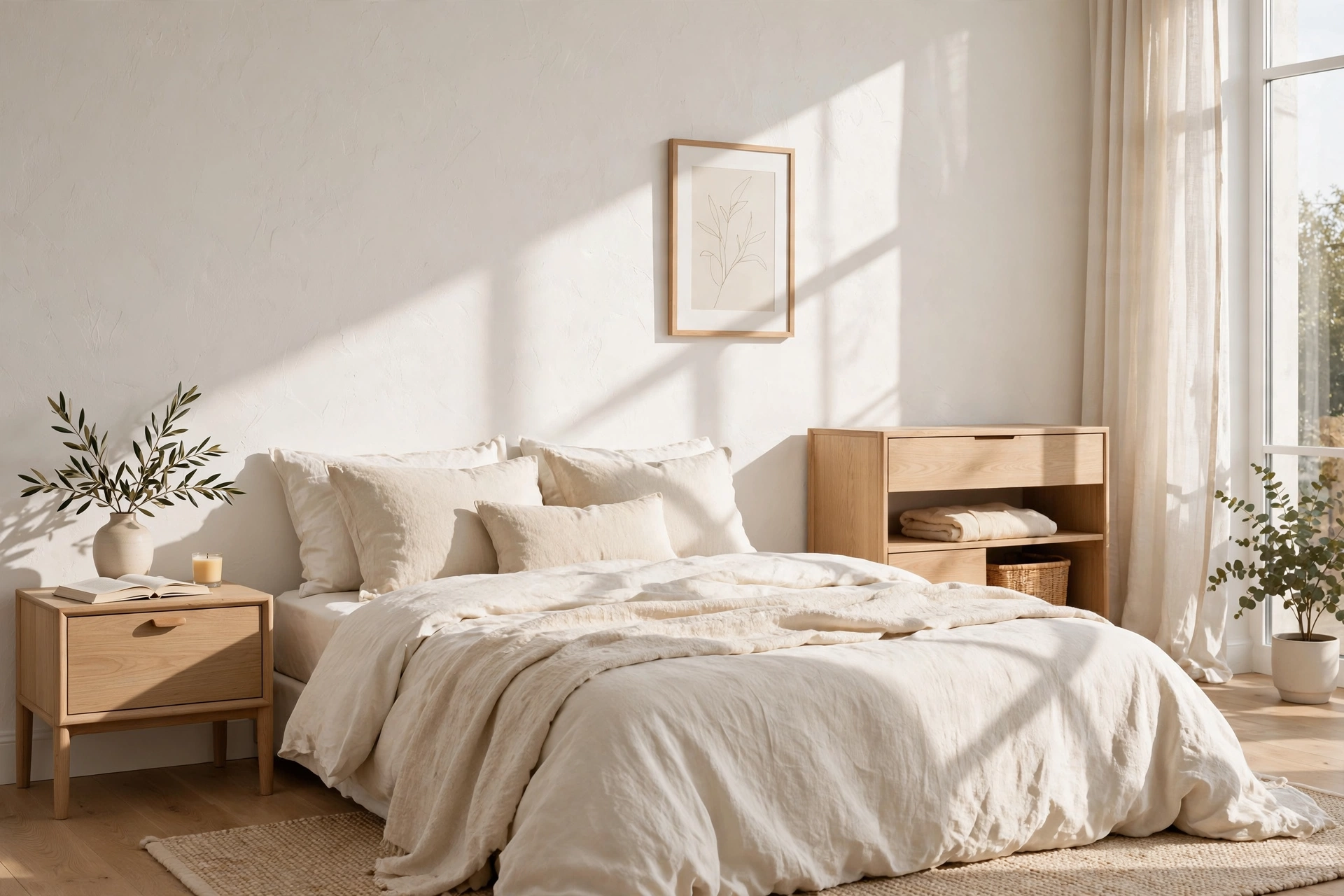
If color feels risky, a warm white (not stark white) creates a serene backdrop that lets bedding and art provide interest.
Colors to Avoid
Bright red can raise heart rate. Vivid orange is energizing. Neon or fluorescent shades of any color are stimulating. Dark brown and charcoal can feel oppressive in small rooms (though they work in large bedrooms with good lighting).
Finish Matters Too
Use eggshell or satin finish — flat paint shows every mark, and high gloss reflects too much light. Eggshell hides minor imperfections while being wipeable.
EVOLVE Paint & Primer, Eggshell, Seafoam Green, 1 Gallon
Best for a calm, sleep-friendly bedroom in a soft seafoam green eggshell finish.
How Color Actually Affects Your Sleep
Paint color doesn’t knock you out like a sleeping pill, but it does shape the feeling of a room — and that feeling matters more than most people realize. Sleep researchers point to two mechanisms. The first is psychological arousal: highly saturated, warm colors like bright red and vivid orange raise alertness and heart rate, which is the opposite of what you want when you’re trying to wind down. Cool, desaturated colors like soft blue and sage green do the reverse, signaling calm to your nervous system. The second mechanism is light behavior: darker, richer wall colors absorb more light, which can make a bedroom feel cocoon-like and cave-dark at night — helpful for light-sensitive sleepers — while lighter tones bounce daylight around, which is better if your bedroom doubles as a morning dressing area.
What matters most isn’t the specific hue but the saturation and lightness. A pale, dusty terracotta can be more sleep-friendly than a vivid, electric blue. The rule of thumb: if a color would feel at home in a spa, it will probably feel restful in a bedroom. If it would feel at home on a sports car, save it for somewhere else.
Choosing the Right Shade for Your Specific Room
A paint chip that looks serene in the store can behave very differently on your walls, because light changes everything. North-facing bedrooms get cool, bluish light that can make blue-grays look icy and make warm colors look more balanced. South-facing rooms get warm, golden light that flatters cool colors but can make warm beiges look yellow. East-facing rooms get bright morning light (great for waking up gently) and dimmer afternoons; west-facing rooms get the reverse, with warm evening light that deepens color.
Room size matters too. In a small bedroom, pale and mid-tone colors keep the walls from closing in — soft blue, warm white, or pale sage are safe bets. In a large bedroom, you have more freedom: deeper tones like slate blue, forest-adjacent greens, or warm charcoal can make a big room feel intimate and cozy rather than cavernous.
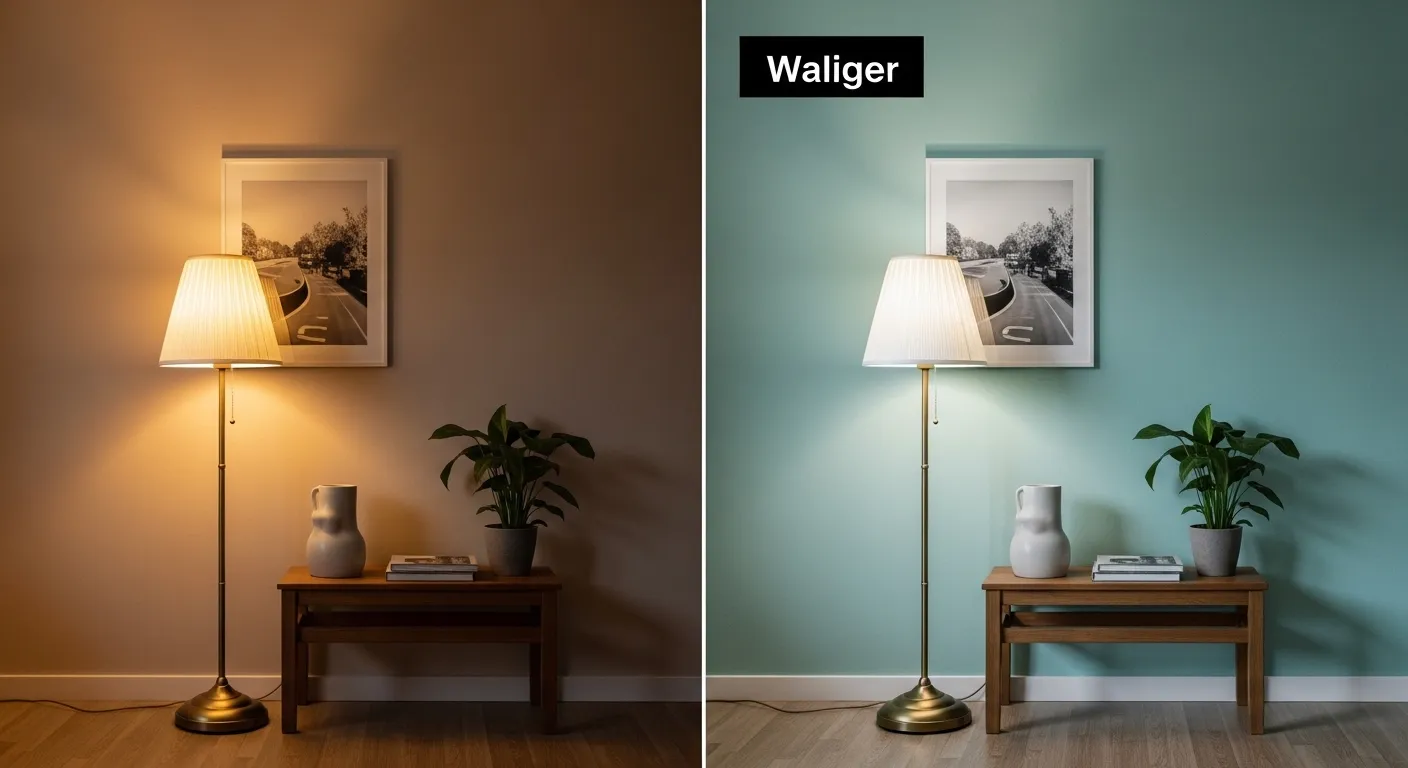
Before committing, always test properly. Paint large swatches — at least 2 by 2 feet — on two different walls, or better yet, paint sample boards you can move around. Live with them for at least two full days, and critically, look at them at night under your actual bedroom lighting. A color that looks like a dreamy sky blue at noon can look cold and gray under warm LED bulbs at 10 p.m. Many paint brands now sell large peel-and-stick samples, which are worth every penny for a bedroom decision you’ll live with for years.
Pairing Your Wall Color With Bedding, Lighting, and Decor
Wall color is only one piece of the sleep environment. Crisp white or ivory bedding works with virtually every calming wall color and keeps the bed feeling fresh and clean — a psychological cue for rest. If your walls are cool-toned (blue, gray, lavender), add warmth through natural wood nightstands, a textured throw, or brass accents so the room doesn’t feel clinical. If your walls are warm (sage, greige, warm white), cool accents like a blue-gray throw or linen curtains add balance.

California Design Den Queen Sheet Set, 600 Thread Count Sateen, 100% Cotton, True Ivory
Best for crisp, ivory bedding that works with virtually every calming wall color.
Lighting may matter even more than paint. Use warm bulbs (2700K or lower) in the bedroom, put bedside lamps on dimmers if you can, and avoid overhead lighting in the hour before bed. Blackout curtains or shades are the single highest-impact sleep upgrade for most people — they matter far more than the difference between two shades of blue. Keep the room cool (around 65°F/18°C is the commonly recommended range), minimize clutter on visible surfaces, and charge your phone outside the bedroom if you can manage it. A calming paint color sets the stage, but these habits are what actually deliver the sleep.
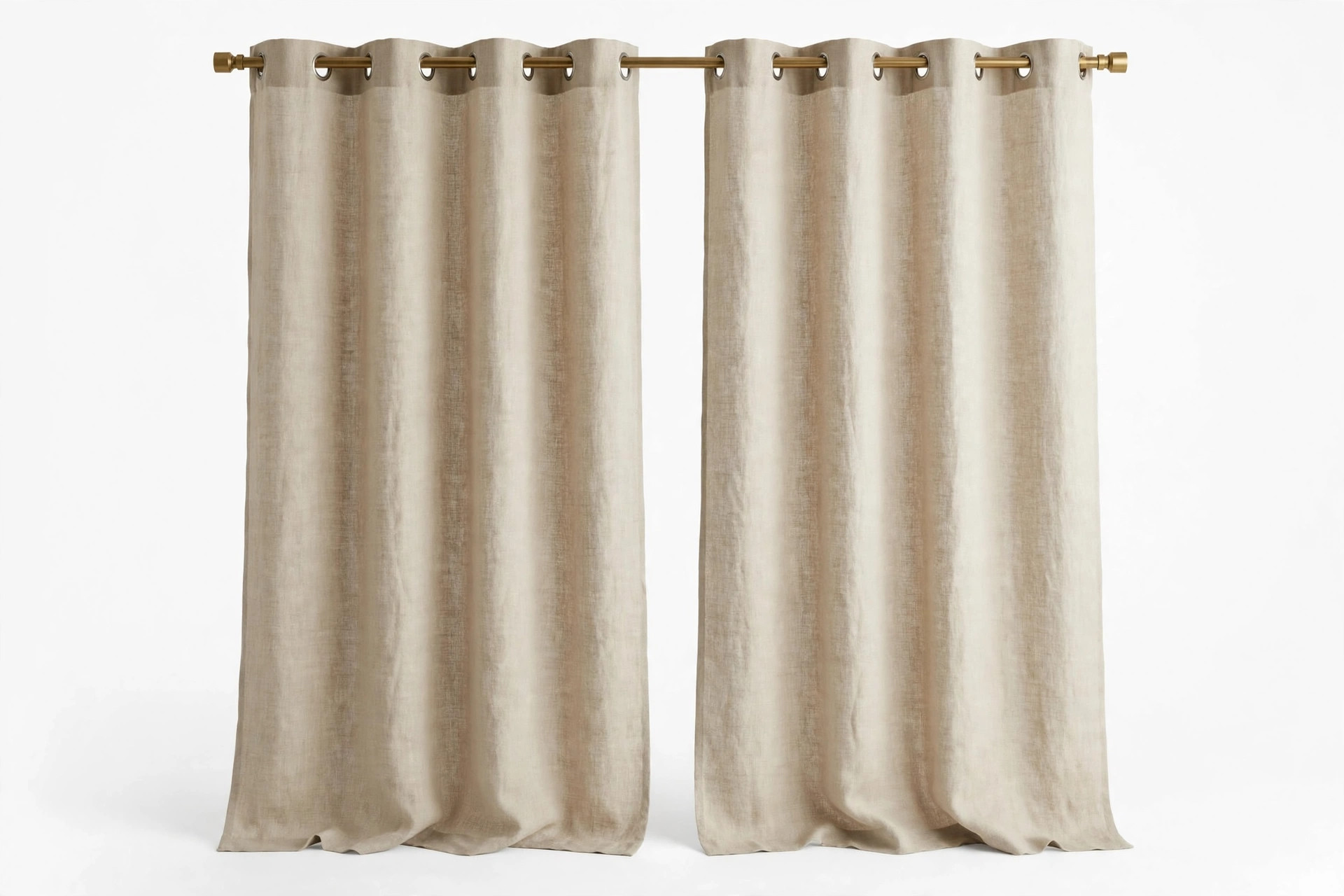
Amazon Basics Room Darkening Blackout Window Curtains, 2 Panels, 52 x 84 inches, Beige
Best for darkening the bedroom at night — the article calls blackout curtains a high-impact sleep upgrade.
Kasa Smart Light Bulb, Dimmable, A19, 9W, 800 Lumens, Soft White 2700K, 4-Pack (KL110P4)
Best for warm, dimmable bedside lighting you can turn down before bed.
Bedroom Paint Color FAQs
Should the ceiling be the same color as the walls? In most cases, paint the ceiling a flat white or a lighter tint of the wall color. A white ceiling reflects light and keeps the room feeling open. If you want a cocooning effect, painting the ceiling the same color as the walls (color drenching) can feel wonderfully enveloping in a larger bedroom — just avoid it in small rooms with low ceilings.
What about an accent wall? An accent wall behind the headboard can add depth without overwhelming the room. Choose a deeper version of your main color rather than a contrasting bright — a deep slate behind pale blue walls, for example. Keep it in the same calming family.
Does paint finish affect sleep? Only indirectly. Flat and eggshell finishes don’t reflect light, which keeps the room visually quieter at night. Semi-gloss and high-gloss bounce light around and highlight imperfections — save those for trim. Eggshell is the sweet spot for bedroom walls: soft-looking but wipeable.
How often should I repaint a bedroom? With quality paint, bedroom walls typically look good for 7–10 years since they take less abuse than hallways or kitchens. Repaint sooner if the color feels dated or no longer matches your decor — a fresh coat in a calming tone is one of the cheapest room transformations there is.
The Case for Dark, Moody Bedroom Walls
Everything so far has favored soft and pale — but dark bedrooms deserve an honest hearing, because for some sleepers they’re the best choice of all. Deep slate blue, forest green, warm charcoal, and even near-black walls absorb light rather than reflecting it, creating a cocoon-like darkness that light-sensitive sleepers find deeply restful. If you wake at the slightest dawn light or struggle to fall asleep in a bright room, a dark bedroom can genuinely improve your sleep environment in a way pale walls can’t.
The key is committing fully and balancing carefully. Dark walls need warm, layered lighting — bedside lamps with warm bulbs, not a single harsh overhead — or the room feels like a cave. Keep bedding light (white, cream, or soft linen) for contrast; dark walls plus dark bedding is what makes a room feel oppressive. A large mirror or metallic accents bounce light around and keep the space from closing in. And consider painting just the bedroom (not the hallway leading to it) — the contrast of walking from a light hallway into a dark, enveloping bedroom actually enhances the cozy effect. Dark isn’t for everyone, but for the right sleeper in the right room, it’s the most sleep-friendly choice there is.
DAYBETTER BR30 LED Light Bulbs, 9W, Dimmable, Warm White 2700K, 65W Equivalent, 800 LM
Best for warm, layered lighting in a dark, moody bedroom.
Renter-Friendly Ways to Get the Effect Without Paint
Can’t paint? You can still capture most of the sleep benefit. Peel-and-stick wallpaper in calming tones gives you the color without the commitment — modern versions remove cleanly and the quality has improved dramatically. Focus on the wall behind the bed, where you’ll see it most when falling asleep and waking up.
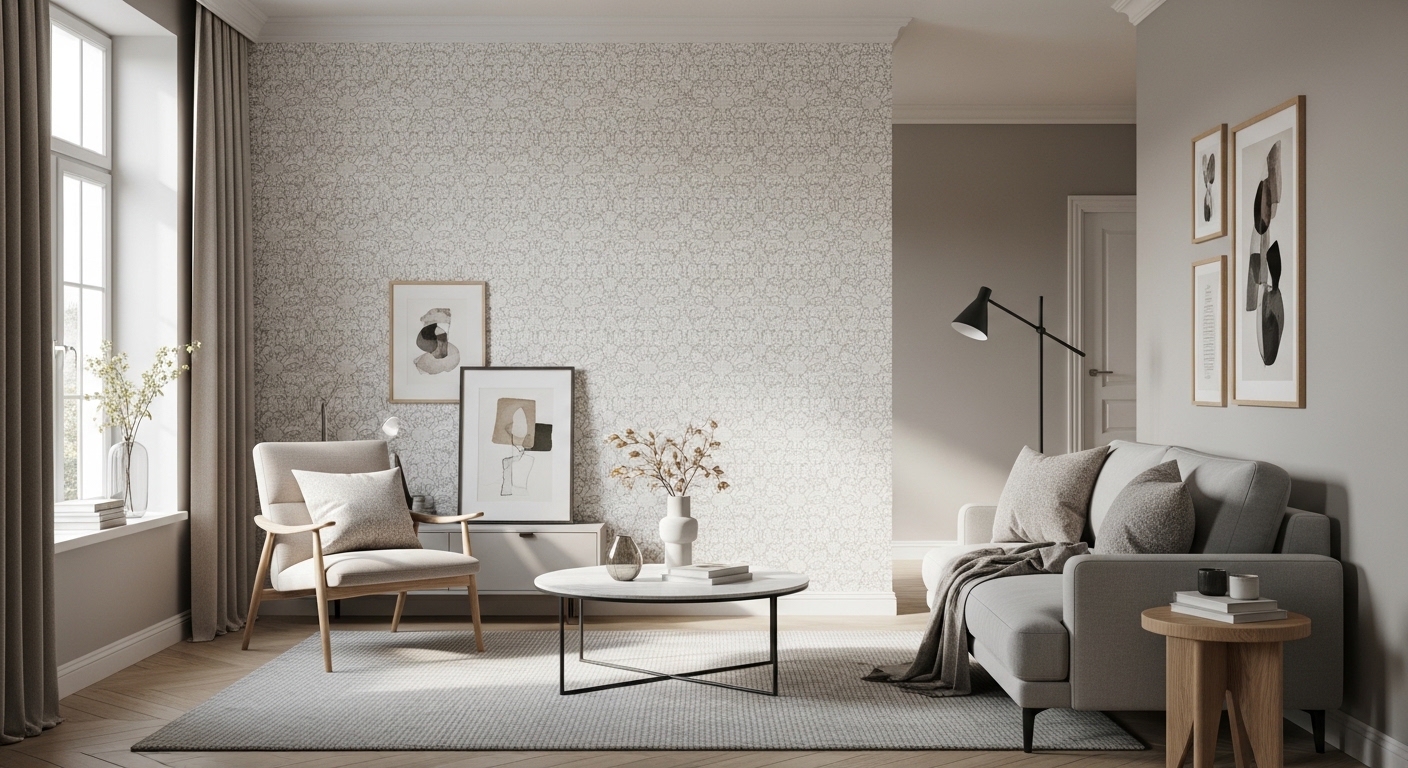
VEELIKE Sage Green Peel and Stick Wallpaper, Textured, 15.7" x 118", Removable
Best for renters who want a calming sage-green wall without painting.
Beyond walls, the biggest levers are bedding, window treatments, and light. Dress the bed in your calming palette — soft blue, sage, or warm white bedding against neutral walls reads almost as strongly as painted walls. Blackout curtains in a deep tone darken the room at night and add color by day. Swap cool-white bulbs for warm 2700K ones, add a dimmer or smart bulbs, and remove or cover LED standby lights. None of this requires landlord permission, all of it travels with you to the next apartment, and together these changes affect your sleep far more than the exact shade of the walls.
🛒 Shop This Look:
🛒 Shop This Look:
🛒 Shop This Look:



