
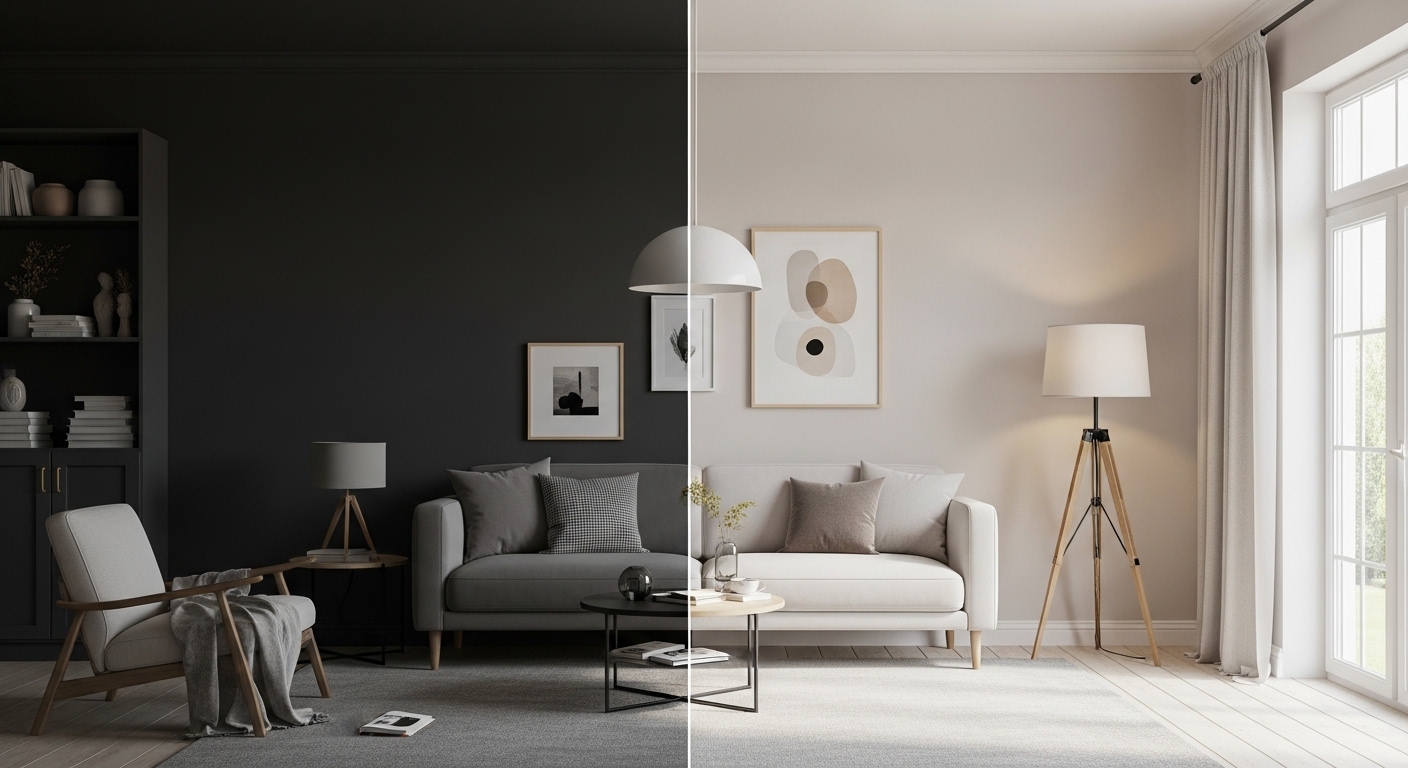
Choosing the right paint color can completely transform a room, but making mistakes is surprisingly easy. From poor lighting choices to clashing undertones, common color blunders can make even a beautiful space feel off or cramped. Homeowners often regret their choices when they don’t see the room’s true potential until after painting.
Fortunately, most mistakes can be prevented with careful planning, testing, and awareness of how color interacts with light, furniture, and other elements. By understanding common pitfalls, you can select colors that enhance mood, complement your decor, and create visually harmonious spaces.
Here are 18 paint color blunders and strategies to prevent them in every room of your home.
1. Choosing Color Without Testing
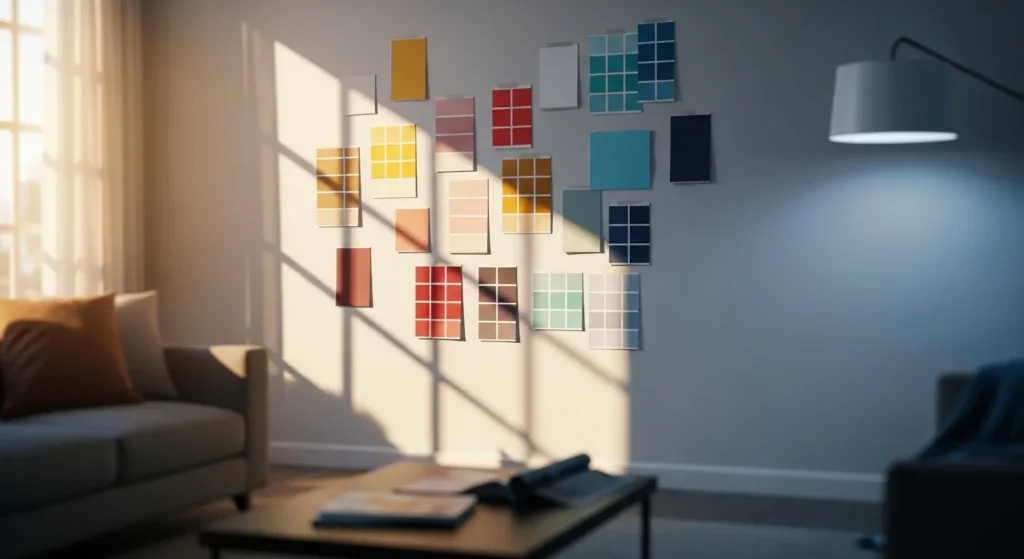
Many homeowners pick paint from a swatch or online image without testing it in the actual space. Light, room size, and surrounding furniture can drastically change how a color appears.
Prevent this by painting large sample patches on multiple walls. Observe them in natural and artificial light throughout the day. Testing ensures the chosen color looks as intended and avoids surprises, saving time, money, and frustration.
2. Ignoring Lighting Effects
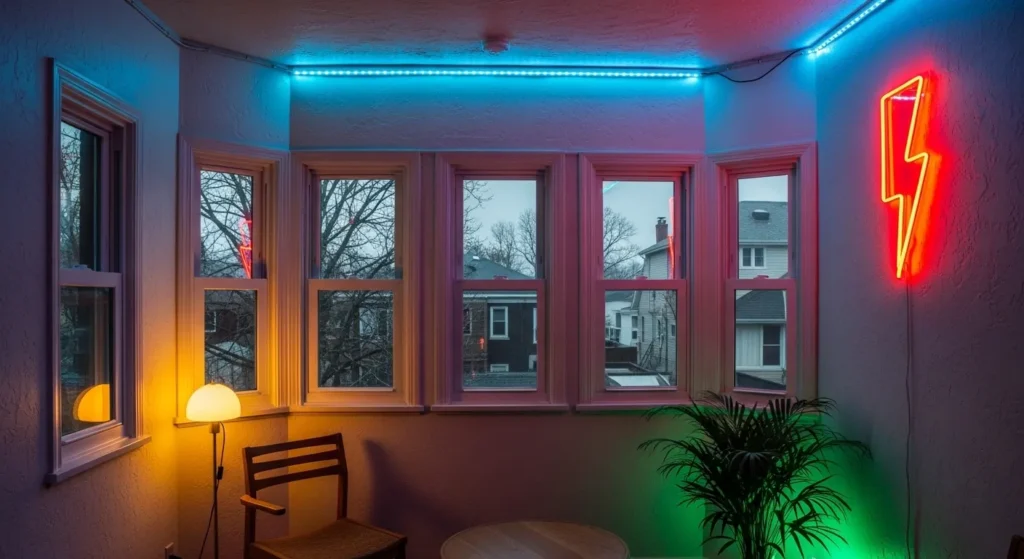
Lighting is crucial to how a color reads. North-facing rooms may appear cooler, while south-facing spaces might make warm tones look more intense. Overhead lights, lamps, and shadows also affect perception.
To prevent mistakes, analyze how the color appears at different times of day with all types of lighting. This ensures the chosen shade enhances the space instead of clashing with natural or artificial light.
3. Overlooking Undertones

Undertones determine whether a color harmonizes or clashes. Two colors that seem similar can feel entirely different due to subtle warm or cool undertones.
Avoid mismatches by comparing swatches in your room. Look for undertones that complement existing furniture, fabrics, and trim. This prevents clashing colors and maintains a cohesive and polished look throughout the space.
4. Picking Trendy Colors Without Considering Longevity
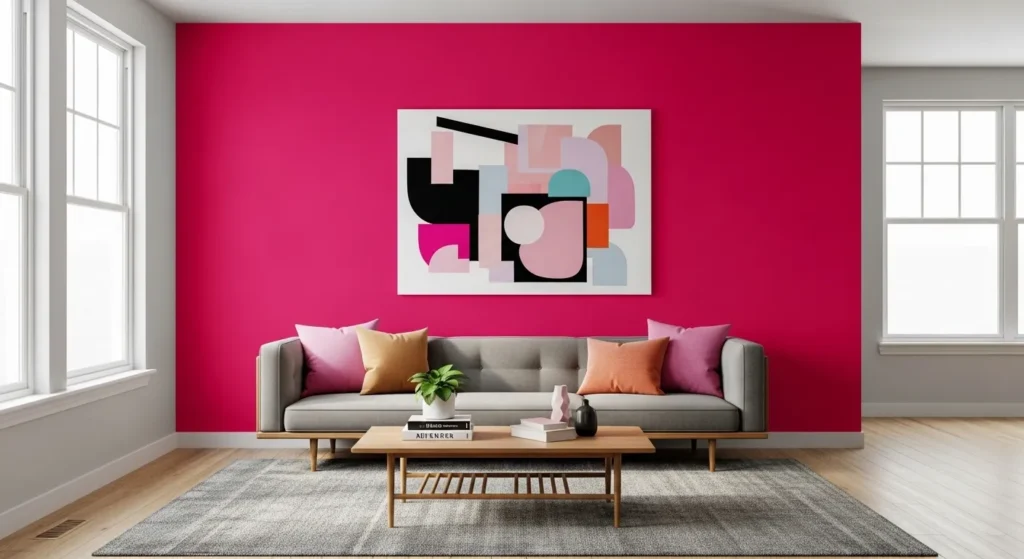
While trendy colors are tempting, they may not age well or match future furniture choices. A highly specific or bold hue can quickly feel dated or overwhelming.
Balance trends with timeless bases. Use trendy shades as accents on walls, furniture, or decor instead of committing the entire room. This approach keeps your space stylish, fresh, and adaptable over time.
5. Choosing Colors That Clash with Furniture
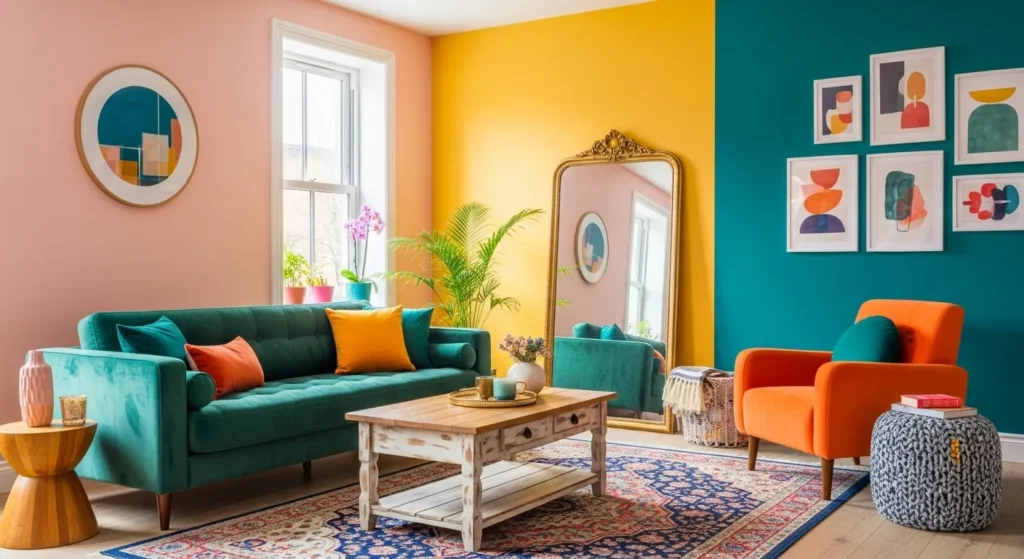
Ignoring existing furniture and decor leads to clashing palettes. Even a beautiful wall color can feel off if it doesn’t harmonize with seating, flooring, or artwork.
To prevent this, gather furniture samples or photos when selecting paint. Choose colors that complement tones in your furnishings to maintain balance, visual flow, and a cohesive aesthetic in every room.
6. Painting Without Considering Room Size
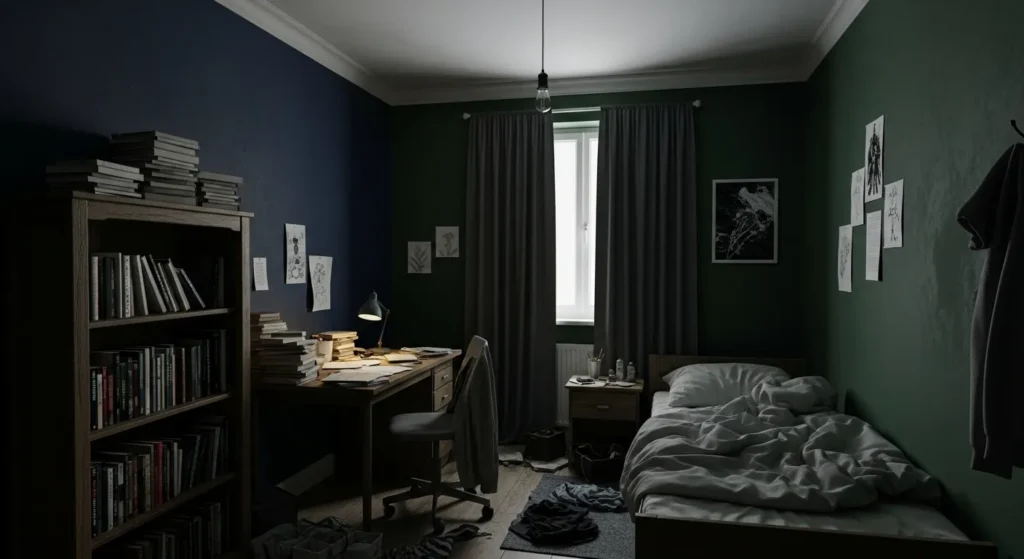
Dark, intense colors can make small rooms feel smaller, while overly bright shades may feel harsh in large spaces. Room proportions influence how colors are perceived.
Prevent mistakes by testing shades on sample walls and imagining furniture placement. Light, neutral colors often enlarge compact spaces, while deeper shades can add intimacy to larger rooms without overwhelming them.
7. Forgetting About Flooring
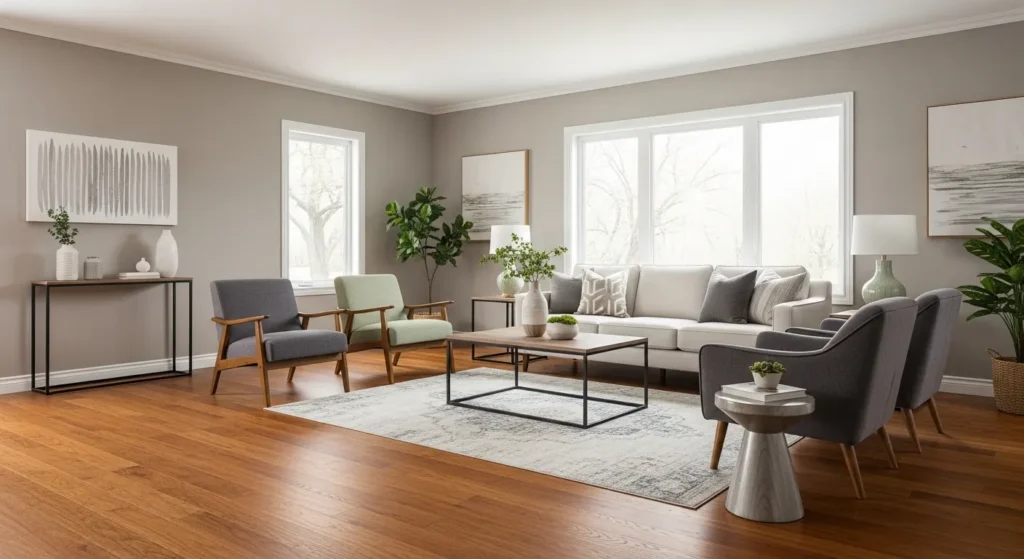
Wall color interacts with flooring tones. Warm floors can clash with cool wall colors, and vice versa, creating visual imbalance or disharmony.
Consider flooring when choosing paint. Take swatches into your room to compare with existing wood, tile, or carpet. Ensuring harmony between floors and walls prevents aesthetic tension and keeps the space cohesive.
8. Using Too Many Bold Colors
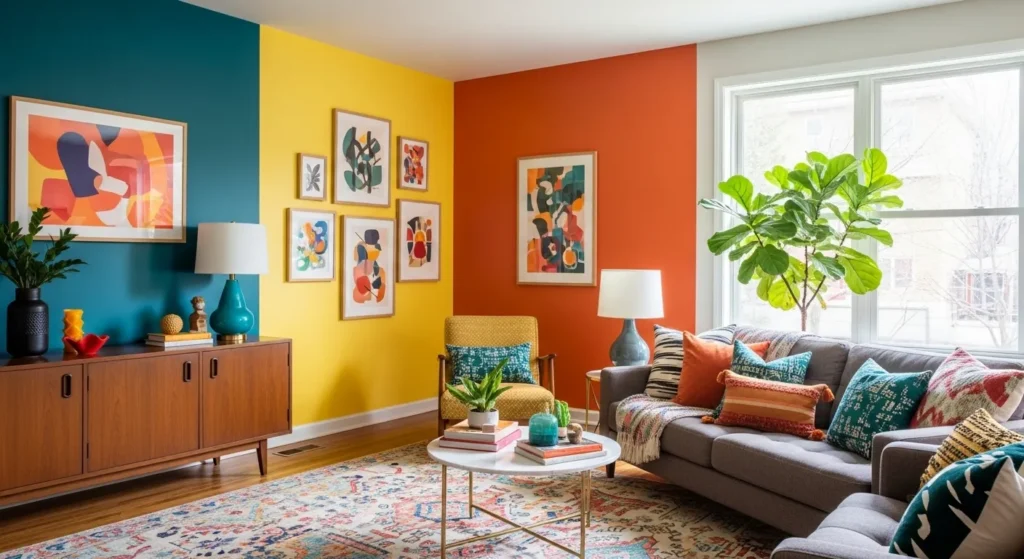
Too many vibrant colors can overwhelm the eye and make a room feel chaotic. Bold shades need careful placement to maintain balance.
Limit bold colors to one or two walls or accent areas. Use neutrals or muted tones as anchors. This ensures personality without visual chaos, preserving harmony and style throughout the room.
9. Skipping Paint Finish Consideration
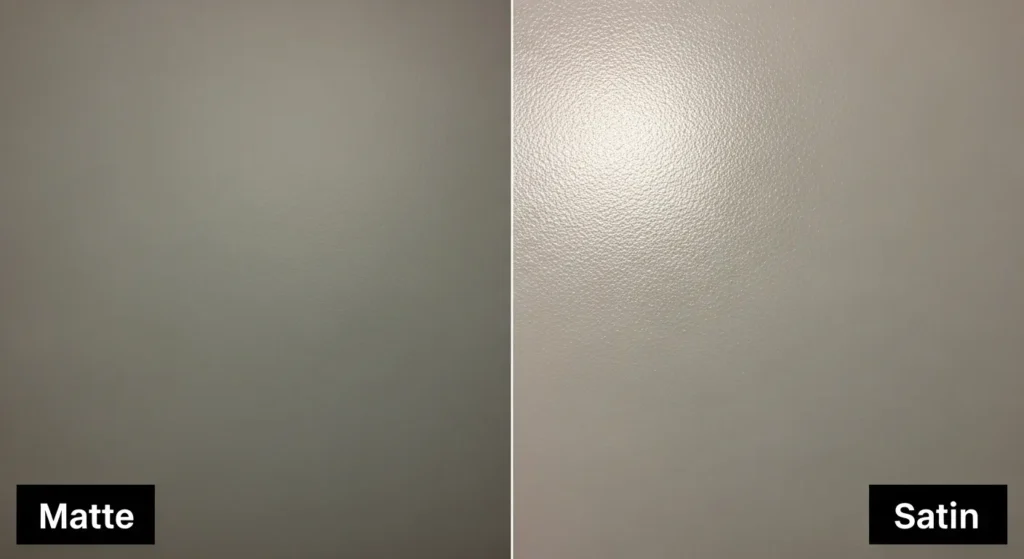
The finish affects color perception and room feel. Matte absorbs light, appearing softer, while glossy or satin reflects light, enhancing brightness.
Choose finishes appropriate for room function and lighting. Bathrooms and kitchens often benefit from washable satin, while living rooms may suit matte or eggshell. Correct finish prevents mismatched expectations and ensures desired aesthetic results.
10. Ignoring Ceiling and Trim Colors
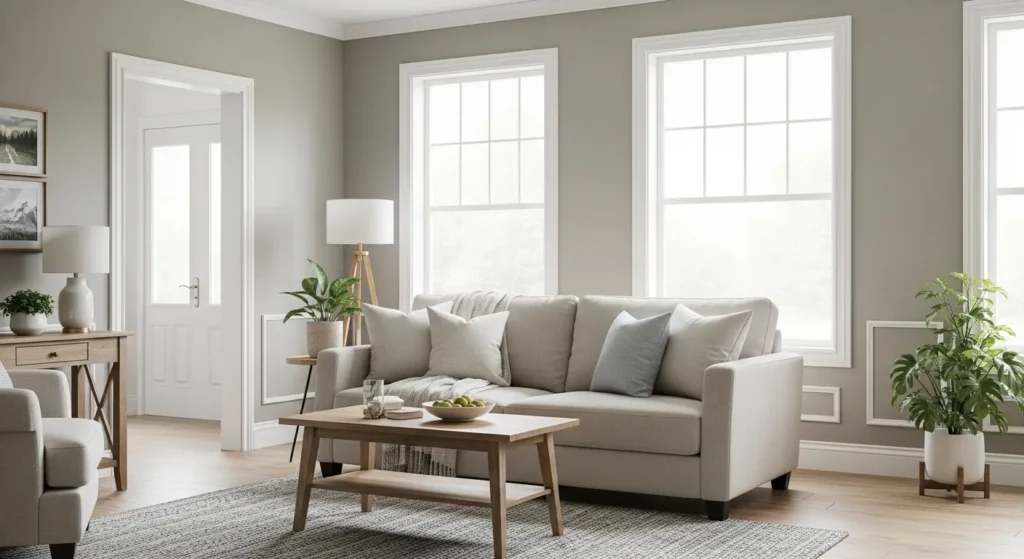
Wall color doesn’t exist in isolation. Trim, molding, and ceiling shades influence overall perception. Mismatched undertones can make a room feel disjointed or awkward.
Coordinate wall colors with trim and ceilings. Use subtle contrasts or complementary shades to create balance. This simple step enhances flow and prevents unintended visual clashes across the room.
11. Forgetting About Natural Light
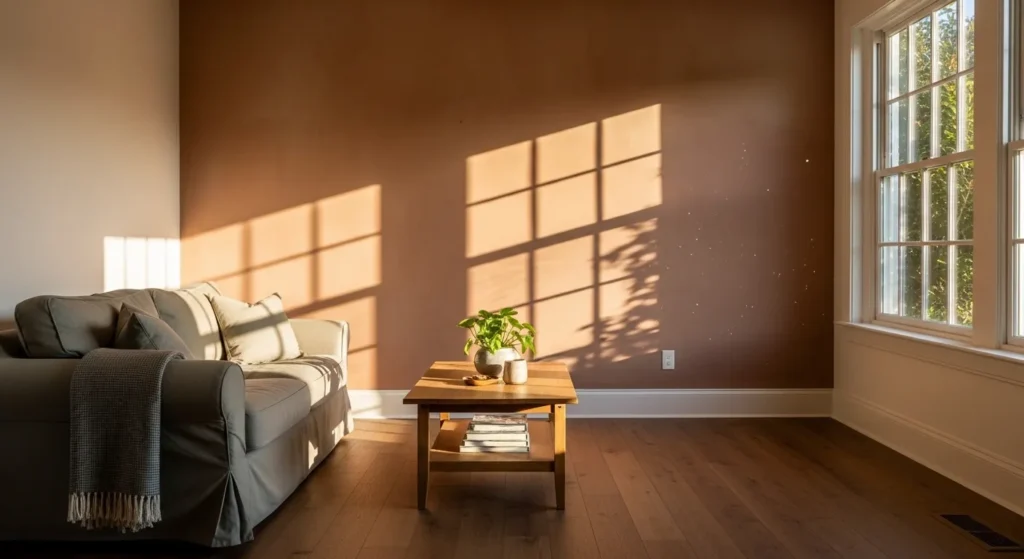
Natural light dramatically changes how paint looks throughout the day. Colors that look perfect in artificial light may appear washed out or too intense in sunlight.
Prevent mistakes by observing your color samples in every type of light your room receives. Check morning, afternoon, and evening light to ensure the hue maintains its intended tone, creating a consistent and pleasant atmosphere in any room.
12. Overmatching Decor
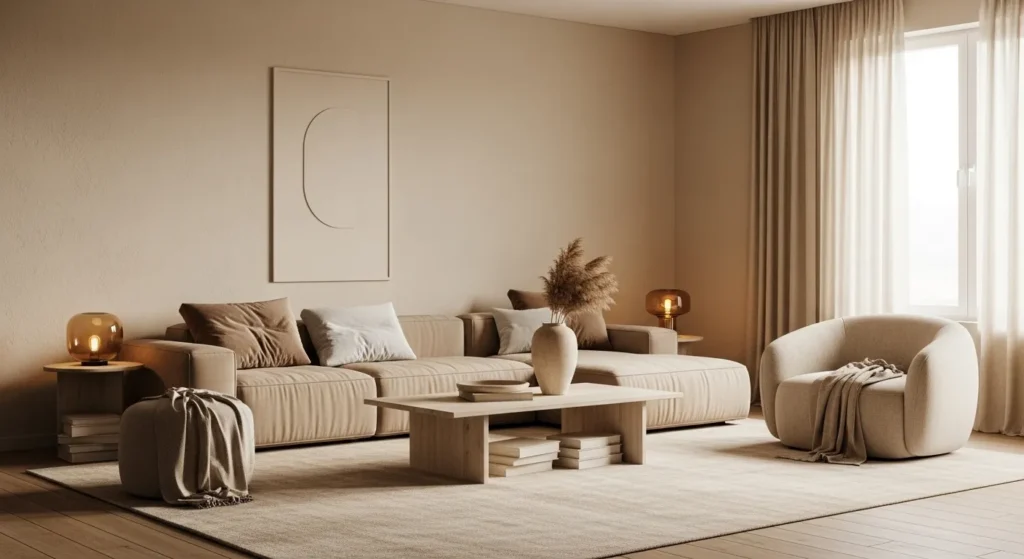
While coordination is important, matching everything too closely can make a room feel flat or uninspired. Overmatching reduces depth and personality in your space.
To avoid this, introduce contrast with subtle variations in wall color, trim, or accent pieces. Complementary shades and textures maintain cohesion while giving rooms character and visual interest.
13. Ignoring Room Function
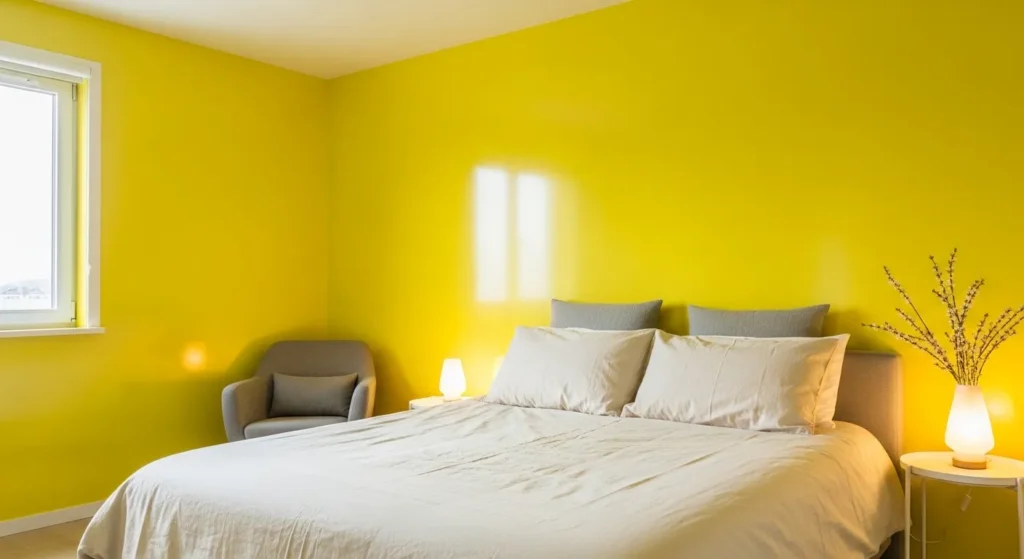
Every room has a purpose, and color should enhance it. Overly stimulating hues in bedrooms or muted tones in lively kitchens can reduce comfort and functionality.
Consider the function before selecting colors. Calming shades suit bedrooms, while energizing colors may work in offices or kitchens. Aligning color with purpose improves mood, usability, and overall satisfaction with your space.
14. Relying on Small Swatches
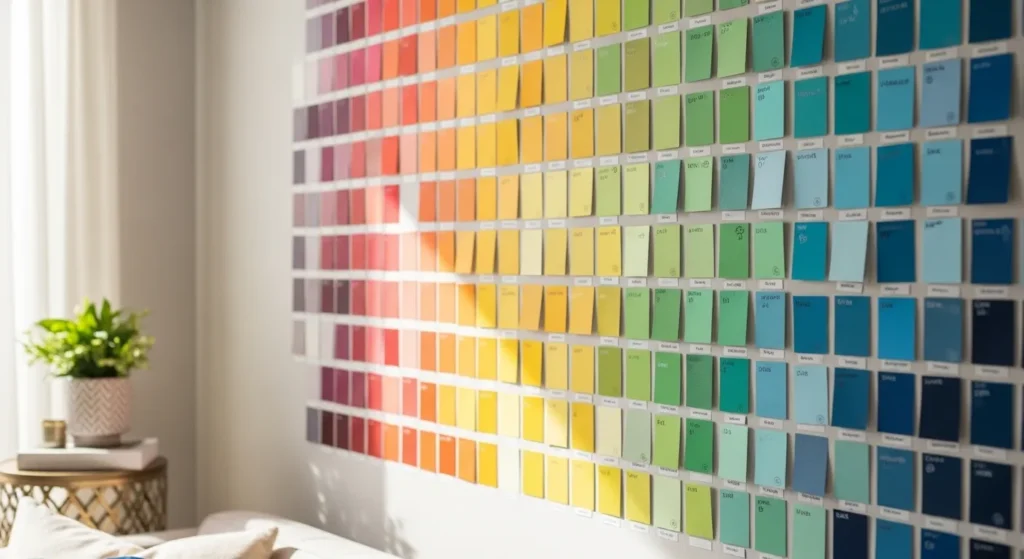
Tiny swatches rarely capture the true impact of paint across a full wall. Small patches can be misleading and result in regret after painting an entire room.
Use larger samples, at least one square foot, to see the color in context. Observe over multiple hours to account for lighting changes. This ensures you make informed, confident choices for each room.
15. Not Considering Existing Art and Decor
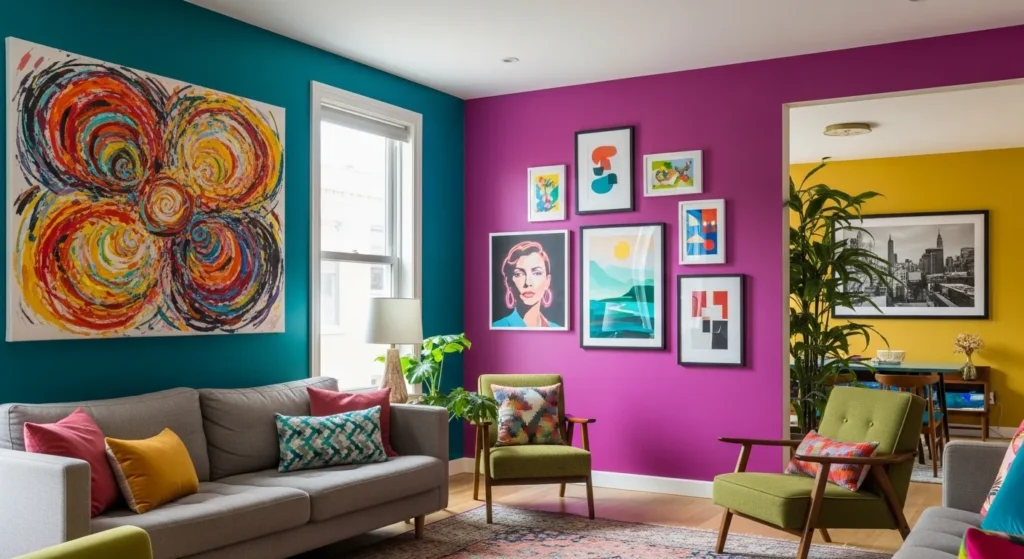
Paint interacts with your decor and artwork. Choosing walls that clash with existing pieces can make the space feel jarring and disjointed.
Evaluate your furniture, rugs, and art before painting. Select colors that complement these elements, or plan to adjust decor afterward. Harmonious color relationships maintain a cohesive and balanced room aesthetic.
16. Painting Without a Plan
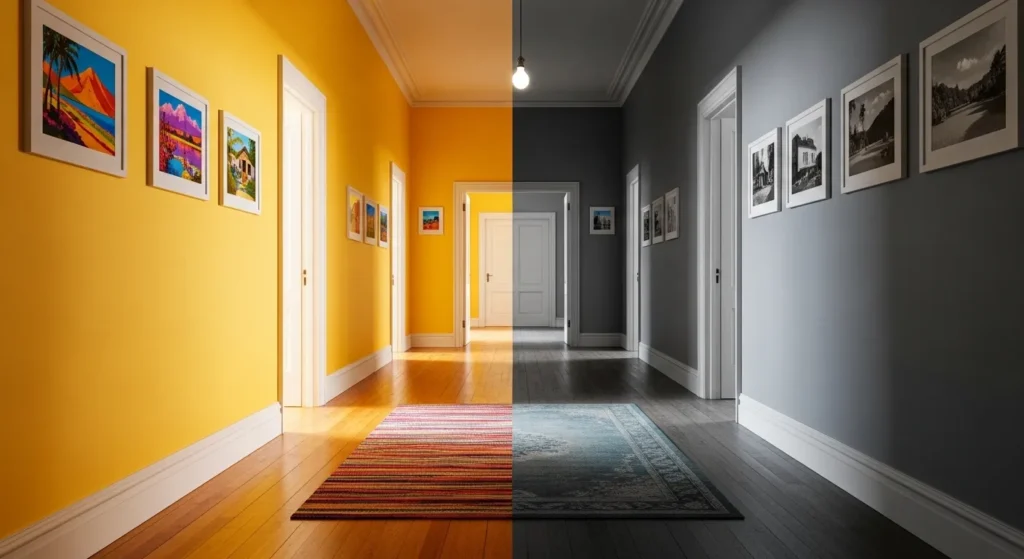
Jumping into painting without a strategy often leads to mismatched shades and incomplete coverage. Random choices can make even a beautiful color feel wrong.
Create a plan including swatches, test areas, lighting checks, and color palettes. Structured planning prevents costly mistakes and ensures every room looks intentional and professionally styled.
17. Overlooking Color Flow Between Rooms
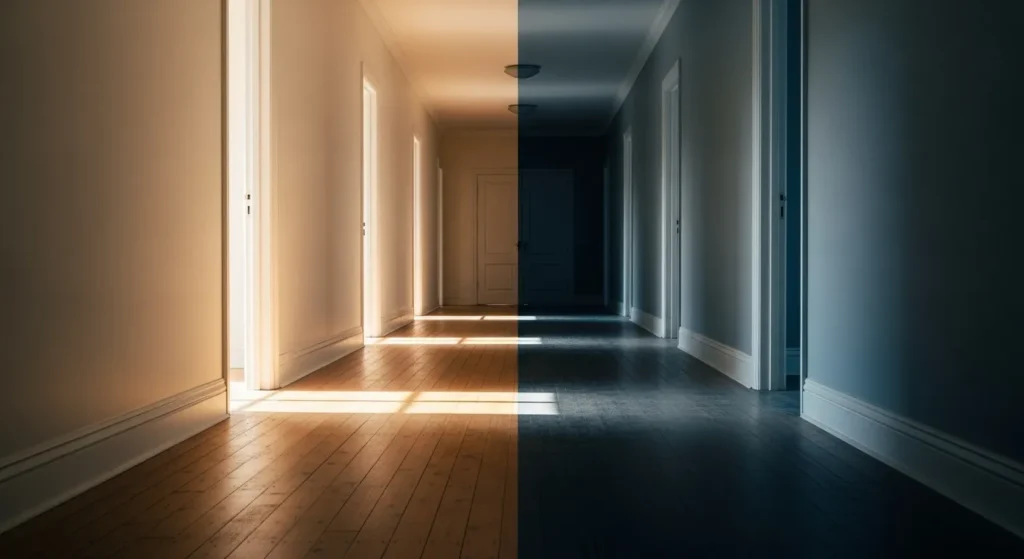
Rooms connected visually should flow in color. Sudden, unrelated hues can disrupt cohesion and make spaces feel disjointed.
Plan adjacent room colors with undertones in mind. Use complementary shades or neutral transitions to maintain smooth visual continuity throughout the home, ensuring each space feels connected and balanced.
18. Ignoring Paint Quality

Cheap paint can appear streaky, fade quickly, or react unpredictably with lighting. Poor-quality paints exaggerate mistakes and reduce longevity.
Invest in high-quality paints for consistent coverage, durability, and accurate color. Quality paint minimizes issues, maintains finish, and ensures your color choice looks stunning long-term.
Conclusion
Paint color mistakes can dramatically affect a room’s feel, but most are preventable with careful planning and observation. Testing, considering lighting, undertones, room function, and furniture ensures successful results.
By avoiding common blunders like ignoring natural light, overmatching decor, or relying on small swatches, you can select colors that enhance your space, complement furnishings, and create a cohesive, inviting environment. Thoughtful preparation leads to confidence, satisfaction, and beautiful interiors.
With these 18 strategies, every room in your home can benefit from colors that look intentional, stylish, and harmonious, saving time, money, and frustration.
FAQs
What is the most common paint color mistake?
Choosing without testing or ignoring lighting effects often leads to disappointing results.
How do undertones affect color choice?
Undertones can make similar shades appear different and determine how a color harmonizes with furniture and other rooms.
Can bright colors work in small rooms?
Yes, but they should be balanced with neutrals or used as accent walls to avoid overwhelming the space.
Should I consider room function when picking paint?
Absolutely. Bedrooms benefit from calming shades, while active spaces can handle bolder, energizing tones.
How do I ensure color consistency throughout the home?
Plan color flow, coordinate undertones, and use complementary or transitional shades in connected rooms.