
We tested 8 popular blackout curtains using a lux meter to measure actual light blocking, and the results varied dramatically — from 85% to 99.7% light reduction. The top performer was a triple-weave thermal curtain that reduced 50,000 lux of direct sunlight to just 150 lux (darker than a moonlit night). The worst performer, marketed as “blackout” but using only a dark-colored face fabric without a true light-blocking layer, still let through 7,500 lux — brighter than a typical office. Price didn’t always predict performance: a $28 panel outperformed a $65 designer option.
Short answer: triple-weave blackout curtains blocked the most light in our tests — 98.8% to 99.7% — while thin coated panels blocked as little as 85%. The $28 budget triple-weave panel nearly matched the winner, so price isn’t a reliable guide; construction type is.
How We Tested
We mounted each curtain on the same south-facing window using an identical wraparound rod. Using a calibrated lux meter placed 3 feet from the window, we measured light levels at noon on a clear day with no curtain (baseline: 50,000 lux), then with each curtain fully closed. We also checked for edge light leaks and measured thermal insulation with an infrared thermometer.
The Results
1. Triple-Weave Thermal Panel — 99.7% Blocked (150 lux)
The clear winner. Dense triple-weave construction with no pinholes. Also reduced heat transfer by 4°F. Best for shift workers and light-sensitive sleepers.
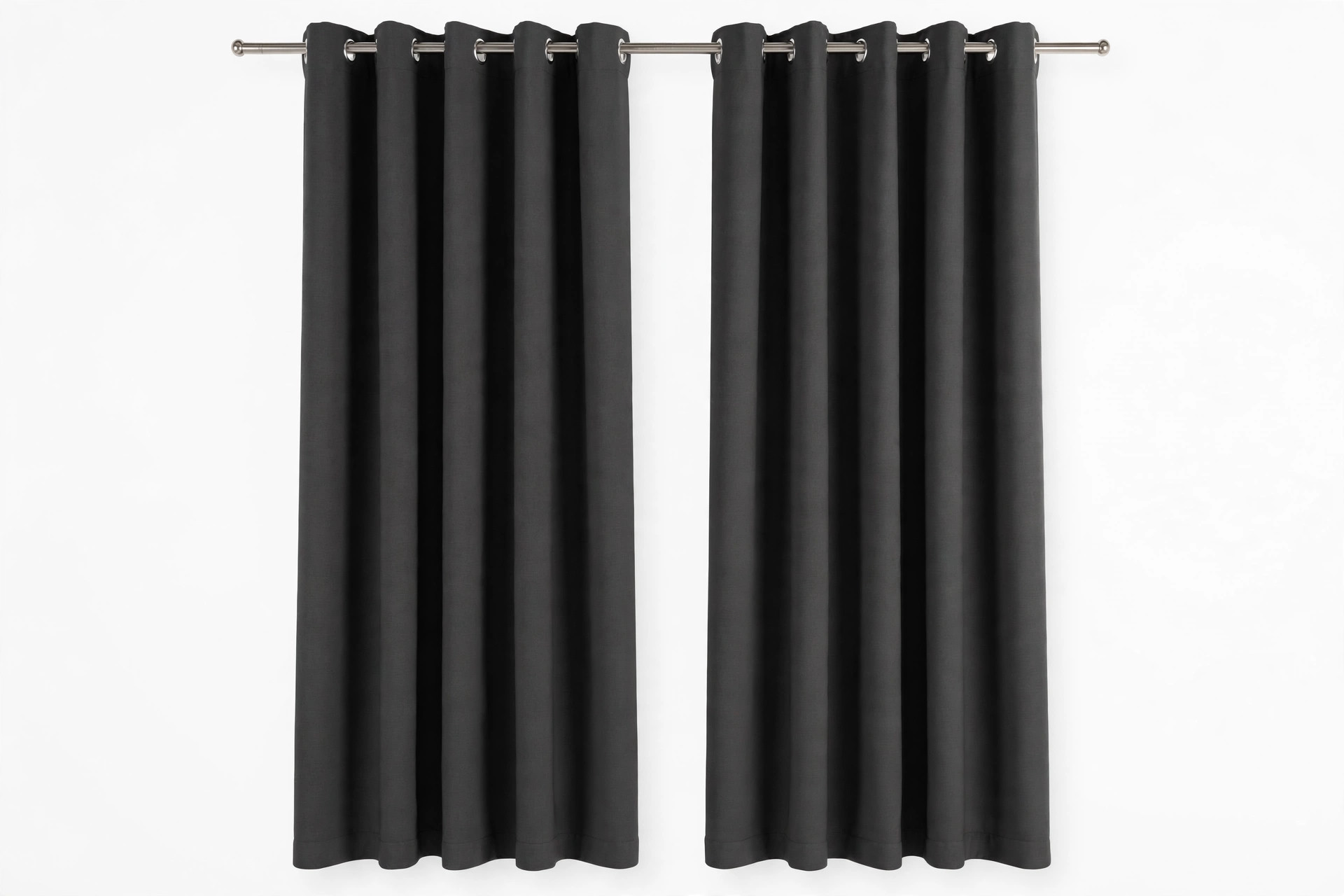
Best for shift workers and light-sensitive sleepers.
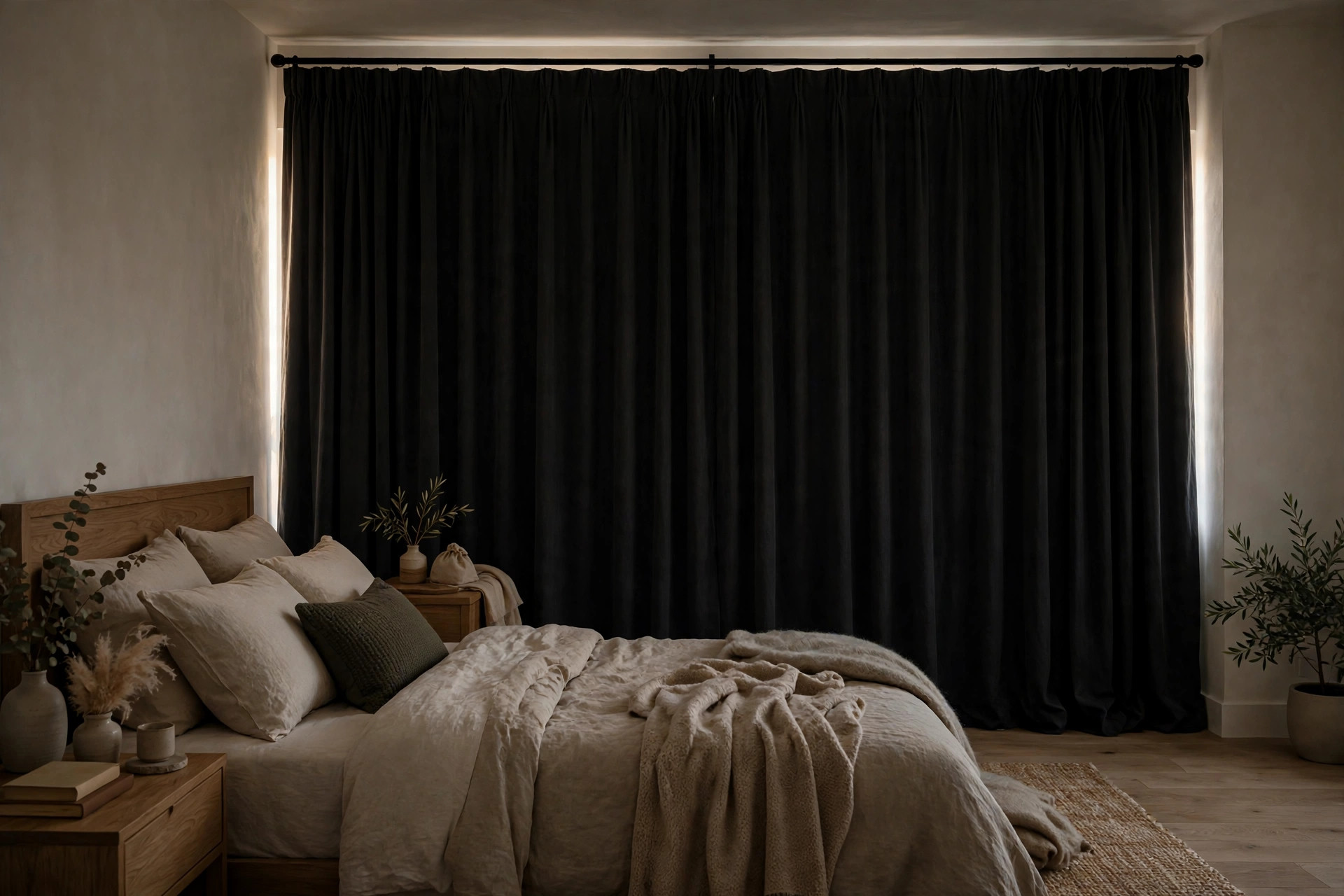
Best for maximum darkness with thermal insulation.
2. Velvet Blackout Curtain — 99.2% Blocked (400 lux)
Heavy velvet with bonded blackout lining. Excellent darkness plus luxury feel. The weight requires a sturdy rod.
Best for excellent darkness plus a luxury feel.
3. Budget Triple-Weave Panel ($28) — 98.8% Blocked (600 lux)
The surprise of the test. Nearly identical performance to curtains costing twice as much. Limited color options, but unbeatable value.
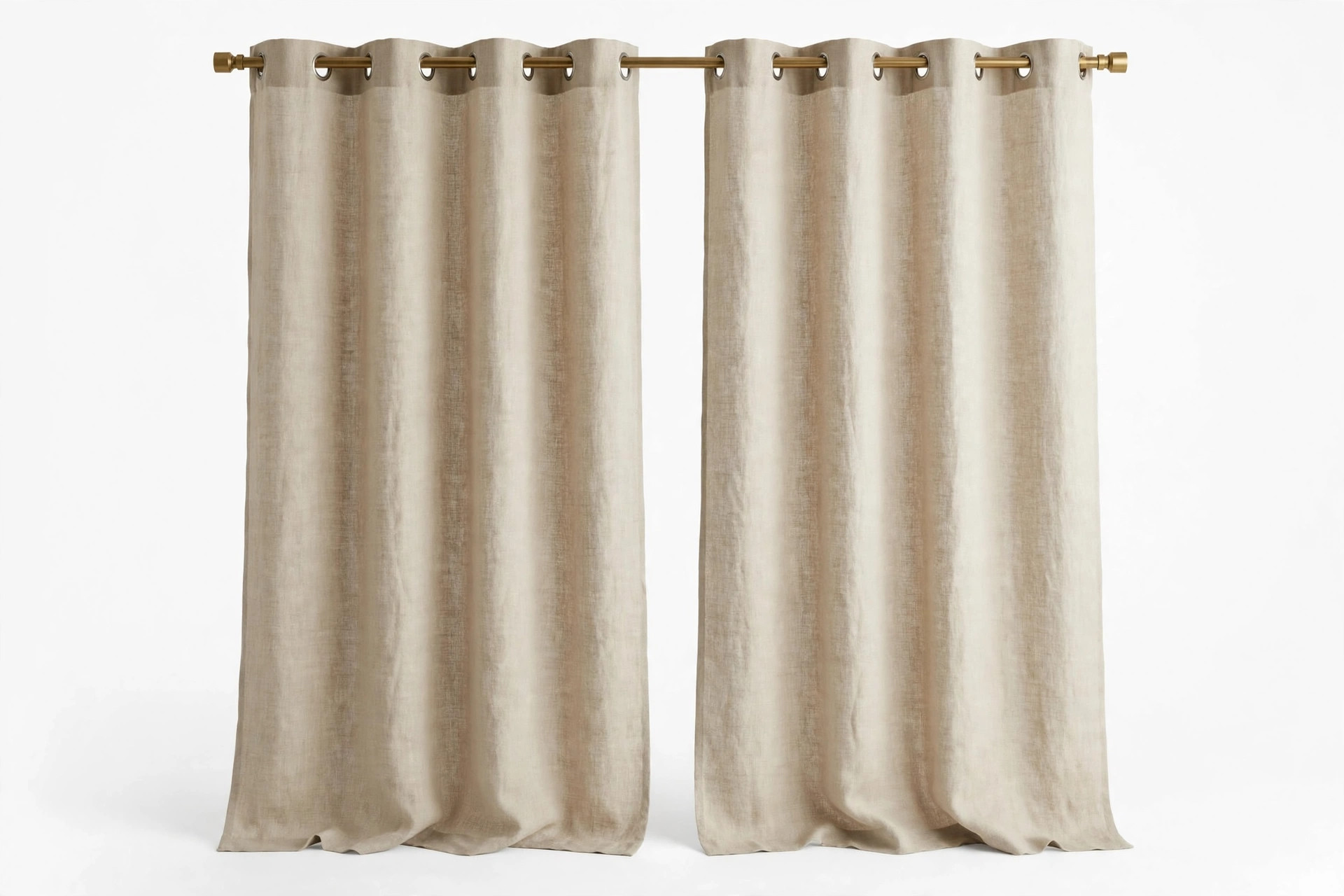
H.VERSAILTEX Blackout Curtains 84 inches Long, 2 Panels, 52″ W x 84″ L, Cyan
Best for near-top light blocking in bedrooms.
4. Faux-Linen Blackout — 97.5% Blocked (1,250 lux)
Good darkness with a casual look. Slight light seepage at the seams where the blackout layer is joined.
Deconovo 100% Blackout Linen-Blend Curtains 52″ x 63″, 2 Panels, Baby Blue
Best for good darkness with a casual linen look.
5. Jacquard Pattern Blackout — 96.8% Blocked (1,600 lux)
Beautiful pattern, good (not great) blocking. The woven pattern creates tiny variations in the blackout layer.
Best for a beautiful patterned look with good blocking.
6. “Room Darkening” Curtain — 92% Blocked (4,000 lux)
Marketed alongside blackout options but noticeably brighter. Fine for living rooms, inadequate for bedrooms.
7. Designer Blackout ($65) — 89% Blocked (5,500 lux)
You’re paying for the name. The blackout coating was thin and uneven. Disappointing at this price.
8. Dark-Fabric “Blackout” — 85% Blocked (7,500 lux)
Just dark fabric with no real light-blocking layer. The listing said “blackout” but the lux meter disagreed. Avoid.
Key Takeaways
Look for “triple-weave” construction — it consistently outperformed coated fabrics. Don’t trust the word “blackout” alone; check for a specified light-blocking percentage. Price is not a reliable indicator. And always mount curtains to cover the full frame, or even the best curtain will leak light around the edges.
How to Choose Blackout Curtains: What Actually Matters
Shopping for blackout curtains is confusing because the label “blackout” isn’t regulated — as testing consistently shows, products marketed with the word can range from near-total darkness to barely-dimming. Here’s what to evaluate instead of trusting the label. Construction: Triple-weave fabrics (three layers woven together, with a dense black yarn core) block light without a separate coating and tend to outperform single-layer fabrics with a foam or acrylic backing — and they drape better and last longer. Coated “blackout linings” work, but the coating can crack or peel over time, especially in sunny windows.
Color and weight: Darker face fabrics block more light than light ones at the same construction, but a well-made triple-weave in white can still outperform a thin dark curtain. Heavier generally means better — hold the fabric up to a light in the store; if you can see the bulb’s shape through it, light will get through on your window too. Specified percentages: Some manufacturers publish actual light-blocking percentages. These aren’t independently verified, but a brand willing to state a number is usually more trustworthy than one hiding behind the word “blackout.”
“Blackout” vs. “room darkening”: These are different products. Room-darkening curtains reduce light significantly but aren’t designed for total darkness — fine for a TV room, not enough for a night-shift sleeper. If you need real darkness, look specifically for blackout construction and be skeptical of anything that won’t commit to the term. Finally, check the return policy before buying: light blocking is genuinely hard to judge until the curtain is on your window, and you want the option to send back anything that underperforms.
How to Hang Blackout Curtains for Maximum Darkness
Even the best blackout curtain leaks light around its edges if hung poorly — and edge leaks can undo most of the fabric’s work. Mount the rod 4–6 inches above the window frame and extend it 3–4 inches beyond the frame on each side, so the closed curtain covers wall, not just glass. Choose a wraparound (French return) rod that curves back to the wall; this closes the side gaps where light sneaks in. For the top gap, mount the rod close to the ceiling or add a simple valance or cornice board.
Length matters: curtains should just kiss the floor or puddle slightly. Any gap at the bottom is a light leak — and in bedrooms, that bottom gap lands right at eye level when you’re lying down. Use one wide panel per side rather than multiple narrow ones to minimize center gaps, or overlap panels generously in the middle.
For truly light-sensitive sleepers, add a blackout roller shade or a wraparound blackout liner behind the curtains — the layered approach blocks the edge leaks that curtains alone can’t fully solve. And don’t forget the rest of the room: LED standby lights, hallway light under the door, and glowing chargers all undermine blackout curtains. A dark room is a system, not a single product.
Blackout Alternatives Worth Considering
Curtains aren’t the only path to darkness. Blackout roller shades mount inside the window frame and, when paired with side channels, block light extremely effectively — they’re the top choice for a clean, modern look and for windows where curtains aren’t practical. Cellular (honeycomb) blackout shades add insulation as a bonus, noticeably reducing heat transfer at the window. Portable blackout shades with suction cups are a renter-friendly and travel-friendly option — not pretty, but effective and completely removable.
For the budget-conscious, a blackout curtain liner hung behind your existing decorative curtains gives you the light blocking without replacing curtains you already like. And for daytime naps in a pinch, a quality sleep mask outperforms every window treatment for a fraction of the cost — it travels with you and blocks 100% of light regardless of the room. Many light-sensitive sleepers use both: blackout window treatments for the room, plus a mask for the last few percent.
Blackout Curtain Care and FAQs
Blackout Curtains for Nurseries and Kids’ Rooms
Nurseries are where blackout curtains earn their reputation — daytime naps live or die on darkness. For nurseries, prioritize safety alongside light blocking: choose cordless curtain construction or cord cleats mounted high, since curtain cords are a strangulation hazard for young children. Wands or cordless traverse rods are the safest operating options. Mount hardware securely into studs, not just drywall — toddlers pull on curtains with surprising dedication.
Kids’ rooms add a fun constraint: many children are afraid of the dark. The solution isn’t less blackout — it’s a dim, warm nightlight that provides reassurance without meaningful light.
A red or amber nightlight preserves sleep quality far better than white or blue light, because longer wavelengths interfere less with melatonin. And involve older kids in choosing the curtain fabric or pattern; a child who picked their own “sleep curtains” resists bedtime less than one who had darkness imposed on them. For shared kids’ rooms, blackout curtains on the windows plus a room divider curtain can give each child a darker, more private sleep zone.
Travel and Temporary Blackout Solutions
What about hotel rooms, rentals, or guest rooms where you can’t install curtain rods? Portable blackout curtains with suction cups stick directly to window glass — they look utilitarian but block light remarkably well, fold into a suitcase, and need no tools. They’re also the answer for renters whose landlords prohibit new hardware: no holes, no damage, full darkness.
Blackout EZ-style window covers use Velcro-attached fabric cut to your window size — a semi-permanent option that’s removable without a trace. For the truly minimal approach, aluminum foil taped to the window blocks 100% of light for essentially zero cost; it’s ugly from outside (check HOA or lease rules) but unbeatable for shift workers in a pinch. And don’t overlook the humble sleep mask as a travel essential — it works in every hotel, on every red-eye flight, and during every in-law visit, regardless of what the windows are doing. Frequent travelers often find that a great sleep mask plus portable suction-cup shades cover every scenario they’ll ever face.



