
As an Amazon Associate, I earn from qualifying purchases. This means I may earn a commission if you purchase through links on this page — at no extra cost to you.
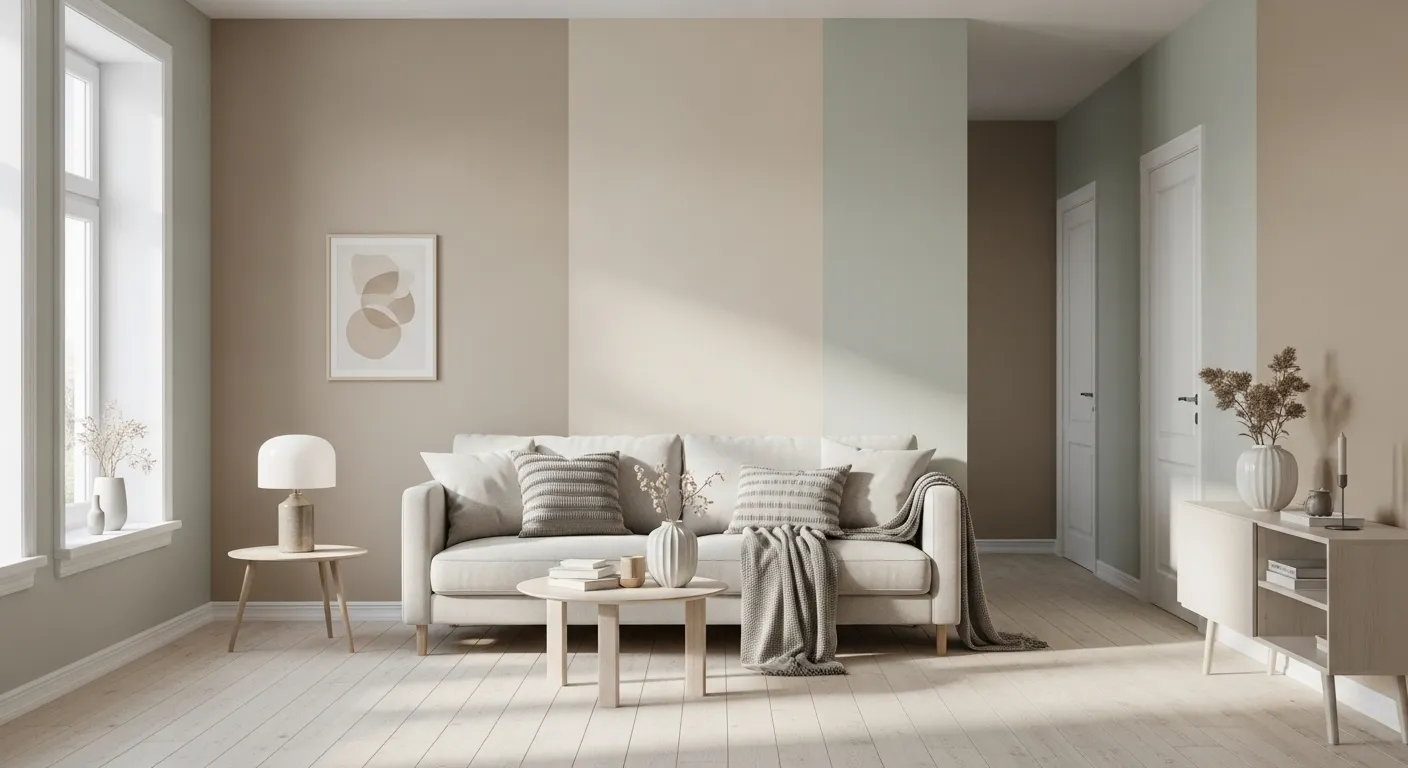
Walk into any art gallery and notice the walls: never white-white, always a considered neutral — warm grey, soft putty, pale greige. Galleries know what homeowners forget: neutrals are not the absence of decision, they are the decision that lets everything else shine. Your sofa, your art, your light all perform better against a thoughtful neutral.
Related: How To Choose Paint Colors That Flow Between Rooms
Explore our complete guide to paint colors and wallpaper ideas for more inspiration.
The trick is undertone. A neutral with pink undertones glows at sunset; one with green undertones stays calm all day. Get the undertone wrong and the room fights you. These nineteen neutrals are chosen for their complexity — each one a chameleon that shifts beautifully with the light.
1. Warm Greige
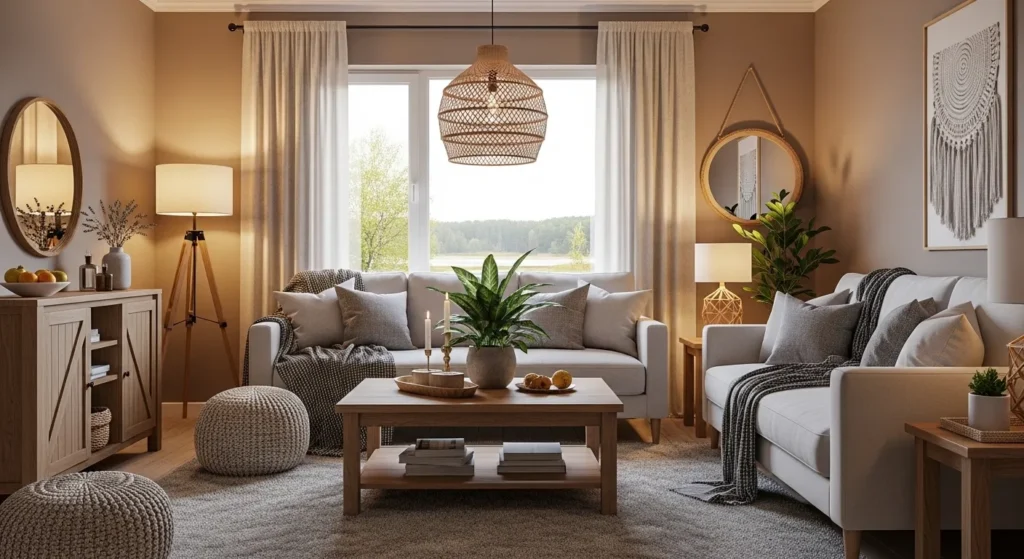
Warm greige combines beige and gray for a soft, inviting color. It pairs well with both modern and traditional furnishings, adding depth without overwhelming the space.
Use layered textures like rugs, cushions, and curtains to create visual interest. Warm greige acts as a versatile backdrop that makes your space feel stylish, welcoming, and Pinterest-ready.
2. Soft Taupe
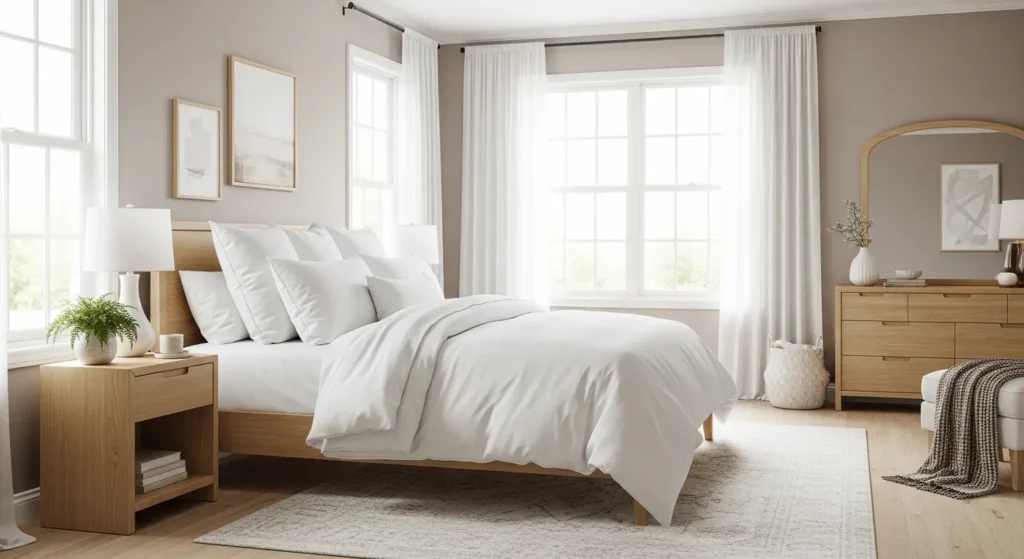
Soft taupe is a timeless neutral that adds subtle warmth to bedrooms or living areas. It works beautifully with light or dark furniture, providing a flexible design palette.
Add contrasting textures and metallic accents to avoid flatness. Soft taupe creates a calming environment while still feeling dynamic and stylish, perfect for cozy yet chic interiors.
3. Muted Sage Green
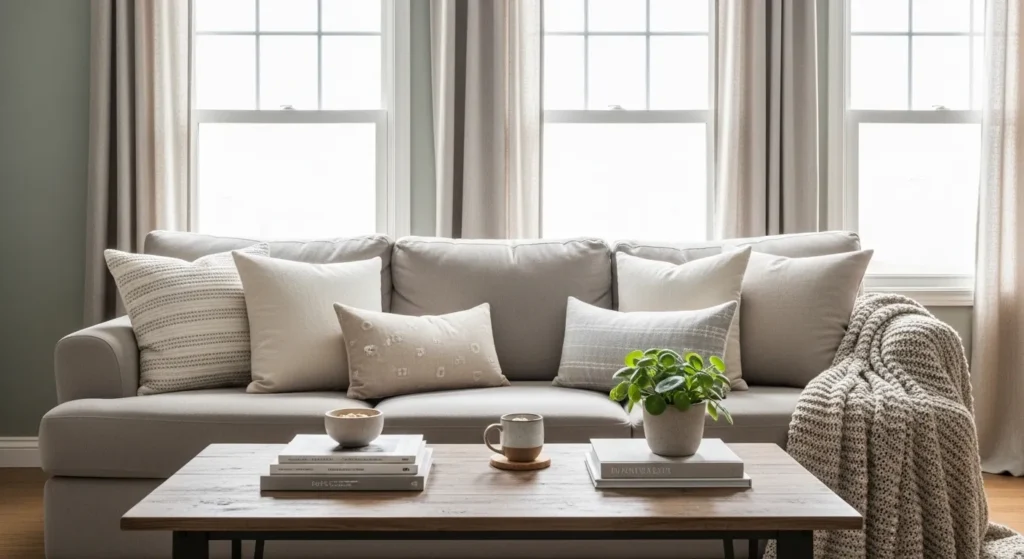
Muted sage green is a neutral with personality. Its earthy undertones add calm and warmth while pairing beautifully with beige, white, or wood accents.
Combine with natural textures like rattan, linen, or wood for layered interest. Sage green is a refreshing neutral that feels modern, balanced, and far from boring.
4. Blush Beige
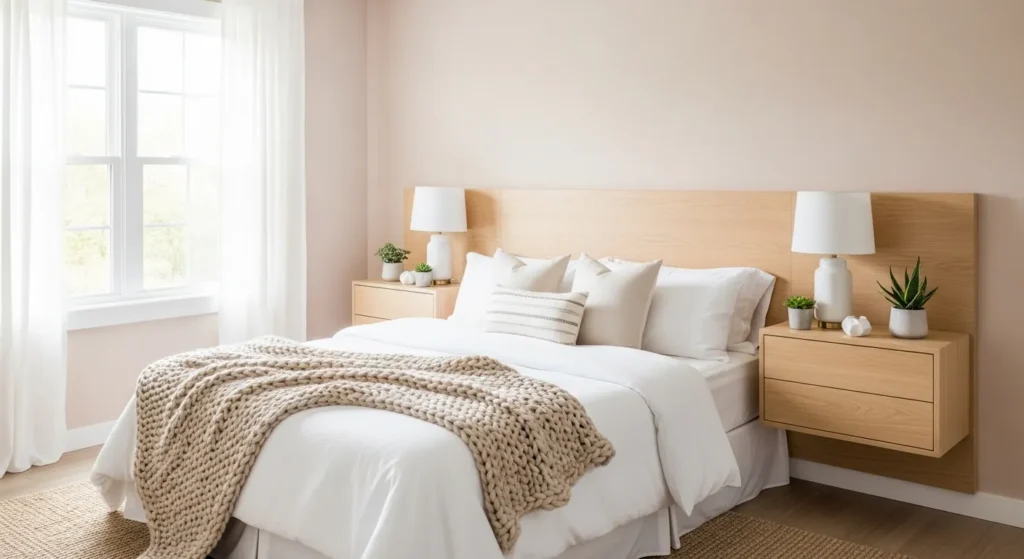
Blush beige brings a hint of color to traditional neutrals. It adds softness and warmth, creating an inviting and elegant atmosphere without feeling flat.
Pair with light neutrals and metallic accents to highlight architectural details. This shade works for bedrooms, living rooms, or hallways that need a cozy yet stylish touch.
5. Creamy Off-White
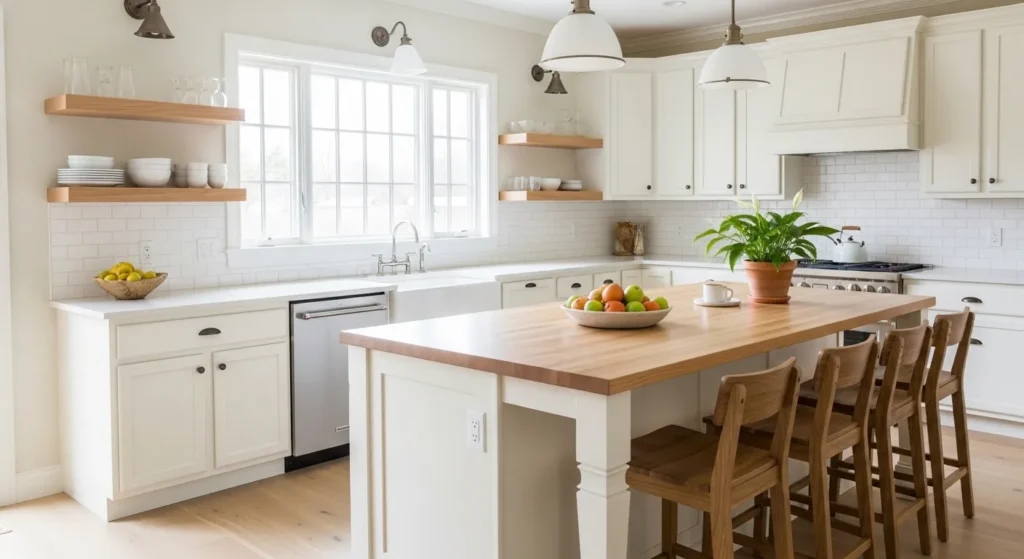
Creamy off-white feels brighter and warmer than stark white. It adds subtle warmth while keeping the space open and airy.
Combine with wood tones, metallic fixtures, and textured textiles to prevent monotony. This versatile color provides a sophisticated neutral base that works in any room.
6. Soft Mushroom
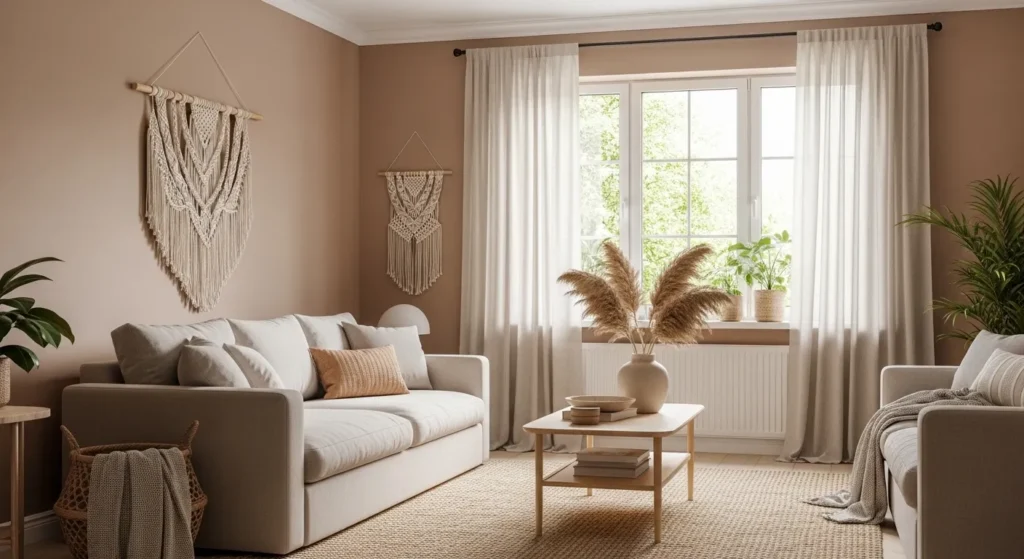
Soft mushroom is a gray-beige neutral with muted undertones that add depth and sophistication. It pairs well with both warm and cool accents.
Layer with textures like velvet or woven rugs to enhance dimension. Soft mushroom offers a modern, understated elegance that keeps neutral spaces far from boring.
🛒 Shop This Look:
7. Greige with Warm Undertones
Greige with warm undertones is perfect for creating a cozy, inviting room. It works beautifully with wood, brass, or rattan accents for added depth.
Pair with textiles and decorative objects to add visual layers. This neutral balances warmth and sophistication, making interiors feel welcoming and stylish.
8. Light Mocha
Light mocha is a soft, warm neutral that feels approachable yet elegant. It pairs well with beige, white, and darker accent colors for contrast.
Use layered textures and subtle patterns to prevent the space from looking flat. Light mocha adds warmth and richness without overwhelming the room.
9. Soft Mushroom-Gray
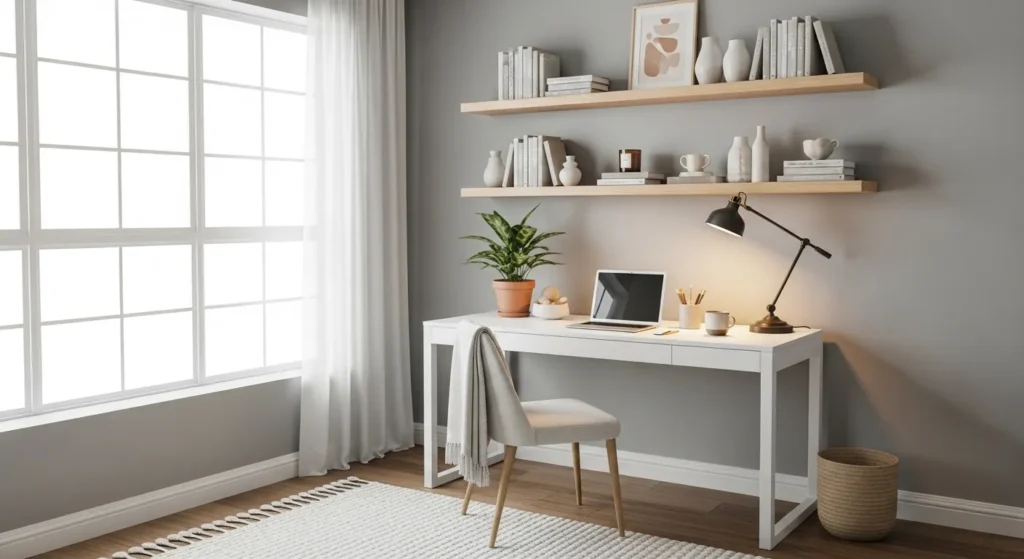
Mushroom-gray is a neutral that leans slightly gray with beige undertones. It adds sophistication and depth while remaining subtle.
Pair with light furniture and metallic accents for balance. This color works well for offices or living areas where a refined, layered neutral palette is desired.
10. Warm Sand
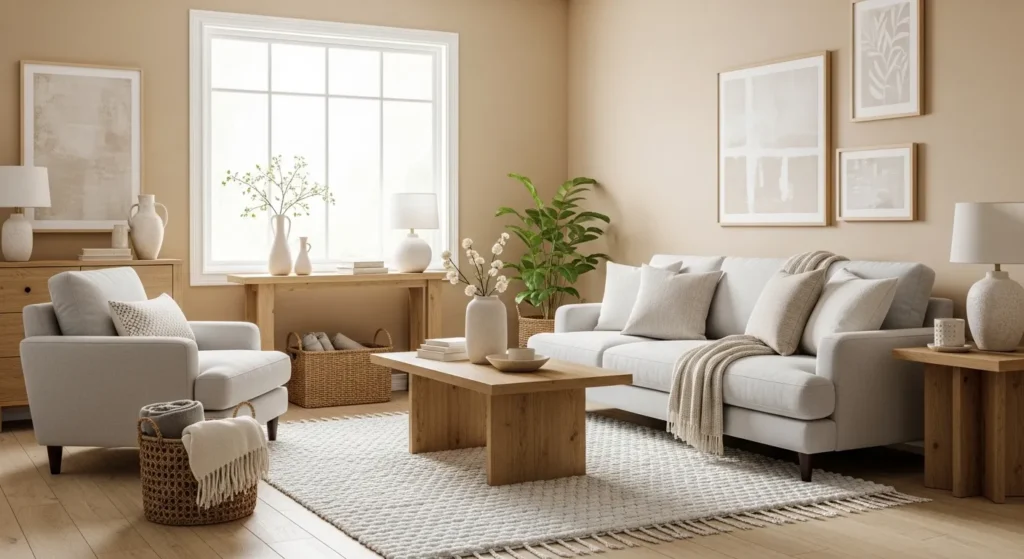
Warm sand is a soft, earthy neutral that adds warmth and depth to any room. It pairs beautifully with whites, greiges, and natural materials.
Add textures like linen, jute, or wood to enhance visual interest. Warm sand creates a relaxed, inviting space that feels layered and far from boring.
11. Dusty Beige
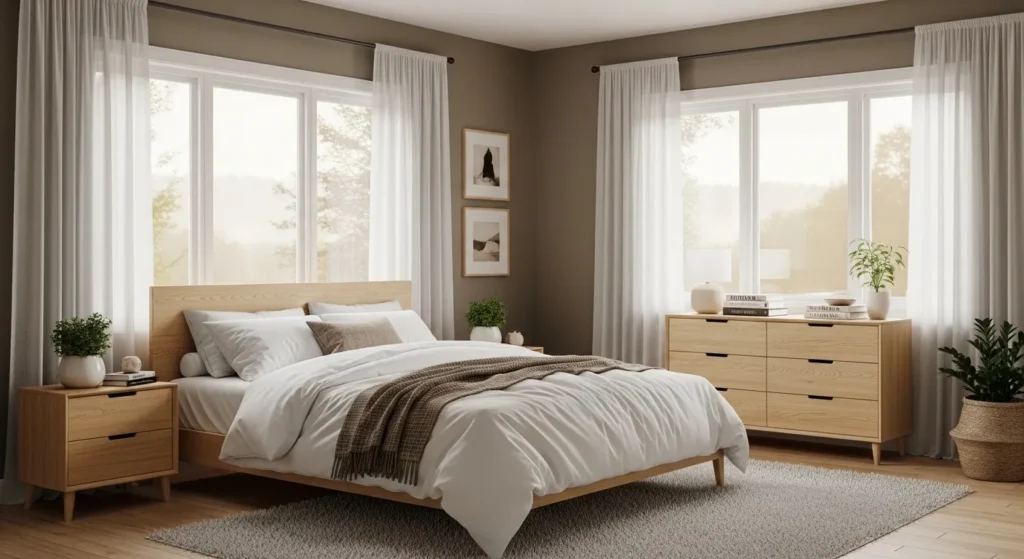
Dusty beige is a neutral with a slightly muted tone, giving a soft, sophisticated look without feeling plain. It adds warmth while keeping the room light and airy.
Pair with textured rugs, cushions, or layered curtains for depth. Dusty beige works in bedrooms, living rooms, or entryways, creating a calming yet stylish atmosphere.
🛒 Shop This Look:
12. Soft Latte
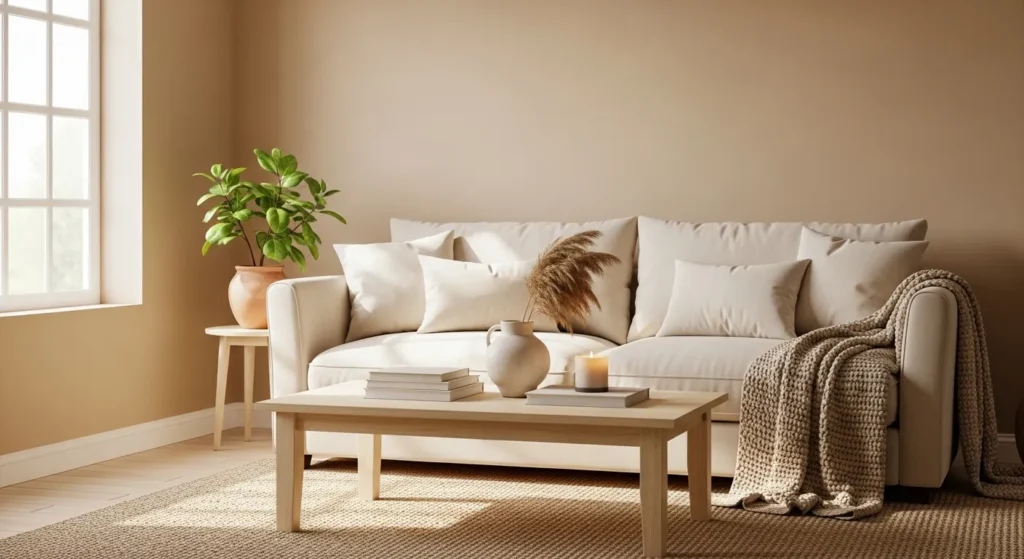
Soft latte is a warm neutral that evokes comfort and elegance. It pairs seamlessly with light furniture, natural wood, and gold or brass accents for added sophistication.
Layer textures like velvet pillows or woven throws to prevent flatness. Soft latte provides a cozy, inviting backdrop that feels modern and far from boring.
13. Pale Greige
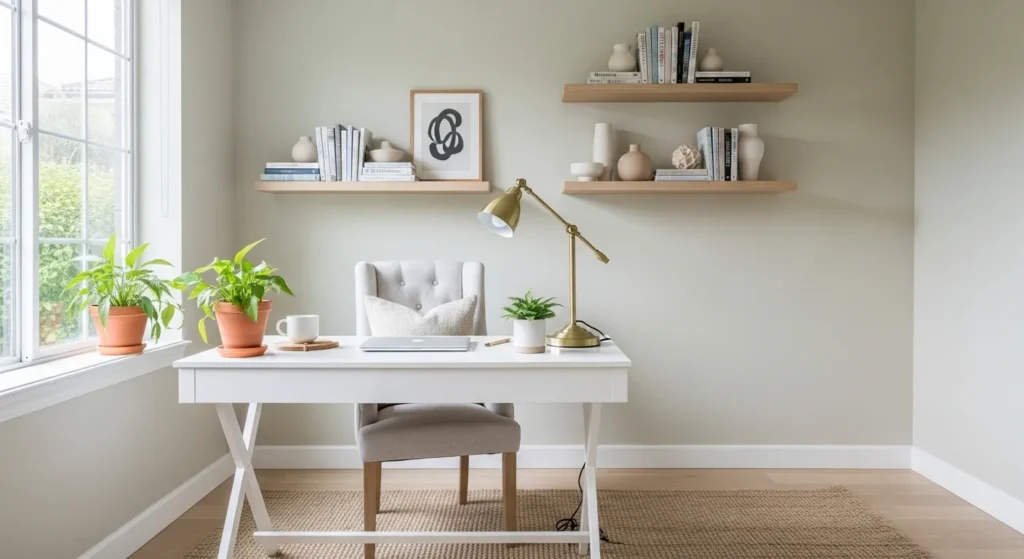
Pale greige is a subtle mix of gray and beige, offering a soft neutral that works in almost any space. It creates a calming backdrop while maintaining warmth.
Pair with plants, light furnishings, and reflective accents to create depth. Pale greige feels dynamic despite its understated tone, making it a perfect versatile neutral.
14. Warm Mushroom
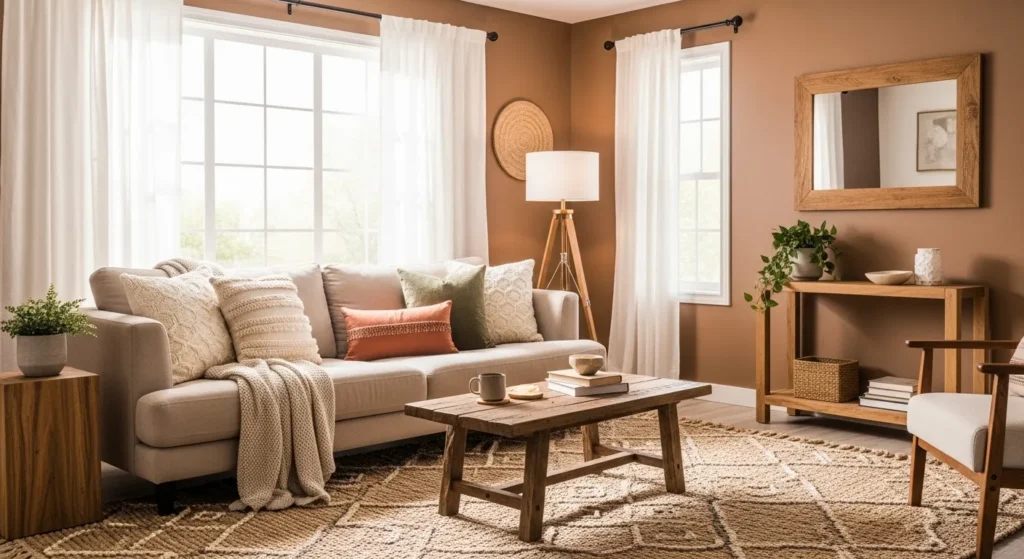
Warm mushroom is a deeper neutral that adds richness without overpowering a space. Its warm undertones complement wood, leather, and brass for layered elegance.
Use light furniture and mirrors to reflect light. This neutral brings sophistication and warmth, creating a cozy yet spacious atmosphere in living rooms or bedrooms.
15. Muted Blush
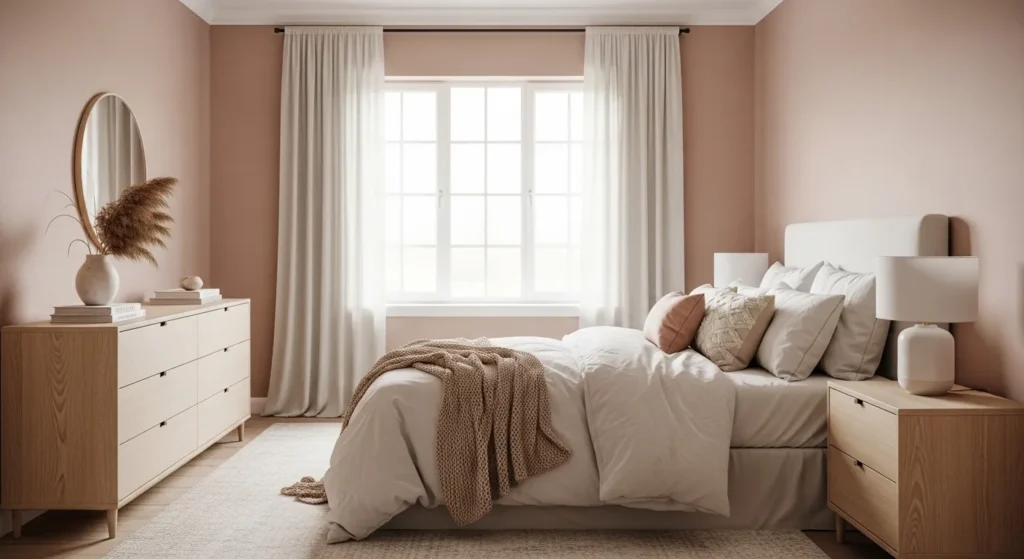
Muted blush is a neutral with a hint of pink, creating softness and warmth without being overwhelming. It pairs beautifully with beige, cream, or gray accents.
Layer in textures like woven rugs, linen curtains, or velvet cushions to enhance depth. Muted blush feels inviting, modern, and far from boring.
16. Soft Almond
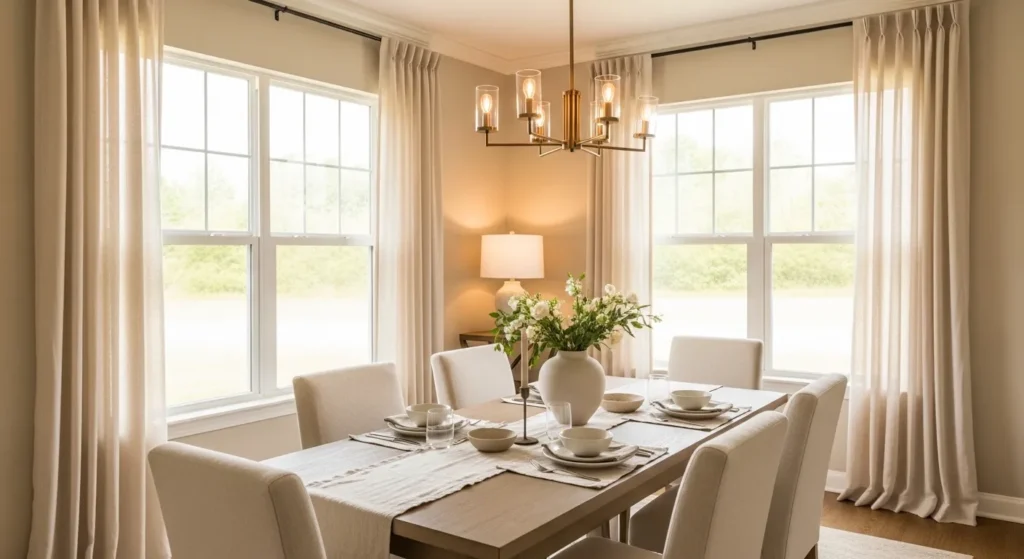
Soft almond is a warm, light neutral that works beautifully in kitchens or dining rooms. Its subtle warmth complements wooden furniture and metallic accents.
Use layered textures like linen napkins, woven placemats, or greenery to add visual interest. Soft almond creates a cozy, elegant, and inviting space.
🛒 Shop This Look:
17. Taupe Gray
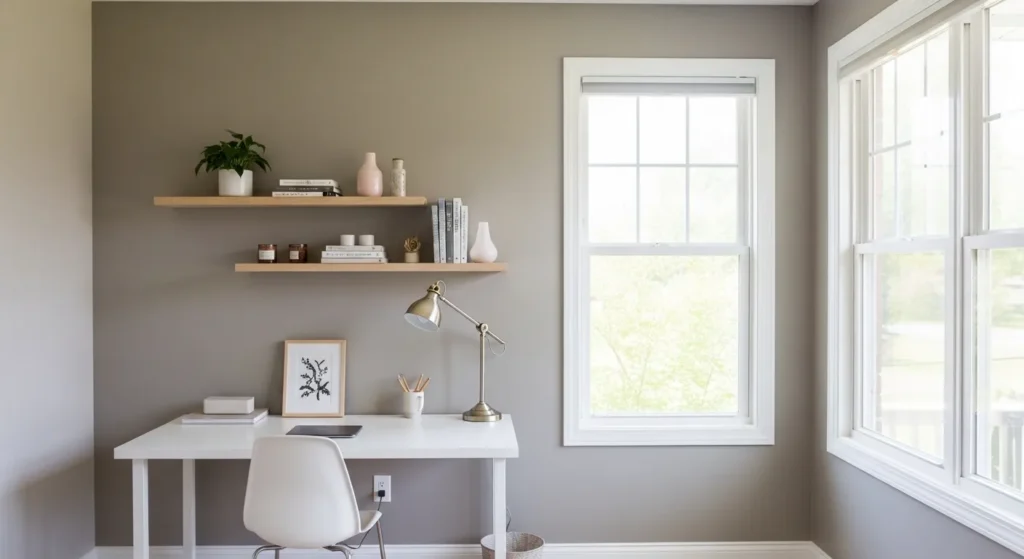
Taupe gray balances cool gray with warm taupe undertones, giving depth to walls while maintaining a neutral palette. It adds sophistication without feeling flat.
Pair with light furniture, metallic accents, or natural textures to create dimension. Taupe gray works in offices, living rooms, or bedrooms for a chic yet calming vibe.
18. Sandstone
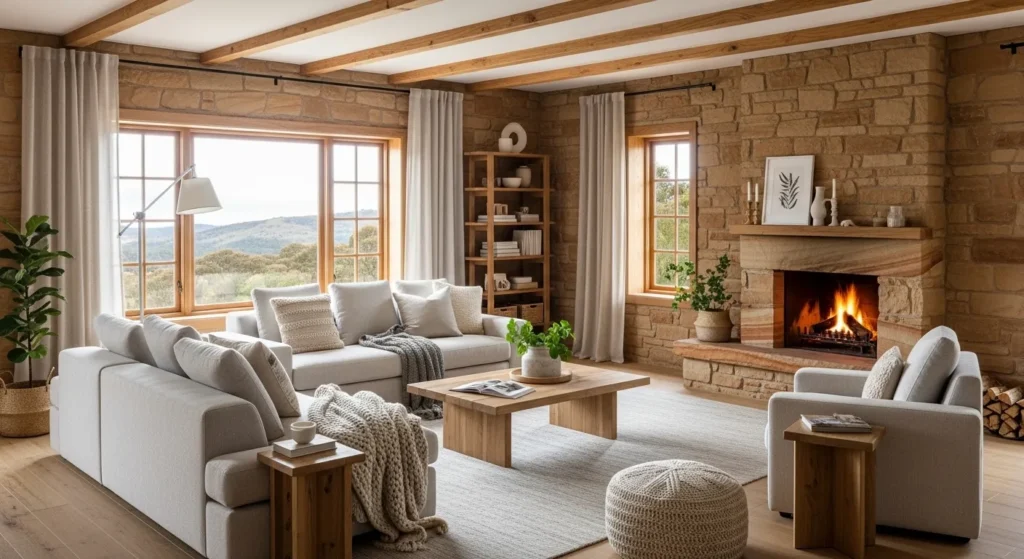
Sandstone adds warmth and a natural, earthy tone to any space. Its subtle variation prevents monotony while keeping the room light and airy.
Combine with neutral textiles, plants, or metallic accents to enhance depth. Sandstone is versatile, making interiors feel cozy, layered, and visually interesting.
19. Soft Ivory with Warm Undertones
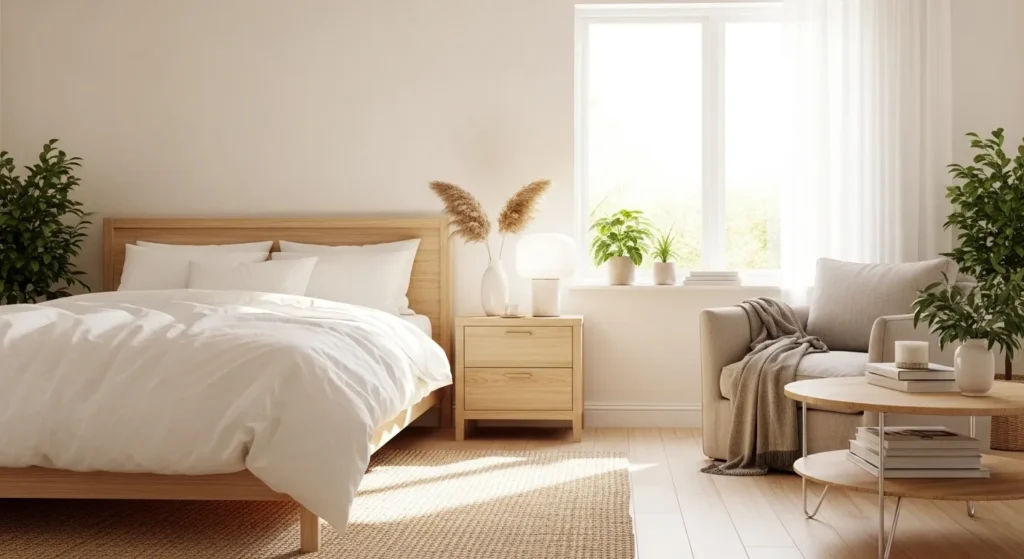
Soft ivory with warm undertones creates a bright, airy space while still feeling inviting. It’s a versatile neutral that pairs with almost any accent color.
Add texture with rugs, pillows, or woven baskets for dimension. This shade keeps spaces feeling open and cozy, proving that neutrals don’t have to be boring.
Conclusion
Neutral walls don’t have to be plain. With the right undertones, textures, and accents, neutrals like greige, taupe, or muted blush can add depth, warmth, and personality to any room.
These 19 colors show that subtlety can be exciting. By pairing neutrals with layered textures, contrasting accents, and reflective surfaces, you can create Pinterest-worthy spaces that feel inviting, stylish, and far from boring.
FAQ
Q1: How do I choose a neutral that’s not boring?
Look for undertones—warm, cool, or muted shades add depth and personality. Layer textures and accents to create interest.
Q2: Are muted greens or blushes considered neutral?
Yes, muted colors like sage green or blush can act as neutrals, providing warmth and subtle color without overwhelming a space.
Q3: How can I make neutral walls feel dynamic?
Layer textures, add contrasting accents, and mix furniture materials to enhance depth and visual interest.
Q4: Which neutral colors work best in small spaces?
Light neutrals with warm undertones, like soft latte or pale greige, reflect light and make rooms feel larger and airy.
Q5: Can neutrals be used in bold, modern interiors?
Absolutely. Pairing neutrals with metallic accents, clean lines, or bold decor pieces creates a sophisticated, contemporary look.
Layering Neutrals for Depth
The secret to neutrals that feel rich rather than flat is layering multiple tones from the same family. Paint walls in a mid-tone greige, then use a deeper version on an accent wall or built-ins and a lighter version on the ceiling and trim. This tonal range creates the depth that single-color neutral rooms lack. The variations should be subtle, no more than two shades apart on a paint strip.
Texture does the heavy lifting in neutral rooms. A boucle chair, linen curtains, a jute rug, and brushed brass hardware add tactile variety that keeps the eye engaged. Without texture, even the perfect neutral palette falls flat. Aim for at least four different textures in any neutral-dominant room.