
As an Amazon Associate, I earn from qualifying purchases. This means I may earn a commission if you purchase through links on this page — at no extra cost to you.
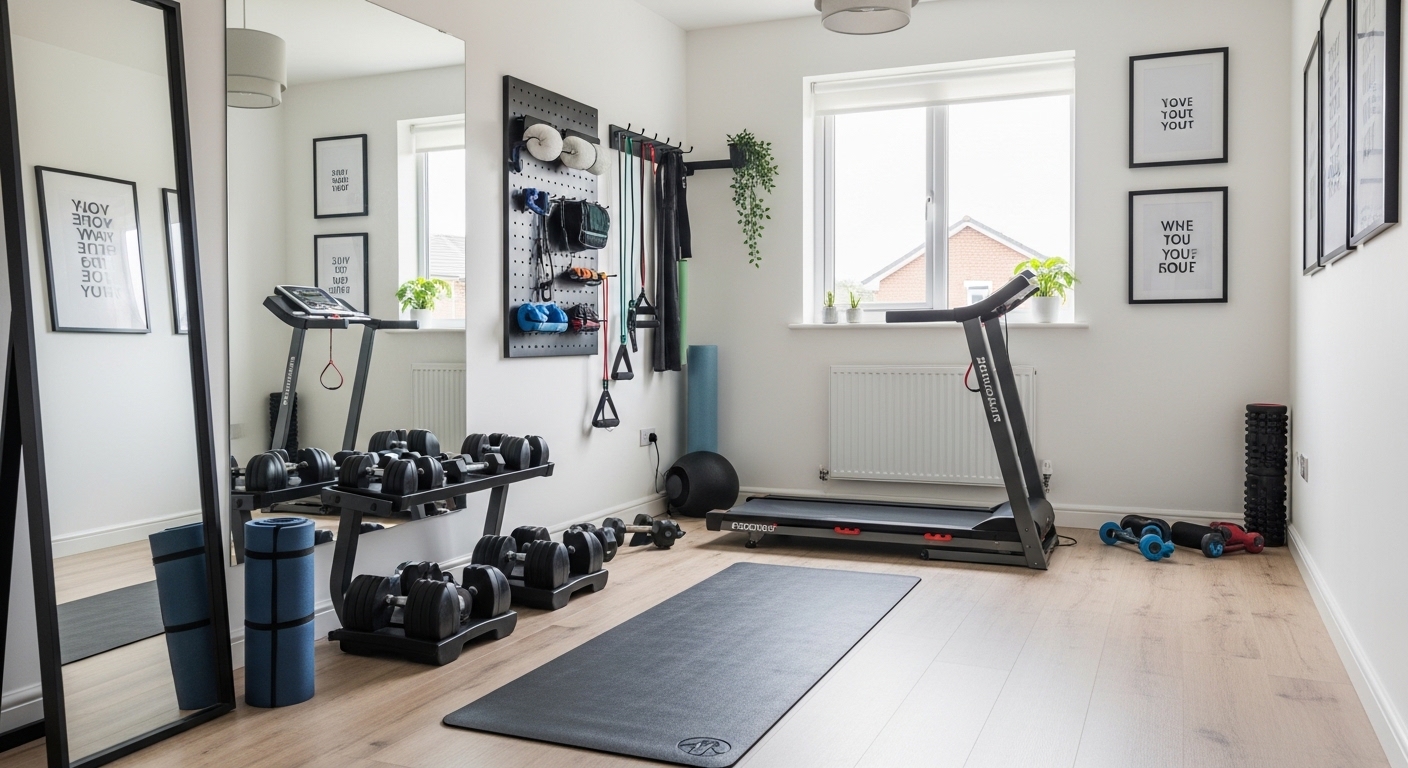
Finding home gym ideas that make working out at home easier for every taste shouldn’t mean scrolling for hours. We’ve done the curating for you — 19 ideas ranging from quick updates to full transformations, all tested for real life.
From compact setups in small apartments to larger rooms with full equipment, designing your home gym strategically ensures workouts are both effective and enjoyable. Here are 19 home gym ideas that make exercising at home easier, stylish, and motivating.
1. Dedicated Workout Corner
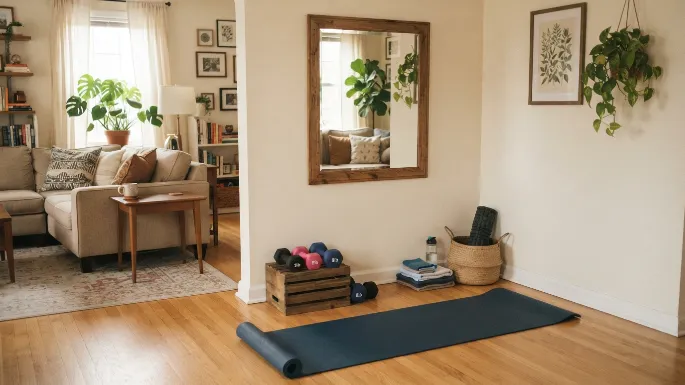
If you don’t have an entire room, dedicating a corner to exercise is highly effective. Place a mat, some dumbbells, and resistance bands in a specific area to create a consistent workout spot.
Add a small storage rack or basket to keep equipment organized and accessible. Even a compact corner can serve as a visual reminder to stay active, boosting motivation and making daily workouts easier.
2. Full-Length Mirrors
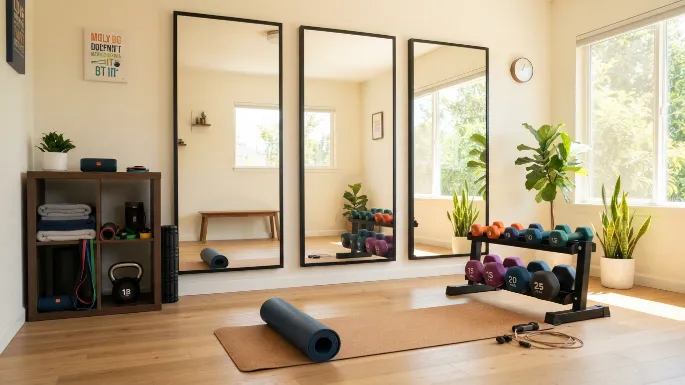
Installing a full-length mirror improves form during exercises and makes the room feel larger. It allows you to check posture while adding a professional gym vibe.
Mirrors also reflect light, brightening the space. Designers and fitness enthusiasts use mirrors to enhance functionality, making a small gym feel spacious, encouraging better technique, and increasing workout efficiency.
3. Multi-Functional Gym Equipment
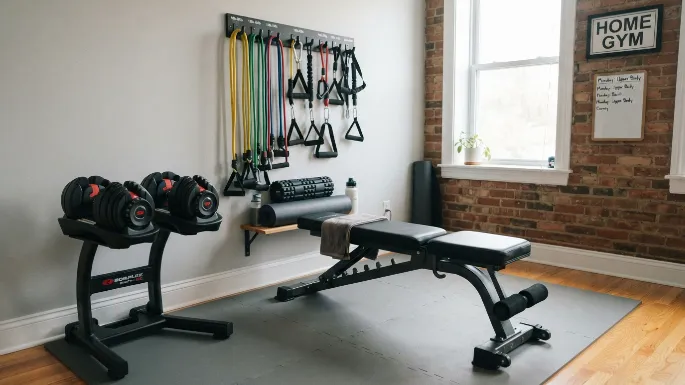
Investing in multi-functional equipment like adjustable dumbbells, foldable benches, or resistance bands maximizes efficiency. It reduces clutter and allows a variety of workouts in a small space.
This approach is perfect for apartments or rooms with limited square footage. By choosing versatile equipment, you can perform strength training, cardio, and flexibility exercises without needing a large inventory of machines.
4. Wall-Mounted Storage
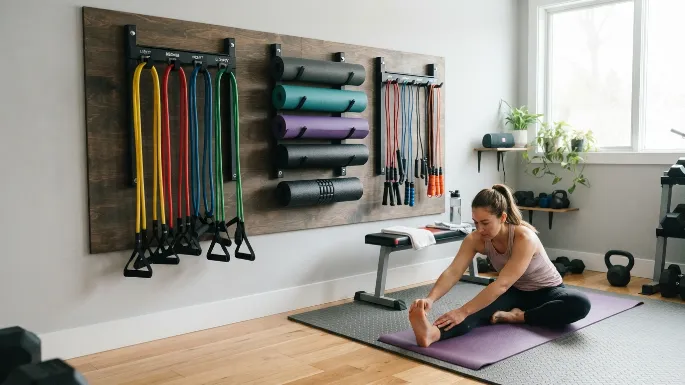
Wall-mounted storage keeps equipment off the floor and organized. Hooks, racks, or shelves for bands, mats, and weights save space and make workouts more convenient.
Clutter-free areas improve focus and safety during exercise. Designers recommend using vertical space efficiently, which not only keeps the gym tidy but also makes even small rooms functional for multiple types of workouts.
5. Smart Workout Technology
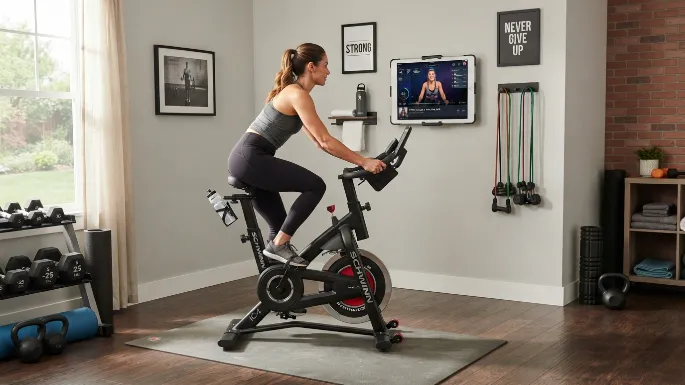
Incorporating technology like fitness apps, smart mirrors, or tablets enhances home workouts. You can follow guided routines, track progress, and stay motivated without a personal trainer.
Using tech also allows customization for different goals, whether it’s cardio, strength, or flexibility. Designers often pair smart devices with compact equipment for a modern, efficient home gym setup.
6. Foldable Treadmill
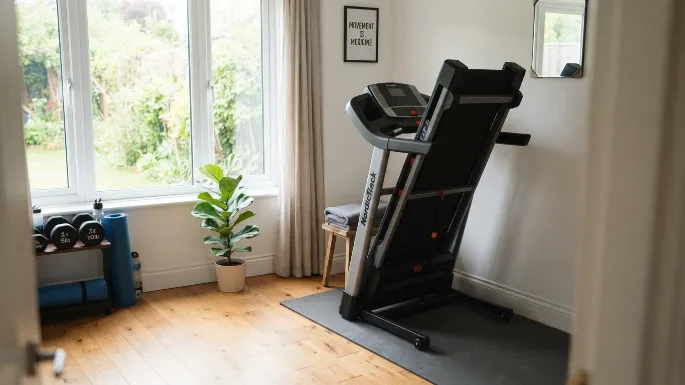
A foldable treadmill provides cardio options without taking permanent space. It can be easily stored when not in use, freeing up room for other exercises.
This solution is ideal for small apartments or multi-use rooms. Combining portability and functionality, a foldable treadmill allows consistent cardio workouts while maintaining a clutter-free environment.
7. Rubber Flooring Tiles
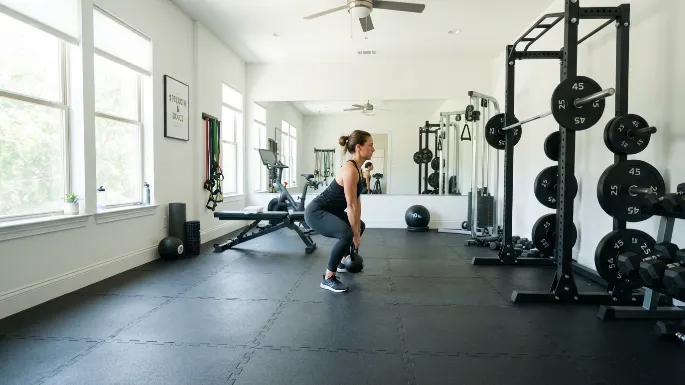
Installing rubber flooring protects floors from heavy equipment and reduces noise. It also provides better grip and cushioning for high-impact exercises.
These tiles are easy to clean, replace, and customize for different areas. Designers and fitness enthusiasts recommend them to make home gyms safer, more functional, and visually cohesive.
8. Compact Weight Rack
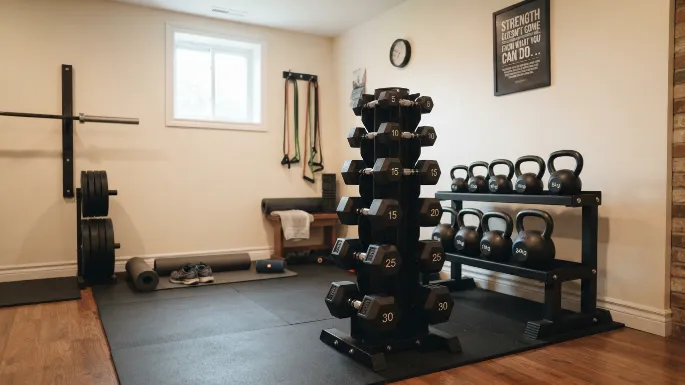
A compact vertical weight rack keeps dumbbells, kettlebells, and resistance equipment accessible while saving space. Vertical storage is efficient for small home gyms.
Organized weights reduce clutter, making workouts faster and safer. Even in limited spaces, a rack ensures all equipment is within reach, encouraging consistent training and maintaining a tidy, motivating environment.
9. Yoga and Stretching Area
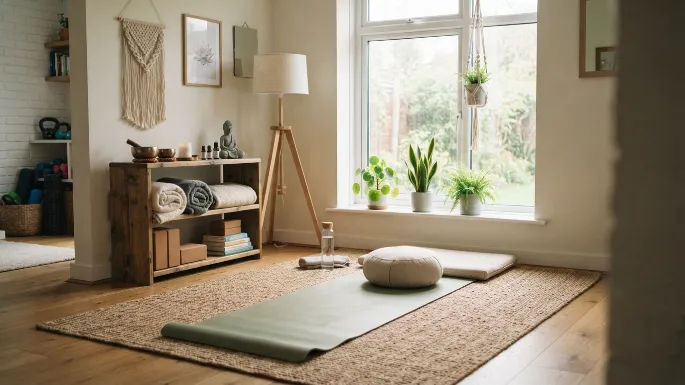
Dedicate a small area for yoga, stretching, or warm-ups. A defined zone with a mat, blocks, or cushions encourages mindfulness and flexibility exercises.
This space helps balance strength and cardio workouts while offering relaxation. Designers emphasize creating multiple zones within a gym, even in small spaces, to make home workouts comprehensive and organized.
10. Motivational Wall Art
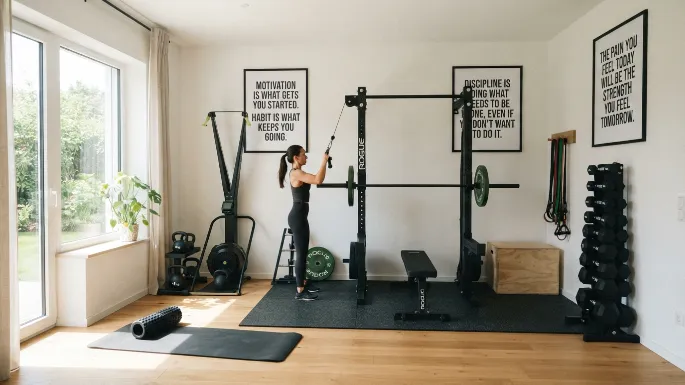
Adding motivational quotes, posters, or decals boosts energy and encourages consistency. A visually inspiring space improves mental focus during workouts.
This is a simple, budget-friendly method to personalize your gym. Designers often combine motivational visuals with neutral or bold wall colors to create an uplifting atmosphere that enhances performance.
11. Resistance Bands Wall
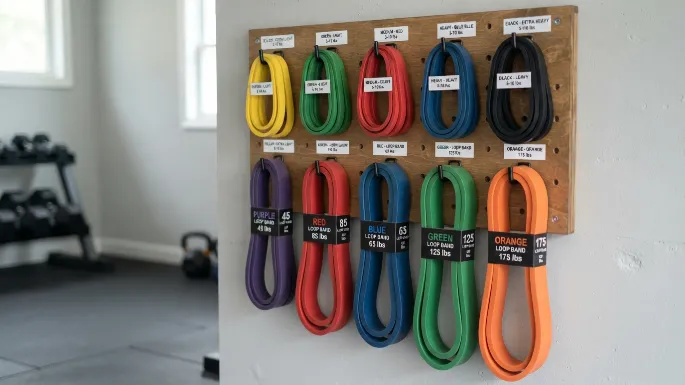
Organizing resistance bands on the wall keeps them accessible for quick exercises. Bands are versatile for strength training, stretching, and rehabilitation workouts.
Wall storage avoids tangling and saves space. This setup allows a small gym to offer a wide variety of resistance-based exercises, making workouts more efficient and adaptable for all fitness levels.
🛒 Shop This Look:
12. Adjustable Bench
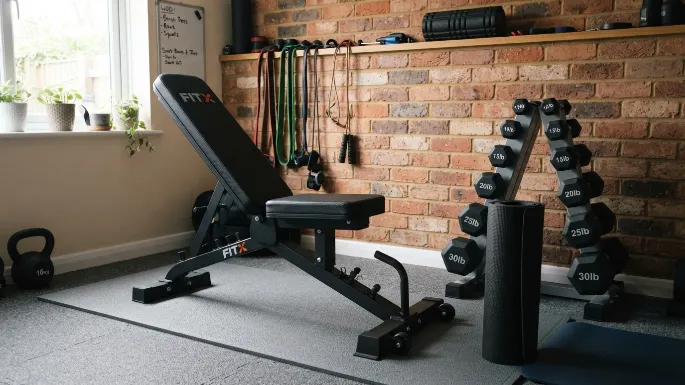
An adjustable bench provides multiple exercise options, from bench presses to seated workouts. It’s a small investment that significantly expands functionality.
Designers favor adjustable benches in home gyms because they allow varied workouts without requiring multiple pieces of equipment. Its compact design keeps the space organized while enhancing strength training possibilities.
13. Wall-Mounted Pull-Up Bar
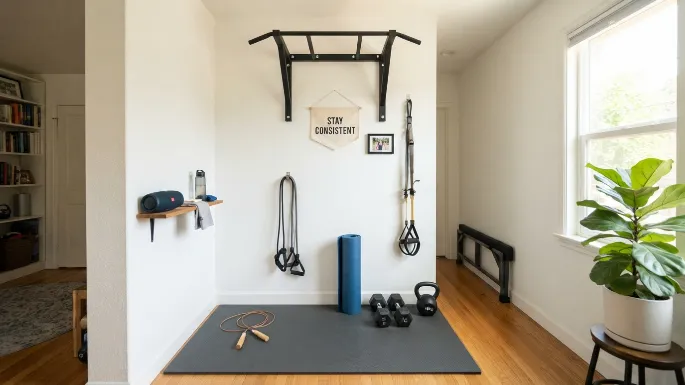
A wall-mounted pull-up bar adds upper-body strength options without taking floor space. It’s perfect for small gyms and provides functional training for multiple muscle groups.
Install near a doorway or in a corner for convenience. Designers favor wall-mounted bars because they maximize vertical space, allowing efficient workouts in compact rooms while keeping the area uncluttered.
14. Full-Length Wall Mirror
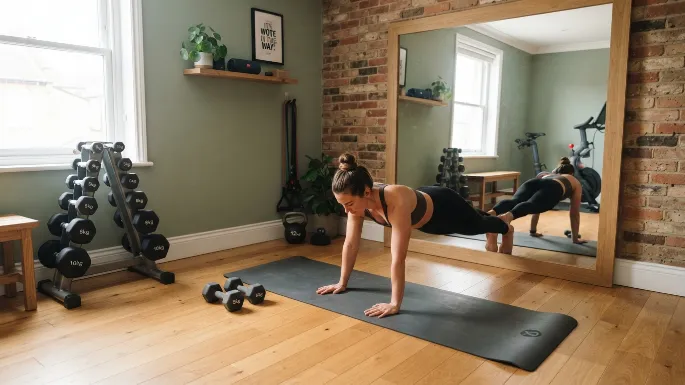
Adding a full-length mirror helps check posture, form, and alignment during exercises. Mirrors also reflect light, making a small gym feel larger and brighter.
Designers recommend mirrors to improve both functionality and aesthetics. It provides a professional feel to your home gym, enhances spatial awareness, and boosts motivation during workouts.
15. Foldable Exercise Bike
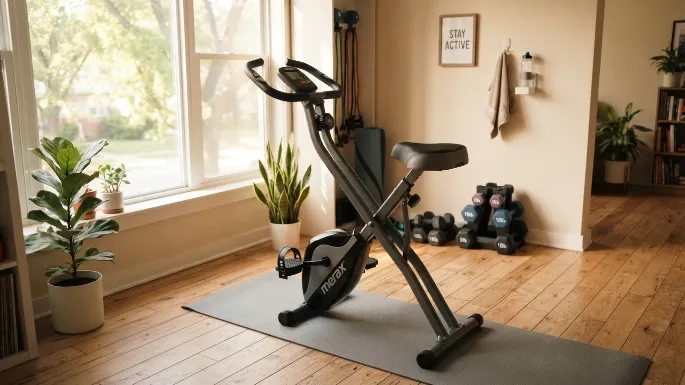
A foldable exercise bike offers convenient cardio options without occupying permanent space. It can be stored upright or under furniture when not in use.
This is ideal for small apartments. Designers like foldable equipment for its versatility, allowing high-quality workouts while maintaining a clutter-free environment.
16. Functional Storage Cabinet
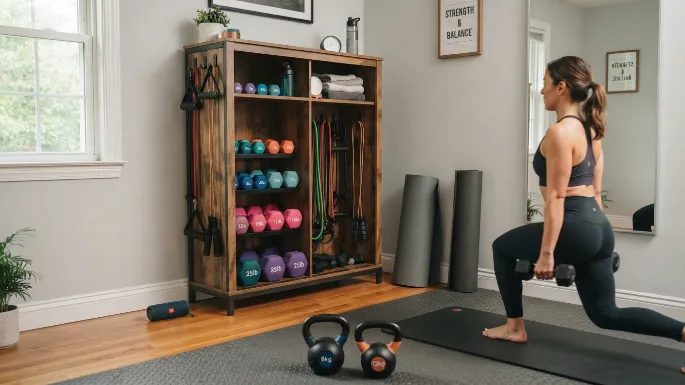
A storage cabinet keeps small equipment organized, reducing clutter and improving workflow during workouts. It makes every tool accessible while maintaining a neat gym.
Designers emphasize that functional storage is key for efficiency. With dedicated compartments for weights, bands, and mats, a home gym feels more professional and motivating, enhancing the overall workout experience.
17. Mounted TV or Tablet Holder
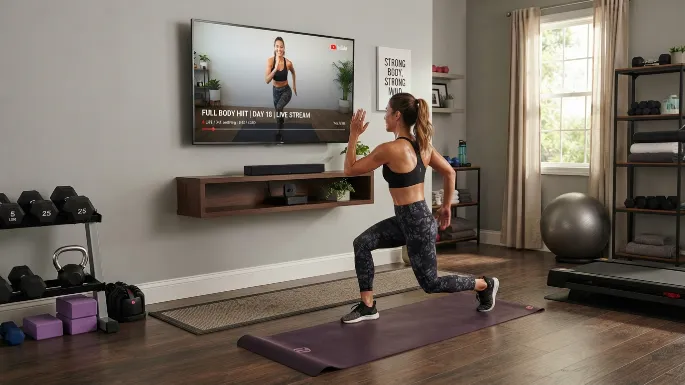
Mounting a TV or tablet allows you to follow workout routines without crowding the space. It’s ideal for guided sessions, cardio, or yoga classes.
Designers often integrate media stations in small gyms for motivation and variety. This setup ensures you can access virtual training, track progress, and stay entertained, making workouts easier and more enjoyable.
18. Soft Lighting Options
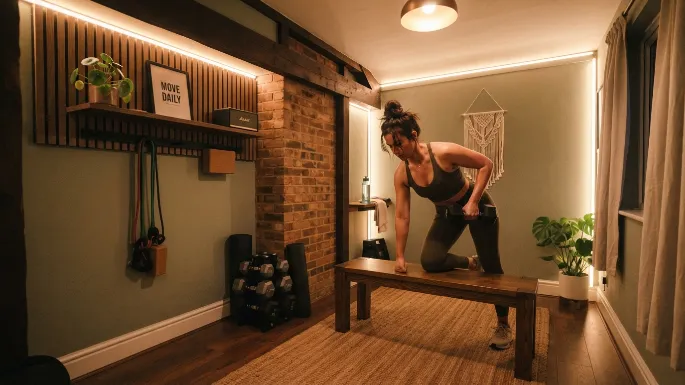
Soft or adjustable lighting creates a comfortable and motivating atmosphere. Bright overhead lights can feel harsh, so designers recommend LED strips or lamps for mood enhancement.
Lighting affects both energy levels and focus. Proper illumination helps you perform exercises safely while making the space inviting, encouraging consistent use of your home gym.
19. Wall-Mounted Fan or Ventilation
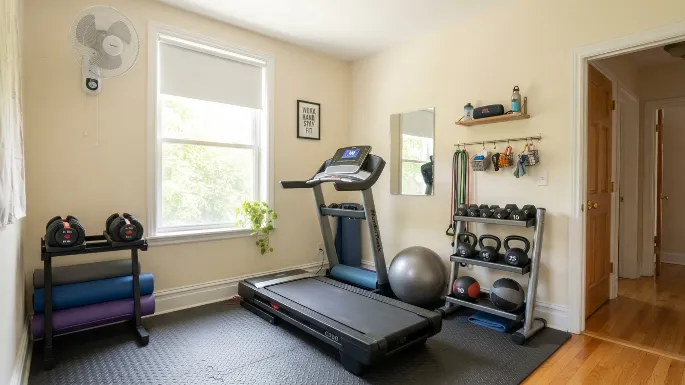
Good airflow is essential for comfort during workouts. Installing a wall-mounted fan or keeping a window for ventilation improves the environment for cardio or high-intensity exercises.
Designers emphasize ventilation in home gyms to prevent overheating and maintain air quality. A small fan or proper airflow makes working out at home more enjoyable and ensures safety during intense sessions.
Conclusion
A home gym doesn’t need to be large to be effective. By using smart layouts, vertical storage, multifunctional equipment, and thoughtful design, you can create a space that’s motivating, efficient, and enjoyable.
From compact corners and foldable machines to mirrors, storage, and ambient lighting, each element contributes to making workouts easier and more effective. These 19 home gym ideas show that a small or medium-sized space can offer professional-level functionality while remaining stylish, organized, and tailored to your fitness goals.
15 Essential Questions About Home Gym Design
🛒 Shop This Look:
1. What makes a home gym actually functional vs. just equipment sitting in a garage?
Purpose-driven layout matters most. Equipment should be organized, accessible, and arranged for actual workouts—not storage.
A dedicated space (even small) works better than mixing gym equipment with other stuff. Your brain knows the difference.
Functional home gyms have clear zones: cardio area, strength area, stretching space. Organization prevents chaos.
2. What’s the minimum space needed for an effective home gym?
100-150 square feet is ideal. You need room for movement, equipment, and flow between stations.
Smaller spaces (50-100 sq ft) work for focused workouts. You might need to adjust what equipment fits.
Even 20×20 foot space accommodates basic equipment. The key: dedicate the space to fitness, not other purposes.
3. Where in my home should I set up a gym?
Basement is ideal: private, dedicated space, less disruptive to the household, typically larger.
Garage works beautifully. Climate control matters—extreme heat or cold affects motivation.
Spare bedroom, corner of living room, or even closet space works if organized well. Dedication matters more than size.
4. What flooring works best for home gyms?
Rubber or foam flooring protects equipment and your joints. It deadens noise and creates cushioning.
Interlocking tiles ($1-3 per sq ft) are affordable and easy to install. They’re durable and replaceable.
Regular flooring works but offers no protection. Quality flooring is worth the investment if you’re serious about working out.
5. What essential equipment should every home gym have?
Dumbbells or resistance bands ($50-200) provide strength training. Adjustable dumbbells save space.
A yoga mat ($20-50) creates a dedicated workout surface. It’s essential for floor exercises.
Cardio equipment (treadmill, bike, jump rope) depends on your preference. A good jump rope ($15-30) costs less than machines.
6. How do I organize equipment without the space looking cluttered?
Wall-mounted storage (racks, pegboards) keeps equipment visible and accessible without taking floor space.
Shelving displays equipment beautifully. Organized racks beat random piles on the floor.
Color coordination and grouping (weights together, mats in one area) creates visual order.
7. Should I invest in expensive equipment or start with basics?
Start with basics. Dumbbells, resistance bands, and a yoga mat cost under $200 total.
Add equipment as your needs evolve. This prevents expensive purchases you won’t use.
Quality basics outlast cheap equipment. A $100 adjustable dumbbell set beats cheap equipment constantly breaking.
8. How important is lighting in a home gym?
Excellent lighting prevents injury and keeps you motivated. Poor lighting makes working out miserable.
Bright overhead lighting plus task lighting creates visibility. Natural light during the day is ideal.
Invest in good lighting ($100-300)—it matters more than most people think for consistent use.
9. What mirrors should I include in a home gym?
Full-length mirrors allow form checking. They make spaces feel bigger and more professional.
One large mirror ($50-150) works better than multiple small ones. Position it where you can see yourself exercising.
Mirrors are more important for form-focused workouts (strength training, yoga) than cardio.
🛒 Shop This Look:
10. How do I manage noise in a home gym?
Rubber flooring absorbs sound and protects floors. It’s the single best noise reducer.
Foam padding under equipment prevents clanging. Heavy equipment shouldn’t sit directly on hard floors.
Music or earpads help you ignore remaining noise. Noise-tolerant household members help too.
11. What climate control matters for home gyms?
Good ventilation prevents stuffiness and keeps you cool. A fan ($20-50) makes major difference.
Temperature matters—too hot or cold kills motivation. Keep the space comfortable year-round.
AC or heating is worth it if you use the gym regularly. Comfort increases consistency.
12. How do I make a home gym feel motivating rather than depressing?
Lighting, cleanliness, and organization create motivation. A well-lit, organized space feels professional.
Personal touches (motivational quotes, music, plants) add personality. Make it yours, not just functional.
Color coordination matters. Bright, clean spaces feel more inviting than drab, cluttered ones.
13. Can I combine my home gym with other room functions?
Yes, if organized well. A spare bedroom with gym equipment plus a desk works beautifully.
The key: clear zones and organization. Your gym area should feel dedicated, even if shared.
Folding or moveable equipment helps if space serves multiple purposes. Permanent setup works better though.
14. What’s the best way to create a dedicated space on a budget?
Paint or decorate one corner of a basement or garage ($50-100). This creates psychological dedication.
DIY storage from plastic bins, shelves, and pegboards ($100-300). Thrifted equipment costs less than new.
Start small and expand. Better to have minimal perfect equipment than closet full of junk equipment.
15. What mistakes do people make with home gyms?
Buying equipment without knowing if they’ll use it. Try before you buy or borrow equipment first.
Poor organization. Equipment scattered around defeats the purpose. Dedicate a real space.
Neglecting motivation elements. A gym that feels depressing won’t get used. Make it inviting.
Ignoring comfort. Poor lighting, inadequate ventilation, or uncomfortable flooring prevents consistency. Invest in basics that work.
Ready to create your functional home gym? Discover more fitness space inspiration and practical design strategies on our homepage. Explore how to create dedicated workout spaces that actually get used. Visit homeisdecor.com and find comprehensive home gym design ideas plus 18 more actionable concepts to transform your space into a motivating fitness sanctuary that makes working out at home easier and more enjoyable today.