
As an Amazon Associate, I earn from qualifying purchases. This means I may earn a commission if you purchase through links on this page — at no extra cost to you.
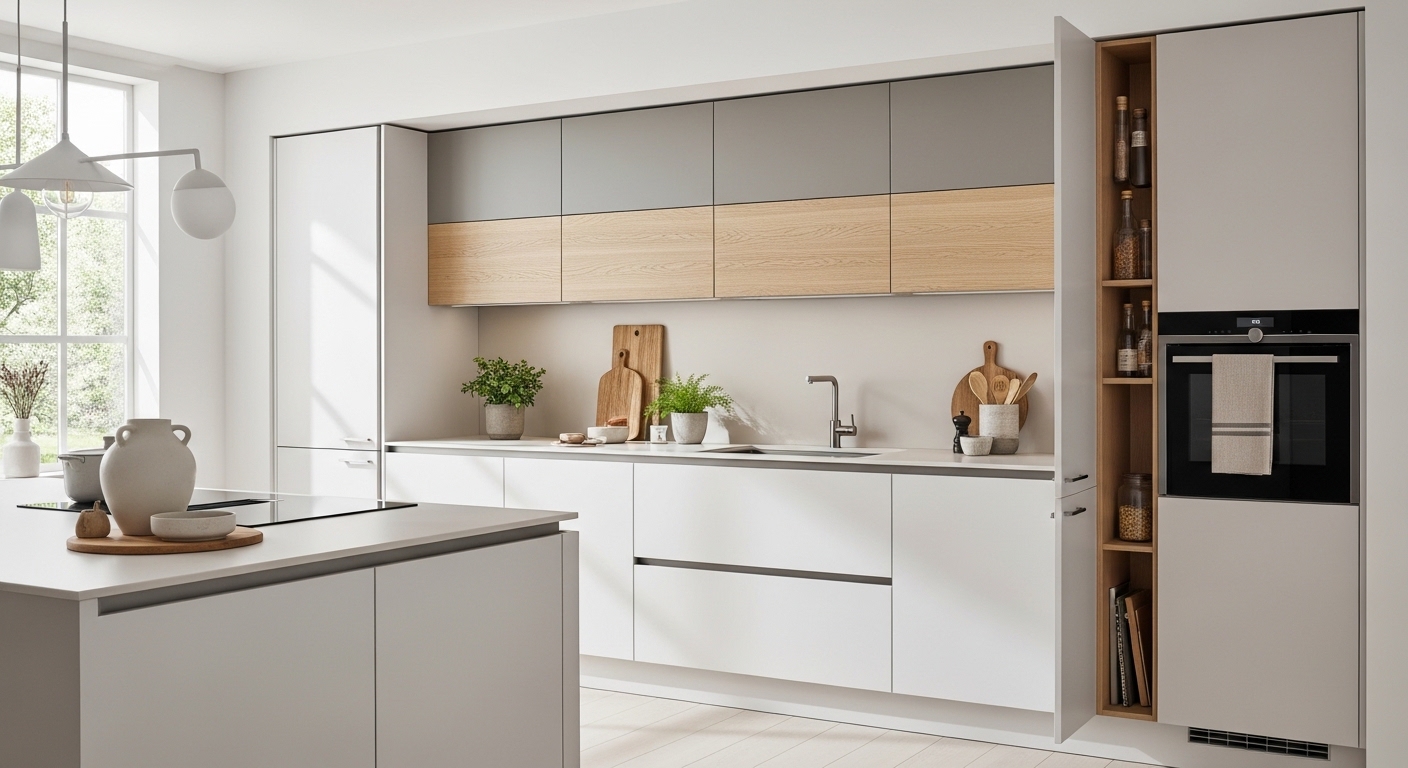
Ma — the Japanese concept of negative space, the meaningful emptiness between things. A minimalist modern kitchen is built on ma: the clear counter that makes the single beautiful object sing, the handleless cabinet that lets the material speak, the restraint that turns a kitchen into a meditation.
Explore more kitchen ideas for inspiration.
This is not emptiness for its own sake. Every element earns its place through function and beauty — hidden storage that swallows clutter, clean lines that calm the eye, materials chosen for how they age. These twenty-one kitchens practice the discipline of less, and prove that simplicity is the hardest design to get right.
Here are 21 minimalist modern kitchen ideas to inspire a clean, organized, and visually striking space.
1. Handleless White Cabinets
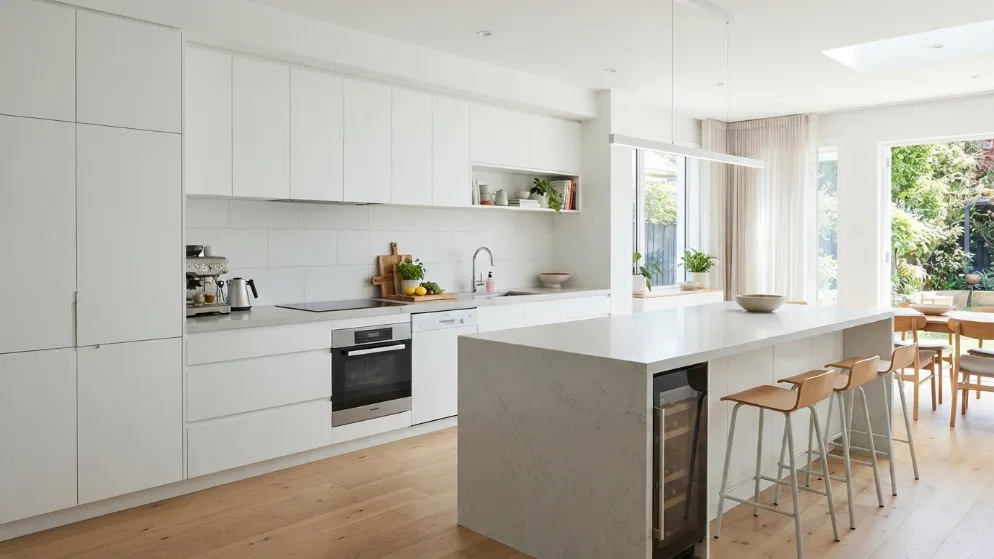
Handleless stylishpener” title=”white cabinets”>white cabinets create a seamless, uninterrupted look that embodies minimalist design. Without visible hardware, the cabinetry feels smooth, clean, and streamlined, enhancing the sense of space.
Pairing these cabinets with neutral countertops, integrated appliances, and subtle lighting emphasizes simplicity while maintaining functionality. The monochrome palette creates a bright, airy kitchen that feels sophisticated, organized, and uncluttered, perfect for modern minimalist spaces.
2. Monochrome Grey Palette
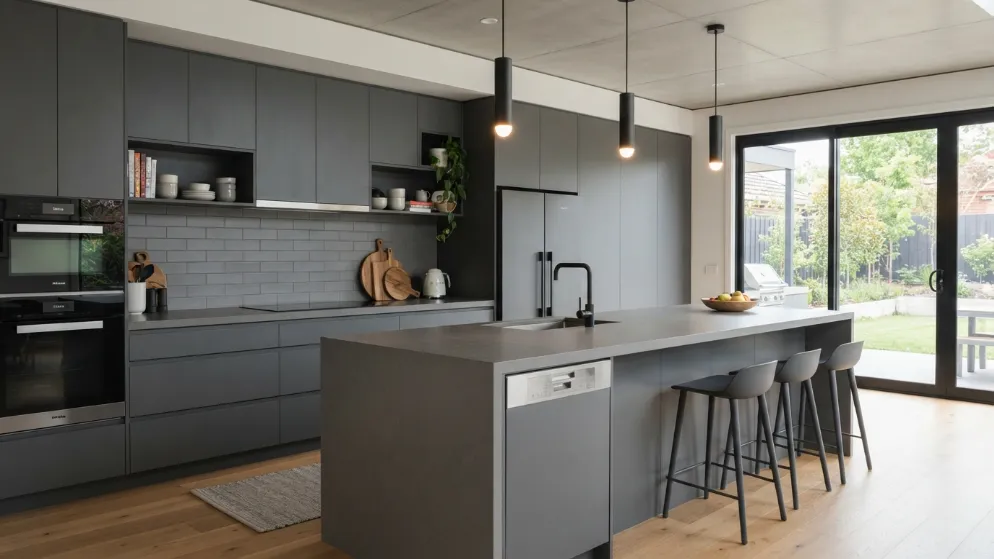
A monochrome grey kitchen combines sophistication and simplicity. Using varying shades of grey for cabinets, countertops, and walls creates subtle depth without cluttering the visual field.
This palette works well with minimalist fixtures, concealed storage, and soft natural lighting. By layering textures—such as matte cabinetry with smooth stone countertops—the kitchen remains stylish and functional while feeling clean, serene, and effortlessly modern.
3. Floating Open Shelves
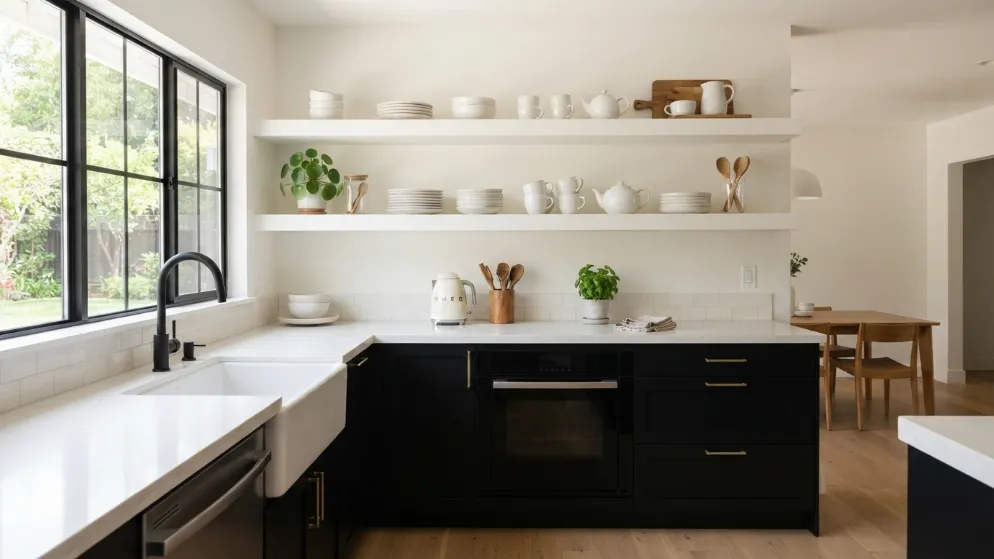
Floating open shelves keep kitchens light and airy while providing functional storage. Their minimal design eliminates bulk, making the space feel open and organized.
Arranging only essential dishware or decorative items on the shelves maintains visual simplicity. This approach balances utility with elegance, allowing the kitchen to remain clean, uncluttered, and modern while displaying personality in a restrained, curated way.
4. Integrated Appliances
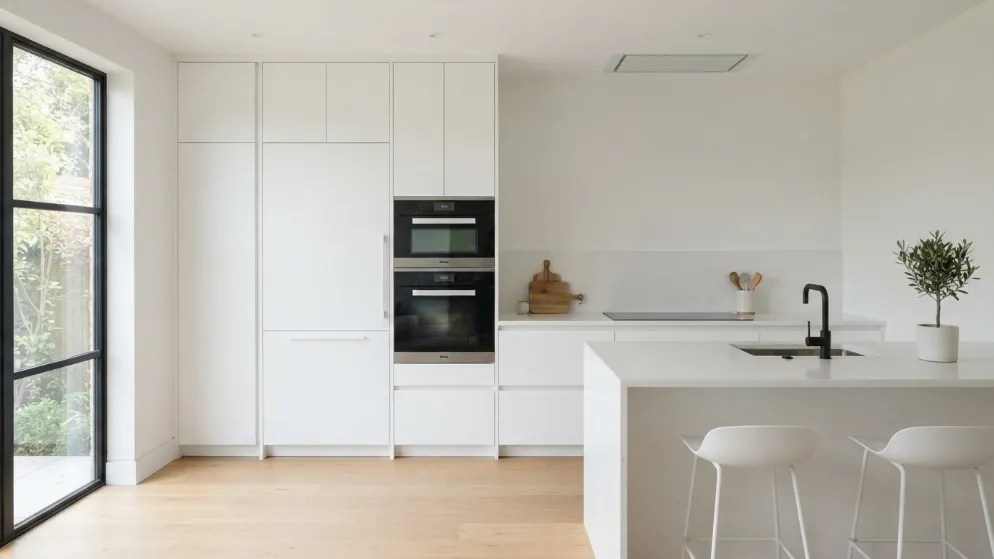
Integrating appliances into cabinetry hides visual clutter, creating a streamlined kitchen where surfaces remain uninterrupted. This strategy reinforces the minimalist aesthetic and makes small spaces feel more open.
By keeping everything cohesive and uniform, the kitchen maintains a clean and organized look. Minimalist design paired with functional storage ensures that even modern conveniences do not disrupt the sleek, stylish ambiance.
5. Light Wood Accents
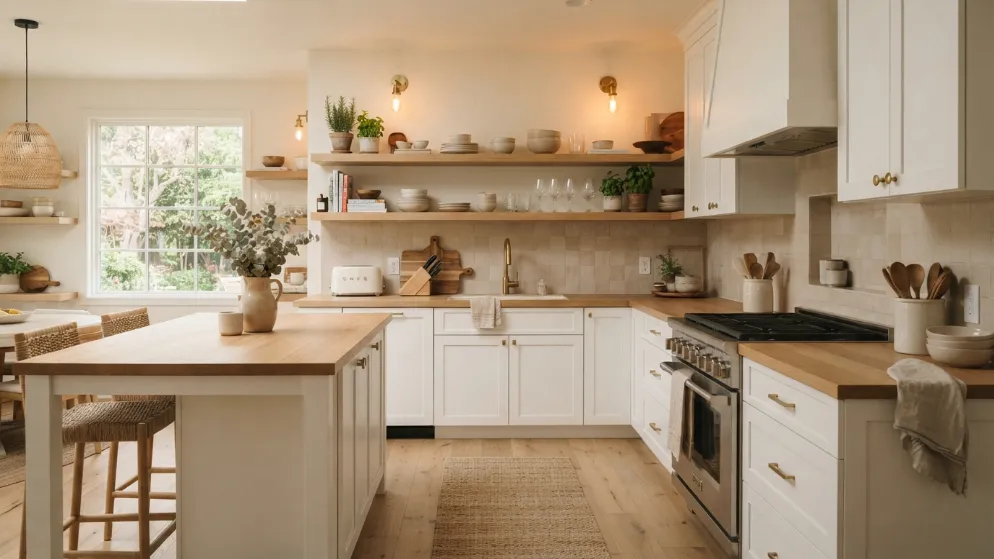
Light wood accents add warmth and natural texture to minimalist kitchens. Pairing wood with neutral cabinetry softens the space and prevents it from feeling sterile or cold.
These elements also create contrast without clutter, emphasizing simplicity while introducing organic charm. The combination of clean lines, neutral palettes, and natural wood results in a balanced, inviting kitchen that is modern yet approachable.
6. Matte Black Cabinetry
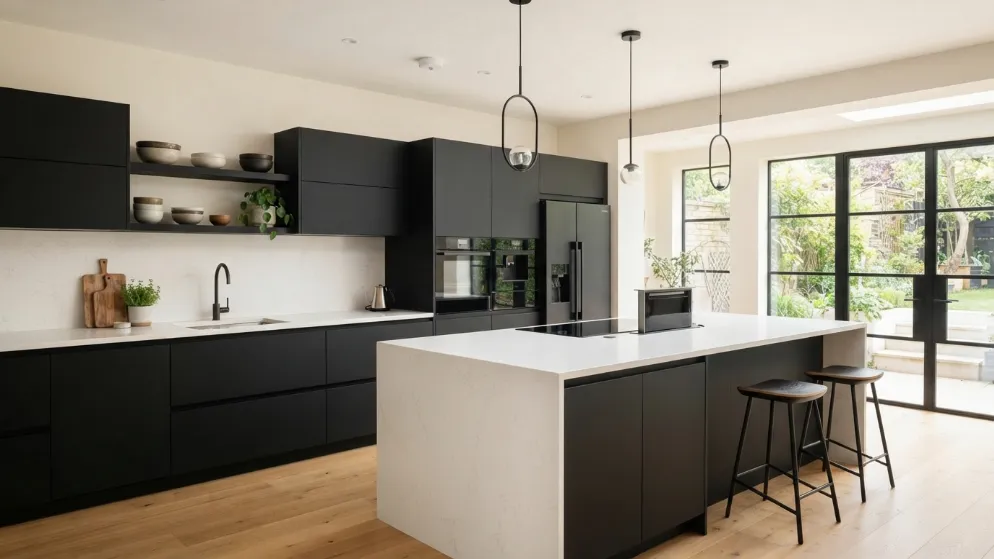
Matte black cabinets provide a bold yet refined backdrop in minimalist kitchens. Their sleek finish complements clean lines and adds sophistication to the space.
Pairing black cabinetry with light countertops or subtle metallic accents ensures contrast and prevents heaviness. The design feels contemporary, organized, and elegant, demonstrating that dark tones can also achieve minimalism without overwhelming the room.
7. Minimalist Kitchen Island
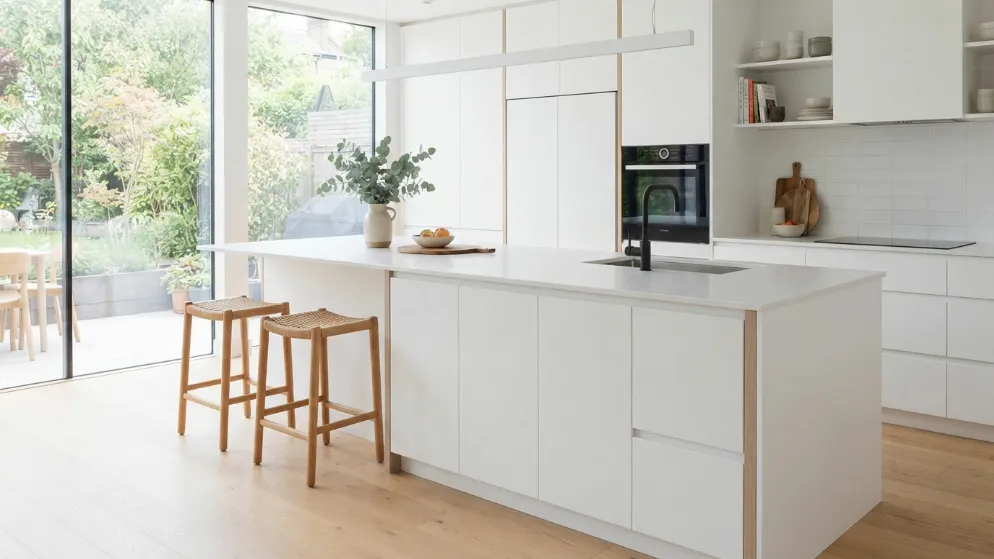
A minimalist kitchen island serves as both functional workspace and visual anchor. Keeping it handleless and uncluttered preserves a clean aesthetic.
Islands with concealed storage hide essentials, reducing countertop clutter. Paired with simple seating and neutral materials, this creates a central feature that is both practical and stylistically aligned with a modern minimalist design.
8. Neutral Countertops
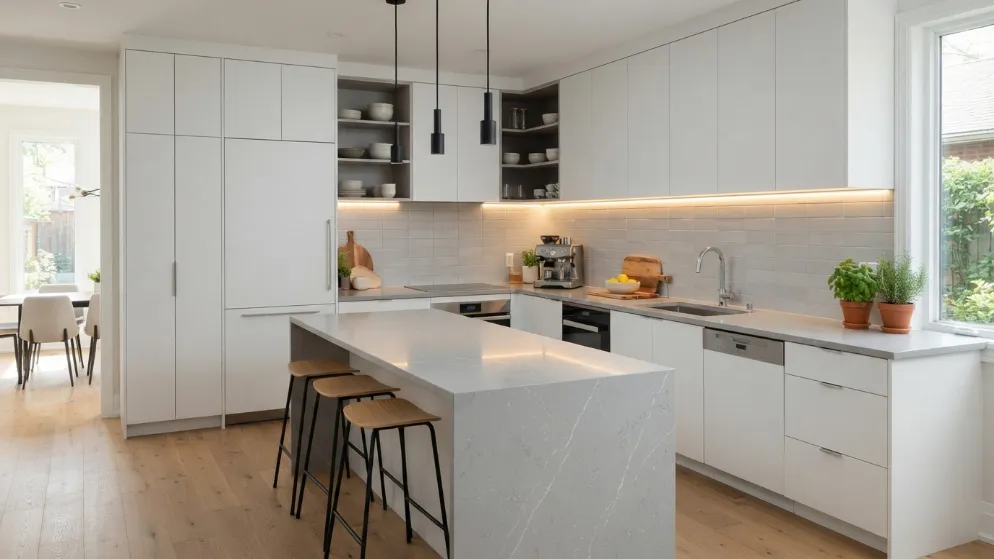
Neutral countertops unify the space and enhance a minimalist look. Light stone or quartz surfaces reflect light and create a sense of openness while keeping the design cohesive.
The simplicity of neutral countertops allows subtle textures or accents to shine, maintaining elegance without visual distraction. This approach ensures the kitchen feels orderly, bright, and effortlessly modern while remaining functional for everyday use.
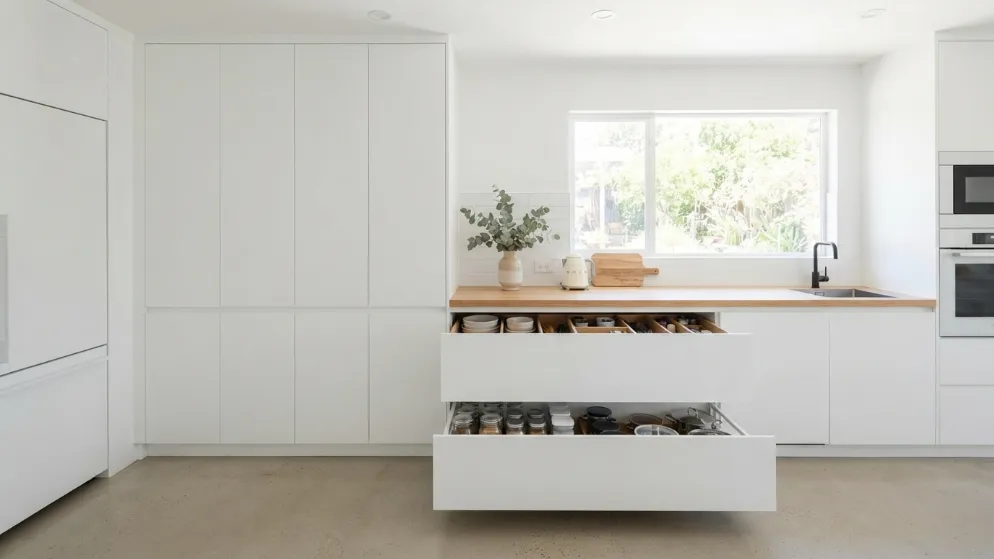
Hidden storage maintains the uncluttered aesthetic of a minimalist kitchen. Pull-out drawers, integrated pantry units, and concealed cabinets ensure essential items remain out of sight.
By keeping countertops clear, these solutions enhance both organization and style. The result is a clean, streamlined kitchen where function and design coexist seamlessly, embodying the essence of modern minimalism.
10. Sleek Metallic Fixtures
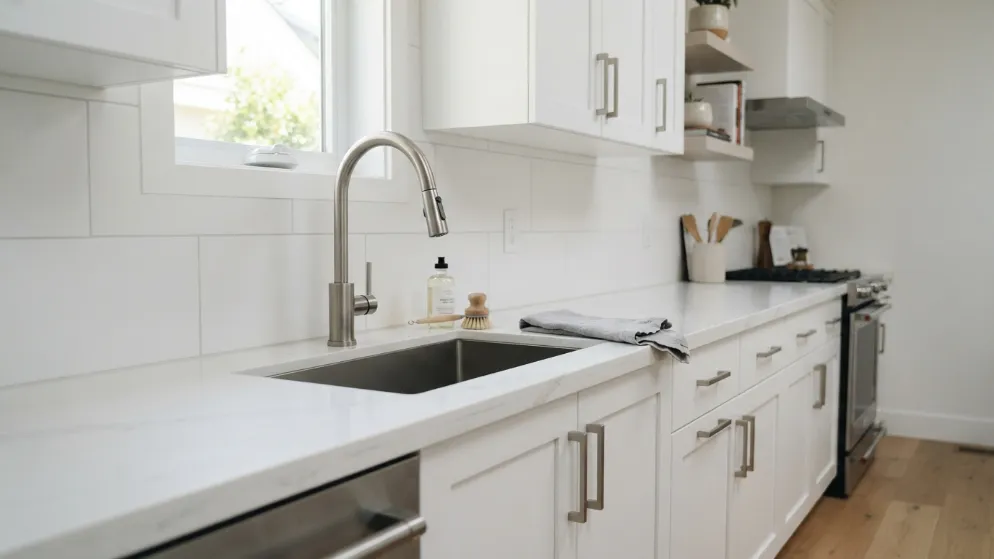
Minimalist metallic fixtures, like brushed steel faucets or subtle cabinet handles, add elegance without disrupting simplicity. They introduce refined details while preserving the clean lines of the kitchen.
These fixtures work with neutral palettes and handleless cabinetry to emphasize precision and style. The understated shine contributes to a polished, sophisticated look, enhancing the overall minimalist aesthetic.
11. Subtle Accent Colors
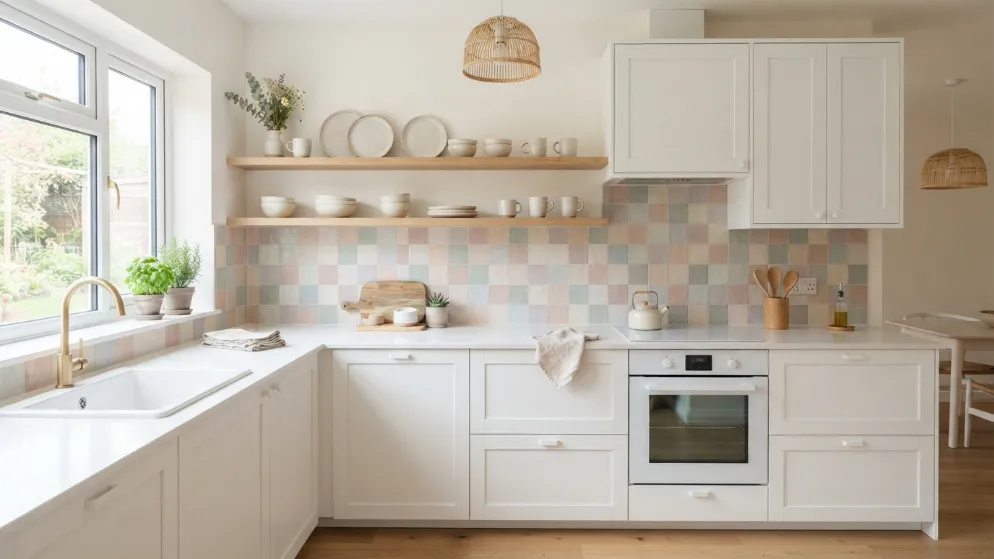
Introducing soft accent colors, like pastel backsplashes or muted décor, adds warmth and personality to a minimalist kitchen. These touches keep the design from feeling too sterile.
Accents can be applied sparingly to maintain a clean and airy look while providing visual interest. This careful balance ensures the kitchen remains modern, uncluttered, and stylish without sacrificing vibrancy or charm.
🛒 Shop This Look:
12. Concrete Countertops
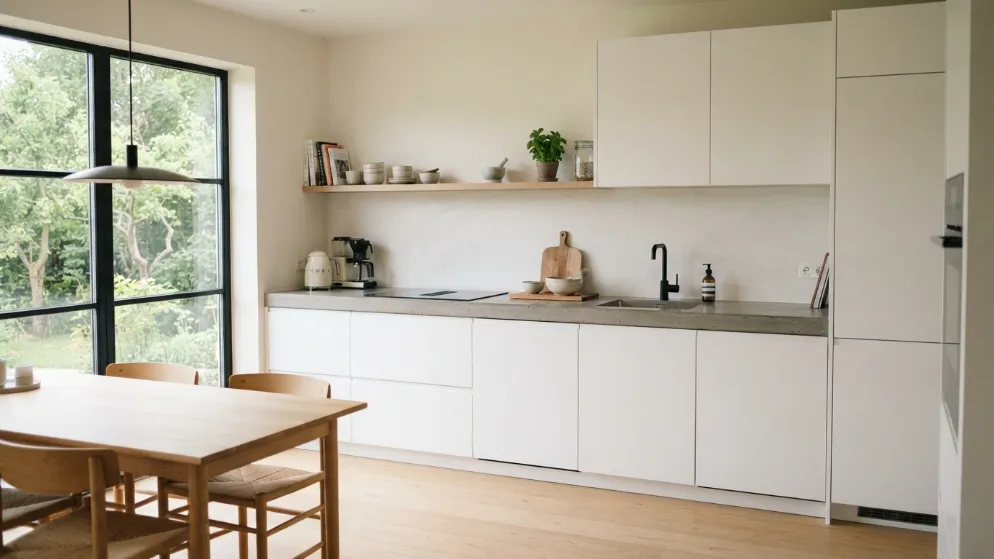
Concrete countertops add subtle texture and modern industrial appeal to minimalist kitchens. Their smooth, matte surface complements clean lines and neutral cabinetry while providing durability for daily use.
The slightly raw look of concrete creates contrast with sleek cabinets, maintaining a balance between minimalism and visual interest. Pairing it with light wood or subtle metallic accents ensures the kitchen feels warm, organized, and stylish without appearing cold or sterile.
13. White-on-White Palette
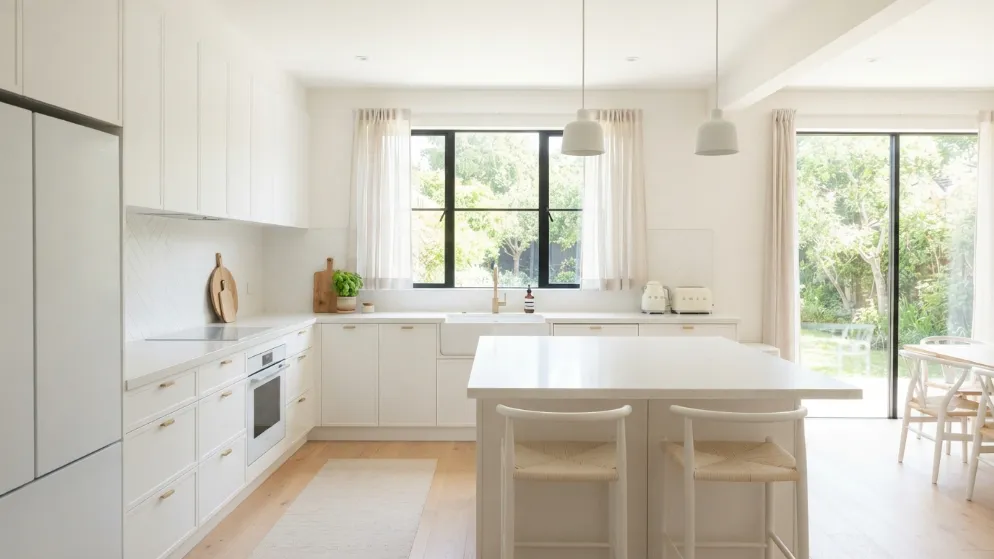
An all-white kitchen emphasizes space, light, and simplicity. Uniform surfaces and hidden appliances create a seamless, serene environment that feels airy and uncluttered.
Layering textures, such as matte cabinets with glossy backsplash tiles, adds depth while keeping the design minimalist. Small pops of greenery or natural wood accents provide warmth, making a monochromatic kitchen both functional and inviting.
14. Handleless Wooden Cabinets
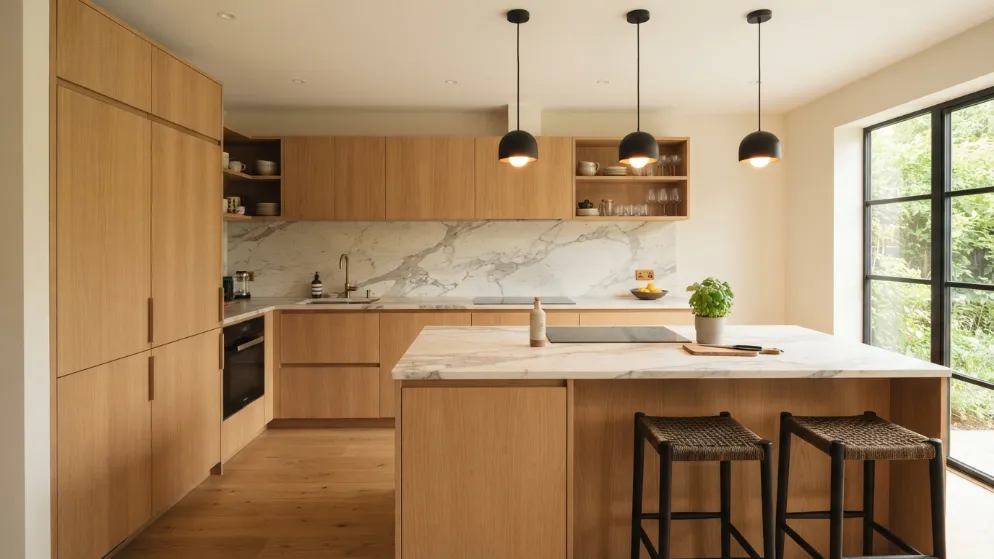
Wooden handleless cabinets combine natural warmth with minimalist simplicity. The smooth surfaces and subtle grain patterns add texture while preserving clean lines.
Pairing with neutral countertops and minimalist hardware keeps the focus on form and material. This approach results in a modern yet cozy kitchen that feels open, sophisticated, and free of visual clutter.
15. Minimalist Pendant Lighting
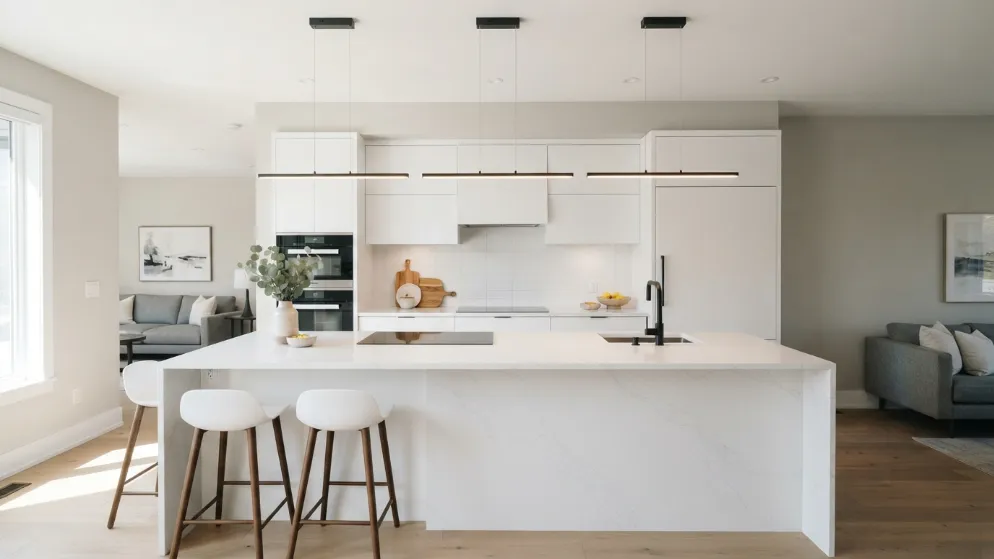
Minimalist lighting enhances the style and functionality of modern kitchens. Linear or geometric pendant lights draw attention to key areas like islands or workspaces while complementing the overall clean design.
Choosing simple shapes and neutral finishes ensures the lighting contributes to the aesthetic without overpowering the space. Strategically placed, it highlights countertops and cabinetry, creating depth and a refined ambiance in the minimalist kitchen.
16. Floating Kitchen Island
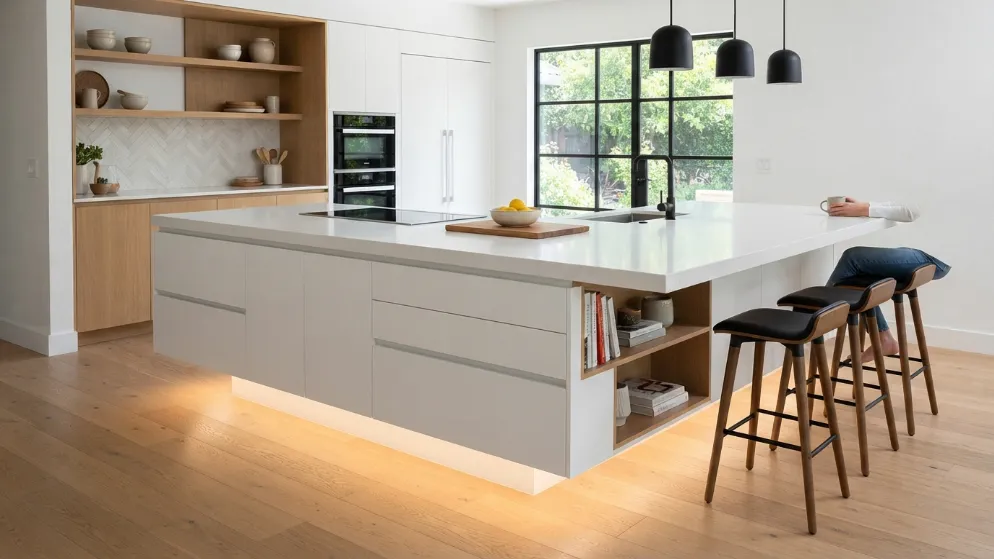
A floating kitchen island creates a sense of openness and lightness. By visually separating it from the floor or surrounding cabinetry, the kitchen feels more spacious and modern.
The design works well with handleless drawers and integrated appliances, keeping the minimalist aesthetic intact. The floating effect emphasizes clean lines, maximizing the feeling of airiness while maintaining full functionality.
17. Matte Finishes
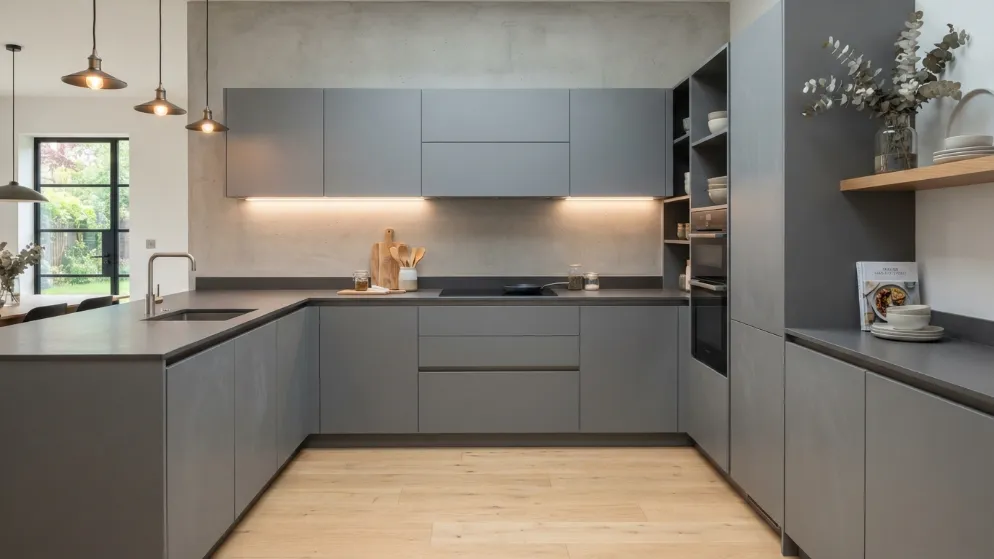
Matte finishes reduce glare and reflections, creating a sophisticated and understated look in minimalist kitchens. They enhance the clean, calm aesthetic while adding tactile appeal.
Pairing matte cabinetry with contrasting textures, like polished metal or wood accents, adds subtle visual interest. The result is a kitchen that feels harmonious, refined, and uncluttered, reinforcing the essence of minimalist modern design.
18. Neutral Backsplash
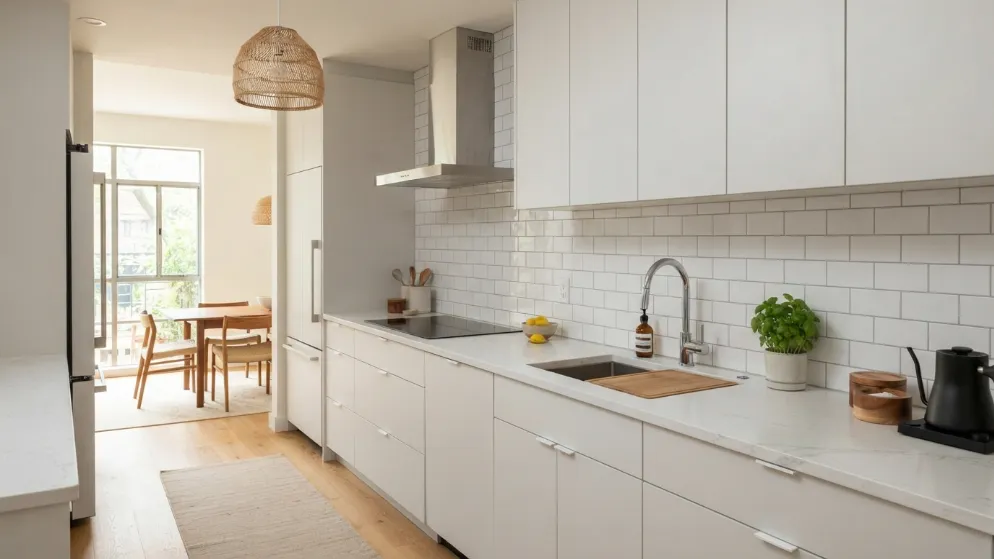
A neutral backsplash keeps the kitchen feeling light and cohesive. Simple tile patterns, muted colors, or subtle textures complement cabinetry without distracting from the overall clean design.
This approach maintains functionality while enhancing aesthetic harmony. The neutral backdrop allows countertops, islands, and décor accents to stand out, ensuring a balanced, stylish, and minimalist kitchen environment.
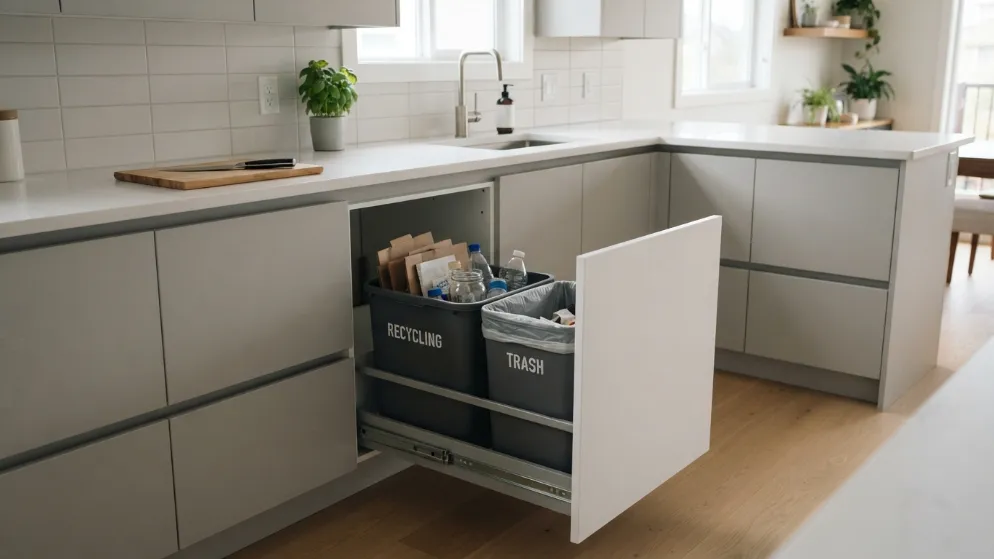
Concealing trash and recycling bins maintains the uncluttered appearance of a minimalist kitchen. Pull-out drawers keep essentials out of sight while preserving the smooth, uninterrupted lines of cabinetry.
This functional solution ensures the kitchen remains visually clean while still being highly practical. It reinforces minimalist principles by integrating everyday items seamlessly into the design, keeping the space organized and stylish.
20. Subtle Texture Layers
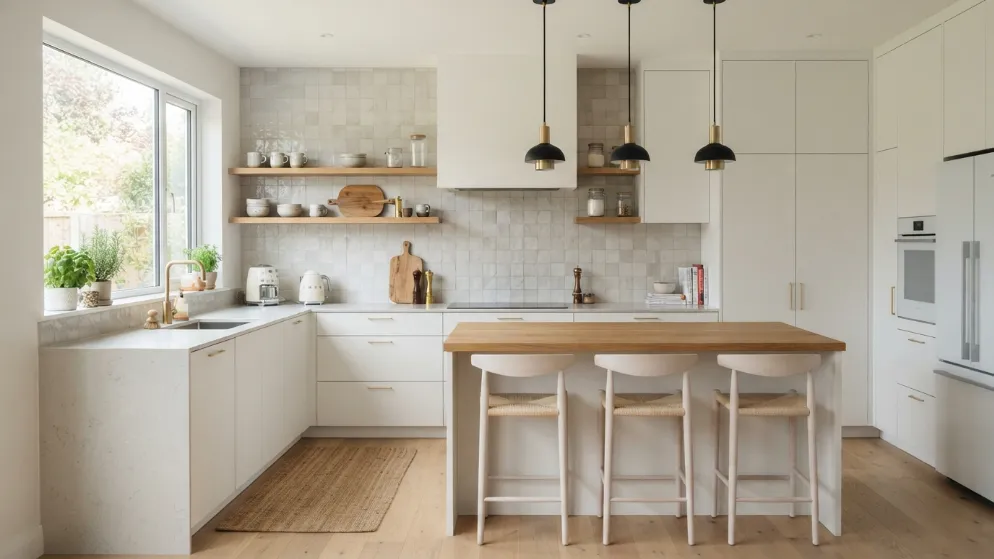
Layering subtle textures adds dimension to a minimalist kitchen without overwhelming simplicity. Combinations like matte cabinets, textured backsplashes, or natural wood surfaces create visual depth.
This design approach keeps the space clean and airy while introducing tactile interest. By thoughtfully combining textures, the kitchen maintains minimalism and elegance, ensuring it feels modern, balanced, and sophisticated.
🛒 Shop This Look:
21. Greenery Accents
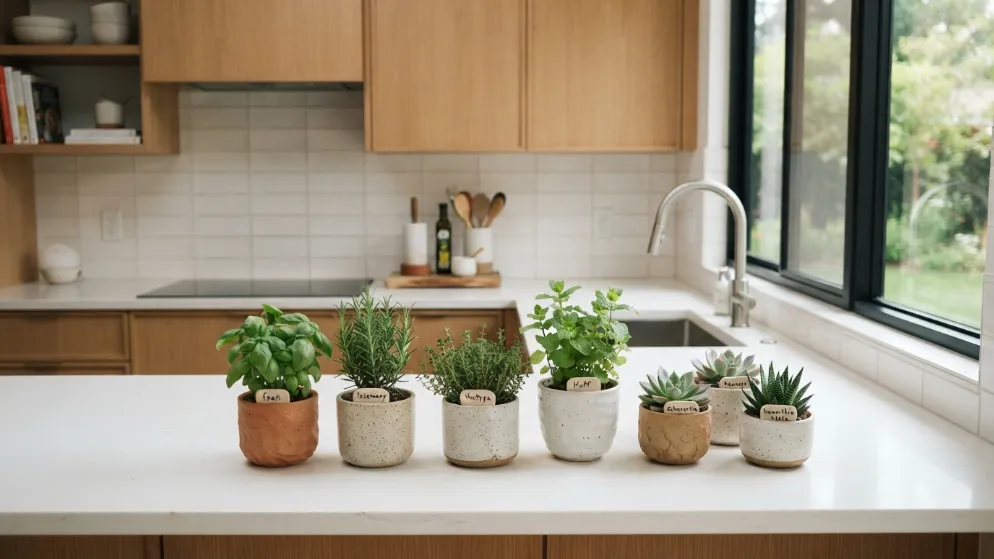
Introducing greenery brings life and softness to minimalist kitchens. Potted herbs or small plants add color, freshness, and organic warmth to an otherwise neutral space.
Greenery also reinforces functionality if using herbs for cooking, making the kitchen both practical and visually appealing. It’s a subtle yet effective way to personalize the space while preserving clean lines and a sleek, modern aesthetic.
Conclusion
Minimalist modern kitchens focus on simplicity, organization, and refined aesthetics.
By combining handleless cabinets, neutral palettes, integrated appliances, and carefully curated textures or accents, these kitchens achieve a clean, stylish, and functional design. Floating islands, hidden storage, subtle lighting, and natural materials all contribute to a balanced space that feels open, serene, and inviting.
Minimalism doesn’t mean cold or boring; it’s about thoughtful choices that highlight functionality and elegance. With these 21 ideas, you can create a kitchen that’s effortlessly modern, visually harmonious, and timelessly chic.
15 Essential Questions About Minimalist Modern Kitchen Design
1. What defines minimalist modern kitchen design, and how is it different from just “minimal”?
Minimalist modern combines clean lines and simplicity with contemporary functionality. It’s about intentional design, not just emptiness.
Minimal can feel cold and sparse. Minimalist modern feels warm, purposeful, and livable. Every element serves a function or brings genuine beauty.
The philosophy: own less, but own better. Quality over quantity creates sophistication without clutter.
2. What color palettes work best for minimalist modern kitchens?
Soft, neutral tones are your foundation: white, soft gray, warm beige, and pale gray.
Monochromatic palettes (varying shades of one color) feel cohesive and sophisticated. Add subtle depth with pale blue-gray or soft taupe.
Avoid multiple colors or patterns. Restraint and simplicity are the essence of minimalist modern.
3. How do I prevent a minimalist modern kitchen from feeling cold or sterile?
Warmth through materials prevents coldness. Wood elements, warm lighting, and natural textures soften stark minimalism.
A wood island, wooden open shelves, or butcher block countertops add organic warmth. Warm white lighting (2700K bulbs) is essential.
Quality materials matter. Real wood, natural stone, and premium finishes feel warm. Cheap materials feel cold and institutional.
4. What cabinet styles feel most minimalist modern?
Handleless cabinets with clean lines are the epitome of minimalist modern. No visible hardware, just sleek surfaces.
Matte or soft finishes feel more sophisticated than glossy. Simple frame-and-panel construction works beautifully.
Slab-front cabinets (completely flat, no details) embody minimalist principles. Avoid ornate details or carving.
5. Should cabinets be white, gray, or natural wood for minimalist modern?
Any work beautifully depending on preference. White feels clean and contemporary. Gray feels sophisticated and modern.
Natural wood (light or medium tones) adds warmth and organic character. Avoid very dark wood—it feels heavy.
The key: cohesive color choices throughout. Don’t mix multiple cabinet colors unless intentional.
6. What countertop materials work best for minimalist modern kitchens?
Quartz offers clean, seamless elegance in neutral tones. Marble in soft colors adds luxury.
Solid surface countertops (like Corian) create minimal, continuous lines. Concrete or dark granite offer contemporary options.
Avoid overly patterned or dramatic countertops. Quiet elegance is the minimalist modern approach.
7. How do I handle kitchen storage in minimalist modern without visible clutter?
Closed cabinetry is your friend. Everything has a home that’s hidden away.
Drawers work better than open shelving for minimalist modern (even one open shelf requires perfect styling).
Integrated appliances that blend with cabinetry hide visual noise. Smart storage solutions keep everything organized and invisible.
8. Can I use open shelving in a minimalist modern kitchen?
Only if you commit to perfect styling. Open shelves require constant curation and display only items you love.
In minimalist modern, less is more. A single shelf displaying five beautiful items beats shelves stuffed full.
If you can’t maintain impeccable styling, skip open shelving entirely. Closed storage keeps the aesthetic clean.
🛒 Shop This Look:
9. What backsplash options work for minimalist modern kitchens?
Subtle, monochromatic backsplashes feel most minimalist. White or light gray subway tile is perfect.
A continuous backsplash in the same color as your walls creates seamless simplicity. Matte finishes feel more minimalist than glossy.
Avoid patterns, bold colors, or statement backsplashes. They compete with the minimalist aesthetic.
10. How important is lighting in minimalist modern kitchens?
Critical. Minimalist modern depends on lighting to feel warm and inviting rather than stark.
Layer lighting: excellent overhead lights, under-cabinet task lighting, and pendant lights over the island. Warm white bulbs throughout.
Recessed lighting and integrated fixtures keep the ceiling clean. Avoid statement light fixtures—they add visual noise.
11. What’s the best approach to kitchen appliances in minimalist modern design?
Integrated or panel-ready appliances that blend seamlessly with cabinetry are ideal. They disappear visually.
Stainless steel works beautifully if that’s your only option. Matte finishes feel more minimalist than shiny.
Hidden or tucked-away appliances (like pocket doors for refrigerators) elevate minimalist modern aesthetic.
12. How do I incorporate necessary kitchen items without creating visual clutter?
Everything needs a home—hidden, organized, and out of sight. Drawer organizers keep utensils contained.
Remove items from counters completely or store in closed cabinets. A clear counter is the minimalist modern ideal.
One or two beautiful items on display (plant, cutting board, utensil holder) is acceptable. Random clutter is not.
13. Can I add personality to a minimalist modern kitchen without losing simplicity?
Yes. One or two carefully chosen elements add personality without chaos.
A single piece of artwork, a quality plant, or a beautiful cutting board displayed thoughtfully feels intentional.
Avoid multiple decorative items, plants, or accessories. Restraint is what makes minimalist modern feel designed, not cold.
14. Can I create a minimalist modern kitchen on a budget?
Absolutely. Minimalist principles actually favor budget approaches.
Paint cabinets ($300-600) instead of replacing them. Clean lines don’t require expensive custom cabinetry.
Invest in excellent lighting and quality basics. Skip trendy accessories—they’re temporary and unnecessary.
Simple, quality construction matters more than expensive materials.
15. What mistakes do people make with minimalist modern kitchens?
Going too stark. Minimalist modern still needs warmth. Add wood, plants, and warm lighting.
Neglecting storage. Poor organization creates hidden clutter. Excellent storage systems are essential.
Ignoring lighting. Bad lighting makes minimalist kitchens feel cold and uninviting. Prioritize warm, layered lighting.
Trying too hard. Minimalist modern should feel effortless. If it looks forced or staged, you’ve overdone it.
Ready to design your clean, stylish minimalist modern kitchen? Discover more contemporary kitchen inspiration and streamlined design strategies on our homepage. Explore how to create sophisticated spaces that prioritize quality and functionality. Visit homeisdecor.com and find comprehensive minimalist modern kitchen design ideas plus 20 more actionable concepts to create a clean, elegant space that combines contemporary style with timeless sophistication today.