
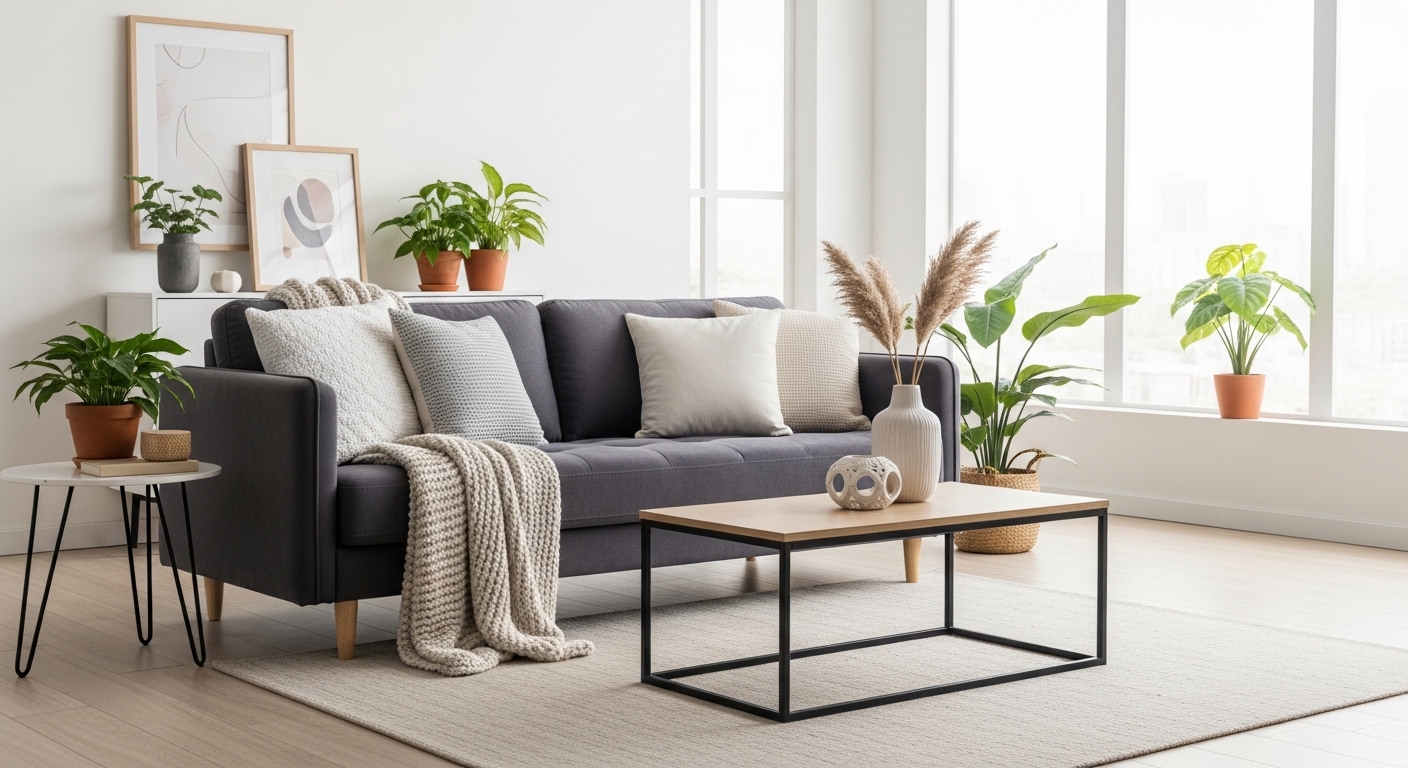
As an Amazon Associate, I earn from qualifying purchases. This means I may earn a commission if you purchase through links on this page — at no extra cost to you.
Every interior designer has a secret: when a client is paralyzed by choice, they suggest the grey couch. Not because it is boring — because it is the hardest-working piece of furniture you can own. Grey absorbs whatever you throw at it: jewel tones in winter, linen and rattan in summer, chaos from toddlers year-round.
Related: Laundry Room Wall Storage Ideas That Save Space Related: Best Brown and Cream Living Room Ideas Related: Living Room Rug Ideas That Instantly Transform Your Space
Explore more living room ideas for inspiration.
The myth is that grey is safe. The truth is that grey is a stage, and you are the director. Change the cushions and the whole play changes. These twenty-one rooms prove the point — same neutral foundation, twenty-one completely different moods, from gallery-minimal to maximalist-cozy.
1. Grey Couch with White and Minimal Decor
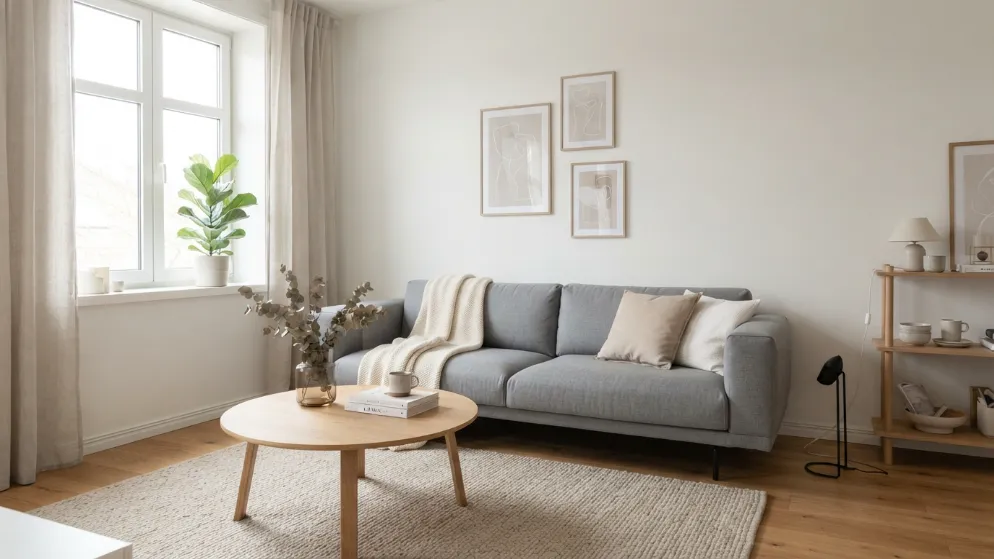
A grey couch paired with white decor creates a clean and breathable space that feels instantly modern. The simplicity of this combination allows natural light to bounce around the room, making it appear larger and more open. This setup works especially well in smaller living rooms where visual clutter can quickly become overwhelming.
To keep the room from feeling too plain, introduce subtle textures like linen cushions, soft throws, and a light area rug. Keep furniture sleek and minimal, focusing on function over excess decoration. The beauty of this style lies in its restraint—every piece should feel intentional rather than decorative filler.
2. Grey Couch with Warm Beige Layers
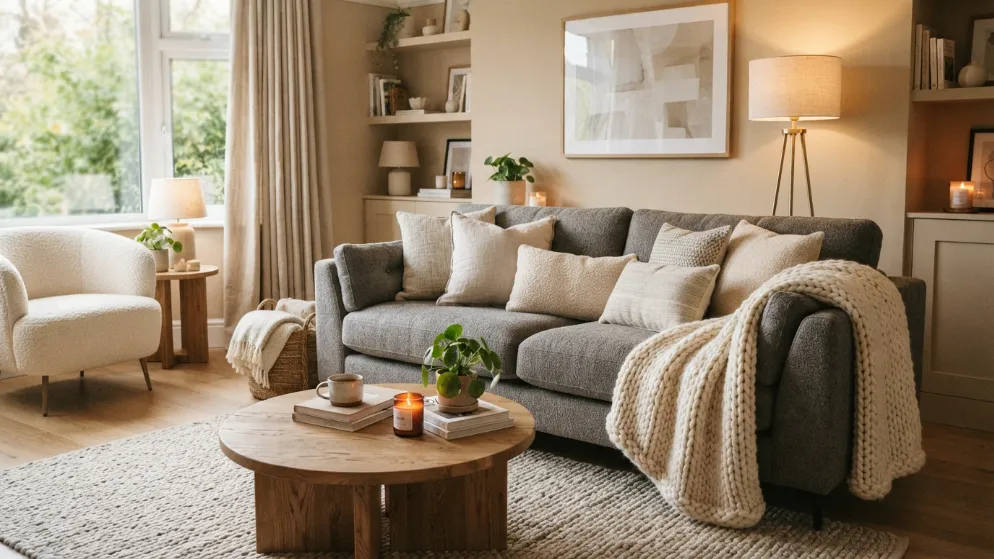
Pairing a grey couch with warm beige tones creates a comfortable and welcoming atmosphere that feels lived-in without being messy. The warmth of beige softens the coolness of grey, resulting in a balanced and harmonious look that works in both modern and traditional homes.
Layering is crucial here. Use multiple shades of beige in cushions, rugs, and curtains to add depth. Incorporate soft lighting and natural materials like wood to enhance the cozy vibe. This combination is practical and visually pleasing, making it ideal for everyday living spaces.
3. Grey Couch with Black Accents
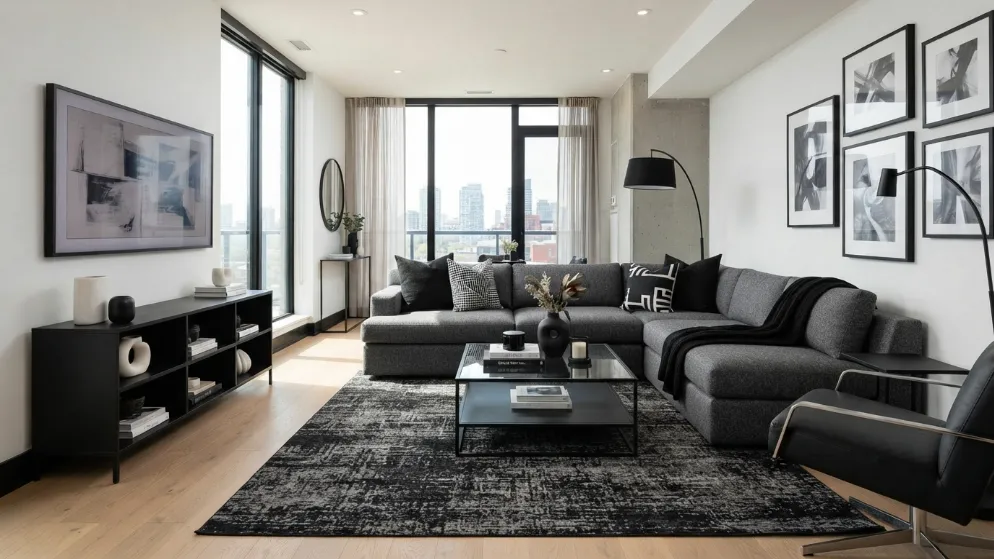
A grey couch combined with black accents creates a bold and structured look that feels modern and confident. The contrast between the two colors adds depth and gives the room a more defined and polished appearance.
To keep the space balanced, avoid overloading it with dark tones. Introduce lighter elements like white or metallic decor to break up the intensity. Use black in strategic areas such as frames, lighting fixtures, or a coffee table to create focal points without overwhelming the room.
4. Grey Couch with Soft Pastel Colors
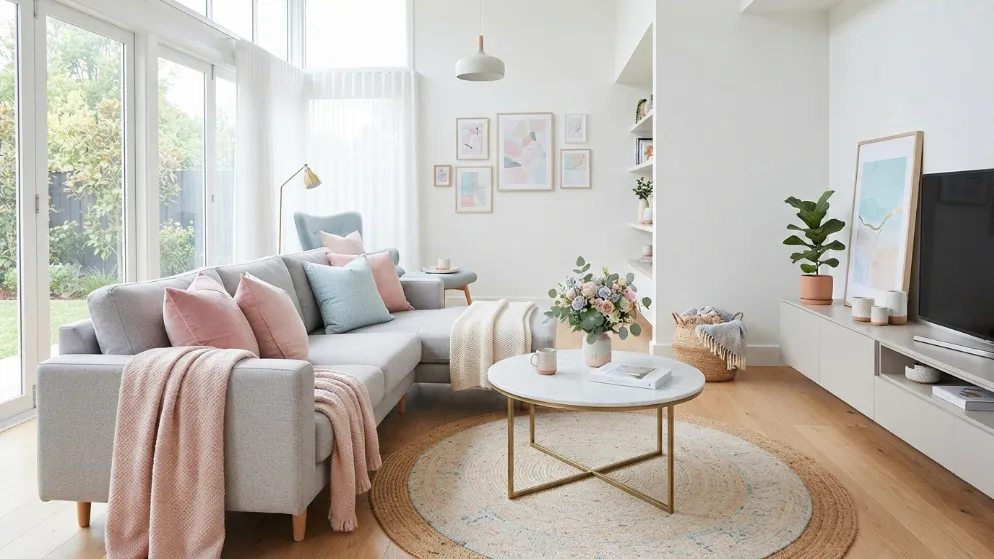
Soft pastels bring a fresh and slightly playful energy to a grey couch setup. Colors like blush pink, mint green, and baby blue add personality without clashing with the neutral base, making the space feel light and inviting.
The key is moderation. Stick to a limited pastel palette and let the grey couch ground the look. Add light fabrics and airy curtains to enhance the softness. This approach works particularly well in spaces where you want a gentle, calming atmosphere without going completely neutral.
5. Grey Couch with Industrial Style

A grey couch fits naturally into industrial interiors where raw materials and bold textures dominate. Paired with exposed brick, metal accents, and darker tones, it helps create a cohesive and edgy environment.
To avoid making the room feel too harsh, incorporate softer elements like a textured rug or comfortable cushions. Balance is essential—while industrial style embraces rough finishes, the space should still feel livable and not overly cold or rigid.
6. Grey Couch with Wooden Elements
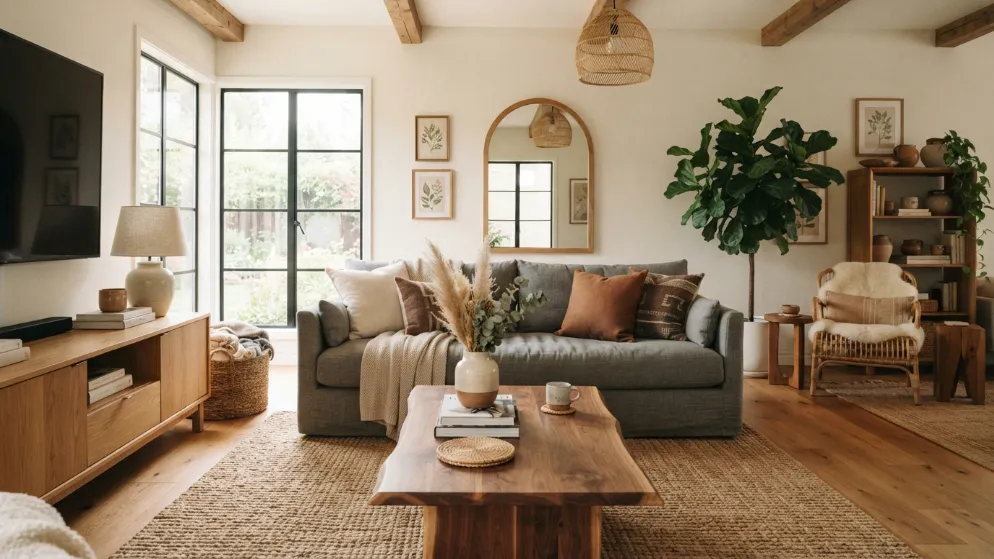
Combining a grey couch with wooden elements creates a grounded and balanced space that feels both modern and natural. The warmth of wood contrasts beautifully with the cool tone of grey, resulting in a harmonious and inviting setup.
Use wooden coffee tables, shelves, or side tables to add texture and warmth. Earthy tones like tan, olive, and rust work well in this combination. The goal is to create a space that feels connected to nature while maintaining a clean and contemporary look.
7. Grey Couch with Statement Rug
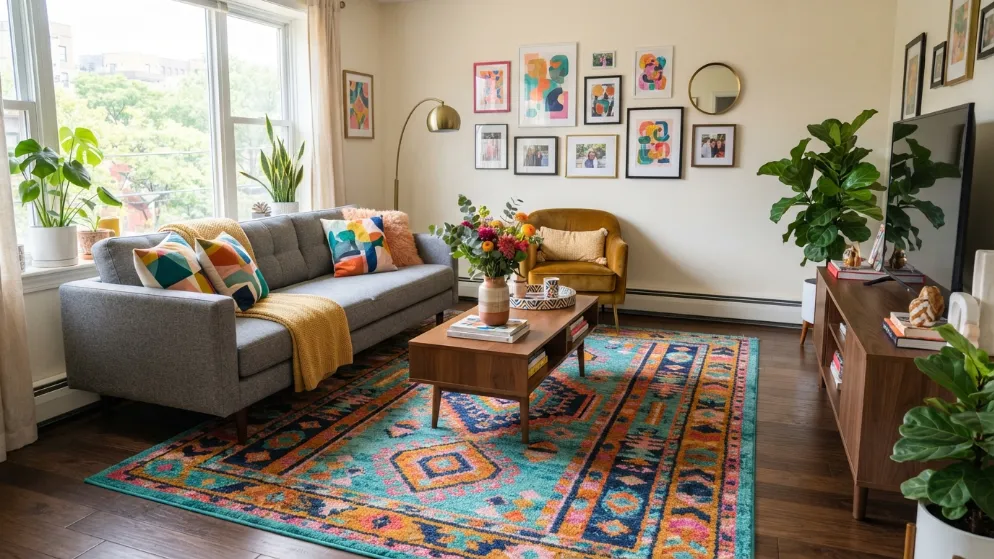
A statement rug can completely transform the look of a grey couch, adding color, pattern, and personality. Since the couch is neutral, it allows bold designs to stand out without overwhelming the room.
Choose a rug that reflects your style, whether it’s geometric, abstract, or traditional. Keep other elements more subdued so the rug becomes the focal point. This approach makes the space feel dynamic and visually interesting without requiring major changes.
8. Grey Couch with Floor-to-Ceiling Curtains
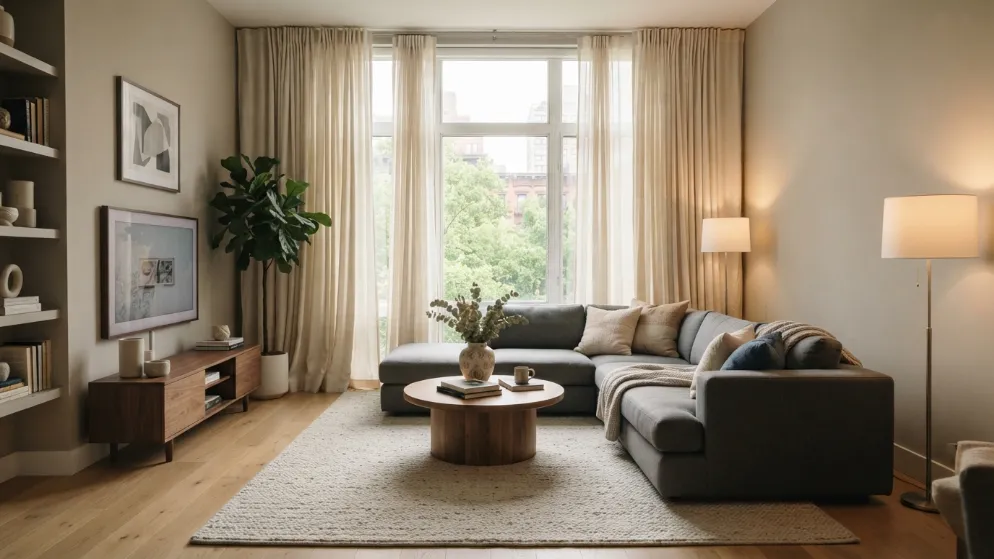
Floor-to-ceiling curtains add height and elegance to a living room with a grey couch. They create a sense of scale that makes the room feel more luxurious and well-designed.
Opt for neutral or slightly textured fabrics to maintain cohesion. The curtains should complement the couch rather than compete with it. This setup works especially well in rooms with high ceilings or large windows, enhancing the overall aesthetic.
9. Grey Couch with Metallic Accents
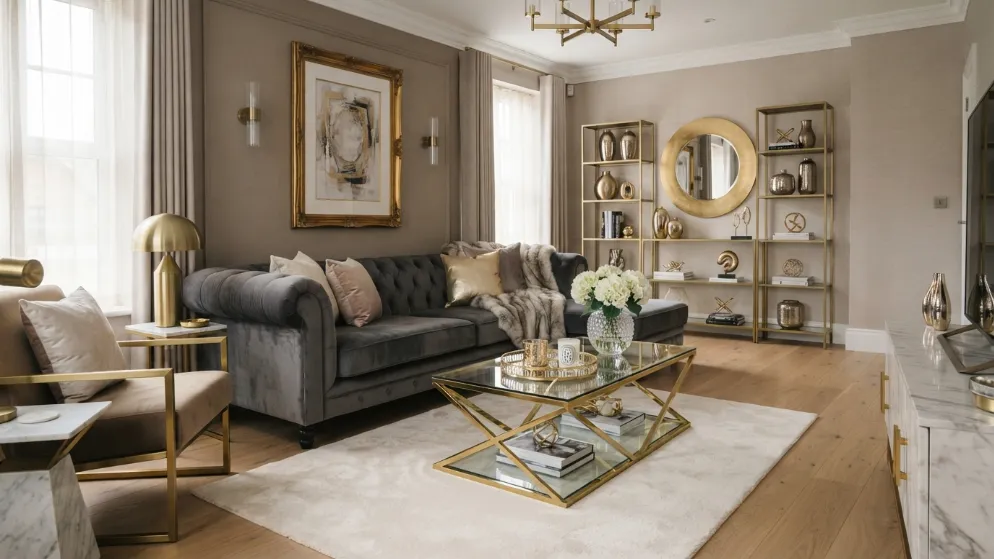
Metallic accents elevate a grey couch by adding a touch of shine and sophistication. Gold, brass, or chrome details create contrast and bring a sense of refinement to the space.
Use metallic elements sparingly through lighting fixtures, trays, or decorative objects. Keep the base palette neutral to let these accents stand out. The result is a modern, polished look that feels upscale without being excessive.
10. Grey Couch with Green Plants
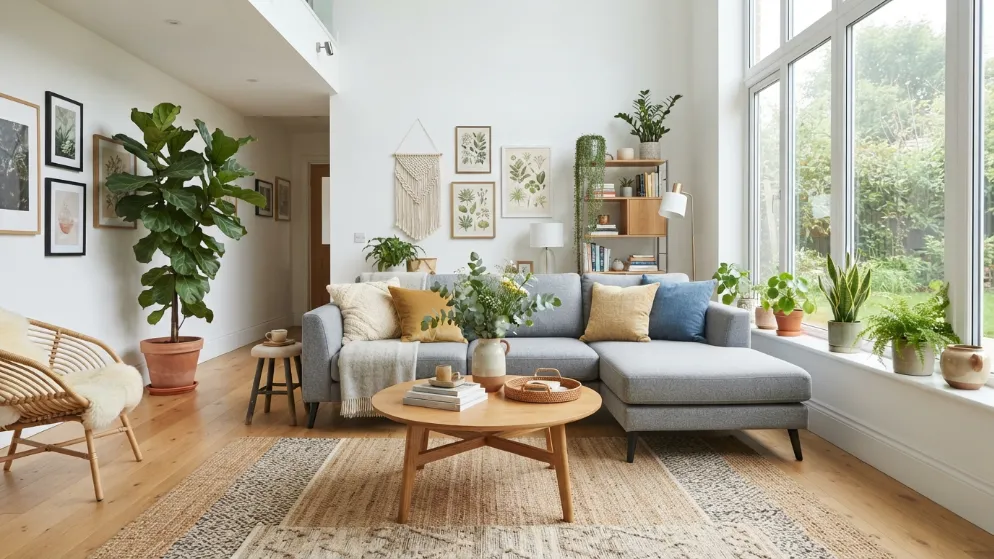
Indoor plants add life and vibrancy to a grey couch setup, creating a refreshing contrast against the neutral tones. The greenery softens the overall look and makes the space feel more inviting.
Use a mix of plant sizes to create visual interest. Position them near windows or corners to enhance the layout. This combination feels natural and timeless, making it suitable for almost any living room style.
11. Grey Couch with Blue Color Scheme
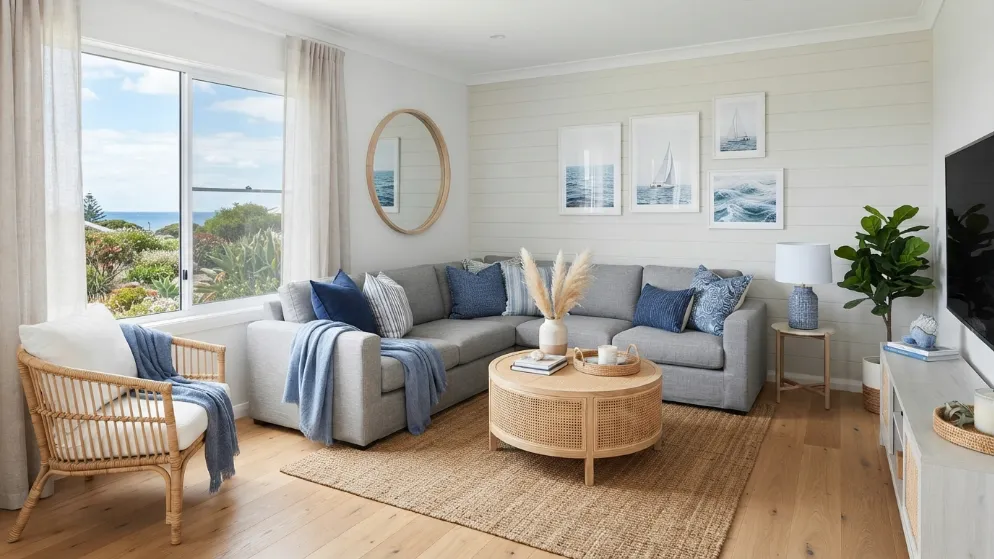
Grey and blue create a calm and cohesive color palette that works beautifully in living rooms. The cool tones complement each other, resulting in a serene and balanced environment.
Incorporate different shades of blue through cushions, throws, or artwork. Adding white elements can brighten the space and prevent it from feeling too dark. This combination is ideal for a relaxed yet stylish look.
🛒 Shop This Look:
12. Grey Couch with Layered Textures
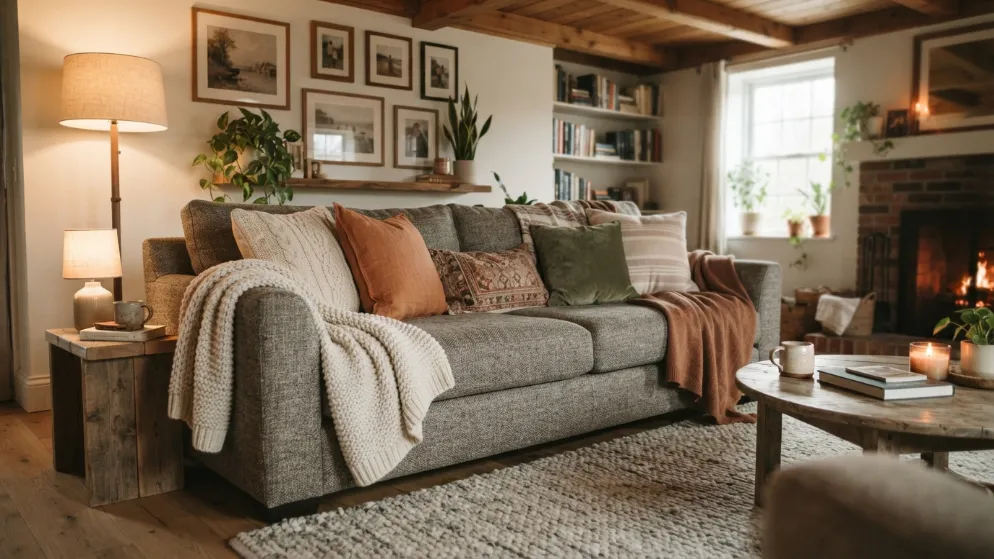
Layering textures around a grey couch adds depth and warmth, preventing the space from feeling flat. Mixing materials like wool, cotton, and velvet creates a rich and inviting atmosphere.
Focus on variety rather than color. Even within a neutral palette, different textures can make a big impact. This approach is practical and visually appealing, making the living room feel comfortable and thoughtfully designed.
13. Grey Couch with Abstract Art
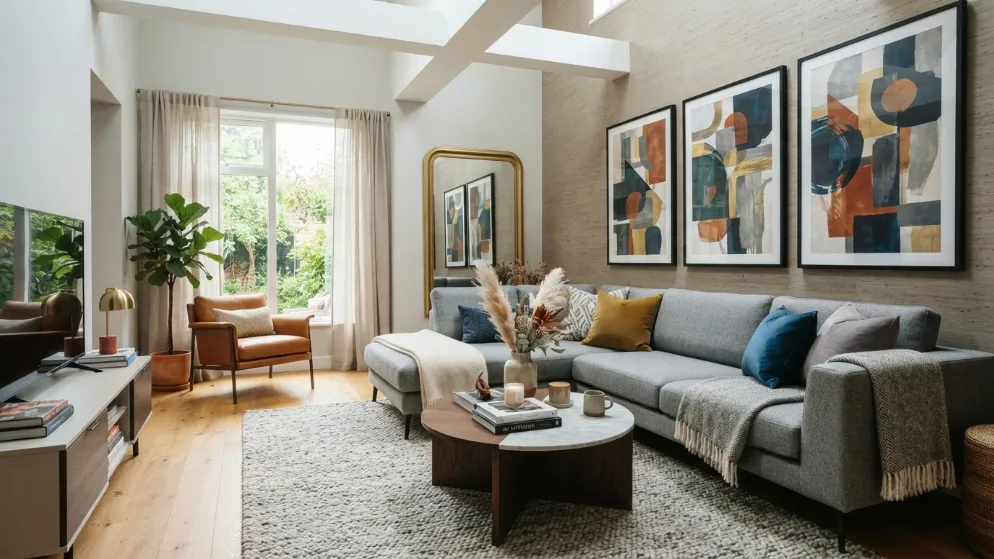
Abstract art adds personality and visual interest to a grey couch setup. The neutral base allows bold artwork to stand out without clashing.
Choose pieces that reflect your style and color preferences. Keep surrounding decor minimal to let the artwork take center stage. This creates a balanced yet expressive living room.
14. Grey Couch with Open Concept Layout
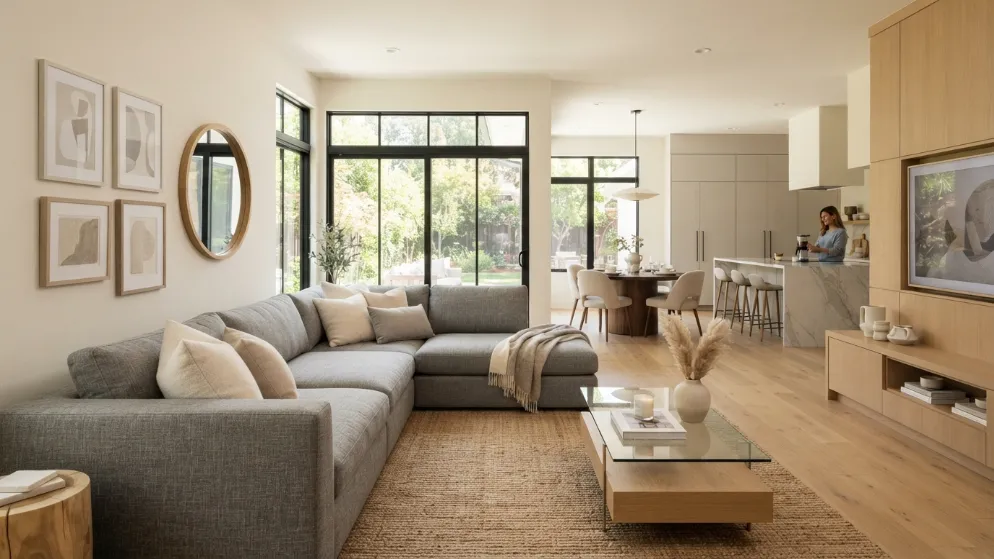
In open-concept spaces, a grey couch helps maintain visual continuity. Its neutral tone allows it to blend seamlessly with different areas like dining or kitchen spaces.
Use rugs or furniture placement to define zones without disrupting the flow. Keep the color palette consistent throughout to create a cohesive look. This approach ensures the space feels organized and connected.
15. Grey Couch with Bold Accent Chair
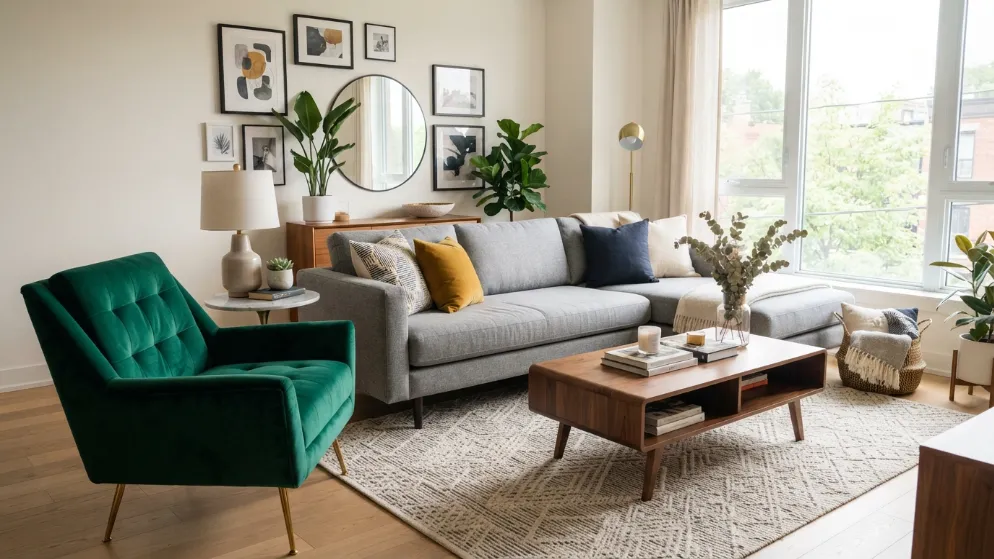
Adding a bold accent chair next to a grey couch introduces contrast and personality. It becomes a focal point that draws attention without overpowering the room.
Choose a color that complements the overall palette while standing out. Keep other elements balanced so the chair feels intentional rather than random. This setup adds visual interest with minimal effort.
16. Grey Couch with Neutral Layering
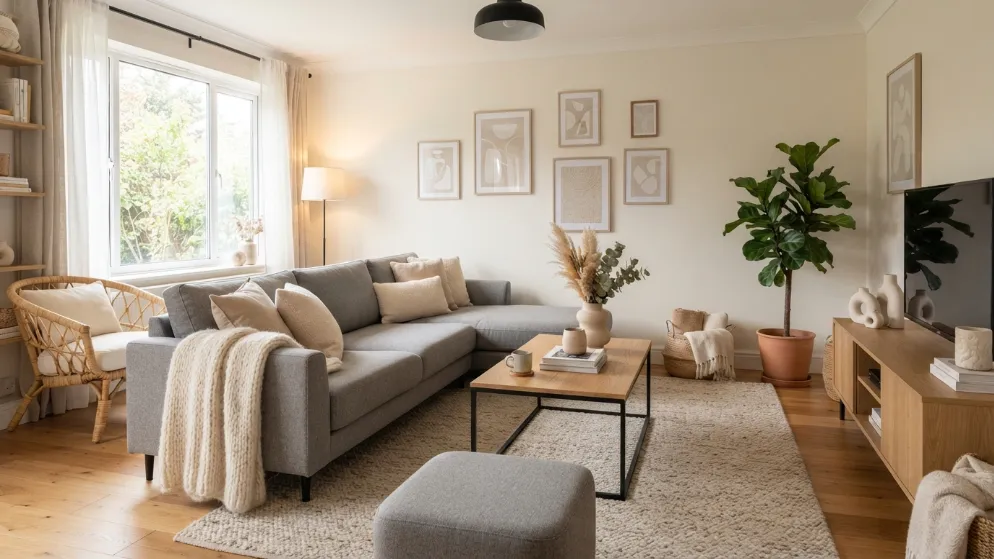
Layering neutral tones around a grey couch creates a soft and cohesive look. Shades like Dark Moodype, and beige add warmth while maintaining a clean aesthetic.
Focus on combining textures and subtle variations in color to avoid a flat appearance. This approach creates a calm and inviting living room that feels modern yet comfortable.
17. Grey Couch with Glass Elements
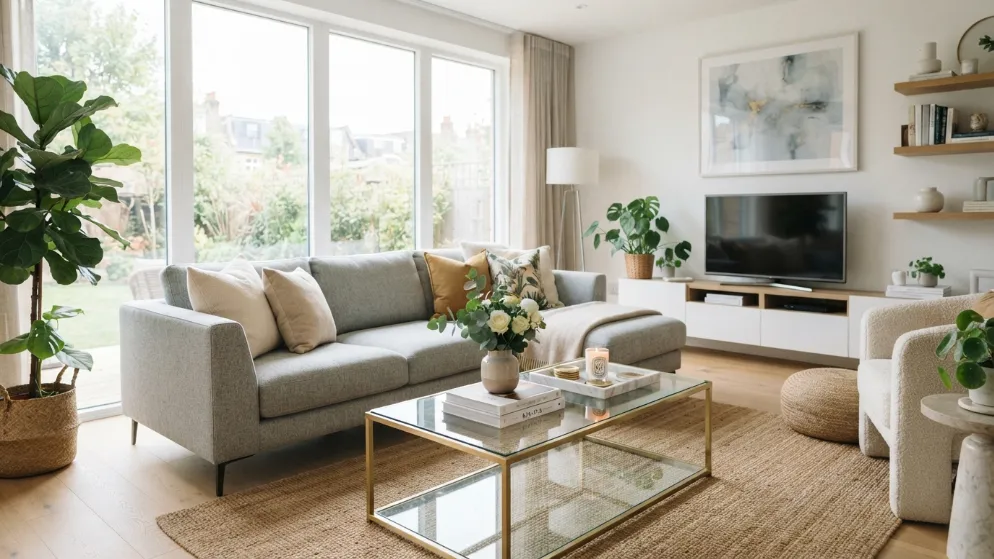
Glass elements add lightness to a grey couch setup, making the room feel more open and less cluttered. They reflect light and create a sense of space.
Use glass coffee tables or decor pieces to enhance the modern look. Keep the rest of the design simple to maintain balance. This style works well in smaller spaces where visual openness is important.
18. Grey Couch with Dark Moody Walls
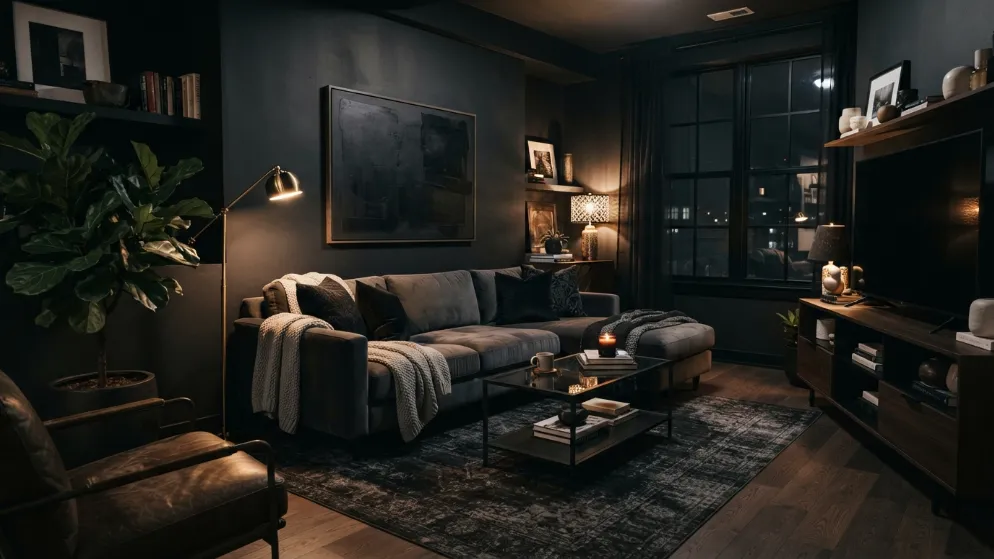
Pairing a grey couch with dark walls creates a dramatic and sophisticated atmosphere. The contrast adds depth and makes the space feel more intimate.
Balance the darkness with proper lighting and lighter accents. Use textures and metallics to add dimension. This style is bold but can be incredibly stylish when done correctly.
19. Grey Couch with Patterned Cushions
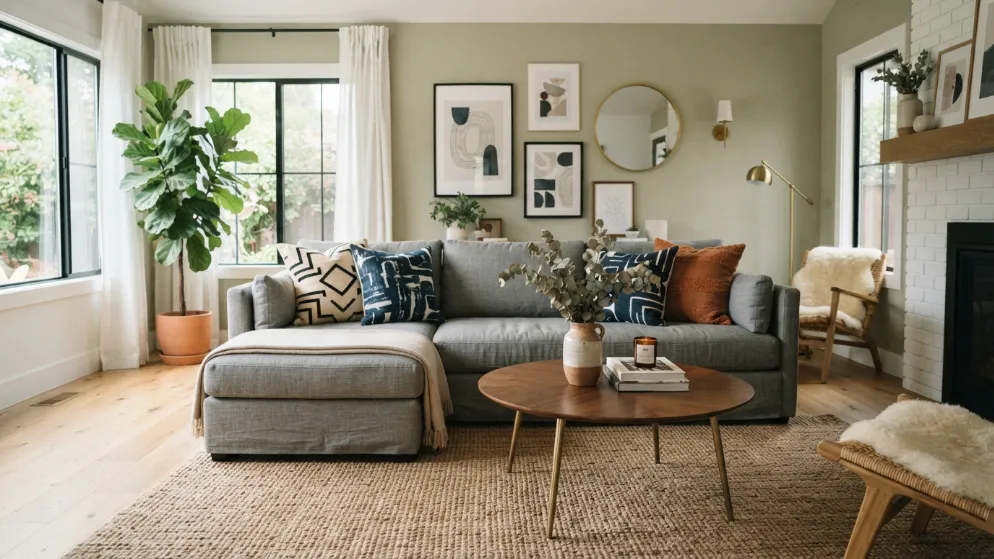
Patterned cushions are an easy way to add interest to a grey couch without making major changes. They introduce color and texture in a subtle yet effective way.
Mix patterns carefully to avoid visual chaos. Stick to a cohesive color palette and vary the scale of patterns. This approach keeps the design balanced and stylish.
20. Grey Couch with Minimalist Decor
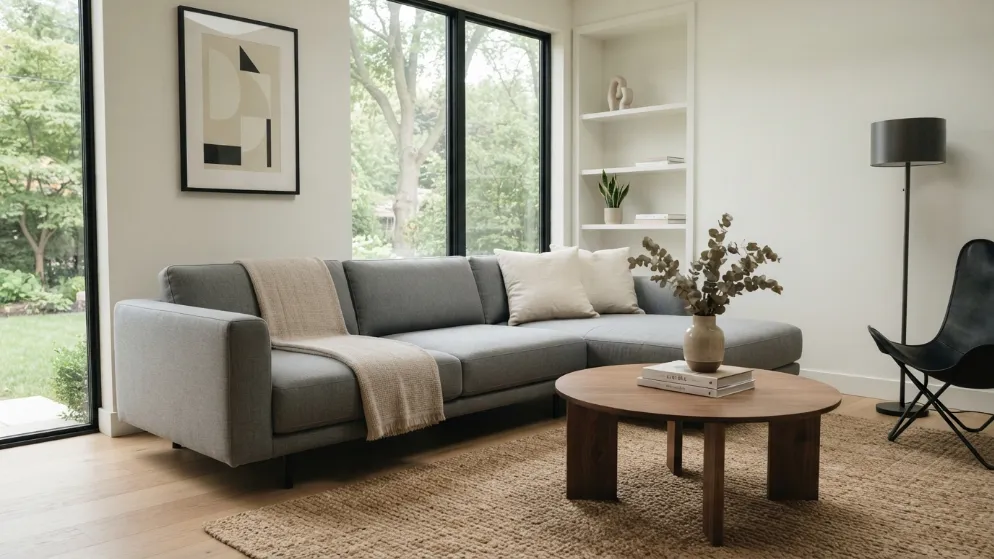
A minimalist approach with a grey couch focuses on simplicity and function. Clean lines and uncluttered spaces create a calm and organized environment.
Limit decor to essential pieces and choose quality over quantity. This style emphasizes intentional design and works well for those who prefer a clean, modern look.
🛒 Shop This Look:
21. Grey Couch with Artistic Statement Pieces
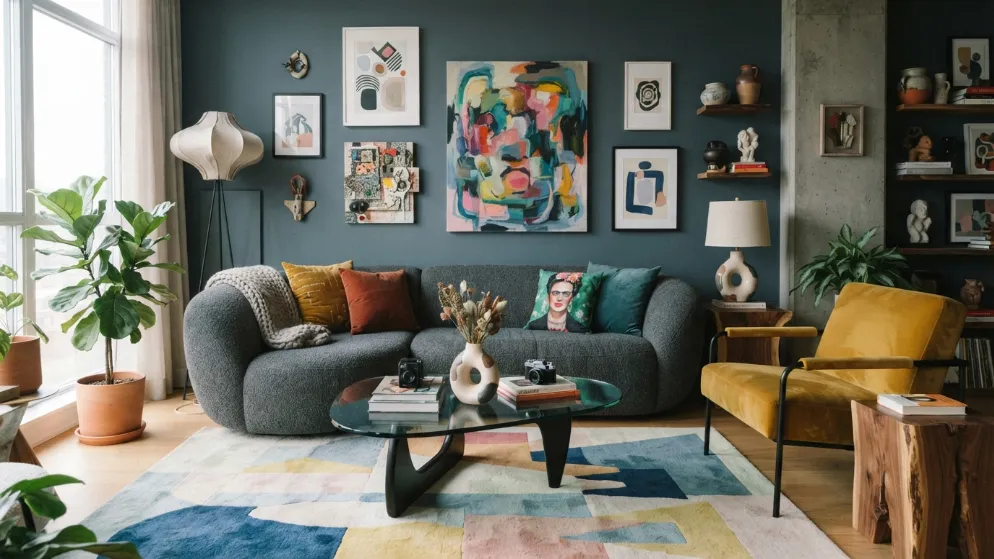
Using artistic statement pieces around a grey couch allows you to express creativity while maintaining a neutral base. The couch acts as a backdrop for more expressive elements.
Choose bold furniture, sculptures, or decor that reflect your personality. Keep the overall layout balanced to avoid clutter. This creates a living room that feels both stylish and unique.
Conclusion
A grey couch works because it doesn’t try too hard—it gives you a stable base that you can push in any direction. Whether you lean toward warm, cozy layering or sharp, modern contrast, the couch adapts instead of limiting you. That’s the real advantage: you’re not locked into one style. You can refresh the entire look of your living room just by changing cushions, rugs, lighting, or accent pieces without replacing your main furniture.
If you get the balance right—mixing texture, contrast, and a clear color direction—a grey couch will never look boring. Most people fail because they keep everything in the same tone, which makes the space feel flat. Break that pattern. Add depth, introduce variation, and be intentional with every piece. Done properly, a grey couch doesn’t just “work”—it consistently looks sharp, modern, and put-together without needing constant redesign.
15 Essential Questions About Grey Couch Living Room Design
1. What makes grey couches so versatile and timeless for living rooms?
Grey is the ultimate neutral backdrop. It pairs beautifully with virtually any color, style, or aesthetic without competing or dating.
Unlike trendy couch colors that feel dated in five years, grey works decade after decade. It’s sophisticated, practical, and endlessly adaptable.
A grey couch lets everything else shine—your décor, accessories, and personal style become the focal points.
2. What shade of grey works best for a living room couch?
Warm grey (with subtle brown or taupe undertones) feels inviting and sophisticated. It works with almost everything.
Cool grey (with blue or silver undertones) feels more contemporary but requires careful color coordination.
Medium grey is most versatile—not so light it shows dirt, not so dark it feels heavy. Test swatches in your actual lighting.
3. How do I prevent a grey couch from looking boring or bland?
Styling and layering prevent blandness. Throw pillows in various textures, colors, and patterns add personality without changing the couch.
Quality upholstery matters—soft, luxurious fabric feels more intentional than cheap material. Texture and finish elevate the couch itself.
Accessories, artwork, plants, and strategic lighting transform a grey couch from basic to beautiful.
4. What color accent pillows work best with a grey couch?
Virtually any color works—grey is neutral enough to pair with everything. Warm tones (terracotta, mustard, blush) feel cozy.
Cool tones (soft blue, sage, lavender) feel sophisticated. Bold colors create drama; muted colors feel understated elegance.
Mix textures and patterns: velvet with linen, solid with geometric, different sizes for visual interest. Consistency in color family prevents clashing.
5. Should throw pillows be symmetrical or asymmetrical on a grey couch?
Both work depending on your aesthetic. Symmetrical arrangements (matching pairs) feel formal and traditional.
Asymmetrical styling (varied sizes and colors) feels contemporary and curated. This is more interesting visually.
The key: intentionality. Random placement looks chaotic. Planned arrangements—whether symmetrical or asymmetrical—look designed.
6. What throws and blankets pair well with a grey couch?
Soft, quality textiles add warmth and coziness. Cashmere, wool, or linen throws feel luxurious.
Neutral throws (cream, soft gray, warm taupe) feel cohesive. Colored throws (mustard, terracotta, soft blue) add personality.
Drape throws intentionally—bunched in corners, folded over the back, or casually draped. Styling matters as much as the textile itself.
7. How do I incorporate color with a grey couch without overwhelming the space?
Strategic color placement prevents overwhelming. Use accent colors through pillows, throws, artwork, and accessories—not additional large furniture.
A colorful rug anchors the couch area beautifully. Artwork adds color at eye level. Plants bring natural color subtly.
The couch remains neutral. Everything else adds personality without competing.
8. What wall colors complement a grey couch?
Soft white or cream feels fresh and balanced. Warm beige or soft taupe coordinate harmoniously.
Pale blue-gray or soft sage work beautifully. Warm neutrals keep the focus on your grey couch.
Avoid bold or dark walls that compete. Let the couch anchor the room’s color story.
🛒 Shop This Look:
9. How do I style a grey couch in different living room styles?
Modern: minimal pillows, clean lines, bold accent colors, sleek accessories.
Traditional: patterned pillows, layered textures, warm colors, classic furniture pairings.
Scandinavian: light grey, natural materials, minimal styling, plants, warm lighting.
Industrial: dark grey, metal accents, concrete elements, bold artwork.
Eclectic: mixed patterns, varied colors, collected objects, personality-driven styling.
10. What coffee table styles work best with a grey couch?
Wood coffee tables (warm tones) add organic character. Glass or metal tables feel contemporary.
Upholstered ottomans double as seating and styling surfaces. Marble or stone tops add luxury.
Scale matters: large couches need substantial tables. Small couches work with delicate tables. Proportion creates balance.
11. How does lighting affect a grey couch living room?
Warm white lighting (2700K bulbs) showcases grey beautifully and creates cozy ambiance.
Layer lighting: overhead, table lamps, floor lamps, and accent lighting. This prevents the room from feeling flat or one-dimensional.
Dimmable switches add flexibility. Poor lighting makes even beautiful grey couches look dull.
12. What accessories on and around a grey couch create visual interest?
Books stacked on the coffee table add height and personality. Plants bring life and organic warmth.
Artwork above or beside the couch anchors the seating area. A gallery wall works beautifully behind grey couches.
Decorative objects, candles, and meaningful items on side tables add character without clutter.
13. Can a grey couch work in small living rooms?
Absolutely. Grey recedes visually, making spaces feel larger than dark-colored couches.
Lighter shades of grey maximize the spacious feeling. Avoid bulky sectionals in tiny rooms.
Grey’s neutrality lets small spaces feel bigger because it doesn’t compete for visual attention.
14. How do I incorporate different textures with a grey couch?
Layering textures prevents sameness. Combine soft (velvet pillows), woven (jute rug), smooth (leather ottoman), and rough (linen throw).
Mixing textures adds visual interest and tactile appeal. Run your hand across your styling—it should feel as good as it looks.
Quality textures (real wool, linen, leather) feel more luxurious than cheap alternatives.
15. What mistakes do people make when styling grey couches?
Too many pillows. Overcrowding the couch makes it look cluttered. Less is more—5-7 pillows maximum.
Clashing colors and patterns. Coordinate your accent colors and ensure patterns work together. Chaos destroys sophistication.
Neglecting maintenance. Grey shows dirt and pet hair. Regular vacuuming and spot cleaning keep it looking fresh.
Ignoring the couch’s best features. Quality upholstery, beautiful lines, and good construction deserve to be showcased. Style it to highlight these assets.
Ready to style your grey couch beautifully? Discover more living room inspiration and design strategies on our homepage. Explore how to create stunning spaces that work with any aesthetic or color palette. Visit homeisdecor.com and find comprehensive grey couch living room ideas plus 20 more actionable concepts to create a sophisticated, stylish living room that always looks amazing and works perfectly for real life today.