
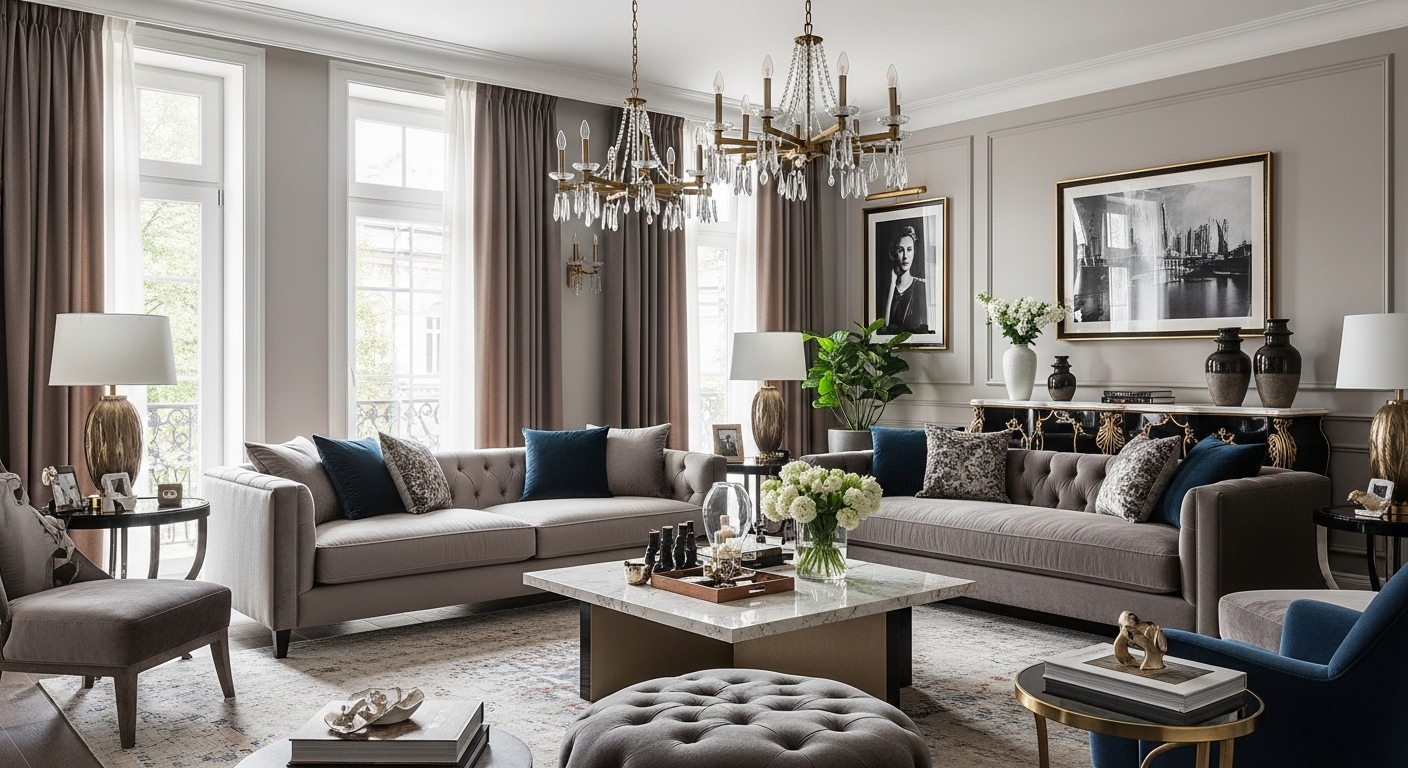
As an Amazon Associate, I earn from qualifying purchases. This means I may earn a commission if you purchase through links on this page — at no extra cost to you.
Sprezzatura — the Italian art of studied nonchalance, of making the difficult look effortless. It is the whole philosophy of the Italian living room in a single word. Nothing here is accidental, but nothing looks tried either. The velvet sofa is the perfect shade of cognac because someone spent weeks finding it, and then they threw a linen throw over it like it was nothing.
Related: Living Room Paint Colors That Instantly Refresh Your Spac Related: Yellow Couch Living Room Ideas That Brighten Any Room Related: Swedish Living Room Ideas That Feel Minimal and Cozy
Explore more living room ideas for inspiration.
That tension is what separates Italian rooms from merely expensive ones. Marble next to raw plaster. A Murano chandelier over a battered farmhouse table. Fourteen rooms below, each one balancing polish and ease differently — and each one proving that true luxury whispers.
1. Plush Upholstered Sofas
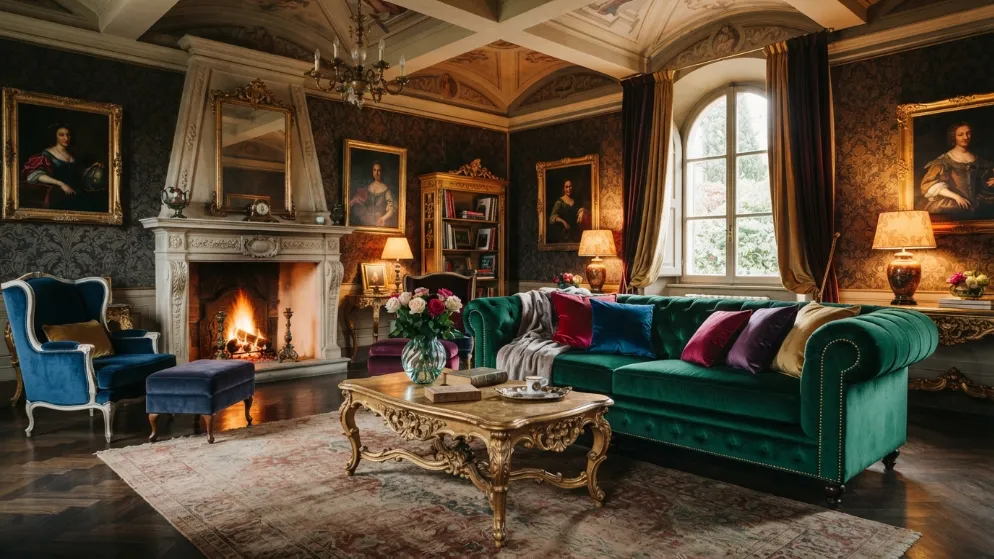
A plush upholstered sofa in velvet or high-quality fabric instantly elevates the living room. Jewel tones such as emerald, sapphire, or deep burgundy bring depth and sophistication to the space.
Pair the sofa with neutral walls and polished wood or marble flooring to let it stand out as a centerpiece. Layered cushions or a soft throw can add warmth, ensuring the sofa is not only visually striking but also comfortable for everyday use.
2. Marble Coffee Tables
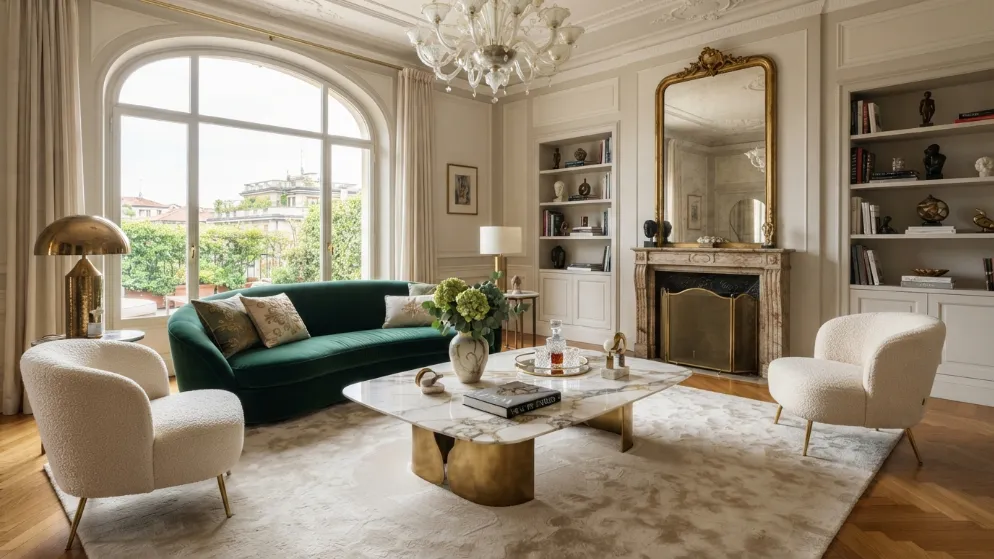
A marble coffee table adds an immediate sense of luxury and refinement. Tables with brass or gold detailing can act as a focal point, combining functionality with glamour.
Keep tabletop decor minimal—perhaps a single vase, sculptural piece, or stack of books—to maintain an elegant look. The reflective qualities of marble enhance natural light and contribute to the overall sophisticated ambiance of the living room.
3. Layered Area Rugs
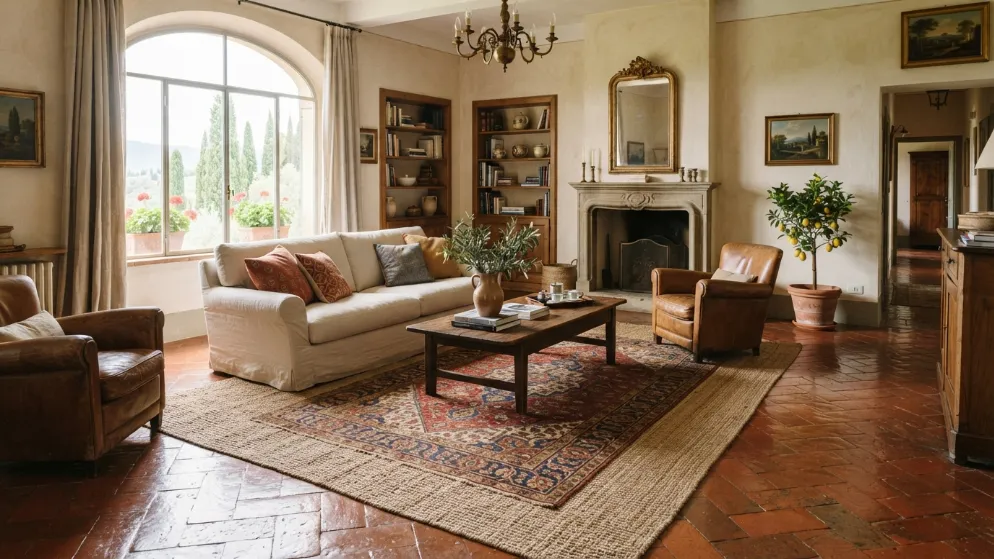
Layering area rugs adds texture, warmth, and dimension to a room. Choose Persian-inspired patterns, muted neutrals, or subtle geometric designs that complement the furniture without overwhelming it.
Layering rugs also helps define seating areas, creating cozy zones while softening the impact of hard floors. Combined with luxurious furniture, layered rugs contribute to a rich, inviting, and well-curated Italian aesthetic.
4. Elegant Lighting Fixtures
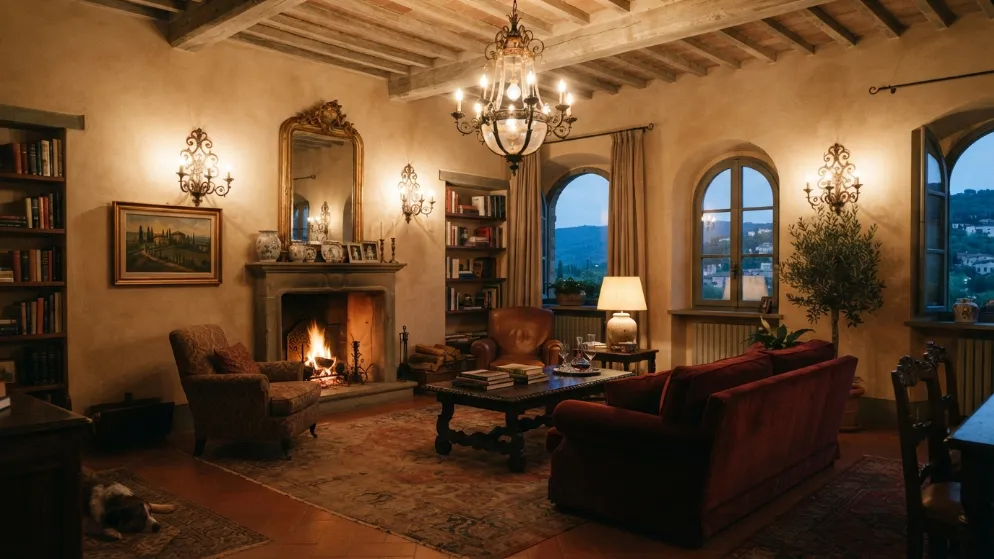
Lighting defines mood and enhances the elegance of an Italian living room. Statement chandeliers, crystal pendants, and ornate wall sconces provide ambient light while acting as design features.
Layering lighting with floor or table lamps ensures functionality and accentuates furniture, artwork, and textures. Warm lighting highlights the luxurious elements and creates an inviting, sophisticated atmosphere throughout the space.
5. Neutral Wall Colors with Accent Features
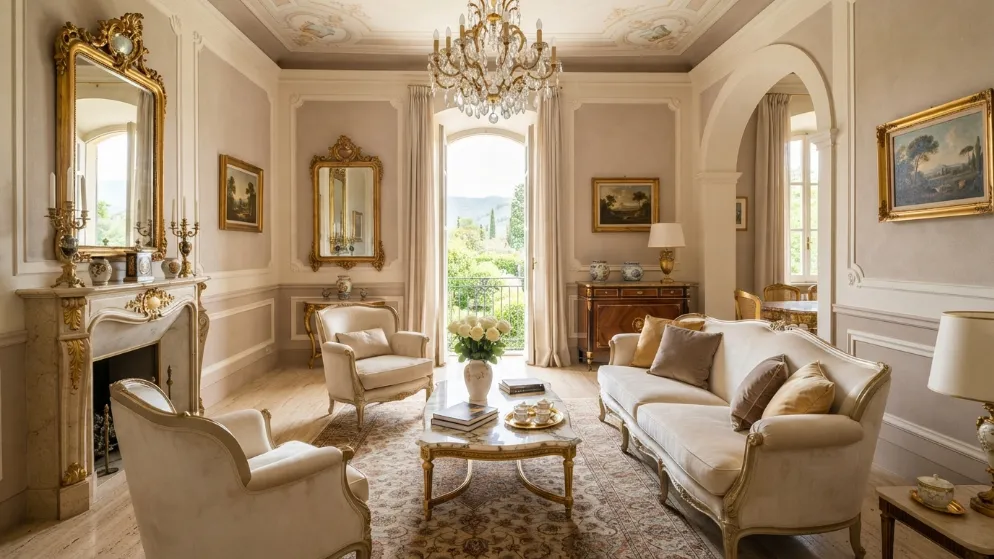
Neutral wall colors such as cream, taupe, or soft beige provide a sophisticated backdrop for furniture and decor. Add accent features like molding, gold trim, or marble panels to bring depth and visual interest.
The contrast between understated walls and opulent furniture or textiles enhances elegance while preventing the room from feeling heavy. Walls in neutral tones also allow artwork, rugs, and accessories to shine, tying together the luxurious elements seamlessly.
6. Refined Side Tables
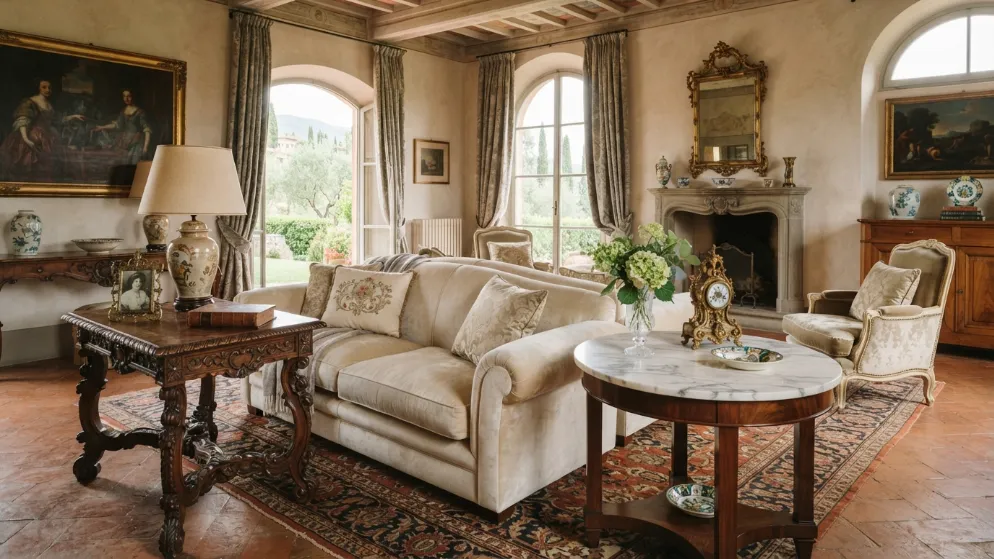
Side tables in high-quality materials like marble, polished wood, or brass add both functionality and sophistication. Place them beside sofas or accent chairs to hold lamps, books, or decorative objects.
Select designs with subtle detailing—curved legs, beveled edges, or metallic accents—to harmonize with the overall room decor. Well-chosen side tables enhance the sense of luxury while ensuring that the space remains practical and inviting for everyday use or entertaining guests.
7. Ornate Mirrors
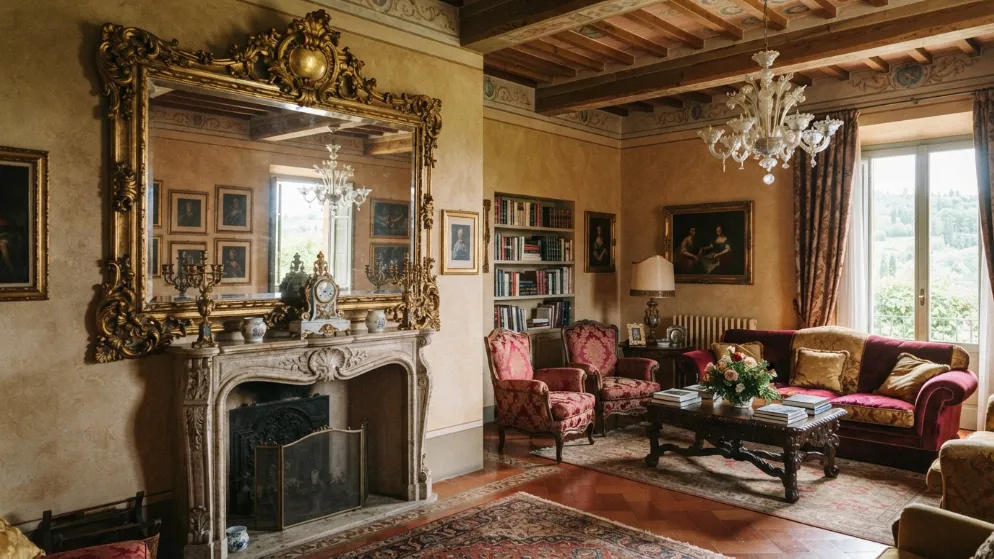
Mirrors amplify light, reflect other elements of the room, and create the illusion of more space. A gilded or intricately framed mirror immediately adds a sense of grandeur and sophistication.
Position a mirror strategically opposite windows or near light sources to maximize reflection. Beyond practicality, it becomes a decorative centerpiece that reinforces the room’s elegance and connects various design elements seamlessly.
8. Textured Wall Treatments
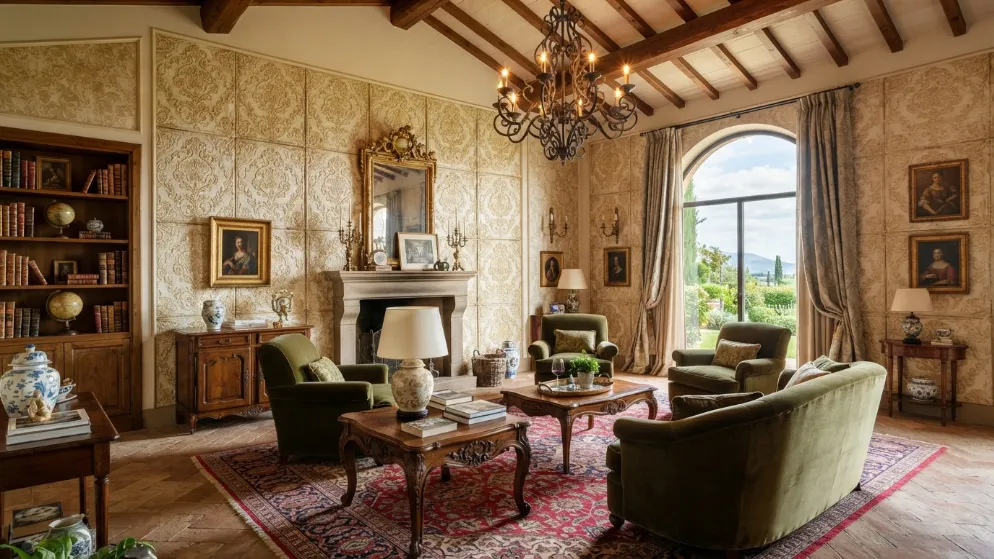
Textured walls, such as wallpaper with subtle patterns or decorative molding, add depth and visual interest without overwhelming the room. Neutral textures or metallic finishes can elevate elegance.
Combined with carefully chosen furniture and art, textured walls create a layered, luxurious feel. They subtly enrich the visual narrative of the living room while maintaining the clean and refined Italian aesthetic.
9. Accent Chairs with Elegance
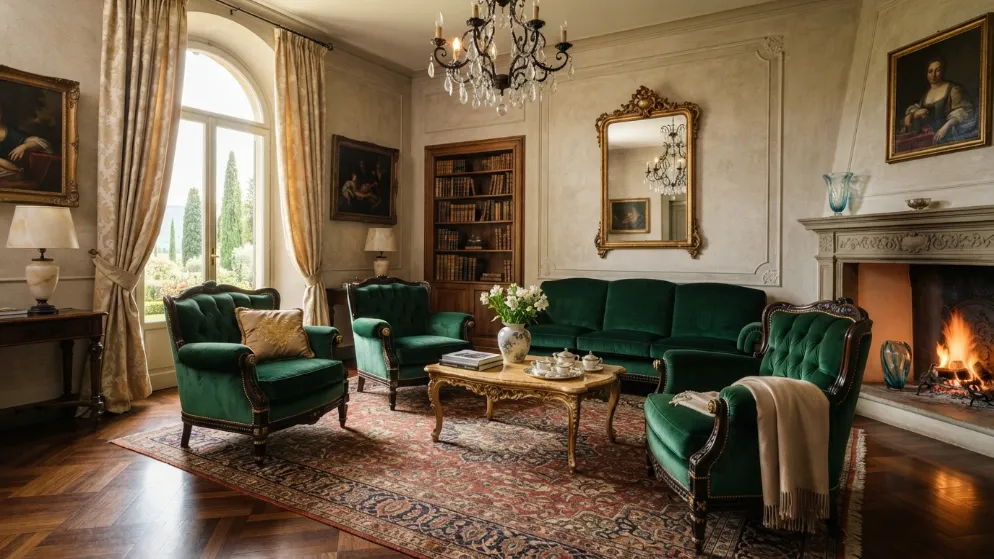
Accent chairs in refined fabrics like velvet, leather, or linen provide additional seating while making a design statement. Opt for classic silhouettes with curved arms or wooden detailing for timeless appeal.
Place chairs near windows or seating areas to enhance balance and functionality. The right accent chairs offer comfort and sophistication, completing the luxurious, well-curated look typical of Italian interiors.
10. Built-In Shelving for Display
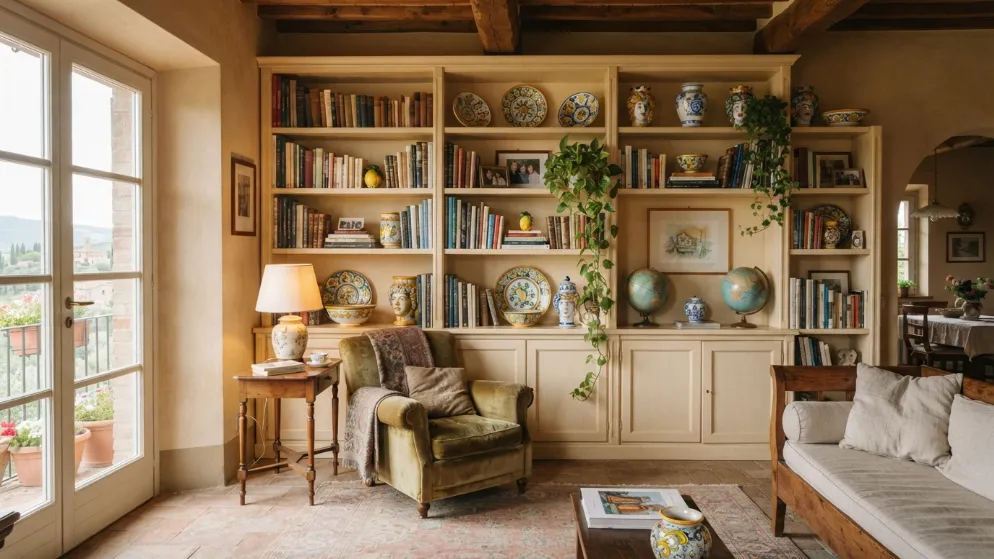
Built-in shelving units are perfect for displaying curated decorative objects, books, or antiques. Opt for shelves in neutral tones or matching wood to blend seamlessly with the room.
Organize items carefully to maintain a sense of order and elegance. Well-designed built-ins provide both practical storage and visual appeal, reinforcing the overall refined aesthetic of the living room.
🛒 Shop This Look:
11. Layered Textiles for Comfort
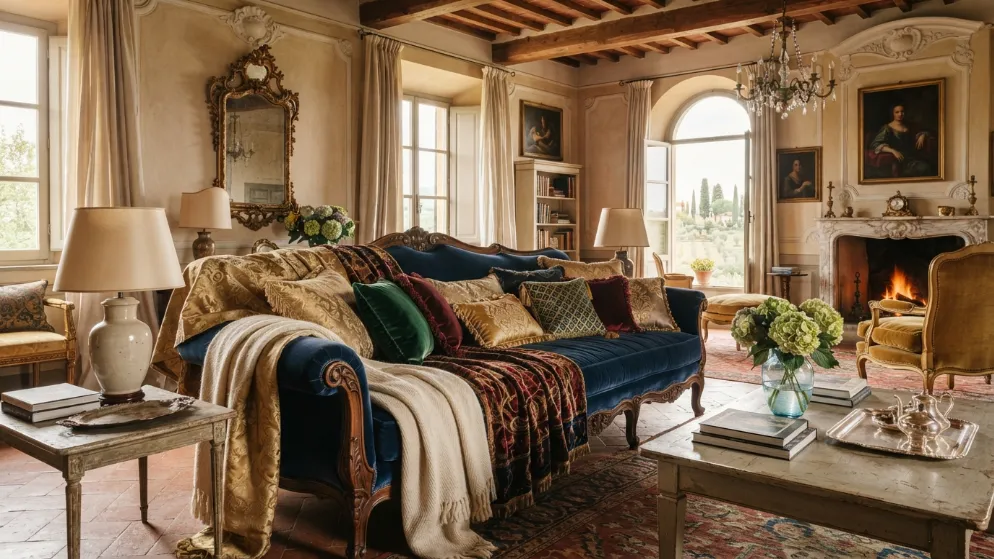
Layering throws, cushions, and rugs adds both comfort and tactile richness. Combining materials like silk, velvet, or soft wool creates visual depth and enhances coziness.
Strategically layering textures ensures the room feels inviting without compromising sophistication. This technique exemplifies the Italian approach to balancing elegance with practical comfort for daily living or entertaining guests.
12. Statement Lighting Pieces
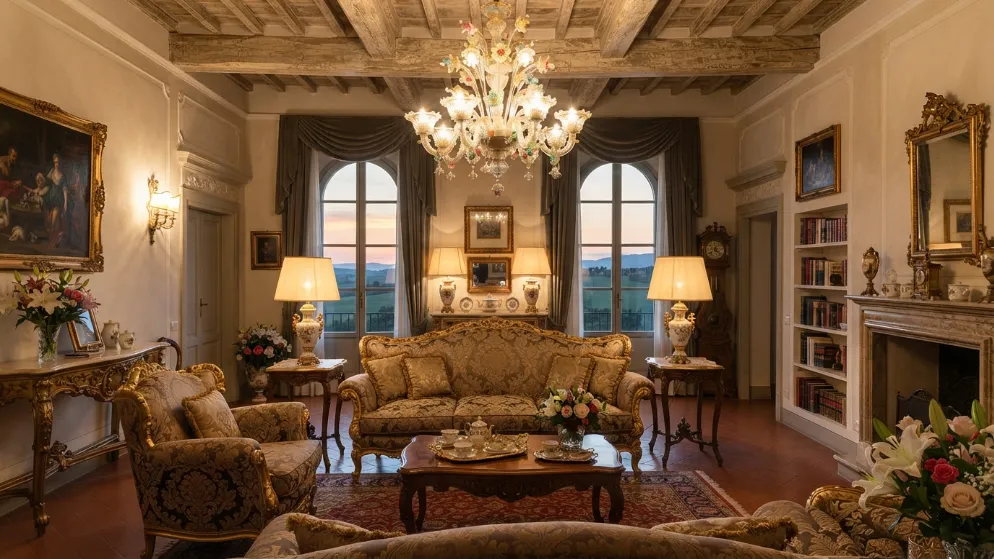
A statement chandelier or designer pendant serves as a visual centerpiece while providing warm, layered lighting. Complement with table lamps or sconces to highlight architectural or decorative features.
Lighting is key in Italian design—it accentuates textures, enhances furniture, and creates a welcoming atmosphere. Carefully curated light fixtures reinforce the luxurious and elegant vibe of the living room.
13. Indoor Greenery
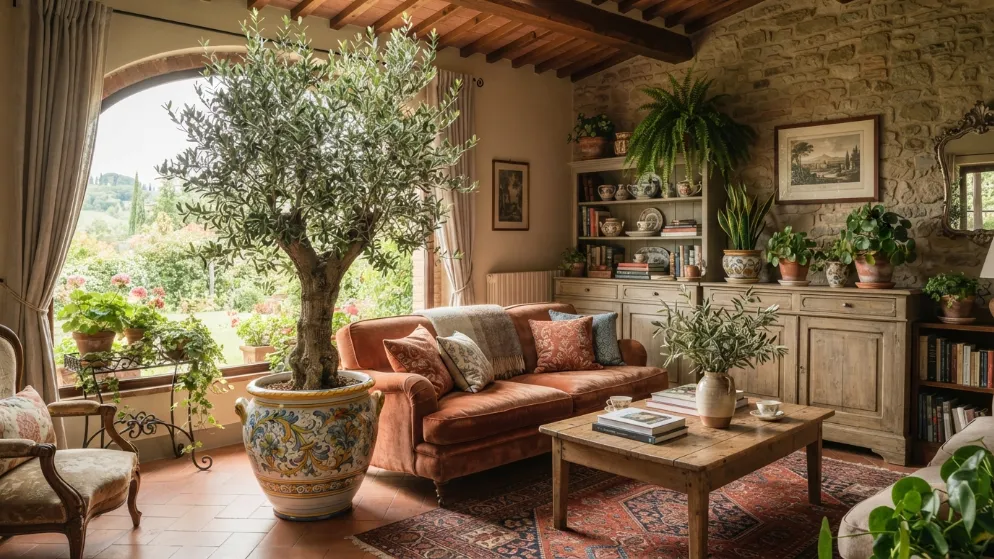
Indoor plants or small trees bring life and freshness to an Italian living room while complementing luxurious finishes. Choose pots or planters in elegant materials like ceramic, marble, or metallic tones.
Greenery softens the space, adds natural color, and balances opulent textures. Thoughtfully placed plants elevate sophistication while making the room feel more inviting and lived-in.
14. Curated Decorative Accents
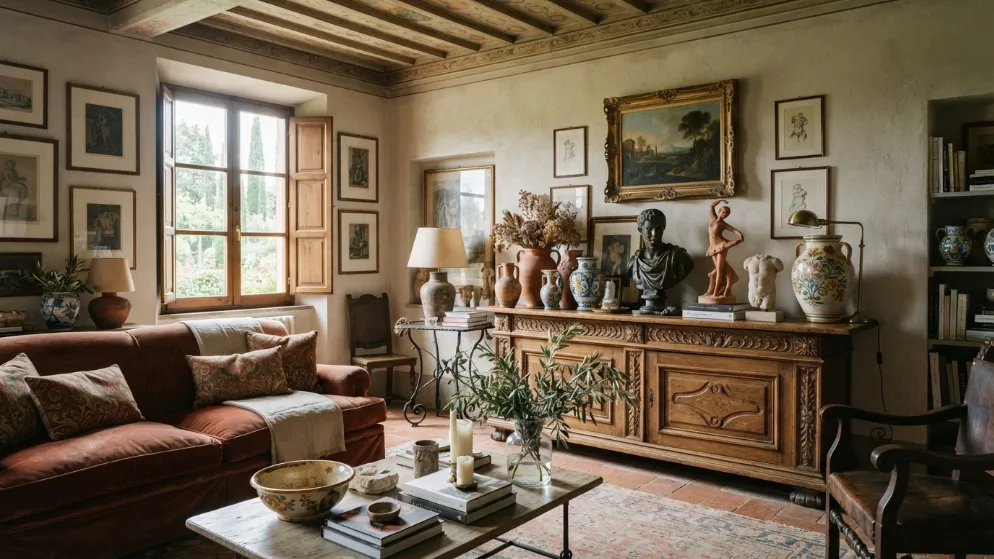
Curated decorative accents complete the room by adding character and luxury. Use vases, sculptures, and carefully selected objets d’art to enhance the visual story of the living room.
Arrange items thoughtfully to maintain balance and avoid clutter. These accents add layers of interest, refinement, and personality, reinforcing the room’s elegant and luxurious aesthetic.
Conclusion
An Italian living room epitomizes elegance and luxury through a combination of sumptuous furniture, rich textures, and carefully curated decor. Plush sofas, marble surfaces, statement lighting, and layered textiles create a space that feels refined yet welcoming.
The secret to Italian design lies in harmony: balancing opulence with functionality, layering textures and materials thoughtfully, and integrating natural elements and personal touches. By incorporating these 19 ideas, you can achieve a living room that is sophisticated, stylish, and timelessly luxurious, providing both visual delight and everyday comfort.
15 Key Questions About Italian Living Room Design
1. What defines Italian living room style, and how is it different from other European designs?
Italian living rooms celebrate romance, luxury, and timeless elegance. While French style is refined and minimal, Italian style is rich, dramatic, and unapologetically sensual.
Think bold colors, ornate details, layered textures, and an overall sense of indulgence. Italian design says “live beautifully.” It’s romantic without being overdone, luxurious without being pretentious.
Italian living rooms feel like European escapes—they invite you to slow down, entertain, and savor life.
2. What color palettes define authentic Italian living room design?
Warm, rich, dramatic colors are essential: deep burgundy, warm gold, terracotta, and cream.
Layer these with softer accents: warm ivory, soft blush, or pale gold for breathing room. Jewel tones work too—deep emerald, sapphire blue, or burnt sienna add glamour.
Avoid cool grays or stark whites. Italian design thrives on warmth and richness. Every color should feel inviting, luxurious, and sensual.
🛒 Shop This Look:
3. How important are ornate details and decorative elements in Italian living rooms?
Ornate details are the soul of Italian style, but restraint prevents it from feeling overwrought.
You need statement pieces with ornamental character: an ornate mirror, carved wooden furniture, decorative molding, or vintage artwork. These signal elegance and heritage.
Don’t decorate every surface. One or two statement pieces with intricate details work better than decorative overload. Balance ornament with simplicity and breathing room.
4. What type of furniture defines an Italian living room?
Substantial, beautifully crafted furniture is essential. Think carved wooden pieces, ornate frames, and quality upholstery.
Look for: wingback chairs, velvet sofas, ornate side tables, and carved dressers. Furniture should look expensive and timeless—investment pieces that tell a story.
Dark wood with ornate details feels authentically Italian. Avoid modern, minimalist furniture—Italian design celebrates craftsmanship and presence.
5. How do I incorporate a fireplace into Italian living room design?
A fireplace becomes the room’s heart. It’s the natural focal point for gathering.
Keep the surround elegant: marble, stone, or ornate tile. Decorate the mantel thoughtfully: quality candles, a mirror, and perhaps one artwork. Frame the fireplace as a gallery of elegance.
No fireplace? Create visual interest with an accent wall, large artwork, or statement furniture arrangement that serves as a focal point instead.
6. What fabrics and textures create that Italian luxury feel?
Rich, luxurious fabrics are non-negotiable: velvet, silk, high-quality linen, and damask.
Layer velvet sofas with silk throw pillows. Drape silk scarves or throws over furniture. Use linen curtains with elegant details. Brocade, jacquard, and patterned fabrics add drama.
These aren’t just pretty—they feel incredible. Italian design engages all senses. Texture and quality matter as much as color.
7. How do I use color without making an Italian living room feel chaotic?
Bold color works when applied strategically. The key is intentionality.
Choose one dominant color (deep burgundy or warm gold) for walls or major furniture. Let this color set the tone. Then add complementary accents through artwork, pillows, and accessories.
Keep patterns coordinated—if walls are patterned, furniture should be simpler. Balance is what prevents Italian luxury from becoming visual overload.
8. What role do ornate mirrors play in Italian living rooms?
Mirrors are essential. They reflect light, create depth, and add glamour.
An ornate mirror above the fireplace mantel is iconic. Large decorative mirrors in carved wooden frames amplify the room’s elegance and space.
Mirrors bounce light around the room, making it feel brighter and more luxurious. Position them to reflect artwork or architectural details for maximum impact.
9. How do I incorporate art and sculptures into an Italian living room?
Art is essential. Italian design celebrates beauty and artistic expression.
One or two significant pieces work better than gallery walls. A large oil painting, classical sculpture, or quality artwork becomes a focal point.
Choose pieces that complement your color palette and feel timeless. Quality over quantity—better one incredible artwork than several mediocre pieces.
10. What lighting creates that romantic Italian atmosphere?
Soft, warm, layered lighting is absolutely essential. Italian rooms should feel like candlelit villas.
Use 2700K warm white bulbs throughout. Add multiple sources: table lamps with fabric shades, wall sconces, overhead dimmers, and candlelight.
Ornate chandeliers amplify the romance. Crystal or brass fixtures add glamour. Avoid harsh, bright lighting—it destroys the intimate, luxurious vibe.
🛒 Shop This Look:
11. How do I balance Italian opulence without making the room feel overwhelming?
Opulence works when balanced with restraint and breathing room.
Don’t fill every surface. Leave wall space, empty shelf space, and visual breathing room. This prevents the space from feeling cluttered despite rich colors and ornate details.
Quality over quantity: one beautiful ornate mirror beats ten average decorative pieces. Strategic placement of dramatic elements creates impact without overwhelm.
12. Can I blend Italian tradition with modern comfort and technology?
Absolutely. The best Italian living rooms honor tradition while embracing modern living.
Keep traditional furniture, colors, and aesthetics but hide modern technology. Integrate contemporary comfort: good seating, climate control, updated lighting systems.
A traditional room with modern conveniences feels sophisticated. Hide speakers, cables, and tech behind beautiful cabinetry or within traditional furnishings.
13. What mistakes do people make when designing Italian living rooms?
Being too literal with Italian themes. Gondola paintings, Italian phrases on walls, and souvenir-style decor cheapen the design.
Using cheap fabrics. Polyester velvet, thin silk, and low-quality materials destroy luxury. Real silk, velvet, and natural fabrics matter.
Neglecting lighting. Poor lighting makes rich colors look muddy and ornate details disappear. Invest in excellent, warm lighting throughout.
Overdoing pattern. Too many competing patterns create chaos. Balance patterned elements with solid colors and breathing room.
14. Can I create an Italian living room on a budget without sacrificing elegance?
Yes, but strategy matters. Splurge on visible, high-impact pieces.
Invest in: a quality sofa, one ornate mirror, good lighting fixtures, and quality curtains. These anchor the room’s elegance.
Save on: paint ($30-60), thrifted ornate furniture, affordable artwork (high-quality prints, not originals), and DIY styling with textiles.
Strategic splurges paired with budget creativity create luxury without luxury prices.
15. How do I arrange an Italian living room for both beauty and function?
Create a gathering space around your focal point: fireplace, large window, or feature wall.
Furniture should be substantial and positioned to encourage conversation. A quality sofa anchors the room. Add chairs, ottomans, and side tables for function.
Everything should feel intentional and beautiful. Italian living rooms work hard while looking effortless—that’s the Italian way.
Ready to transform your living room into an Italian escape? Discover more elegant design inspiration and luxury living room strategies on our homepage. Explore how to create romantic, sophisticated spaces across different styles, budgets, and aesthetics. Visit homeisdecor.com and find comprehensive Italian living room design ideas plus 13 more actionable concepts to bring timeless elegance and luxurious charm to your space today.